 Ver en contexto
 Enviar
 Compartir
 Detalles

 Descargar
 Similares
 Radiografía
 Presentación de diapositivas
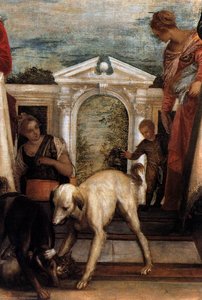
Feast at the House of Simon (detail)


 Ver más
Reproducción al óleo hecha a mano
Óleo sobre lienzo pintado a mano en el tamaño y marco de su elección, realizado por encargo por nuestros artistas. ( Comprar impresión Comprar imagen)




P118B $10

P118H $10

P118W $10

P438Z $10

P508JH $12

P508YH $12

P805H $10

P805Z $10

P919BZ $10

P919G $10

P919XJ $10

P959ZH $10

P968JZ $12

W106C $8

W218G $10

W218JH $8

W218Y $10

W307PJ $10

W316G $10

W316PJ $8

W316Y $10

W398PJ $8

W4111J $10

W500HY $15

W500JH $15

W692G $12

W849H $8

W940BG $15

W953PJ $8




Elija entre nuestros tamaños predefinidos que respetan las proporciones originales de la obra.

Puede ingresar sus propias dimensiones para adaptarse a un marco o espacio específico. Si el tamaño seleccionado no coincide con las proporciones de la imagen original, recortaremos la obra o extenderemos la pintura con elementos adicionales pintados a mano. Se le enviará una maqueta digital para su aprobación antes de comenzar la producción.
Tenga en cuenta que la vista previa en pantalla no refleja el recorte o la extensión reales. Solo la maqueta mostrará con precisión la composición final.
Si bien existen tamaños personalizados, recomendamos seleccionar una dimensión de la lista predefinida para preservar las proporciones originales.
Tras realizar el pedido, el equipo de ArtsDot.com enviará un correo electrónico al cliente para solicitar instrucciones y proporcionarle una vista previa del boceto.
Envío a todo el mundo () en 3-4 semanas en lugar de las 5 semanas estándar. (30 agosto). Sin comprometer la calidad.

Envío exprés gratuito a todo el mundo

Lienzo de lino de alta calidad

Seguro de envío total

Garantía de reembolso de impuestos aduaneros

Garantía de fidelidad cromática exacta

Política de devolución de 60 días (solo por defectos)

Garantía de devolución del 100% del dinero

Descuento por cantidad
 La opción de vidrio solo está disponible en tamaños inferiores a 110 cm.

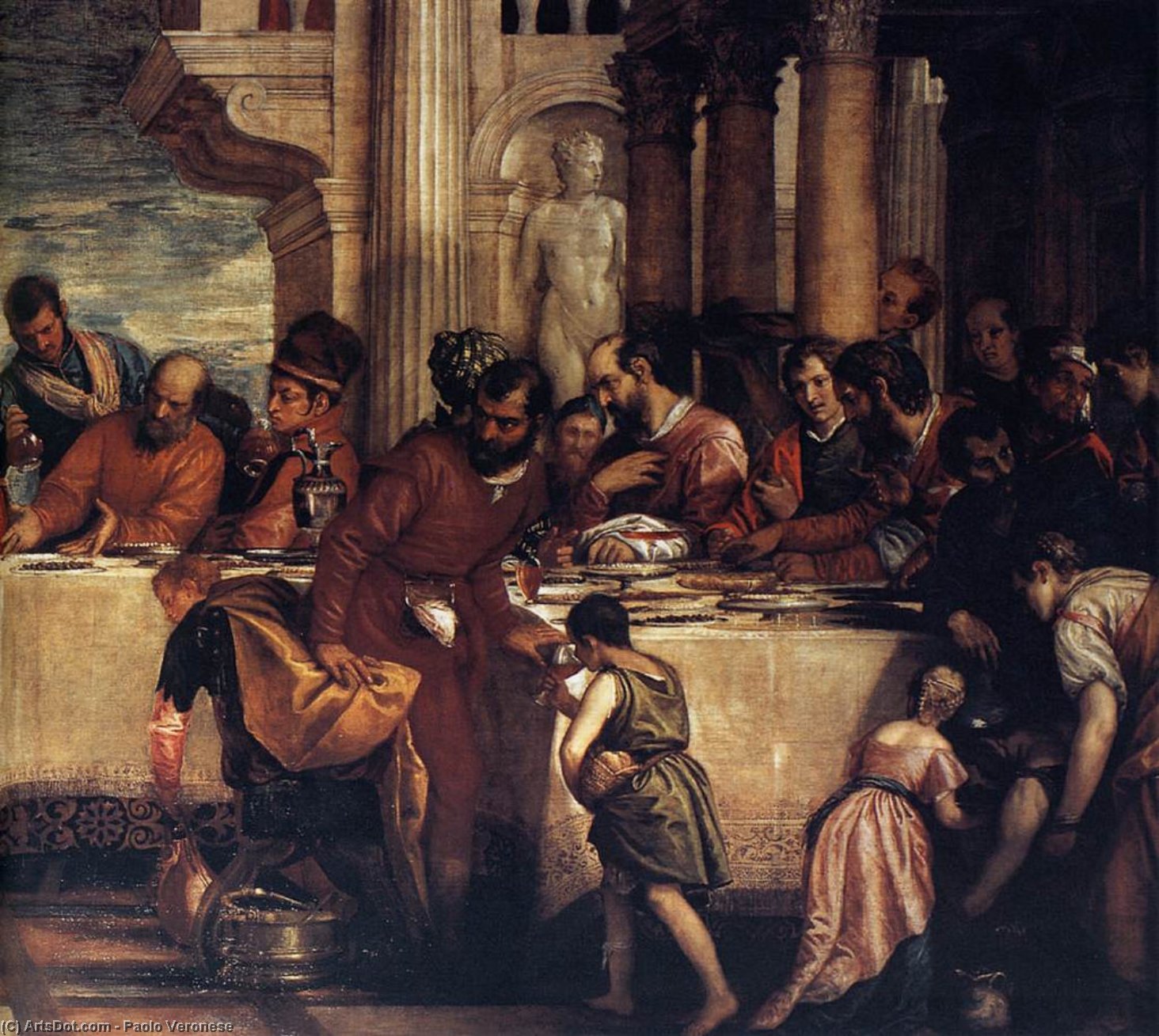
Feast at the House of Simon (detail)
Técnica de reproducción
Dimensiones de la reproducción
-


Precio total final
$ 263
A Grand Spectacle of Venetian Life: Paolo Veronese’s “Feast at the House of Simon (detail)”
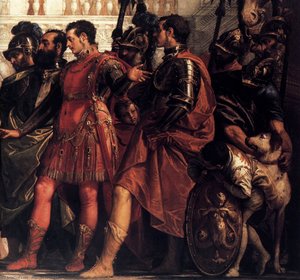
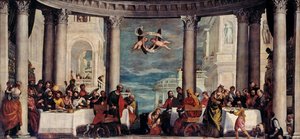
Paolo Veronese's "Feast at the House of Simon (detail)" is not merely a painting; it’s an immersive experience, a vibrant snapshot of 16th-century Venice frozen in time. This exquisite detail from the monumental work, now residing within the Pinacoteca di Brera in Milan, offers a tantalizing glimpse into Veronese's mastery of color, composition, and his uncanny ability to capture the opulent spirit of his era. The scene unfolds with an almost theatrical flourish – a lavish banquet held within what appears to be a grand Roman villa, brimming with figures engaged in conversation, feasting, and revelry. It’s a testament to Veronese's skill that even this focused detail retains the overwhelming sense of scale and abundance that defined the original painting.The Master at Work: Technique and Style
Veronese was renowned for his use of color – a technique he honed under the influence of Titian, yet ultimately developed into something uniquely his own. Notice immediately the sheer brilliance of the palette; deep reds, vibrant blues, and shimmering golds dominate, creating an atmosphere of luxurious warmth. The artist’s brushwork is remarkably loose and fluid, particularly in depicting fabrics and textures – the folds of togas, the sheen of goblets, and the gleam of jewelry are rendered with astonishing realism. He employed a technique known as *sfumato*, subtly blurring lines and edges to create an atmospheric depth that pulls the viewer into the scene. The perspective is carefully constructed, drawing the eye across the table towards the distant figures, while maintaining a sense of immediacy and engagement. Veronese’s genius lies not just in his technical skill but also in his ability to convincingly portray light and shadow, lending a palpable sense of volume and realism to every element within the composition.A Window into Venetian Society: Historical Context
Painted between 1567 and 1570 for the monastery of San Sebastiano in Venice, “Feast at the House of Simon” reflects the city’s position as a major center of trade, art, and culture during the Renaissance. The painting is a celebration of Venetian prosperity and its embrace of classical ideals. The setting itself – a Roman villa – was deliberately chosen to evoke the grandeur of antiquity, aligning with the humanist philosophies that were gaining traction at the time. However, Veronese doesn’t simply replicate the past; he infuses it with contemporary Venetian life. The figures are not solely idealized representations of Roman citizens but rather a diverse array of merchants, nobles, and clergy, all participating in a shared feast. The inclusion of musicians and dancers further emphasizes the celebratory atmosphere.Symbolism and Narrative Layers
Beyond its surface depiction of a banquet, “Feast at the House of Simon” is rich with symbolic meaning. The abundance of food and drink represents prosperity and hospitality, while the numerous figures suggest the interconnectedness of Venetian society. The presence of musicians and entertainers highlights the importance of leisure and entertainment in this vibrant city. Some scholars have suggested that the painting may also contain subtle religious allusions, referencing the parable of the prodigal son – a theme often explored within Christian art. The detail itself—the expressions on the faces, the gestures of the guests— invites speculation about their individual stories and relationships, adding layers of narrative depth to the scene.Capturing the Essence: Reproductions and Interior Design
Today, reproductions of “Feast at the House of Simon (detail)” are highly sought after by collectors and interior designers alike. The painting’s vibrant colors and dynamic composition make it a striking addition to any space, injecting warmth, energy, and a touch of historical grandeur. When selecting a reproduction, consider the quality of the materials used – a hand-painted canvas will always offer a more authentic representation than a printed image. The scale of the reproduction should also be carefully considered, ensuring that it complements the overall design of the room. Ultimately, this detail from Veronese’s monumental masterpiece offers a timeless reminder of Venice's golden age and the enduring power of art to transport us to another time and place.Obras relacionadas
Biografía del artista
Primeros años y formación
Paolo Caliari, conocido como Paolo Veronese, nació en 1528 en Verona, Italia. Era el quinto hijo de un cantero, Gabriele, y su esposa Caterina. La vida temprana de Veronese se caracterizó por su aprendizaje con Antonio Badile y posteriormente con Giovanni Francesco Caroto, ambos pintores líderes en Verona.Estilo artístico e influencias
Veronese desarrolló un estilo pictórico naturalista, influenciado por Tiziano, y es conocido por su uso de colores vibrantes. Su obra se caracteriza por su estilo dramático y colorido, a menudo presentando majestuosas ambientaciones arquitectónicas y pagantry. Las grandes pinturas de Veronese de banquetes bíblicos, llenas de figuras, son especialmente famosas, y también fue el principal pintor veneciano de techos.Obras destacadas y legado
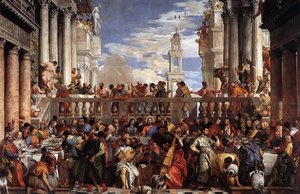
Algunas de las obras más notables de Veronese incluyen:- La boda de Cana (1563), una pintura a gran escala que muestra su uso del color y la composición.
- El banquete en casa de Levi (1573), una obra maestra que demuestra su capacidad para equilibrar el drama y la elegancia.
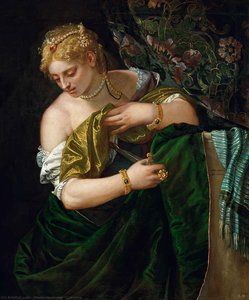
- Lucrezia: Una impresionante obra maestra del Renacimiento con detalles opulentos y colores ricos.
- Honra (1557): Una obra maestra barroca que presenta tonos cálidos, luz dramática y detalles intrincados.
- Respeto (1575): Una impresionante obra maestra barroca rica en intensidad emocional, realismo y luz dramática.
Influencia cultural e impacto
La influencia de Veronese se puede ver en varios aspectos de la cultura italiana, desde los westerns espagueti hasta la rica tradición del drama y la commedia. Su trabajo continúa inspirando a artistas, incluyendo aquellos que aparecen en ArtsDot, una plataforma que muestra una amplia gama de talento artístico.- Explore más obras de Veronese y la escena artística veneciana en ArtsDot.
- Descubra el patrimonio cultural de Italia, desde sus civilizaciones antiguas hasta su impacto moderno, en Wikipedia.
- 1528: Nació en Verona, Italia
- 1541-1544: Aprendizaje con Antonio Badile y Giovanni Francesco Caroto
- 1563: Finalización de La boda de Cana
- 1573: Finalización del banquete en casa de Levi
- 1588: Falleció, dejando atrás un legado en la pintura veneciana
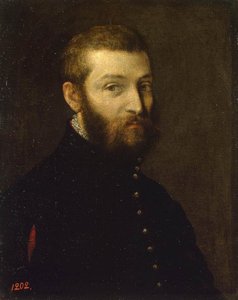
Paolo Veronese
1528 - 1588 , Italia
Datos clave
- Artistas Que Influyeron: ['Tiziano']
- Estilo Artístico: Naturalista, Veneciano
- Fecha De Nacimiento: 1528
- Influencia En Artistas: ['Artistas de WahooArt']
- Lugar De Nacimiento: Verona, Italia
- Nacionalidad: Italiana
- Nombre Completo: Paolo Veronese
- Nombres Alternativos: Paolo Caliari
- Obras Notables:
- La Boda de Caná (1563)
- El Banquete en la casa de Levi (1573)
Artículos relacionados
Paolo Veronese: A Renaissance Master of Color, Composition, and Venetian Splendor
Explore the vibrant world of Paolo Veronese, a Renaissance master renowned for his opulent compositions, masterful use of color, and dramatic Venetian scenes. Discover key artworks & legacy.
Giovanni Paolo Panini: Capturing Roman Grandeur – A Vedute Master's Legacy
Explore the captivating world of Giovanni Paolo Panini, master of Roman vedute painting. Discover his technique, iconic works, influence on art history & collecting advice from experts at ArtsDot.
Bartolomeo Pinelli: Neoclassical Linearity & Roman Topography of Memory
Explore the captivating world of Bartolomeo Pinelli, a master Italian engraver renowned for his evocative Roman scenes & historical narratives. Discover his art and legacy with ArtsDot.
Sebastiano del Piombo: Bridging Venetian Colorism & Roman Grand Manner Portraiture
Explore the captivating art of Sebastiano del Piombo, a Renaissance master bridging Venetian colorism & Roman grandeur. Discover his iconic portraits and lasting influence on art history. Learn more at ArtsDot.
Simon Vouet: A Baroque Master's Journey from Italian Influence to French Classicism
Explore the life & art of Simon Vouet, a pivotal French Baroque painter who introduced Italian styles to France. Discover his masterpieces and lasting influence on 17th-century art.