

 Ver en contexto
 Enviar
 Compartir
 Detalles

 Descargar
 Similares
 Radiografía
 Presentación de diapositivas
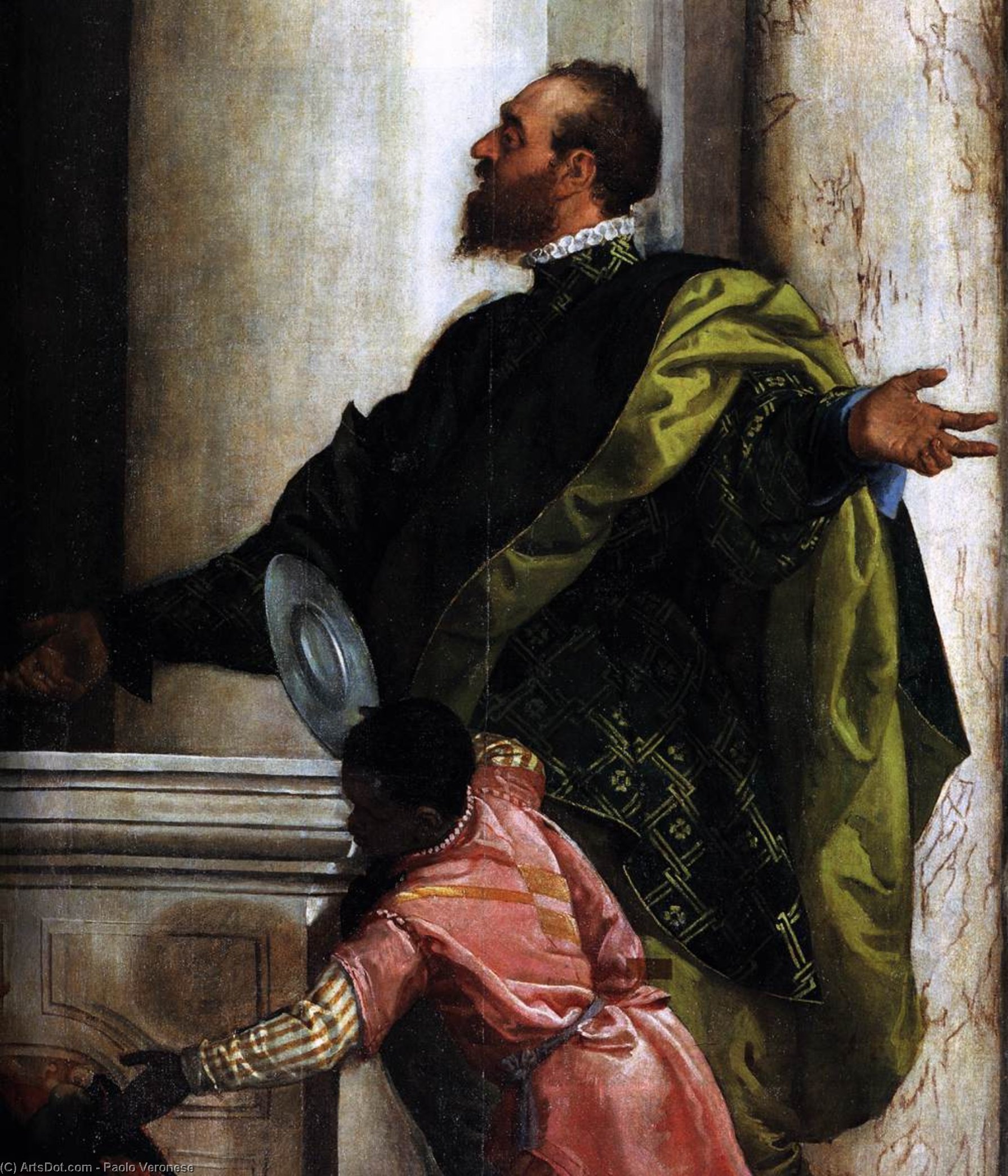
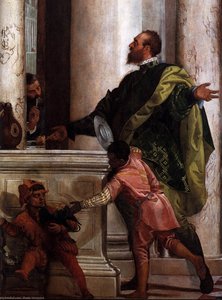
Feast in the House of Levi (detail) (11)


 Ver más
Adquiera una imagen digital de alta resolución y optimizada, muy superior a la vista previa en línea.
Cada archivo es preparado meticulosamente por nuestros especialistas internos mediante el uso de herramientas avanzadas y un experto retoque manual. Nos aseguramos de que cada imagen posea una claridad excepcional, una precisión cromática impecable y un detalle minucioso.
El archivo final se entrega por correo electrónico en un plazo de 72 horas, optimizado para su uso inmediato en entornos profesionales, editoriales y de impresión. Esta es la misma calidad en la que confían los estudios de diseño, las editoriales y las galerías de primer nivel.
Imagen Digital
Descarga un archivo de alta resolución para exhibición personal, impresión y proyectos creativos. ( Comprar impresión Comprar pintura hecha a mano)
Incluido en cada pedido de imágenes digitales
Entrega digital experta, garantizada.
Al elegir ArtsDot.com, no solo está adquiriendo una imagen; está recibiendo una obra de arte digital mejorada profesionalmente, elaborada con precisión y respaldada por una garantía de satisfacción. Esto es todo lo que incluye su pedido, automáticamente:

Entrega rápida por email
Recibirá su archivo de imagen digital en alta resolución por correo electrónico en un plazo de 72 horas tras realizar su pedido, listo para su uso inmediato.

Archivo digital optimizado por IA
Su obra de arte se optimiza profesionalmente mediante herramientas avanzadas de IA y edición manual, garantizando el máximo detalle, claridad y precisión cromática.

Reenvío gratuito de por vida
¿Has borrado o perdido tu archivo por error? No te preocupes: te lo volveremos a enviar en cualquier momento, sin coste adicional.

Sin gastos de importación, siempre
Disfrute de su obra de arte al instante sin aduanas, aranceles ni gastos de envío; las descargas digitales siempre están libres de impuestos.

Garantía de fidelidad de color
Garantizamos que su imagen digital refleje los colores originales con la mayor fidelidad posible, mediante el uso de herramientas profesionales y gestión del color.

Garantía de satisfacción de 60 días
Si no está satisfecho con su imagen digital, la revisaremos o le reembolsaremos el 100% en un plazo de 60 días, sin preguntas.

100% Garantía de devolución de dinero
¿No está satisfecho? Obtenga un reembolso completo dentro de los 60 días posteriores a la recepción de su archivo digital, sin necesidad de explicaciones.

Descuentos por pedidos grandes
Compra 3 imágenes, ahorra 10% - Compra 5, ahorra 15% - Compra 10+, ahorra 20%. Ideal para proyectos creativos, galerías y agencias.
A Grand Tapestry of Light and Life: Unveiling Veronese's "Feast"
Paolo Veronese’s “Feast in the House of Levi,” painted in 1573, isn’t merely a depiction of a biblical scene; it’s an immersive experience. Commissioned for the refectory of the Dominican friary in Venice, this monumental canvas—a staggering 5.5 by 13 meters—immediately overwhelms with its sheer scale and opulent detail. It's a testament to Veronese’s mastery of color, composition, and his uncanny ability to transform religious narrative into a dazzling spectacle. More than just a painting, it’s a carefully constructed world, brimming with figures, architectural grandeur, and an almost palpable sense of celebratory excess – a deliberate choice that ultimately led to its controversial reception by the Venetian Inquisition.
- Subject Matter: The painting reimagines Luke 5:29-32, depicting Christ presiding over a lavish banquet in the home of Levi (St. Matthew), surrounded by a throng of Roman officials, merchants, and commoners. However, Veronese subtly shifts the focus from the biblical story itself to the *representation* of that event – a deliberate move that would later draw criticism.
- Style: Veronese’s style is firmly rooted in Venetian Renaissance painting, yet he transcends mere imitation. He masterfully blends elements of Mannerism—particularly in the elongated figures and complex spatial arrangements—with a vibrant naturalism. The effect is one of dazzling brilliance and theatricality.
The Alchemy of Color: Veronese’s Revolutionary Palette
Veronese was renowned for his unparalleled command of color, and “Feast” showcases this talent in breathtaking abundance. He employed a technique known as *colorito*, prioritizing the intensity and luminosity of individual hues over precise modeling or shading. The palette is extraordinarily rich—deep reds, vibrant blues, shimmering golds, and dazzling greens—all applied with an almost obsessive attention to detail. Notice how he uses color not just to depict objects but also to create a sense of atmosphere and movement. The warm glow emanating from the central figures contrasts sharply with the cooler tones used for the architectural backdrop, drawing the viewer’s eye into the heart of the scene.
Technique: Veronese utilized thin layers of oil paint applied in *glazes*, building up color and luminosity gradually. This technique allowed him to achieve an unparalleled level of brilliance and depth, particularly evident in the reflections on polished surfaces like marble and metal. The use of *sfumato*—a subtle blurring of edges—further enhances the sense of atmosphere and creates a dreamlike quality.A World Constructed: Architecture, Perspective, and Symbolism
The architectural setting is as crucial to “Feast” as the figures themselves. Veronese meticulously recreates a Roman-inspired interior, complete with soaring arches, elaborate columns, and richly decorated walls. However, he deliberately avoids traditional linear perspective, opting instead for a complex system of converging diagonals that create a sense of depth and dynamism. This unconventional approach—a departure from the established rules of Renaissance art—further contributes to the painting’s theatricality and reinforces its overall impression of grandeur.
- Symbolism: The abundance of food, drink, and luxurious furnishings symbolizes Christ's generosity and his invitation to all. The presence of Roman officials represents the universality of salvation—that even those considered outsiders are welcome in God’s kingdom.
- Controversy: The painting’s lavishness and its departure from traditional religious iconography drew criticism from the Venetian Inquisition, who deemed it irreverent and overly sensual. The inclusion of figures like a man with a nosebleed (a common depiction of Judas) and drunken Germans was particularly problematic.
A Legacy of Spectacle: Veronese’s Enduring Influence
Despite the controversy, “Feast in the House of Levi” remains one of Veronese's most celebrated works. It exemplifies his mastery of color, composition, and theatricality—qualities that have influenced generations of artists. Reproductions of this monumental painting continue to captivate viewers with their sheer scale and dazzling beauty. Whether admired for its technical brilliance or its audacious departure from convention, “Feast” stands as a testament to Veronese’s genius and his enduring legacy as one of the greatest painters of the Venetian Renaissance.
Obras relacionadas

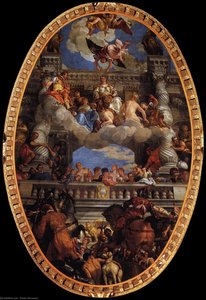
Biografía del artista
Primeros años y formación
Paolo Caliari, conocido como Paolo Veronese, nació en 1528 en Verona, Italia. Era el quinto hijo de un cantero, Gabriele, y su esposa Caterina. La vida temprana de Veronese se caracterizó por su aprendizaje con Antonio Badile y posteriormente con Giovanni Francesco Caroto, ambos pintores líderes en Verona.Estilo artístico e influencias
Veronese desarrolló un estilo pictórico naturalista, influenciado por Tiziano, y es conocido por su uso de colores vibrantes. Su obra se caracteriza por su estilo dramático y colorido, a menudo presentando majestuosas ambientaciones arquitectónicas y pagantry. Las grandes pinturas de Veronese de banquetes bíblicos, llenas de figuras, son especialmente famosas, y también fue el principal pintor veneciano de techos.Obras destacadas y legado
Algunas de las obras más notables de Veronese incluyen:- La boda de Cana (1563), una pintura a gran escala que muestra su uso del color y la composición.
- El banquete en casa de Levi (1573), una obra maestra que demuestra su capacidad para equilibrar el drama y la elegancia.
- Lucrezia: Una impresionante obra maestra del Renacimiento con detalles opulentos y colores ricos.
- Honra (1557): Una obra maestra barroca que presenta tonos cálidos, luz dramática y detalles intrincados.
- Respeto (1575): Una impresionante obra maestra barroca rica en intensidad emocional, realismo y luz dramática.
Influencia cultural e impacto
La influencia de Veronese se puede ver en varios aspectos de la cultura italiana, desde los westerns espagueti hasta la rica tradición del drama y la commedia. Su trabajo continúa inspirando a artistas, incluyendo aquellos que aparecen en ArtsDot, una plataforma que muestra una amplia gama de talento artístico.- Explore más obras de Veronese y la escena artística veneciana en ArtsDot.
- Descubra el patrimonio cultural de Italia, desde sus civilizaciones antiguas hasta su impacto moderno, en Wikipedia.
- 1528: Nació en Verona, Italia
- 1541-1544: Aprendizaje con Antonio Badile y Giovanni Francesco Caroto
- 1563: Finalización de La boda de Cana
- 1573: Finalización del banquete en casa de Levi
- 1588: Falleció, dejando atrás un legado en la pintura veneciana
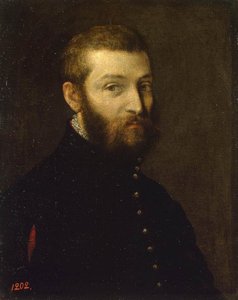
Paolo Veronese
1528 - 1588 , Italia
Breves datos
- Artistas Que Influyeron: ['Tiziano']
- Estilo Artístico: Naturalista, Veneciano
- Fecha De Nacimiento: 1528
- Influencia En Artistas: ['Artistas de WahooArt']
- Lugar De Nacimiento: Verona, Italia
- Nacionalidad: Italiana
- Nombre Completo: Paolo Veronese
- Nombres Alternativos: Paolo Caliari
- Obras Notables:
- La Boda de Caná (1563)
- El Banquete en la casa de Levi (1573)

