 Ver en contexto
 Enviar
 Compartir
 Detalles

 Descargar
 Similares
 Radiografía
 Presentación de diapositivas
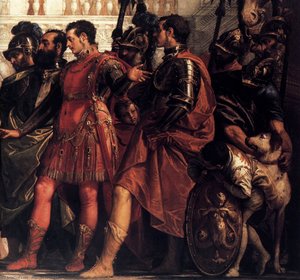
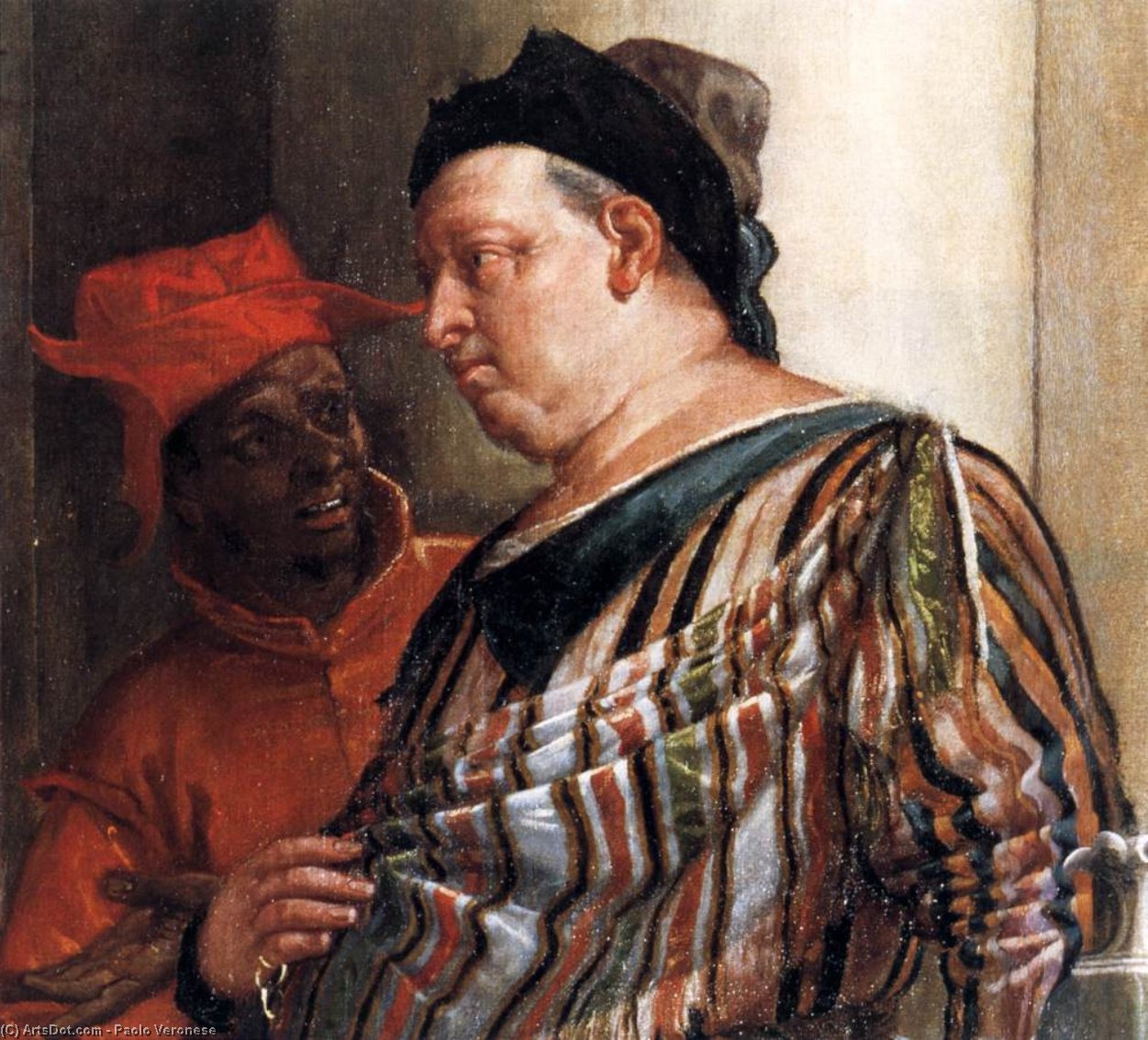
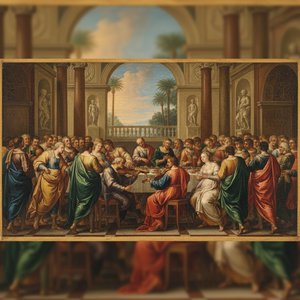
Feast in the House of Levi (detail) (16)


 Ver más
Reproducción al óleo hecha a mano
Óleo sobre lienzo pintado a mano en el tamaño y marco de su elección, realizado por encargo por nuestros artistas. ( Comprar impresión Comprar imagen)




P118B $10

P118H $10

P118W $10

P438Z $10

P508JH $12

P508YH $12

P805H $10

P805Z $10

P919BZ $10

P919G $10

P919XJ $10

P959ZH $10

P968JZ $12

W106C $8

W218G $10

W218JH $8

W218Y $10

W307PJ $10

W316G $10

W316PJ $8

W316Y $10

W398PJ $8

W4111J $10

W500HY $15

W500JH $15

W692G $12

W849H $8

W940BG $15

W953PJ $8




Elija entre nuestros tamaños predefinidos que respetan las proporciones originales de la obra.

Puede ingresar sus propias dimensiones para adaptarse a un marco o espacio específico. Si el tamaño seleccionado no coincide con las proporciones de la imagen original, recortaremos la obra o extenderemos la pintura con elementos adicionales pintados a mano. Se le enviará una maqueta digital para su aprobación antes de comenzar la producción.
Tenga en cuenta que la vista previa en pantalla no refleja el recorte o la extensión reales. Solo la maqueta mostrará con precisión la composición final.
Si bien existen tamaños personalizados, recomendamos seleccionar una dimensión de la lista predefinida para preservar las proporciones originales.
Tras realizar el pedido, el equipo de ArtsDot.com enviará un correo electrónico al cliente para solicitar instrucciones y proporcionarle una vista previa del boceto.
Envío a todo el mundo () en 3-4 semanas en lugar de las 5 semanas estándar. (5 septiembre). Sin comprometer la calidad.

Envío exprés gratuito a todo el mundo

Lienzo de lino de alta calidad

Seguro de envío total

Garantía de reembolso de impuestos aduaneros

Garantía de fidelidad cromática exacta

Política de devolución de 60 días (solo por defectos)

Garantía de devolución del 100% del dinero

Descuento por cantidad
 La opción de vidrio solo está disponible en tamaños inferiores a 110 cm.

Feast in the House of Levi (detail) (16)
Técnica de reproducción
Dimensiones de la reproducción
-


Precio total final
$ 263
A Grand Tapestry of Life and Faith
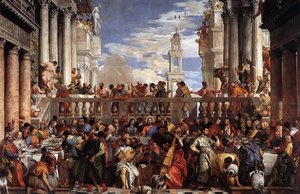
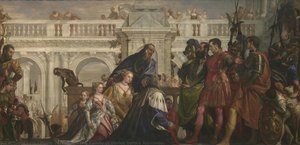
Paolo Veronese’s “Feast in the House of Levi,” painted in 1573, isn't merely a depiction of a biblical scene; it’s an immersive theatrical experience, a vibrant snapshot of Venetian society captured within the opulent confines of a grand hall. Measuring a staggering 18 feet by 42 feet – a scale that immediately overwhelms and delights – the painting pulsates with life, teeming with figures engaged in conversation, feasting, playing music, and generally reveling in the pleasures of the moment. It’s a masterful demonstration of Veronese's signature style: an exuberant blend of realism and theatricality, where every detail—from the shimmering fabrics to the intricate architecture—contributes to a sense of overwhelming abundance and joyous celebration.
Initially conceived as a Last Supper for the refectory of the Basilica di Santi Giovanni e Paolo in Venice, the painting’s sheer size and lavishness quickly drew criticism from the Inquisition. The scene's secular elements – the prominent display of wealth, the inclusion of contemporary Venetian figures, and the overall lack of strict religious focus – were deemed inappropriate for a sacred space. This controversy ultimately led to the title being changed to “Feast,” reflecting the painting’s true subject matter: a celebration of life, community, and the bounty of the Venetian Republic.
The Art of Spectacle: Veronese's Venetian Vision
Veronese was a master of composition, expertly guiding the viewer’s eye through this densely populated scene. He employs a complex system of receding planes, creating an illusion of depth that draws us into the heart of the gathering. The architectural background, inspired by the grand palazzi and canals of Venice, is rendered with meticulous detail, providing a stunning backdrop for the unfolding drama. Notice how he uses light to highlight key figures and create a sense of movement – the warm glow illuminating the faces of those engaged in conversation, contrasted against the darker shadows that suggest hidden corners and private moments.
Technically, Veronese’s skill lies in his masterful use of color. He employs a rich, vibrant palette—deep reds, blues, golds, and greens—to create an atmosphere of opulence and extravagance. His brushstrokes are loose and expressive, contributing to the painting's dynamic energy. The layering of colors is particularly remarkable; he builds up surfaces with multiple thin glazes, creating a luminous quality that seems to shimmer before your eyes. This technique, combined with his understanding of perspective and light, results in an incredibly realistic and engaging portrayal of human figures.
Symbolism and the Venetian Spirit
Beyond its sheer visual splendor, “Feast in the House of Levi” is rich in symbolism. The inclusion of contemporary Venetian figures—dressed in their finest attire, enjoying a lavish feast—represents the city’s prosperity and cosmopolitan nature. The presence of musicians, jesters, and servants further emphasizes the celebratory atmosphere. Even Christ himself is depicted engaging in conversation with his disciples, blurring the lines between the sacred and the secular.
The painting also reflects the Venetian fascination with spectacle and entertainment. Venice was a hub of trade and culture, known for its elaborate festivals, masked balls, and theatrical performances. Veronese’s work captures this spirit of exuberance and indulgence, offering a glimpse into the vibrant life of 16th-century Venice. The figures are not simply observing; they are actively participating in the scene, creating a sense of immediacy and engagement that draws us into their world.
A Legacy of Grandeur
“Feast in the House of Levi” remains one of Veronese’s most celebrated masterpieces. Its monumental scale, vibrant colors, and dynamic composition continue to captivate viewers centuries after its creation. Reproductions of this extraordinary painting offer a chance to experience the grandeur and exuberance of Venetian art firsthand, transporting us back to a time when life was lived with passion, spectacle, and an unwavering appreciation for beauty.
Obras relacionadas

Biografía del artista
Primeros años y formación
Paolo Caliari, conocido como Paolo Veronese, nació en 1528 en Verona, Italia. Era el quinto hijo de un cantero, Gabriele, y su esposa Caterina. La vida temprana de Veronese se caracterizó por su aprendizaje con Antonio Badile y posteriormente con Giovanni Francesco Caroto, ambos pintores líderes en Verona.Estilo artístico e influencias
Veronese desarrolló un estilo pictórico naturalista, influenciado por Tiziano, y es conocido por su uso de colores vibrantes. Su obra se caracteriza por su estilo dramático y colorido, a menudo presentando majestuosas ambientaciones arquitectónicas y pagantry. Las grandes pinturas de Veronese de banquetes bíblicos, llenas de figuras, son especialmente famosas, y también fue el principal pintor veneciano de techos.Obras destacadas y legado
Algunas de las obras más notables de Veronese incluyen:- La boda de Cana (1563), una pintura a gran escala que muestra su uso del color y la composición.
- El banquete en casa de Levi (1573), una obra maestra que demuestra su capacidad para equilibrar el drama y la elegancia.
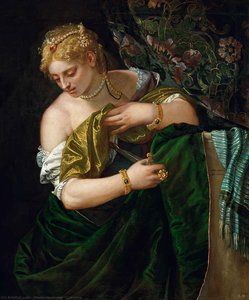
- Lucrezia: Una impresionante obra maestra del Renacimiento con detalles opulentos y colores ricos.
- Honra (1557): Una obra maestra barroca que presenta tonos cálidos, luz dramática y detalles intrincados.
- Respeto (1575): Una impresionante obra maestra barroca rica en intensidad emocional, realismo y luz dramática.
Influencia cultural e impacto
La influencia de Veronese se puede ver en varios aspectos de la cultura italiana, desde los westerns espagueti hasta la rica tradición del drama y la commedia. Su trabajo continúa inspirando a artistas, incluyendo aquellos que aparecen en ArtsDot, una plataforma que muestra una amplia gama de talento artístico.- Explore más obras de Veronese y la escena artística veneciana en ArtsDot.
- Descubra el patrimonio cultural de Italia, desde sus civilizaciones antiguas hasta su impacto moderno, en Wikipedia.
- 1528: Nació en Verona, Italia
- 1541-1544: Aprendizaje con Antonio Badile y Giovanni Francesco Caroto
- 1563: Finalización de La boda de Cana
- 1573: Finalización del banquete en casa de Levi
- 1588: Falleció, dejando atrás un legado en la pintura veneciana
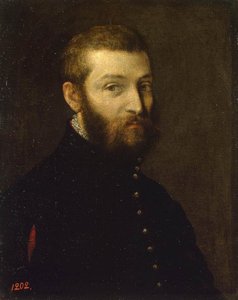
Paolo Veronese
1528 - 1588 , Italia
Datos clave
- Artistas Que Influyeron: ['Tiziano']
- Estilo Artístico: Naturalista, Veneciano
- Fecha De Nacimiento: 1528
- Influencia En Artistas: ['Artistas de WahooArt']
- Lugar De Nacimiento: Verona, Italia
- Nacionalidad: Italiana
- Nombre Completo: Paolo Veronese
- Nombres Alternativos: Paolo Caliari
- Obras Notables:
- La Boda de Caná (1563)
- El Banquete en la casa de Levi (1573)
Artículos relacionados
Paolo Veronese: A Renaissance Master of Color, Composition, and Venetian Splendor
Explore the vibrant world of Paolo Veronese, a Renaissance master renowned for his opulent compositions, masterful use of color, and dramatic Venetian scenes. Discover key artworks & legacy.

Jacopo Tintoretto: Las 25 Obras Maestras del Genio Veneciano | Arte y Decoración en ArtsDot
Descubre las 25 obras maestras de Jacopo Tintoretto, el genio veneciano del Renacimiento. Explora su arte dramático, composiciones innovadoras y paleta vibrante. Reproducciones de alta calidad en ArtsDot.com para transformar tu hogar.

The Dramatic Flourish: Exploring the Baroque Movement's Enduring Legacy in Art History
Explore the dramatic world of Baroque art! Discover iconic artists like Caravaggio & Rubens, defining techniques, and its lasting impact on art history. Expert insights for collectors & enthusiasts at ArtsDot.

Drama Barroca: Llevando la Grandeza y la Emoción a los Interiores Contemporáneos
Descubre cómo el drama y la grandeza del arte barroco pueden transformar tus interiores. Guía experta, inspiración y reproducciones de alta calidad en .

Barroco Sublime: 10 Obras Maestras que Definieron una Época |
Descubre las 10 obras maestras del Barroco que marcaron una época. Caravaggio, Bernini y Velázquez cobran vida en . Reproducciones de arte de calidad museo para decorar tu hogar con elegancia. ¡Explora la colección online!