 Ver en contexto
 Enviar
 Compartir
 Detalles

 Descargar
 Similares
 Radiografía
 Presentación de diapositivas
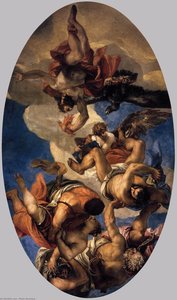
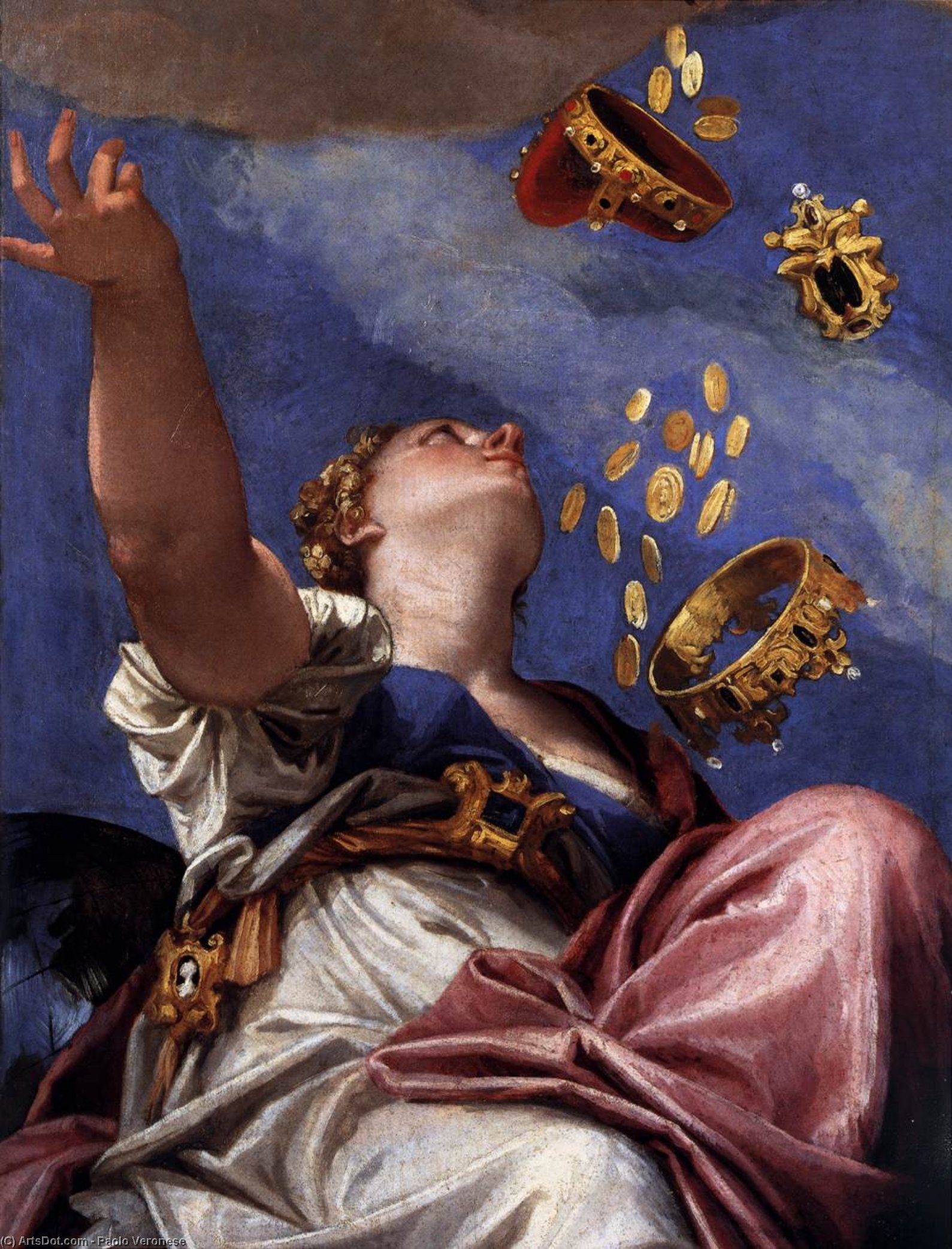
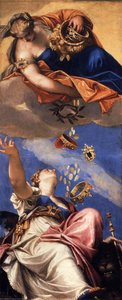
Juno Showering Gifts on Venetia (detail)


 Ver más
Giclée / Impresión de arte
Impresiones giclée o en lienzo de calidad de museo con producción rápida y opciones de acabado flexibles. ( Comprar pintura hecha a mano Comprar imagen)




P118B $10

P118H $10

P118W $10

P438Z $10

P508JH $12

P508YH $12

P805H $10

P805Z $10

P919BZ $10

P919G $10

P919XJ $10

P959ZH $10

P968JZ $12

W106C $8

W218G $10

W218JH $8

W218Y $10

W307PJ $10

W316G $10

W316PJ $8

W316Y $10

W398PJ $8

W4111J $10

W500HY $15

W500JH $15

W692G $12

W849H $8

W940BG $15

W953PJ $8




Elija entre nuestros tamaños predefinidos que respetan las proporciones originales de la obra.

Puede introducir sus propias dimensiones para adaptarse a un marco o espacio específico. Si el tamaño seleccionado no coincide con las proporciones de la imagen original, recortaremos la obra de arte o extenderemos la imagen con un borde con efecto espejo o de color sólido. Se enviará una maqueta digital para su aprobación antes de que comience la producción.
Tenga en cuenta que la vista previa en pantalla no refleja el recorte o la extensión real. Solo la maqueta mostrará con precisión la composición final.
Aunque existen tamaños personalizados, recomendamos seleccionar una dimensión de la lista predefinida para preservar las proporciones originales.
Envío a todo el mundo () en 2 semanas en lugar de las 4/5 semanas estándar. (27 agosto)

Envío exprés gratuito a todo el mundo

Lienzo de lino de alta calidad

Seguro de envío total

Garantía de reembolso de impuestos aduaneros

Garantía de fidelidad cromática exacta

Política de devolución de 60 días (solo por defectos)

Garantía de devolución del 100% del dinero

Descuento por cantidad
 La opción de vidrio solo está disponible en tamaños inferiores a 110 cm.

Juno Showering Gifts on Venetia (detail)
Giclée / Impresión de arte
Dimensiones de la reproducción
-


Precio total final
$ 62
A Cascade of Fortune: Unveiling Veronese’s “Juno Showering Gifts on Venetia”
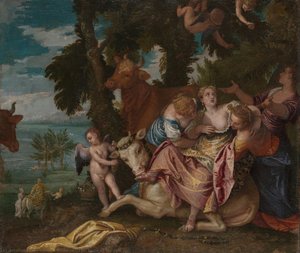
Paolo Veronese's "Juno Showering Gifts on Venetia" isn't merely a painting; it’s an immersive theatrical experience, a vibrant testament to the opulence and political maneuvering of 16th-century Venice. Completed between 1554 and 1556 for the Sala del Consiglio dei Dieci – the Council Room of Ten – within the Doge's Palace, this monumental ceiling fresco transports viewers into a world where divine favor intersects with earthly power. The scene depicts Juno, queen of the gods and protector of marriage and childbirth, showering Venice with an extravagant bounty of gold coins, jewels, and symbolic gifts, all while subtly celebrating the authority of the Venetian Republic.
Veronese’s mastery lies not just in his technical skill – though it is undeniably breathtaking – but in his ability to create a believable illusion of depth and grandeur. The composition is meticulously structured, drawing the eye from the central figure of Juno, adorned with a magnificent crown and draped in rich fabrics, towards the periphery where Venetian dignitaries receive the gifts. The use of *chiaroscuro*—the dramatic interplay of light and shadow—is particularly effective, highlighting key figures and creating a sense of movement within the densely populated scene. The sheer scale of the work – measuring 365 by 147 centimeters – further amplifies its impact, enveloping the viewer in a world of lavish detail.
The Language of Symbols: Decoding the Fresco’s Richness
Every element within “Juno Showering Gifts on Venetia” is laden with symbolic meaning. The cascade of gold coins represents not just wealth but also prosperity and divine favor bestowed upon Venice. The jewels, including pearls and diamonds, symbolize virtue and nobility. The olive wreath, offered to the Doge, signifies peace and stability – crucial commodities for a maritime republic constantly navigating political rivalries. Even the figures themselves are carefully chosen to represent key Venetian families and institutions, subtly reinforcing their power and influence.
Notably, the painting’s central theme is intertwined with the concept of *fortuna*—fate or luck—a recurring motif in Venetian art. Juno's actions are interpreted as a demonstration of fortune’s capricious nature: she bestows gifts, but also hints at potential challenges and uncertainties. The inclusion of the Doge’s hat amongst the falling coins underscores this duality – wealth and power are both blessings and burdens.
A Masterclass in Venetian Mannerism
Veronese's style exemplifies the peak of Venetian Mannerism, a movement characterized by its emphasis on elegance, artificiality, and dramatic color. He departs from the strict realism of earlier Renaissance painters, favoring instead an idealized representation of beauty and grandeur. The figures are elongated and graceful, their poses theatrical and dynamic. His palette is extraordinarily rich and vibrant, employing a dazzling array of colors—deep reds, blues, golds, and greens—to create a sense of opulence and spectacle.
The influence of Titian is readily apparent in Veronese’s use of color and his ability to capture the shimmering effects of light. However, Veronese distinguishes himself through his meticulous attention to detail, his masterful composition, and his willingness to embrace an almost theatrical style. He wasn't simply painting a scene; he was constructing a visual narrative—a celebration of Venice’s power, prosperity, and its place within the grand tapestry of European history.
Bringing Veronese Home: Reproductions and Artistic Inspiration
Reproductions of “Juno Showering Gifts on Venetia” offer a remarkable opportunity to experience the grandeur and artistry of this iconic masterpiece. Whether adorning a formal dining room or injecting vibrancy into a contemporary space, these high-quality prints capture the essence of Veronese’s vision. Consider how the painting's rich color palette and dynamic composition can be translated into interior design schemes—pairing bold hues with luxurious textures to create an atmosphere of sophistication and intrigue.
Obras relacionadas
Biografía del artista
Primeros años y formación
Paolo Caliari, conocido como Paolo Veronese, nació en 1528 en Verona, Italia. Era el quinto hijo de un cantero, Gabriele, y su esposa Caterina. La vida temprana de Veronese se caracterizó por su aprendizaje con Antonio Badile y posteriormente con Giovanni Francesco Caroto, ambos pintores líderes en Verona.Estilo artístico e influencias
Veronese desarrolló un estilo pictórico naturalista, influenciado por Tiziano, y es conocido por su uso de colores vibrantes. Su obra se caracteriza por su estilo dramático y colorido, a menudo presentando majestuosas ambientaciones arquitectónicas y pagantry. Las grandes pinturas de Veronese de banquetes bíblicos, llenas de figuras, son especialmente famosas, y también fue el principal pintor veneciano de techos.Obras destacadas y legado
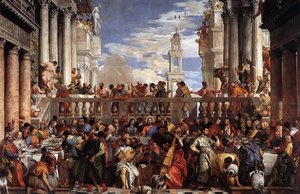
Algunas de las obras más notables de Veronese incluyen:- La boda de Cana (1563), una pintura a gran escala que muestra su uso del color y la composición.
- El banquete en casa de Levi (1573), una obra maestra que demuestra su capacidad para equilibrar el drama y la elegancia.
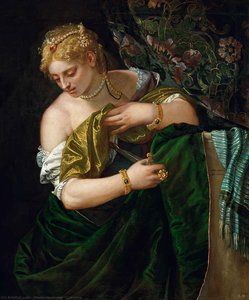
- Lucrezia: Una impresionante obra maestra del Renacimiento con detalles opulentos y colores ricos.
- Honra (1557): Una obra maestra barroca que presenta tonos cálidos, luz dramática y detalles intrincados.
- Respeto (1575): Una impresionante obra maestra barroca rica en intensidad emocional, realismo y luz dramática.
Influencia cultural e impacto
La influencia de Veronese se puede ver en varios aspectos de la cultura italiana, desde los westerns espagueti hasta la rica tradición del drama y la commedia. Su trabajo continúa inspirando a artistas, incluyendo aquellos que aparecen en ArtsDot, una plataforma que muestra una amplia gama de talento artístico.- Explore más obras de Veronese y la escena artística veneciana en ArtsDot.
- Descubra el patrimonio cultural de Italia, desde sus civilizaciones antiguas hasta su impacto moderno, en Wikipedia.
- 1528: Nació en Verona, Italia
- 1541-1544: Aprendizaje con Antonio Badile y Giovanni Francesco Caroto
- 1563: Finalización de La boda de Cana
- 1573: Finalización del banquete en casa de Levi
- 1588: Falleció, dejando atrás un legado en la pintura veneciana
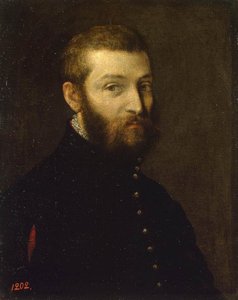
Paolo Veronese
1528 - 1588 , Italia
Datos clave
- Artistas Que Influyeron: ['Tiziano']
- Estilo Artístico: Naturalista, Veneciano
- Fecha De Nacimiento: 1528
- Influencia En Artistas: ['Artistas de WahooArt']
- Lugar De Nacimiento: Verona, Italia
- Nacionalidad: Italiana
- Nombre Completo: Paolo Veronese
- Nombres Alternativos: Paolo Caliari
- Obras Notables:
- La Boda de Caná (1563)
- El Banquete en la casa de Levi (1573)
Artículos relacionados
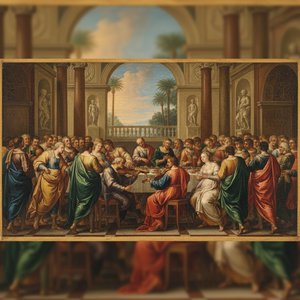
Paolo Veronese: A Renaissance Master of Color, Composition, and Venetian Splendor
Explore the vibrant world of Paolo Veronese, a Renaissance master renowned for his opulent compositions, masterful use of color, and dramatic Venetian scenes. Discover key artworks & legacy.
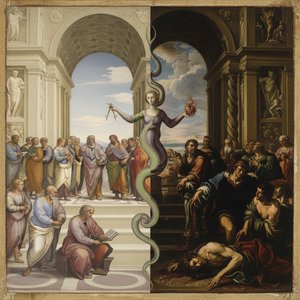
El Crepúsculo del Clasicismo Renacentista: Un Estudio del Estilo y la Afectación en el Manierismo
Descubre el Manierismo: un análisis profundo de este fascinante estilo artístico del Renacimiento tardío. Explora sus características, artistas clave y legado con ArtsDot.
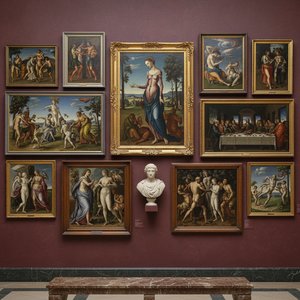
Mannerismo: 10 Obras Maestras que Definieron un Estilo Revolucionario | ArtsDot.com
Descubre las 10 obras maestras del Mannerismo: Pontormo, El Greco y más. Explora la elegancia renacentista, figuras alargadas y paletas vibrantes de este movimiento artístico único. Reproducciones de arte exclusivas en ArtsDot.com.
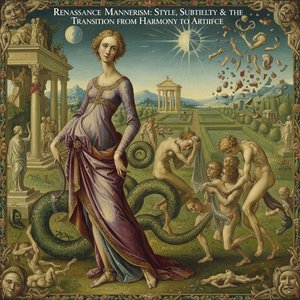
Renaissance Mannerism: Style, Subtlety & the Transition from Harmony to Artifice
Explore the captivating world of Renaissance Mannerism! Discover its key characteristics, pioneering artists like Pontormo & Bronzino, and its pivotal role in art history. Expert insights & museum-quality reproductions at ArtsDot.
Paolo Uccello: Pioneering Perspective & the Renaissance Pursuit of Visual Truth
Explore the revolutionary art of Paolo Uccello, a Florentine Renaissance master who pioneered perspective. Discover his iconic paintings like 'St. George & The Dragon' and learn about his lasting influence on art history.