 Ver en contexto
 Enviar
 Compartir
 Detalles

 Descargar
 Similares
 Radiografía
 Presentación de diapositivas
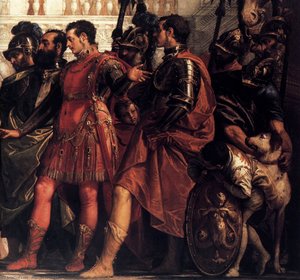
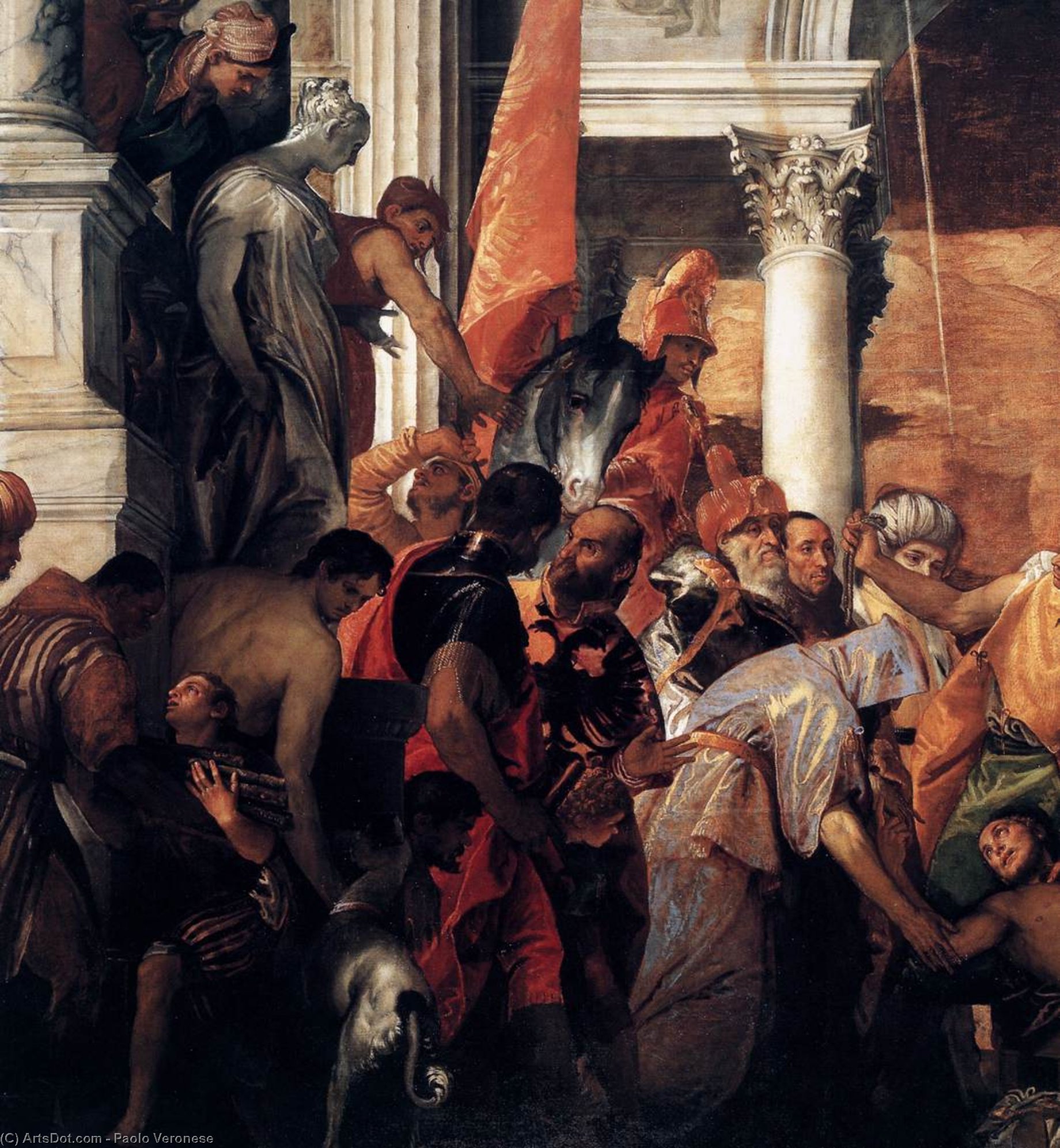
Martyrdom of St Sebastian (detail)


 Ver más
Giclée / Impresión de arte
Impresiones giclée o en lienzo de calidad de museo con producción rápida y opciones de acabado flexibles. ( Comprar pintura hecha a mano Comprar imagen)




P118B $10

P118H $10

P118W $10

P438Z $10

P508JH $12

P508YH $12

P805H $10

P805Z $10

P919BZ $10

P919G $10

P919XJ $10

P959ZH $10

P968JZ $12

W106C $8

W218G $10

W218JH $8

W218Y $10

W307PJ $10

W316G $10

W316PJ $8

W316Y $10

W398PJ $8

W4111J $10

W500HY $15

W500JH $15

W692G $12

W849H $8

W940BG $15

W953PJ $8




Elija entre nuestros tamaños predefinidos que respetan las proporciones originales de la obra.

Puede introducir sus propias dimensiones para adaptarse a un marco o espacio específico. Si el tamaño seleccionado no coincide con las proporciones de la imagen original, recortaremos la obra de arte o extenderemos la imagen con un borde con efecto espejo o de color sólido. Se enviará una maqueta digital para su aprobación antes de que comience la producción.
Tenga en cuenta que la vista previa en pantalla no refleja el recorte o la extensión real. Solo la maqueta mostrará con precisión la composición final.
Aunque existen tamaños personalizados, recomendamos seleccionar una dimensión de la lista predefinida para preservar las proporciones originales.
Envío a todo el mundo () en 2 semanas en lugar de las 4/5 semanas estándar. (3 septiembre)

Envío exprés gratuito a todo el mundo

Lienzo de lino de alta calidad

Seguro de envío total

Garantía de reembolso de impuestos aduaneros

Garantía de fidelidad cromática exacta

Política de devolución de 60 días (solo por defectos)

Garantía de devolución del 100% del dinero

Descuento por cantidad
 La opción de vidrio solo está disponible en tamaños inferiores a 110 cm.

Martyrdom of St Sebastian (detail)
Giclée / Impresión de arte
Dimensiones de la reproducción
-


Precio total final
$ 62
The Spectacle of Faith: Capturing Baroque Drama
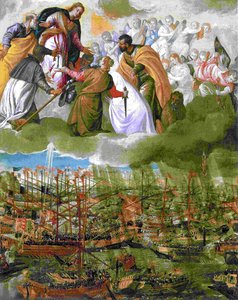
To stand before this depiction of the Martyrdom of St Sebastian is to be swept away by a tide of vibrant color and human drama. It is not merely a scene recorded in paint; it is an immersion into the very heart of High Renaissance spectacle, filtered through the exuberant lens of the Venetian Baroque. The composition itself thrums with kinetic energy. One feels the press of bodies, the urgency of the moment, and the sheer overwhelming presence of belief confronting earthly suffering. Paolo Veronese, a master whose hand seemed to breathe life into pigment, has orchestrated a chaos that somehow resolves into breathtaking harmony. The viewer is drawn deep into the throng, caught between the central narrative action and the peripheral details that build up the grand tapestry of devotion.
A Masterclass in Venetian Color and Light
Veronese’s signature brilliance shines through in the handling of color. The palette here is a glorious outpouring of warm tones—deep reds suggesting sacrifice, rich oranges evoking divine fervor, and earthy browns grounding the monumental action. This masterful use of chroma recalls the luminous depth achieved by his Venetian contemporaries, yet it possesses its own unique, almost celebratory opulence. Observe how the light does not simply illuminate; it dramatizes. It strikes key figures with a theatrical brilliance, carving them out from the surrounding activity while allowing shadows to pool in rich, velvety depths. The technique employed suggests an expert handling of oil on canvas, where visible brushstrokes—the very texture of the paint—add a palpable, almost tactile richness to every fold of drapery and every outstretched hand.
Symbolism Woven into the Grand Design
The narrative weight of martyrdom is amplified by the surrounding symbolic elements. From the fluttering flags that catch an unseen breeze to the architectural grandeur suggested by columns and arches, every object contributes to a larger theological statement. St Sebastian himself, though central to the title, exists within a complex ecosystem of supporting figures—witnesses, onlookers, and attendants whose very presence underscores the importance of his sacrifice. The abundance of human interaction transforms what might be a singular moment into a universal allegory about endurance, faith, and the enduring spectacle of human conviction.
Echoing Opulence for Your Space
For those who seek to bring the grandeur of historical masterworks into contemporary living spaces, this piece offers unparalleled drama. Its Baroque energy is infectious, capable of transforming a room from merely decorated to utterly magnificent. The combination of dynamic movement and rich, saturated color means it functions not just as art, but as an emotional centerpiece. Reproducing such a work allows one to partake in the historical dialogue between artist and patron, bringing home a piece that speaks volumes about passion, spectacle, and the enduring power of human story.
Obras relacionadas
Biografía del artista
Primeros años y formación
Paolo Caliari, conocido como Paolo Veronese, nació en 1528 en Verona, Italia. Era el quinto hijo de un cantero, Gabriele, y su esposa Caterina. La vida temprana de Veronese se caracterizó por su aprendizaje con Antonio Badile y posteriormente con Giovanni Francesco Caroto, ambos pintores líderes en Verona.Estilo artístico e influencias
Veronese desarrolló un estilo pictórico naturalista, influenciado por Tiziano, y es conocido por su uso de colores vibrantes. Su obra se caracteriza por su estilo dramático y colorido, a menudo presentando majestuosas ambientaciones arquitectónicas y pagantry. Las grandes pinturas de Veronese de banquetes bíblicos, llenas de figuras, son especialmente famosas, y también fue el principal pintor veneciano de techos.Obras destacadas y legado
Algunas de las obras más notables de Veronese incluyen:- La boda de Cana (1563), una pintura a gran escala que muestra su uso del color y la composición.
- El banquete en casa de Levi (1573), una obra maestra que demuestra su capacidad para equilibrar el drama y la elegancia.
- Lucrezia: Una impresionante obra maestra del Renacimiento con detalles opulentos y colores ricos.
- Honra (1557): Una obra maestra barroca que presenta tonos cálidos, luz dramática y detalles intrincados.
- Respeto (1575): Una impresionante obra maestra barroca rica en intensidad emocional, realismo y luz dramática.
Influencia cultural e impacto
La influencia de Veronese se puede ver en varios aspectos de la cultura italiana, desde los westerns espagueti hasta la rica tradición del drama y la commedia. Su trabajo continúa inspirando a artistas, incluyendo aquellos que aparecen en ArtsDot, una plataforma que muestra una amplia gama de talento artístico.- Explore más obras de Veronese y la escena artística veneciana en ArtsDot.
- Descubra el patrimonio cultural de Italia, desde sus civilizaciones antiguas hasta su impacto moderno, en Wikipedia.
- 1528: Nació en Verona, Italia
- 1541-1544: Aprendizaje con Antonio Badile y Giovanni Francesco Caroto
- 1563: Finalización de La boda de Cana
- 1573: Finalización del banquete en casa de Levi
- 1588: Falleció, dejando atrás un legado en la pintura veneciana
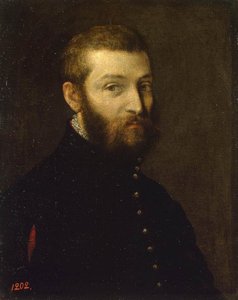
Paolo Veronese
1528 - 1588 , Italia
Datos clave
- Artistas Que Influyeron: ['Tiziano']
- Estilo Artístico: Naturalista, Veneciano
- Fecha De Nacimiento: 1528
- Influencia En Artistas: ['Artistas de WahooArt']
- Lugar De Nacimiento: Verona, Italia
- Nacionalidad: Italiana
- Nombre Completo: Paolo Veronese
- Nombres Alternativos: Paolo Caliari
- Obras Notables:
- La Boda de Caná (1563)
- El Banquete en la casa de Levi (1573)
Artículos relacionados
Paolo Veronese: A Renaissance Master of Color, Composition, and Venetian Splendor
Explore the vibrant world of Paolo Veronese, a Renaissance master renowned for his opulent compositions, masterful use of color, and dramatic Venetian scenes. Discover key artworks & legacy.

Jacopo Tintoretto: Las 25 Obras Maestras del Genio Veneciano | Arte y Decoración en ArtsDot
Descubre las 25 obras maestras de Jacopo Tintoretto, el genio veneciano del Renacimiento. Explora su arte dramático, composiciones innovadoras y paleta vibrante. Reproducciones de alta calidad en ArtsDot.com para transformar tu hogar.

The Dramatic Flourish: Exploring the Baroque Movement's Enduring Legacy in Art History
Explore the dramatic world of Baroque art! Discover iconic artists like Caravaggio & Rubens, defining techniques, and its lasting impact on art history. Expert insights for collectors & enthusiasts at ArtsDot.

El Greco: Las 25 Obras Maestras que Definen un Genio del Arte y la Fe
Descubre las 25 obras maestras de El Greco, el genio del Renacimiento español. Explora su arte religioso, manierismo y la historia detrás de cuadros icónicos como 'El Entierro del Conde de Orgaz'. Encuentra reproducciones de alta calidad en ArtsDot.com.
The Dramatic Flourish: Exploring Themes of Power, Faith & Emotion in Baroque Artworks
Explore the dramatic world of Baroque art! Discover masters like Zurbarán & the powerful influence of religious zeal on painting techniques. Expert insights for collectors and enthusiasts.