 Ver en contexto
 Enviar
 Compartir
 Detalles

 Descargar
 Similares
 Radiografía
 Presentación de diapositivas
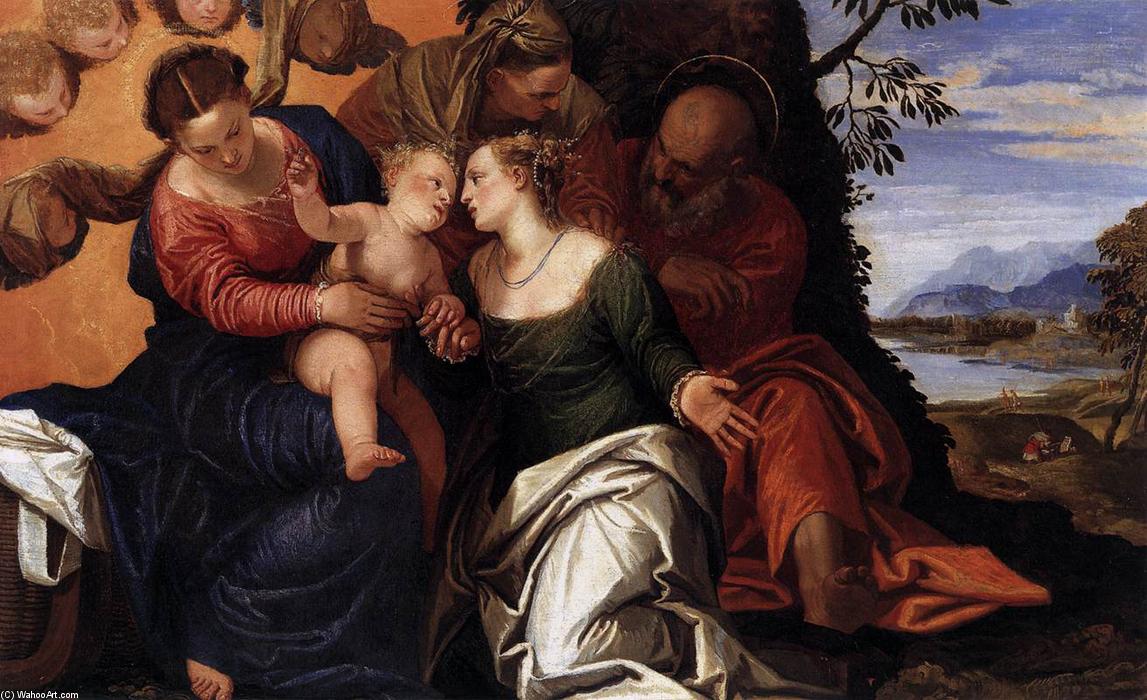
Mystic Marriage of St Catherine
 Oil On Canvas
- WallArt
- Mannerism
 1547
1547 58.0 x 91.0 cm
 Yale University Art Gallery
 Ver más
Reproducción al óleo hecha a mano
Óleo sobre lienzo pintado a mano en el tamaño y marco de su elección, realizado por encargo por nuestros artistas. ( Comprar impresión Comprar imagen)




P118B $10

P118H $10

P118W $10

P438Z $10

P508JH $12

P508YH $12

P805H $10

P805Z $10

P919BZ $10

P919G $10

P919XJ $10

P959ZH $10

P968JZ $12

W106C $8

W218G $10

W218JH $8

W218Y $10

W307PJ $10

W316G $10

W316PJ $8

W316Y $10

W398PJ $8

W4111J $10

W500HY $15

W500JH $15

W692G $12

W849H $8

W940BG $15

W953PJ $8




Elija entre nuestros tamaños predefinidos que respetan las proporciones originales de la obra.

Puede ingresar sus propias dimensiones para adaptarse a un marco o espacio específico. Si el tamaño seleccionado no coincide con las proporciones de la imagen original, recortaremos la obra o extenderemos la pintura con elementos adicionales pintados a mano. Se le enviará una maqueta digital para su aprobación antes de comenzar la producción.
Tenga en cuenta que la vista previa en pantalla no refleja el recorte o la extensión reales. Solo la maqueta mostrará con precisión la composición final.
Si bien existen tamaños personalizados, recomendamos seleccionar una dimensión de la lista predefinida para preservar las proporciones originales.
Tras realizar el pedido, el equipo de ArtsDot.com enviará un correo electrónico al cliente para solicitar instrucciones y proporcionarle una vista previa del boceto.
Envío a todo el mundo () en 3-4 semanas en lugar de las 5 semanas estándar. (30 agosto). Sin comprometer la calidad.

Envío exprés gratuito a todo el mundo

Lienzo de lino de alta calidad

Seguro de envío total

Garantía de reembolso de impuestos aduaneros

Garantía de fidelidad cromática exacta

Política de devolución de 60 días (solo por defectos)

Garantía de devolución del 100% del dinero

Descuento por cantidad
 La opción de vidrio solo está disponible en tamaños inferiores a 110 cm.

Mystic Marriage of St Catherine
Técnica de reproducción
Dimensiones de la reproducción
-


Precio total final
$ 263
The Vision of Paolo Veronese: Unveiling the Wedding at Cana
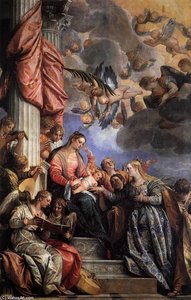
Paolo Veronese’s “Mystic Marriage of St. Catherine,” painted in 1547, isn't merely a religious depiction; it’s an immersive theatrical experience rendered in oil on canvas. This monumental work, now residing within the Yale University Art Gallery, transports the viewer to a vibrant, almost overwhelmingly opulent, Italian garden – a testament to Veronese’s mastery of color and his profound understanding of Venetian spectacle. The painting captures a pivotal moment from Christian lore: the mystical marriage of St. Catherine to Christ, an event imbued with both spiritual significance and breathtaking visual grandeur. More than just a historical narrative, it's a carefully constructed allegory, inviting contemplation on themes of divine grace, earthly beauty, and the intersection of faith and human experience.

The scene unfolds with a remarkable dynamism, orchestrated by Veronese’s signature compositional techniques. The central figures – St. Catherine and Christ – are positioned in close embrace, their hands clasped in a gesture of profound intimacy. Surrounding them is a throng of angels, saints, and onlookers, all rendered with an astonishing level of detail and individual characterization. Notice the subtle variations in clothing, hairstyles, and facial expressions; Veronese doesn’t simply depict figures but creates a believable, bustling community within this sacred space. The use of perspective—particularly in the background landscape—is masterful, drawing the eye into the depth of the scene and enhancing its sense of realism.
A Venetian Visionary: Paolo Veronese's Artistic Legacy
Born in Verona in 1528, Paolo Caliari – known to the world as Paolo Veronese – emerged from the vibrant artistic landscape of 16th-century Venice. His early training under Antonio Badile and Giovanni Francesco Caroto laid a foundation in traditional techniques, but it was his move to Venice that ignited his artistic genius. The city itself became his muse, its bustling marketplaces, grand palazzi, and shimmering waterways informing the scale and drama of his work. Veronese’s style is instantly recognizable: a dazzling blend of realism and idealism, characterized by an unparalleled command of color, a dramatic use of light and shadow, and an almost theatrical flair. He was a key figure in the Venetian Renaissance, alongside Titian and Tintoretto, each contributing to the city's reputation as a center for artistic innovation.
Veronese’s influence extended far beyond his own time. His work served as inspiration for generations of artists, including Rubens, Watteau, and Delacroix. His ability to create large-scale narrative paintings—often filled with intricate details and vibrant color palettes—established a new standard for the genre. The “Mystic Marriage” exemplifies this legacy, showcasing Veronese’s exceptional skill in capturing both the spiritual essence of the subject matter and the sensory richness of the Venetian world.
Symbolism and Spiritual Depth
Beyond its visual splendor, "The Mystic Marriage" is rich in symbolic meaning. The garden setting represents paradise, a realm of divine beauty and tranquility. St. Catherine’s wedding to Christ symbolizes the union of humanity and divinity—a central tenet of Christian theology. The presence of various saints and angels underscores the universality of this spiritual event. Notice the subtle details: the broken wheel and sword at St. Catherine's feet, emblems of her martyrdom; the lilies, representing purity and innocence; and the radiant light emanating from Christ’s figure—all contributing to the painting’s layered meaning.
The inclusion of a donor figure – likely a member of the Venetian elite – highlights the importance of patronage in Renaissance art. Veronese skillfully integrates this element into the composition without disrupting its overall harmony, demonstrating his mastery of compositional balance and visual storytelling. The painting is not simply a depiction of a biblical event; it’s an invitation to contemplate the mysteries of faith and the enduring power of human creativity.
A Timeless Masterpiece: Reproduction and Appreciation
Reproductions of “The Mystic Marriage” capture only a fraction of the original's brilliance. The sheer scale, the intricate details, and the vibrant colors are difficult to fully replicate. However, high-quality reproductions offer an accessible way to appreciate Veronese’s genius and immerse oneself in the painting’s captivating world. Whether displayed as a centerpiece in a grand salon or incorporated into a smaller interior space, this masterpiece continues to inspire awe and admiration centuries after its creation.
Obras relacionadas
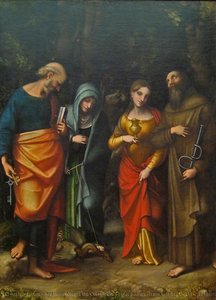
Biografía del artista
Primeros años y formación
Paolo Caliari, conocido como Paolo Veronese, nació en 1528 en Verona, Italia. Era el quinto hijo de un cantero, Gabriele, y su esposa Caterina. La vida temprana de Veronese se caracterizó por su aprendizaje con Antonio Badile y posteriormente con Giovanni Francesco Caroto, ambos pintores líderes en Verona.Estilo artístico e influencias
Veronese desarrolló un estilo pictórico naturalista, influenciado por Tiziano, y es conocido por su uso de colores vibrantes. Su obra se caracteriza por su estilo dramático y colorido, a menudo presentando majestuosas ambientaciones arquitectónicas y pagantry. Las grandes pinturas de Veronese de banquetes bíblicos, llenas de figuras, son especialmente famosas, y también fue el principal pintor veneciano de techos.Obras destacadas y legado
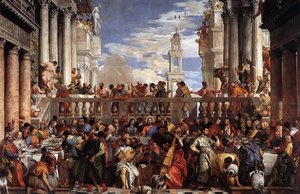
Algunas de las obras más notables de Veronese incluyen:- La boda de Cana (1563), una pintura a gran escala que muestra su uso del color y la composición.
- El banquete en casa de Levi (1573), una obra maestra que demuestra su capacidad para equilibrar el drama y la elegancia.
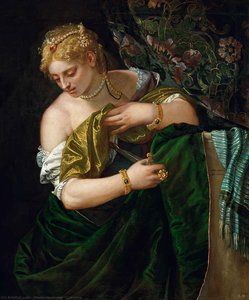
- Lucrezia: Una impresionante obra maestra del Renacimiento con detalles opulentos y colores ricos.
- Honra (1557): Una obra maestra barroca que presenta tonos cálidos, luz dramática y detalles intrincados.
- Respeto (1575): Una impresionante obra maestra barroca rica en intensidad emocional, realismo y luz dramática.
Influencia cultural e impacto
La influencia de Veronese se puede ver en varios aspectos de la cultura italiana, desde los westerns espagueti hasta la rica tradición del drama y la commedia. Su trabajo continúa inspirando a artistas, incluyendo aquellos que aparecen en ArtsDot, una plataforma que muestra una amplia gama de talento artístico.- Explore más obras de Veronese y la escena artística veneciana en ArtsDot.
- Descubra el patrimonio cultural de Italia, desde sus civilizaciones antiguas hasta su impacto moderno, en Wikipedia.
- 1528: Nació en Verona, Italia
- 1541-1544: Aprendizaje con Antonio Badile y Giovanni Francesco Caroto
- 1563: Finalización de La boda de Cana
- 1573: Finalización del banquete en casa de Levi
- 1588: Falleció, dejando atrás un legado en la pintura veneciana
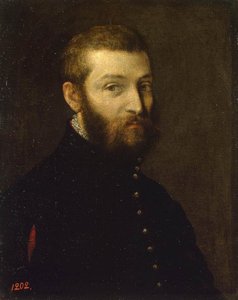
Paolo Veronese
1528 - 1588 , Italia
Datos clave
- Artistas Que Influyeron: ['Tiziano']
- Estilo Artístico: Naturalista, Veneciano
- Fecha De Nacimiento: 1528
- Influencia En Artistas: ['Artistas de WahooArt']
- Lugar De Nacimiento: Verona, Italia
- Nacionalidad: Italiana
- Nombre Completo: Paolo Veronese
- Nombres Alternativos: Paolo Caliari
- Obras Notables:
- La Boda de Caná (1563)
- El Banquete en la casa de Levi (1573)
Artículos relacionados

El Greco: Las 25 Obras Maestras que Definen un Genio del Arte y la Fe
Descubre las 25 obras maestras de El Greco, el genio del Renacimiento español. Explora su arte religioso, manierismo y la historia detrás de cuadros icónicos como 'El Entierro del Conde de Orgaz'. Encuentra reproducciones de alta calidad en ArtsDot.com.
Paolo Veronese: A Renaissance Master of Color, Composition, and Venetian Splendor
Explore the vibrant world of Paolo Veronese, a Renaissance master renowned for his opulent compositions, masterful use of color, and dramatic Venetian scenes. Discover key artworks & legacy.

Giotto di Bondone: Las 25 Obras Maestras que Definieron el Renacimiento | ArtsDot
Descubre las 25 obras maestras de Giotto di Bondone, el pionero del Renacimiento. Explora la historia, técnica y simbolismo de sus frescos italianos más icónicos. Encuentra reproducciones de arte exclusivas para decorar tu hogar en ArtsDot.com.
Sacred Narratives Embodied: A Comprehensive Exploration of Religious Iconography in Art History
Explore the rich history of religious iconography in art! Discover symbolism, movements & masterpieces from Byzantine to Renaissance periods. Expert insights for collectors and enthusiasts at ArtsDot.
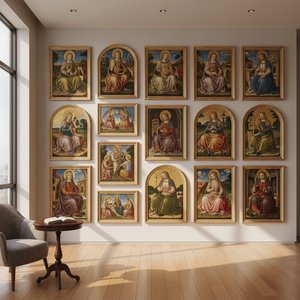
Fra Angelico: Las 25 Obras Maestras del Renacimiento para Decorar con Arte y Fe
Descubre las 25 obras maestras de Fra Angelico, el pintor renacentista que llenó el arte sacro de luz y fe. Explora su técnica, simbolismo y belleza en frescos e iconos. Encuentra reproducciones de alta calidad para decorar tu hogar con ArtsDot.com.