 Ver en contexto
 Enviar
 Compartir
 Detalles

 Descargar
 Similares
 Radiografía
 Presentación de diapositivas
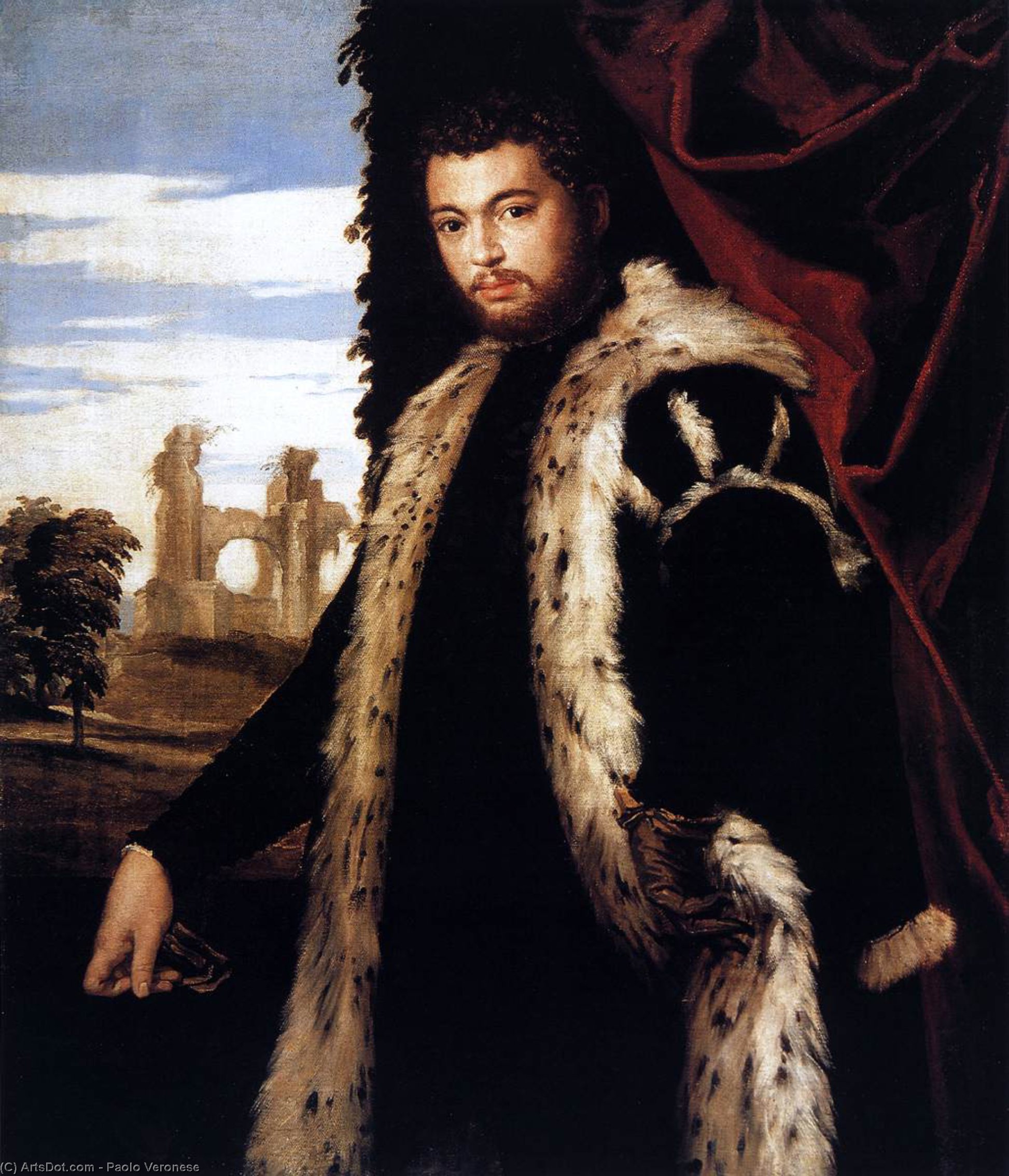
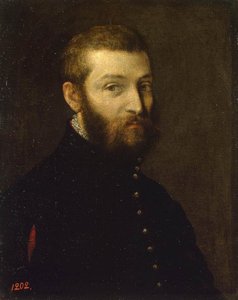
Portrait of a Young Man Wearing Lynx Fur
 Acrylic
- WallArt
- Mannerism (Late Renaissance)
 1551
1551 120.0 x 102.0 cm
 Museo de las Artes de Budapest
 Ver más
Reproducción al óleo hecha a mano
Óleo sobre lienzo pintado a mano en el tamaño y marco de su elección, realizado por encargo por nuestros artistas. ( Comprar impresión Comprar imagen)




P118B $10

P118H $10

P118W $10

P438Z $10

P508JH $12

P508YH $12

P805H $10

P805Z $10

P919BZ $10

P919G $10

P919XJ $10

P959ZH $10

P968JZ $12

W106C $8

W218G $10

W218JH $8

W218Y $10

W307PJ $10

W316G $10

W316PJ $8

W316Y $10

W398PJ $8

W4111J $10

W500HY $15

W500JH $15

W692G $12

W849H $8

W940BG $15

W953PJ $8




Elija entre nuestros tamaños predefinidos que respetan las proporciones originales de la obra.

Puede ingresar sus propias dimensiones para adaptarse a un marco o espacio específico. Si el tamaño seleccionado no coincide con las proporciones de la imagen original, recortaremos la obra o extenderemos la pintura con elementos adicionales pintados a mano. Se le enviará una maqueta digital para su aprobación antes de comenzar la producción.
Tenga en cuenta que la vista previa en pantalla no refleja el recorte o la extensión reales. Solo la maqueta mostrará con precisión la composición final.
Si bien existen tamaños personalizados, recomendamos seleccionar una dimensión de la lista predefinida para preservar las proporciones originales.
Tras realizar el pedido, el equipo de ArtsDot.com enviará un correo electrónico al cliente para solicitar instrucciones y proporcionarle una vista previa del boceto.
Envío a todo el mundo () en 3-4 semanas en lugar de las 5 semanas estándar. (30 agosto). Sin comprometer la calidad.

Envío exprés gratuito a todo el mundo

Lienzo de lino de alta calidad

Seguro de envío total

Garantía de reembolso de impuestos aduaneros

Garantía de fidelidad cromática exacta

Política de devolución de 60 días (solo por defectos)

Garantía de devolución del 100% del dinero

Descuento por cantidad
 La opción de vidrio solo está disponible en tamaños inferiores a 110 cm.

Portrait of a Young Man Wearing Lynx Fur
Técnica de reproducción
Dimensiones de la reproducción
-


Precio total final
$ 263
A Portrait of Venetian Opulence: Veronese's 'Portrait of a Young Man Wearing Lynx Fur'
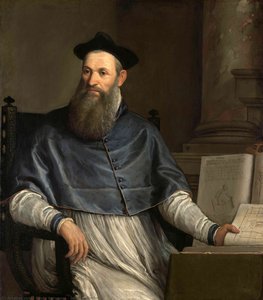
Paolo Veronese’s ‘Portrait of a Young Man Wearing Lynx Fur,’ painted in 1551, is more than simply a depiction of a gentleman; it’s a vibrant snapshot of Renaissance Venice at its most luxurious and confident. Measuring 120 x 102 cm, this artwork immediately commands attention with its masterful use of color and the sheer opulence of its subject – a young man draped in a magnificent lynx fur coat, a symbol of wealth and status within the Venetian Republic.
- The Subject: The sitter’s carefully cultivated appearance—the neatly trimmed beard and mustache, the confident pose—reflects the ideals of Renaissance portraiture. He embodies the burgeoning merchant class, eager to display their prosperity and social standing through meticulously crafted images.
- Veronese's Venetian Vision: Veronese, born in Verona in 1528, was deeply influenced by the artistic currents of Venice. His early training under Badile and Caroto provided a solid foundation, but it was his immersion in the city’s vibrant culture – its grand architecture, bustling markets, and the influence of masters like Titian – that truly shaped his distinctive style.
Technique and Composition: A Symphony of Color
Veronese's technique is characterized by a rich, layered application of oil paint, creating an almost palpable sense of texture and depth. The use of color is particularly noteworthy; he employs a complex palette – dominated by reds, blues, and golds – to achieve a dramatic effect, echoing the lavishness of Venetian society. Notice how light plays across the fur, highlighting its luxurious sheen and emphasizing the sitter’s form. The composition itself is carefully balanced, drawing the eye from the subject's face towards the architectural backdrop, creating a sense of spatial depth that was revolutionary for its time.
- Titian's Influence: Veronese absorbed Titian’s mastery of color and his ability to create luminous effects. However, he developed his own distinct style, characterized by a greater emphasis on architectural settings and a more theatrical approach to portraiture.
- Architectural Setting: The inclusion of a building in the background is not merely decorative; it serves to contextualize the sitter within the city’s urban landscape, reinforcing the idea of Venice as a center of commerce and culture.
Symbolism and Historical Context
The lynx fur coat itself carries significant symbolic weight. In 16th-century Venice, it represented wealth, power, and status – a visible marker of belonging to the elite merchant class. The portrait reflects the growing importance of trade and commerce in Venetian society during this period. It’s a testament to the city's role as a major hub for international exchange, where goods from across the globe flowed through its ports.
- Renaissance Portraiture: This work exemplifies the shift in Renaissance portraiture away from purely religious subjects towards secular themes, reflecting the growing influence of humanist ideals and the rise of the merchant class.
- Veronese's Patronage: Veronese’s works were often commissioned by wealthy Venetian families and foreign dignitaries, further solidifying his position as one of the most sought-after artists of his time.
Emotional Impact and Artistic Legacy
'Portrait of a Young Man Wearing Lynx Fur' is more than just a beautiful painting; it’s a window into the soul of Renaissance Venice. It evokes a sense of luxury, confidence, and ambition – qualities that were highly valued during this era. Veronese’s masterful technique and dramatic composition continue to captivate viewers today, cementing his legacy as one of the greatest artists of the Venetian Renaissance.
Obras relacionadas
Biografía del artista
Primeros años y formación
Paolo Caliari, conocido como Paolo Veronese, nació en 1528 en Verona, Italia. Era el quinto hijo de un cantero, Gabriele, y su esposa Caterina. La vida temprana de Veronese se caracterizó por su aprendizaje con Antonio Badile y posteriormente con Giovanni Francesco Caroto, ambos pintores líderes en Verona.Estilo artístico e influencias
Veronese desarrolló un estilo pictórico naturalista, influenciado por Tiziano, y es conocido por su uso de colores vibrantes. Su obra se caracteriza por su estilo dramático y colorido, a menudo presentando majestuosas ambientaciones arquitectónicas y pagantry. Las grandes pinturas de Veronese de banquetes bíblicos, llenas de figuras, son especialmente famosas, y también fue el principal pintor veneciano de techos.Obras destacadas y legado
Algunas de las obras más notables de Veronese incluyen:- La boda de Cana (1563), una pintura a gran escala que muestra su uso del color y la composición.
- El banquete en casa de Levi (1573), una obra maestra que demuestra su capacidad para equilibrar el drama y la elegancia.
- Lucrezia: Una impresionante obra maestra del Renacimiento con detalles opulentos y colores ricos.
- Honra (1557): Una obra maestra barroca que presenta tonos cálidos, luz dramática y detalles intrincados.
- Respeto (1575): Una impresionante obra maestra barroca rica en intensidad emocional, realismo y luz dramática.
Influencia cultural e impacto
La influencia de Veronese se puede ver en varios aspectos de la cultura italiana, desde los westerns espagueti hasta la rica tradición del drama y la commedia. Su trabajo continúa inspirando a artistas, incluyendo aquellos que aparecen en ArtsDot, una plataforma que muestra una amplia gama de talento artístico.- Explore más obras de Veronese y la escena artística veneciana en ArtsDot.
- Descubra el patrimonio cultural de Italia, desde sus civilizaciones antiguas hasta su impacto moderno, en Wikipedia.
- 1528: Nació en Verona, Italia
- 1541-1544: Aprendizaje con Antonio Badile y Giovanni Francesco Caroto
- 1563: Finalización de La boda de Cana
- 1573: Finalización del banquete en casa de Levi
- 1588: Falleció, dejando atrás un legado en la pintura veneciana
Paolo Veronese
1528 - 1588 , Italia
Datos clave
- Artistas Que Influyeron: ['Tiziano']
- Estilo Artístico: Naturalista, Veneciano
- Fecha De Nacimiento: 1528
- Influencia En Artistas: ['Artistas de WahooArt']
- Lugar De Nacimiento: Verona, Italia
- Nacionalidad: Italiana
- Nombre Completo: Paolo Veronese
- Nombres Alternativos: Paolo Caliari
- Obras Notables:
- La Boda de Caná (1563)
- El Banquete en la casa de Levi (1573)
Artículos relacionados
Paolo Veronese: A Renaissance Master of Color, Composition, and Venetian Splendor
Explore the vibrant world of Paolo Veronese, a Renaissance master renowned for his opulent compositions, masterful use of color, and dramatic Venetian scenes. Discover key artworks & legacy.
The Enduring Legacy of Formal Portraiture: Power, Identity & Artistic Exploration
Explore the rich history of formal portraiture & its enduring power to capture identity and shape perception. Discover investment-worthy artworks, expert appraisals, and custom reproduction services at ArtsDot.
The Grandeur of Presence: Exploring Representations of Stately Bearing in Western Portraiture
Explore the art of stately bearing in Western portraiture with expert analysis of Renaissance & Baroque masterpieces. Discover symbolism, techniques, and the legacy of iconic portraits – a guide for discerning collectors.
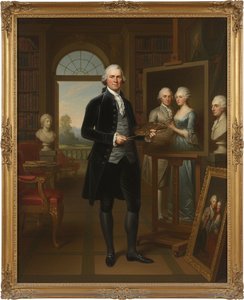
Sir Nathaniel Dance-Holland: Portraiture, Patronage & Georgian Identity
Explore the life & art of Sir Nathaniel Dance-Holland, a leading Georgian portraitist. Discover his masterful technique, influential patrons, and lasting impact on 18th-century British society. A guide for discerning collectors.
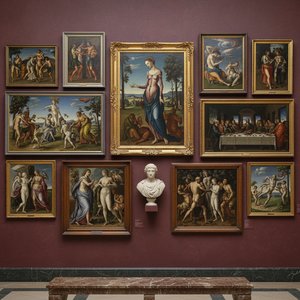
Mannerismo: 10 Obras Maestras que Definieron un Estilo Revolucionario | ArtsDot.com
Descubre las 10 obras maestras del Mannerismo: Pontormo, El Greco y más. Explora la elegancia renacentista, figuras alargadas y paletas vibrantes de este movimiento artístico único. Reproducciones de arte exclusivas en ArtsDot.com.