 Ver en contexto
 Enviar
 Compartir
 Detalles

 Descargar
 Similares
 Radiografía
 Presentación de diapositivas
 Estadísticas
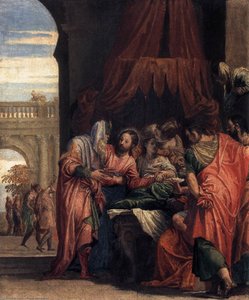
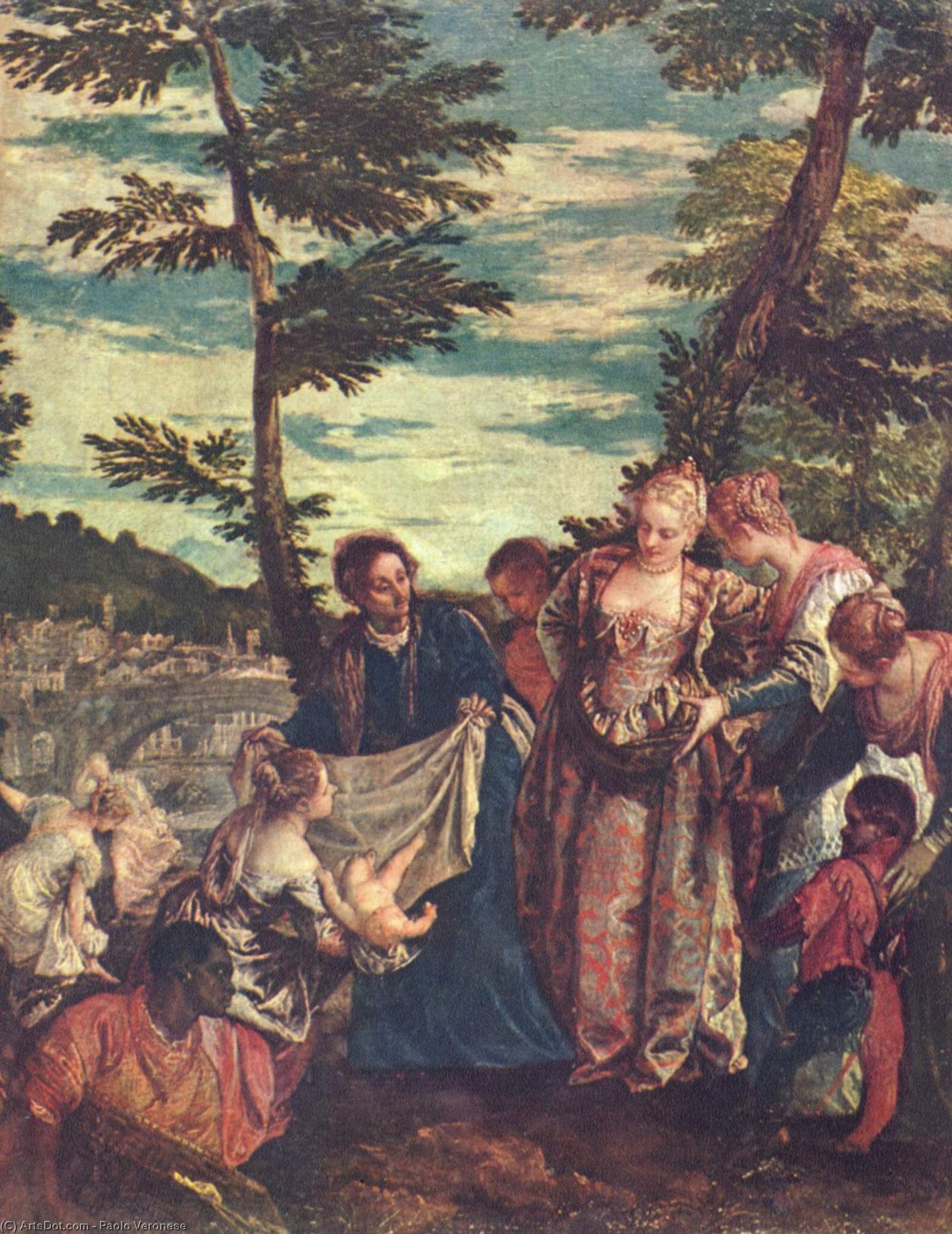
Rescue of Moses from the waters of the Nile
 Oil On Canvas
- WallArt
- Venetian Renaissance
 1580
1580- Renaissance
 50.0 x 43.0 cm
 Ver más
Reproducción al óleo hecha a mano
Óleo sobre lienzo pintado a mano en el tamaño y marco de su elección, realizado por encargo por nuestros artistas. ( Cambiar a Impresión Cambiar a imagen digital)




P118B $10

P118H $10

P118W $10

P438Z $10

P508JH $12

P508YH $12

P805H $10

P805Z $10

P919BZ $10

P919G $10

P919XJ $10

P959ZH $10

P968JZ $12

W106C $8

W218G $10

W218JH $8

W218Y $10

W307PJ $10

W316G $10

W316PJ $8

W316Y $10

W398PJ $8

W4111J $10

W500HY $15

W500JH $15

W692G $12

W849H $8

W940BG $15

W953PJ $8




Elija entre nuestros tamaños predefinidos que respetan las proporciones originales de la obra.

Puede ingresar sus propias dimensiones para adaptarse a un marco o espacio específico. Si el tamaño seleccionado no coincide con las proporciones de la imagen original, recortaremos la obra o extenderemos la pintura con elementos adicionales pintados a mano. Se le enviará una maqueta digital para su aprobación antes de comenzar la producción.
Tenga en cuenta que la vista previa en pantalla no refleja el recorte o la extensión reales. Solo la maqueta mostrará con precisión la composición final.
Si bien existen tamaños personalizados, recomendamos seleccionar una dimensión de la lista predefinida para preservar las proporciones originales.
Tras realizar el pedido, el equipo de ArtsDot.com enviará un correo electrónico al cliente para solicitar instrucciones y proporcionarle una vista previa del boceto.
Envío a todo el mundo () en 3-4 semanas en lugar de las 5 semanas estándar. (8 septiembre). Sin comprometer la calidad.

Envío exprés gratuito a todo el mundo

Lienzo de lino de alta calidad

Seguro de envío total

Garantía de reembolso de impuestos aduaneros

Garantía de fidelidad cromática exacta

Política de devolución de 100 días (solo por defectos)

Garantía de devolución del 100% del dinero

Descuento por cantidad
 La opción de vidrio solo está disponible en tamaños inferiores a 110 cm.

Rescue of Moses from the waters of the Nile
Técnica de reproducción
Dimensiones de la reproducción
-


Precio total final
$ 263
A Divine Intervention in Venetian Splendor
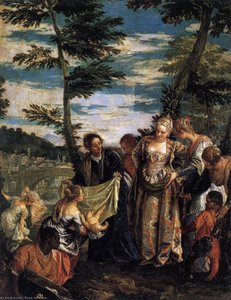
In the breathtaking masterpiece Rescue of Moses from the waters of the Nile, the Venetian Renaissance master Paolo Veronese invites us into a moment of profound biblical drama and miraculous survival. Painted around 1580, this large-scale oil on canvas captures the pivotal instant when the infant Moses is plucked from the perilous currents of the Nile. The composition is a whirlwind of motion and emotion, where the life-threatening decree of the Pharaoh meets the tender compassion of those who intervene. Veronese does not merely depict a historical or religious event; he orchestrates a theatrical spectacle of light and shadow that draws the viewer into the very heart of the rescue effort.
The painting is characterized by the signature opulence that made Veronese a titan of the 16th century. As we gaze upon the canvas, we see a rich tapestry of figures—women lifting the child with desperate care, and onlookers whose faces reflect a spectrum of human reaction, from anxiety to awe. The artist utilizes a vibrant palette, likely influenced by his contemporary Titian, to breathe life into the scene. Shimmering fabrics, the reflective quality of the water, and the luminous skin tones of the central figures create a sense of depth and vitality that makes the historical moment feel immediate and pulse with living energy.
The Artistry of Light and Composition
Technically, this work serves as a testament to Veronese’s unparalleled ability to manage complex, multi-figure compositions without sacrificing clarity or emotional focus. The arrangement of bodies creates a rhythmic flow that guides the eye from the turbulent waters toward the central figures holding Moses. His mastery of colorito—the Venetian emphasis on color and light—allows the sunlight to dance across the scene, highlighting the intricate details of the drapery and the dramatic tension in the characters' gestures. This interplay of light does more than illuminate; it symbolizes the divine grace descending upon a moment of mortal danger.
For the discerning collector or interior designer, this reproduction offers more than just a visual ornament; it provides a focal point of immense narrative weight and classical elegance. The painting’s ability to command attention through its scale and vividness makes it an ideal centerpiece for grand halls, sophisticated libraries, or curated gallery walls. It brings with it the prestige of the Italian Renaissance, offering a window into an era where art was used to bridge the gap between the earthly struggle and the divine promise.
A Timeless Legacy for the Modern Collector
Owning a piece that evokes the grandeur of Paolo Veronese is an opportunity to embrace the spirit of the Venetian Golden Age. The Rescue of Moses from the waters of the Nile is a work that resonates across centuries, speaking to universal themes of protection, destiny, and the triumph of life over adversity. Its intricate details and sweeping emotional landscape provide endless layers of discovery for anyone who appreciates the profound intersection of religious storytelling and technical virtuosity.
Whether you are seeking to inspire a sense of history in a residential setting or looking to add a layer of sophisticated drama to a professional design project, this artwork stands as a monumental achievement. It is a celebration of human resilience and artistic brilliance, captured forever in the enduring medium of oil on canvas.
Obras relacionadas
Biografía del artista
Primeros años y formación
Paolo Caliari, conocido como Paolo Veronese, nació en 1528 en Verona, Italia. Era el quinto hijo de un cantero, Gabriele, y su esposa Caterina. La vida temprana de Veronese se caracterizó por su aprendizaje con Antonio Badile y posteriormente con Giovanni Francesco Caroto, ambos pintores líderes en Verona.Estilo artístico e influencias
Veronese desarrolló un estilo pictórico naturalista, influenciado por Tiziano, y es conocido por su uso de colores vibrantes. Su obra se caracteriza por su estilo dramático y colorido, a menudo presentando majestuosas ambientaciones arquitectónicas y pagantry. Las grandes pinturas de Veronese de banquetes bíblicos, llenas de figuras, son especialmente famosas, y también fue el principal pintor veneciano de techos.Obras destacadas y legado
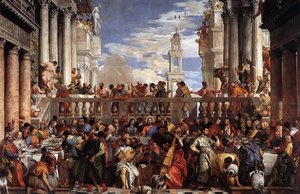
Algunas de las obras más notables de Veronese incluyen:- La boda de Cana (1563), una pintura a gran escala que muestra su uso del color y la composición.
- El banquete en casa de Levi (1573), una obra maestra que demuestra su capacidad para equilibrar el drama y la elegancia.
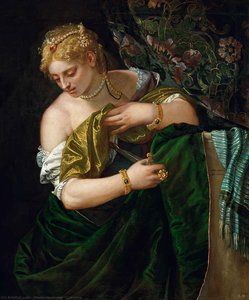
- Lucrezia: Una impresionante obra maestra del Renacimiento con detalles opulentos y colores ricos.
- Honra (1557): Una obra maestra barroca que presenta tonos cálidos, luz dramática y detalles intrincados.
- Respeto (1575): Una impresionante obra maestra barroca rica en intensidad emocional, realismo y luz dramática.
Influencia cultural e impacto
La influencia de Veronese se puede ver en varios aspectos de la cultura italiana, desde los westerns espagueti hasta la rica tradición del drama y la commedia. Su trabajo continúa inspirando a artistas, incluyendo aquellos que aparecen en ArtsDot, una plataforma que muestra una amplia gama de talento artístico.- Explore más obras de Veronese y la escena artística veneciana en ArtsDot.
- Descubra el patrimonio cultural de Italia, desde sus civilizaciones antiguas hasta su impacto moderno, en Wikipedia.
- 1528: Nació en Verona, Italia
- 1541-1544: Aprendizaje con Antonio Badile y Giovanni Francesco Caroto
- 1563: Finalización de La boda de Cana
- 1573: Finalización del banquete en casa de Levi
- 1588: Falleció, dejando atrás un legado en la pintura veneciana
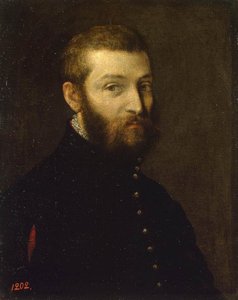
Paolo Veronese
1528 - 1588 , Italia
Datos clave
- Artistas Que Influyeron: ['Tiziano']
- Estilo Artístico: Naturalista, Veneciano
- Fecha De Nacimiento: 1528
- Influencia En Artistas: ['Artistas de WahooArt']
- Lugar De Nacimiento: Verona, Italia
- Nacionalidad: Italiana
- Nombre Completo: Paolo Veronese
- Nombres Alternativos: Paolo Caliari
- Obras Notables:
- La Boda de Caná (1563)
- El Banquete en la casa de Levi (1573)
Artículos relacionados
La Luz Dorada de la Innovación: Explorando el Renacimiento Veneciano (1430–1580)
Descubra la riqueza y el esplendor del Renacimiento veneciano con ArtsDot. Explore las obras maestras de Tiziano, Giorgione y Tintoretto. Análisis experto, historia detallada e información para coleccionistas.
Paolo Veronese: A Renaissance Master of Color, Composition, and Venetian Splendor
Explore the vibrant world of Paolo Veronese, a Renaissance master renowned for his opulent compositions, masterful use of color, and dramatic Venetian scenes. Discover key artworks & legacy.

Obras Maestras Dramáticas: Arte para un Hogar con Carácter |
Descubre 10 obras maestras que evocan drama y emoción. Explora la historia, técnica y colores de artistas como Caravaggio y Munch. Encuentra reproducciones de arte para transformar tu hogar en .
Pietro Longhi's Venetian Scenes: A Study of Rococo Society & Domestic Life
Explore the captivating world of Pietro Longhi's Venetian scenes! Discover insightful analysis of his Rococo masterpieces & social commentary on 18th-century life. Learn about this 'Venetian Hogarth' and his lasting artistic legacy.

Jacopo Tintoretto: Las 25 Obras Maestras del Genio Veneciano | Arte y Decoración en ArtsDot
Descubre las 25 obras maestras de Jacopo Tintoretto, el genio veneciano del Renacimiento. Explora su arte dramático, composiciones innovadoras y paleta vibrante. Reproducciones de alta calidad en ArtsDot.com para transformar tu hogar.