 Ver en contexto
 Enviar
 Compartir
 Detalles

 Descargar
 Similares
 Radiografía
 Presentación de diapositivas
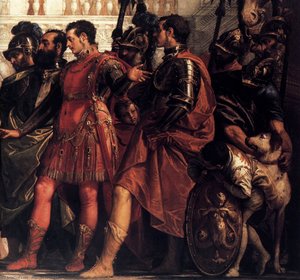
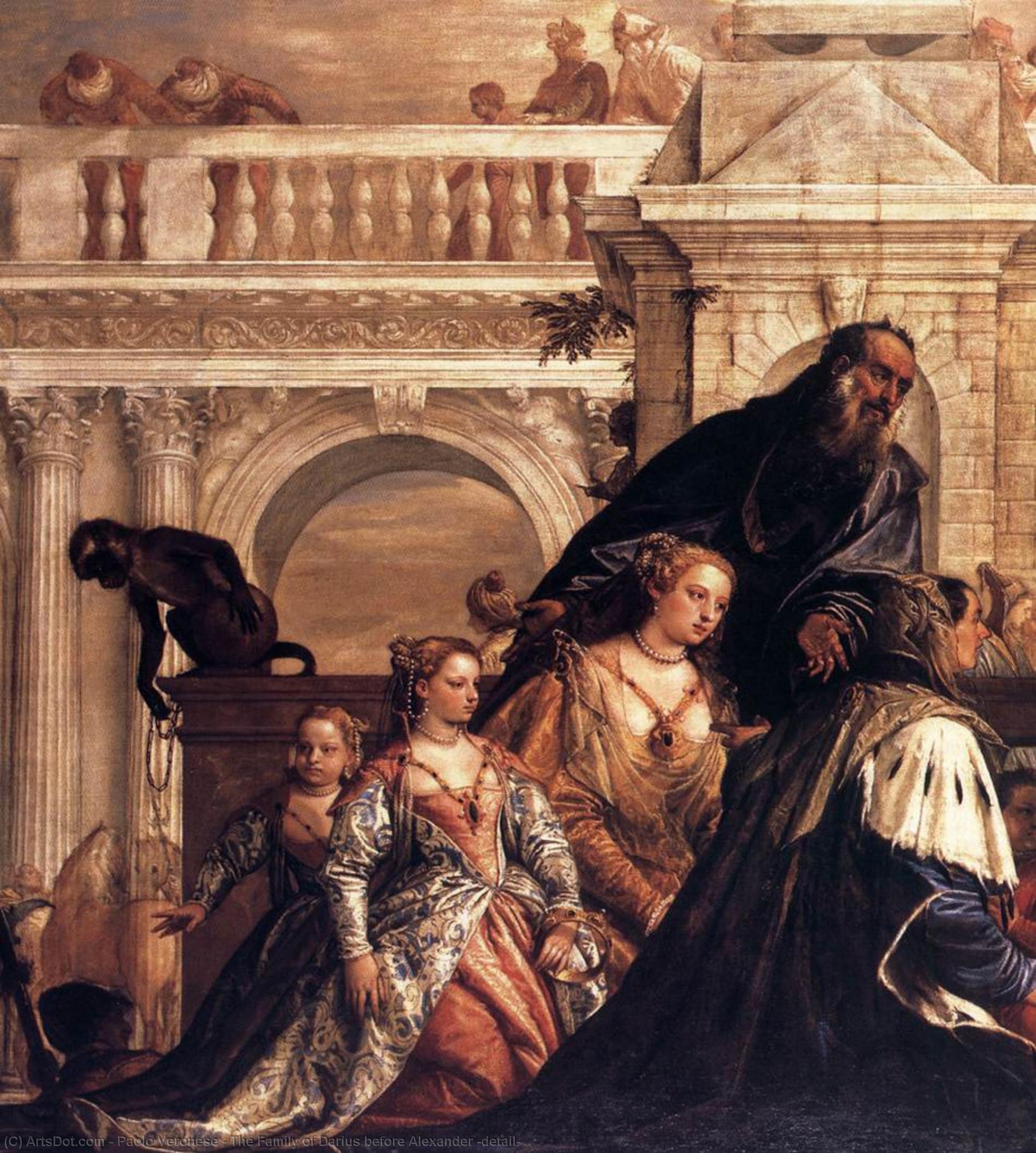
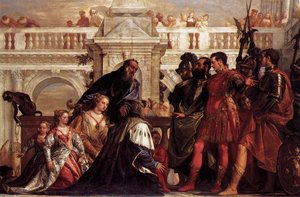
The Family of Darius before Alexander (detail)


 Ver más
Giclée / Impresión de arte
Impresiones giclée o en lienzo de calidad de museo con producción rápida y opciones de acabado flexibles. ( Comprar pintura hecha a mano Comprar imagen)




P118B $10

P118H $10

P118W $10

P438Z $10

P508JH $12

P508YH $12

P805H $10

P805Z $10

P919BZ $10

P919G $10

P919XJ $10

P959ZH $10

P968JZ $12

W106C $8

W218G $10

W218JH $8

W218Y $10

W307PJ $10

W316G $10

W316PJ $8

W316Y $10

W398PJ $8

W4111J $10

W500HY $15

W500JH $15

W692G $12

W849H $8

W940BG $15

W953PJ $8




Elija entre nuestros tamaños predefinidos que respetan las proporciones originales de la obra.

Puede introducir sus propias dimensiones para adaptarse a un marco o espacio específico. Si el tamaño seleccionado no coincide con las proporciones de la imagen original, recortaremos la obra de arte o extenderemos la imagen con un borde con efecto espejo o de color sólido. Se enviará una maqueta digital para su aprobación antes de que comience la producción.
Tenga en cuenta que la vista previa en pantalla no refleja el recorte o la extensión real. Solo la maqueta mostrará con precisión la composición final.
Aunque existen tamaños personalizados, recomendamos seleccionar una dimensión de la lista predefinida para preservar las proporciones originales.
Envío a todo el mundo () en 2 semanas en lugar de las 4/5 semanas estándar. (2 septiembre)

Envío exprés gratuito a todo el mundo

Lienzo de lino de alta calidad

Seguro de envío total

Garantía de reembolso de impuestos aduaneros

Garantía de fidelidad cromática exacta

Política de devolución de 60 días (solo por defectos)

Garantía de devolución del 100% del dinero

Descuento por cantidad
 La opción de vidrio solo está disponible en tamaños inferiores a 110 cm.

The Family of Darius before Alexander (detail)
Giclée / Impresión de arte
Dimensiones de la reproducción
-


Precio total final
$ 62
A Portrait of Power and Grace: The Family of Darius before Alexander (detail) by Paolo Veronese
Paolo Veronese’s “The Family of Darius before Alexander” is more than just a depiction of a wealthy Venetian family; it's a meticulously constructed tableau brimming with historical allusion, symbolic richness, and the sheer mastery of color that defined the artist’s extraordinary career. Painted in 1565, this captivating detail offers a glimpse into a world of opulent patronage and artistic ambition, revealing Veronese’s unparalleled ability to synthesize classical grandeur with Venetian sensibility.
- Subject Matter: The scene portrays Darius III, the last king of the Achaemenid Empire, alongside his family – a potent symbol of power and lineage. This wasn't merely a portrait; it was a carefully orchestrated narrative, likely commissioned to legitimize the status of a prominent Venetian family through association with a legendary historical figure.
- Composition & Technique: Veronese’s signature technique—a masterful deployment of color and perspective—is immediately apparent. The figures are arranged within a vast, receding architectural space, creating an illusion of depth that draws the viewer into the scene. Note the use of *sfumato*, a subtle blurring of lines and edges, which softens the forms and contributes to the painting’s ethereal quality.
Venetian Grandeur and Classical Echoes
Veronese was deeply influenced by the artistic traditions of Venice, particularly the work of Titian, whose vibrant palette and dramatic compositions served as a cornerstone for Veronese's own style. However, he wasn’t simply imitating; he was transforming these influences into something uniquely his own. The painting is replete with classical allusions – the architectural setting, the clothing styles, and even the poses of the figures—reflecting the Renaissance fascination with antiquity. This deliberate engagement with classical ideals elevates the work beyond a simple portrait, imbuing it with a sense of timelessness and universal significance.
- Historical Context: The painting was created during a period of intense artistic innovation in Venice, a city that served as a crucial crossroads for European culture. Venetian merchants and patrons were instrumental in fostering the exchange of ideas and artworks from across the Mediterranean world.
- Symbolism: The inclusion of the two cats is particularly intriguing. While their precise meaning remains debated, they may represent good fortune, prosperity, or even a subtle commentary on human vanity – qualities often associated with rulers and nobility.
A Masterpiece of Scale and Emotion
The sheer scale of “The Family of Darius before Alexander” is breathtaking, reflecting Veronese’s ambition to create works that would dominate the viewer's attention. The painting evokes a sense of awe and wonder, inviting us to contemplate the lives of these figures and their place in history. Veronese’s ability to capture not just physical likeness but also the emotional nuances of his subjects—the dignity of Darius, the tenderness of his family—is what truly sets this work apart. It is a testament to Veronese's profound understanding of human psychology and his extraordinary skill as a painter.
- Materials & Process: The painting was likely executed on a large poplar panel, using oil paints – a relatively new medium at the time that allowed for greater luminosity and detail.
- Legacy: “The Family of Darius before Alexander” remains one of Veronese’s most celebrated works, admired for its technical brilliance, historical significance, and enduring emotional impact. It exemplifies the Venetian Renaissance at its finest – a fusion of classical ideals, artistic innovation, and profound human understanding.
Obras relacionadas

Biografía del artista
Primeros años y formación
Paolo Caliari, conocido como Paolo Veronese, nació en 1528 en Verona, Italia. Era el quinto hijo de un cantero, Gabriele, y su esposa Caterina. La vida temprana de Veronese se caracterizó por su aprendizaje con Antonio Badile y posteriormente con Giovanni Francesco Caroto, ambos pintores líderes en Verona.Estilo artístico e influencias
Veronese desarrolló un estilo pictórico naturalista, influenciado por Tiziano, y es conocido por su uso de colores vibrantes. Su obra se caracteriza por su estilo dramático y colorido, a menudo presentando majestuosas ambientaciones arquitectónicas y pagantry. Las grandes pinturas de Veronese de banquetes bíblicos, llenas de figuras, son especialmente famosas, y también fue el principal pintor veneciano de techos.Obras destacadas y legado
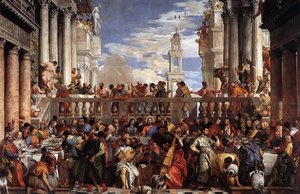
Algunas de las obras más notables de Veronese incluyen:- La boda de Cana (1563), una pintura a gran escala que muestra su uso del color y la composición.
- El banquete en casa de Levi (1573), una obra maestra que demuestra su capacidad para equilibrar el drama y la elegancia.
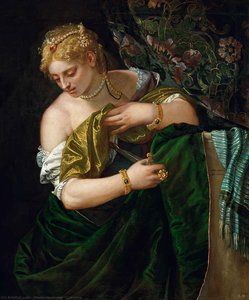
- Lucrezia: Una impresionante obra maestra del Renacimiento con detalles opulentos y colores ricos.
- Honra (1557): Una obra maestra barroca que presenta tonos cálidos, luz dramática y detalles intrincados.
- Respeto (1575): Una impresionante obra maestra barroca rica en intensidad emocional, realismo y luz dramática.
Influencia cultural e impacto
La influencia de Veronese se puede ver en varios aspectos de la cultura italiana, desde los westerns espagueti hasta la rica tradición del drama y la commedia. Su trabajo continúa inspirando a artistas, incluyendo aquellos que aparecen en ArtsDot, una plataforma que muestra una amplia gama de talento artístico.- Explore más obras de Veronese y la escena artística veneciana en ArtsDot.
- Descubra el patrimonio cultural de Italia, desde sus civilizaciones antiguas hasta su impacto moderno, en Wikipedia.
- 1528: Nació en Verona, Italia
- 1541-1544: Aprendizaje con Antonio Badile y Giovanni Francesco Caroto
- 1563: Finalización de La boda de Cana
- 1573: Finalización del banquete en casa de Levi
- 1588: Falleció, dejando atrás un legado en la pintura veneciana
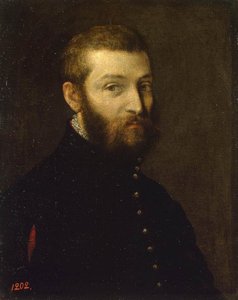
Paolo Veronese
1528 - 1588 , Italia
Datos clave
- Artistas Que Influyeron: ['Tiziano']
- Estilo Artístico: Naturalista, Veneciano
- Fecha De Nacimiento: 1528
- Influencia En Artistas: ['Artistas de WahooArt']
- Lugar De Nacimiento: Verona, Italia
- Nacionalidad: Italiana
- Nombre Completo: Paolo Veronese
- Nombres Alternativos: Paolo Caliari
- Obras Notables:
- La Boda de Caná (1563)
- El Banquete en la casa de Levi (1573)
Artículos relacionados
Paolo Veronese: A Renaissance Master of Color, Composition, and Venetian Splendor
Explore the vibrant world of Paolo Veronese, a Renaissance master renowned for his opulent compositions, masterful use of color, and dramatic Venetian scenes. Discover key artworks & legacy.

Giclée Prints: Archival Quality & Aesthetic Nuances for the Discerning Collector
Explore the world of giclée prints with ArtsDot. Learn about archival quality, aesthetic nuances & investment potential. Expert guidance for discerning art collectors seeking museum-quality reproductions and lasting value.

The Enduring Legacy of Fine Art Prints: Technique, History & Aesthetic Impact
Explore the rich history & techniques of fine art prints. Discover investment potential, assess authenticity, and learn how to preserve your collection with expert guidance. Trusted insights for discerning collectors.

Echoes of Time: Exploring the Enduring Appeal & Historical Context of Vintage Art Prints
Explore the captivating world of vintage art prints! Discover their history, collecting tips & enduring appeal. Expert insights on chromolithography and building a legacy collection with ArtsDot.

Jacopo Tintoretto: Las 25 Obras Maestras del Genio Veneciano | Arte y Decoración en ArtsDot
Descubre las 25 obras maestras de Jacopo Tintoretto, el genio veneciano del Renacimiento. Explora su arte dramático, composiciones innovadoras y paleta vibrante. Reproducciones de alta calidad en ArtsDot.com para transformar tu hogar.