 Ver en contexto
 Enviar
 Compartir
 Detalles

 Descargar
 Similares
 Radiografía
 Presentación de diapositivas
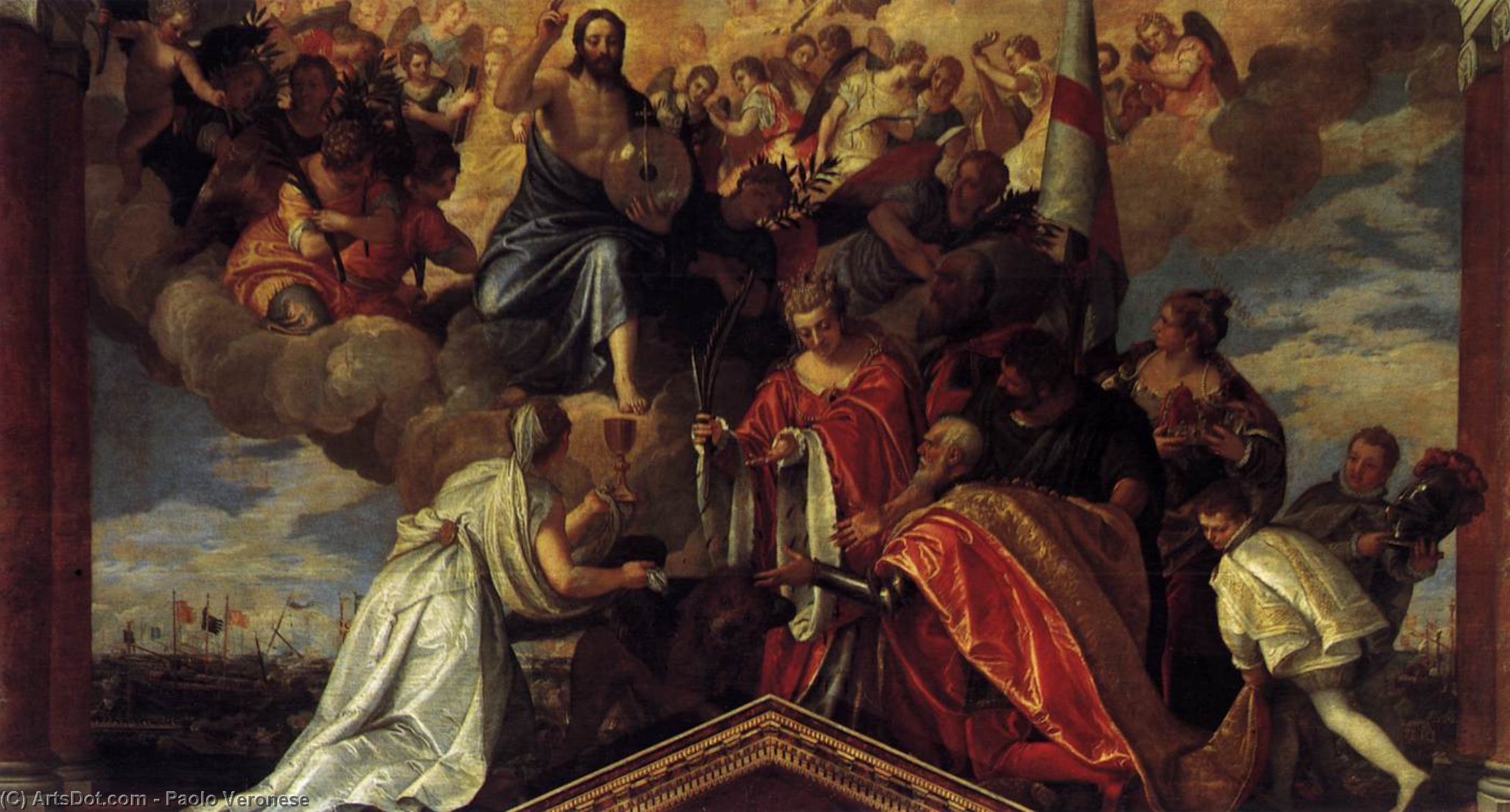
Votive Portrait of Doge Sebastiano Venier
 Oil On Canvas
- WallArt
- High Renaissance
 1581
1581 285.0 x 565.0 cm
 Palazzo Ducale
 Ver más
Reproducción al óleo hecha a mano
Óleo sobre lienzo pintado a mano en el tamaño y marco de su elección, realizado por encargo por nuestros artistas. ( Comprar impresión Comprar imagen)




P118B $10

P118H $10

P118W $10

P438Z $10

P508JH $12

P508YH $12

P805H $10

P805Z $10

P919BZ $10

P919G $10

P919XJ $10

P959ZH $10

P968JZ $12

W106C $8

W218G $10

W218JH $8

W218Y $10

W307PJ $10

W316G $10

W316PJ $8

W316Y $10

W398PJ $8

W4111J $10

W500HY $15

W500JH $15

W692G $12

W849H $8

W940BG $15

W953PJ $8




Elija entre nuestros tamaños predefinidos que respetan las proporciones originales de la obra.

Puede ingresar sus propias dimensiones para adaptarse a un marco o espacio específico. Si el tamaño seleccionado no coincide con las proporciones de la imagen original, recortaremos la obra o extenderemos la pintura con elementos adicionales pintados a mano. Se le enviará una maqueta digital para su aprobación antes de comenzar la producción.
Tenga en cuenta que la vista previa en pantalla no refleja el recorte o la extensión reales. Solo la maqueta mostrará con precisión la composición final.
Si bien existen tamaños personalizados, recomendamos seleccionar una dimensión de la lista predefinida para preservar las proporciones originales.
Tras realizar el pedido, el equipo de ArtsDot.com enviará un correo electrónico al cliente para solicitar instrucciones y proporcionarle una vista previa del boceto.
Envío a todo el mundo () en 3-4 semanas en lugar de las 5 semanas estándar. (4 septiembre). Sin comprometer la calidad.

Envío exprés gratuito a todo el mundo

Lienzo de lino de alta calidad

Seguro de envío total

Garantía de reembolso de impuestos aduaneros

Garantía de fidelidad cromática exacta

Política de devolución de 60 días (solo por defectos)

Garantía de devolución del 100% del dinero

Descuento por cantidad
 La opción de vidrio solo está disponible en tamaños inferiores a 110 cm.

Votive Portrait of Doge Sebastiano Venier
Técnica de reproducción
Dimensiones de la reproducción
-


Precio total final
$ 413
A Portrait of Power and Faith: Paolo Veronese’s Votive Portrait of Doge Sebastiano Venier
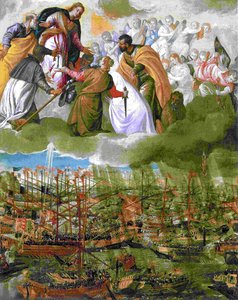
Paolo Veronese's “Votive Portrait of Doge Sebastiano Venier,” painted in 1581, is more than just a likeness; it’s a meticulously crafted tableau vivant—a vibrant snapshot of Venetian power, religious devotion, and the opulent grandeur of the late Renaissance. This monumental work, measuring an impressive 285 x 565 cm, resides within the Sala del Collegio at the Palazzo Ducale in Venice, originally intended as a commemorative tribute to the Doge himself. Veronese’s genius lies not merely in his technical skill but in his ability to weave together historical figures, allegorical symbols, and a palpable sense of theatrical spectacle—transforming a simple portrait into a complex narrative brimming with meaning. The painting immediately captivates with its sheer scale and lavish detail, transporting the viewer to a world of shimmering fabrics, intricate architecture, and divine presence.A Masterclass in Mannerist Composition
Veronese’s style firmly anchors this piece within the Mannerist movement, a period characterized by an embrace of elegance, complexity, and illusionistic space. Departing from the idealized forms of High Renaissance art, Mannerism favored elongated figures, dramatic poses, and a heightened sense of theatricality. Here, Veronese masterfully employs these techniques to create a dynamic composition that draws the eye across the canvas. The pyramidal structure, a hallmark of Renaissance painting, is subtly manipulated—the Doge’s figure anchors the base, while ascending towards Christ at the apex, creating an irresistible upward trajectory. Linear perspective is skillfully employed, though with a deliberate flattening effect characteristic of Mannerism, contributing to the overall sense of heightened drama and spatial ambiguity. The use of color is particularly noteworthy – Veronese's palette explodes with rich reds, blues, and golds, reflecting the wealth and prestige of Venice at the time.The Doge’s Homage: Symbolism and Historical Context
At the heart of the painting stands Doge Sebastiano Venier, depicted in a posture of profound humility before Christ. The inclusion of this specific portrait within the Sala del Collegio was a deliberate act of civic piety—a votive offering to commemorate Venier's leadership during the pivotal Battle of Lepanto in 1571, where the Venetian fleet decisively defeated the Ottoman Empire. The scene is layered with symbolism: the Doge’s outstretched hand signifies supplication and gratitude; the surrounding figures represent various saints and allegorical personifications—Faith, Justice, and Victory—all attesting to Venice's divine favor. The distant cityscape, faintly visible through a hazy atmosphere, subtly references Venice itself, reinforcing the painting’s connection to its patron and its city’s enduring legacy. The inclusion of elements like the naval battle in the background further emphasizes Venice’s maritime power and strategic importance.A Window into Venetian Splendor
Beyond its religious and historical significance, “Votive Portrait of Doge Sebastiano Venier” offers a remarkable glimpse into the material culture and artistic sensibilities of 16th-century Venice. Veronese's meticulous attention to detail—the intricate embroidery on the Doge’s robes, the shimmering fabrics adorning the figures, the elaborate architectural details—reflects the city’s status as a center of trade, wealth, and artistic innovation. The painting is not simply a portrait; it’s a meticulously constructed stage set, capturing the splendor and ambition of Venice at its zenith. The use of oil paint on canvas allows for layering and blending, creating textures that mimic the richness of velvet and silk, while the impasto technique adds depth and dimension to the drapery and cloud formations.An Enduring Legacy: Reproductions and Inspiration
Today, “Votive Portrait of Doge Sebastiano Venier” remains one of Veronese’s most celebrated masterpieces, admired for its scale, complexity, and sheer visual impact. High-quality reproductions offer a remarkable opportunity to experience the painting's grandeur in your own space, bringing a touch of Venetian Renaissance splendor into any setting. Whether you are an art enthusiast, a collector seeking a statement piece, or simply someone drawn to the beauty and artistry of the past, this monumental work continues to inspire awe and wonder. It stands as a testament to Veronese’s unparalleled skill and his ability to transform history, faith, and power into a timeless masterpiece.Obras relacionadas
Biografía del artista
Primeros años y formación
Paolo Caliari, conocido como Paolo Veronese, nació en 1528 en Verona, Italia. Era el quinto hijo de un cantero, Gabriele, y su esposa Caterina. La vida temprana de Veronese se caracterizó por su aprendizaje con Antonio Badile y posteriormente con Giovanni Francesco Caroto, ambos pintores líderes en Verona.Estilo artístico e influencias
Veronese desarrolló un estilo pictórico naturalista, influenciado por Tiziano, y es conocido por su uso de colores vibrantes. Su obra se caracteriza por su estilo dramático y colorido, a menudo presentando majestuosas ambientaciones arquitectónicas y pagantry. Las grandes pinturas de Veronese de banquetes bíblicos, llenas de figuras, son especialmente famosas, y también fue el principal pintor veneciano de techos.Obras destacadas y legado
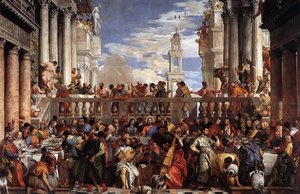
Algunas de las obras más notables de Veronese incluyen:- La boda de Cana (1563), una pintura a gran escala que muestra su uso del color y la composición.
- El banquete en casa de Levi (1573), una obra maestra que demuestra su capacidad para equilibrar el drama y la elegancia.
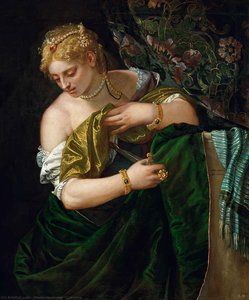
- Lucrezia: Una impresionante obra maestra del Renacimiento con detalles opulentos y colores ricos.
- Honra (1557): Una obra maestra barroca que presenta tonos cálidos, luz dramática y detalles intrincados.
- Respeto (1575): Una impresionante obra maestra barroca rica en intensidad emocional, realismo y luz dramática.
Influencia cultural e impacto
La influencia de Veronese se puede ver en varios aspectos de la cultura italiana, desde los westerns espagueti hasta la rica tradición del drama y la commedia. Su trabajo continúa inspirando a artistas, incluyendo aquellos que aparecen en ArtsDot, una plataforma que muestra una amplia gama de talento artístico.- Explore más obras de Veronese y la escena artística veneciana en ArtsDot.
- Descubra el patrimonio cultural de Italia, desde sus civilizaciones antiguas hasta su impacto moderno, en Wikipedia.
- 1528: Nació en Verona, Italia
- 1541-1544: Aprendizaje con Antonio Badile y Giovanni Francesco Caroto
- 1563: Finalización de La boda de Cana
- 1573: Finalización del banquete en casa de Levi
- 1588: Falleció, dejando atrás un legado en la pintura veneciana
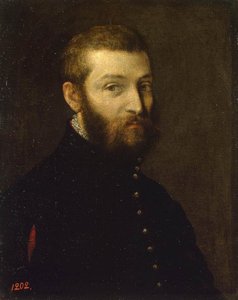
Paolo Veronese
1528 - 1588 , Italia
Datos clave
- Artistas Que Influyeron: ['Tiziano']
- Estilo Artístico: Naturalista, Veneciano
- Fecha De Nacimiento: 1528
- Influencia En Artistas: ['Artistas de WahooArt']
- Lugar De Nacimiento: Verona, Italia
- Nacionalidad: Italiana
- Nombre Completo: Paolo Veronese
- Nombres Alternativos: Paolo Caliari
- Obras Notables:
- La Boda de Caná (1563)
- El Banquete en la casa de Levi (1573)
Artículos relacionados
Paolo Veronese: A Renaissance Master of Color, Composition, and Venetian Splendor
Explore the vibrant world of Paolo Veronese, a Renaissance master renowned for his opulent compositions, masterful use of color, and dramatic Venetian scenes. Discover key artworks & legacy.

Jacopo Tintoretto: Las 25 Obras Maestras del Genio Veneciano | Arte y Decoración en ArtsDot
Descubre las 25 obras maestras de Jacopo Tintoretto, el genio veneciano del Renacimiento. Explora su arte dramático, composiciones innovadoras y paleta vibrante. Reproducciones de alta calidad en ArtsDot.com para transformar tu hogar.
Jacopo Palma il Giovane: A Venetian Master's Poetic Evolution
Explore the captivating world of Jacopo Palma il Giovane, a pivotal Venetian Renaissance master. Discover his unique style, influenced by Titian & Tintoretto, and learn about key works perfect for discerning collectors.
La Luz Dorada de la Innovación: Explorando el Renacimiento Veneciano (1430–1580)
Descubra la riqueza y el esplendor del Renacimiento veneciano con ArtsDot. Explore las obras maestras de Tiziano, Giorgione y Tintoretto. Análisis experto, historia detallada e información para coleccionistas.
Vittore Carpaccio: Venetian Renaissance Narrative & the Poetics of Detail
Explore the captivating world of Vittore Carpaccio, a master storyteller of the Venetian Renaissance. Discover his intricate details, narrative cycles like 'The Legend of St. Ursula,' and unique artistic style.