

 Vista previa
 Compartir
 Compartir
 Ver detalles

 Descargar
 Ver similares
 Radiografía
 Presentación de diapositivas
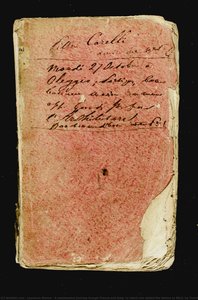
Lettres provinciales et pensées par Blaise Pascal. Nouvelle édition, Augmentée, 1° d


 Leer más
Giclée / Impresión de arte
Impresiones giclée o en lienzo de calidad de museo con producción rápida y opciones de acabado flexibles. ( Encargar reproducción pintada a mano Comprar descarga)




P118B $10

P118H $10

P118W $10

P438Z $10

P508JH $12

P508YH $12

P805H $10

P805Z $10

P919BZ $10

P919G $10

P919XJ $10

P959ZH $10

P968JZ $12

W106C $8

W218G $10

W218JH $8

W218Y $10

W307PJ $10

W316G $10

W316PJ $8

W316Y $10

W398PJ $8

W4111J $10

W500HY $15

W500JH $15

W692G $12

W849H $8

W940BG $15

W953PJ $8




Elija entre nuestros tamaños predefinidos que respetan las proporciones originales de la obra.

Puede introducir sus propias dimensiones para adaptarse a un marco o espacio específico. Si el tamaño seleccionado no coincide con las proporciones de la imagen original, recortaremos la obra de arte o extenderemos la imagen con un borde con efecto espejo o de color sólido. Se enviará una maqueta digital para su aprobación antes de que comience la producción.
Tenga en cuenta que la vista previa en pantalla no refleja el recorte o la extensión real. Solo la maqueta mostrará con precisión la composición final.
Aunque existen tamaños personalizados, recomendamos seleccionar una dimensión de la lista predefinida para preservar las proporciones originales.
Envío a todo el mundo () en 2 semanas en lugar de las 4/5 semanas estándar. (21 agosto)

Envío exprés gratuito a todo el mundo

Lienzo de lino de alta calidad

Seguro de envío completo

Garantía de reembolso de aranceles aduaneros

Garantía de fidelidad cromática exacta

Política de devolución de 60 días (solo por defectos)

Garantía de devolución del 100% del dinero

Oferta por volumen
 La opción de vidrio solo está disponible en tamaños inferiores a 110 cm.

Lettres provinciales et pensées par Blaise Pascal. Nouvelle édition, Augmentée, 1° d
Giclée / Impresión de arte
Tamaño de la reproducción
-


Precio total
$ 62
Descripción de la pieza
A Whisper from the Past: The Poetics of Memory
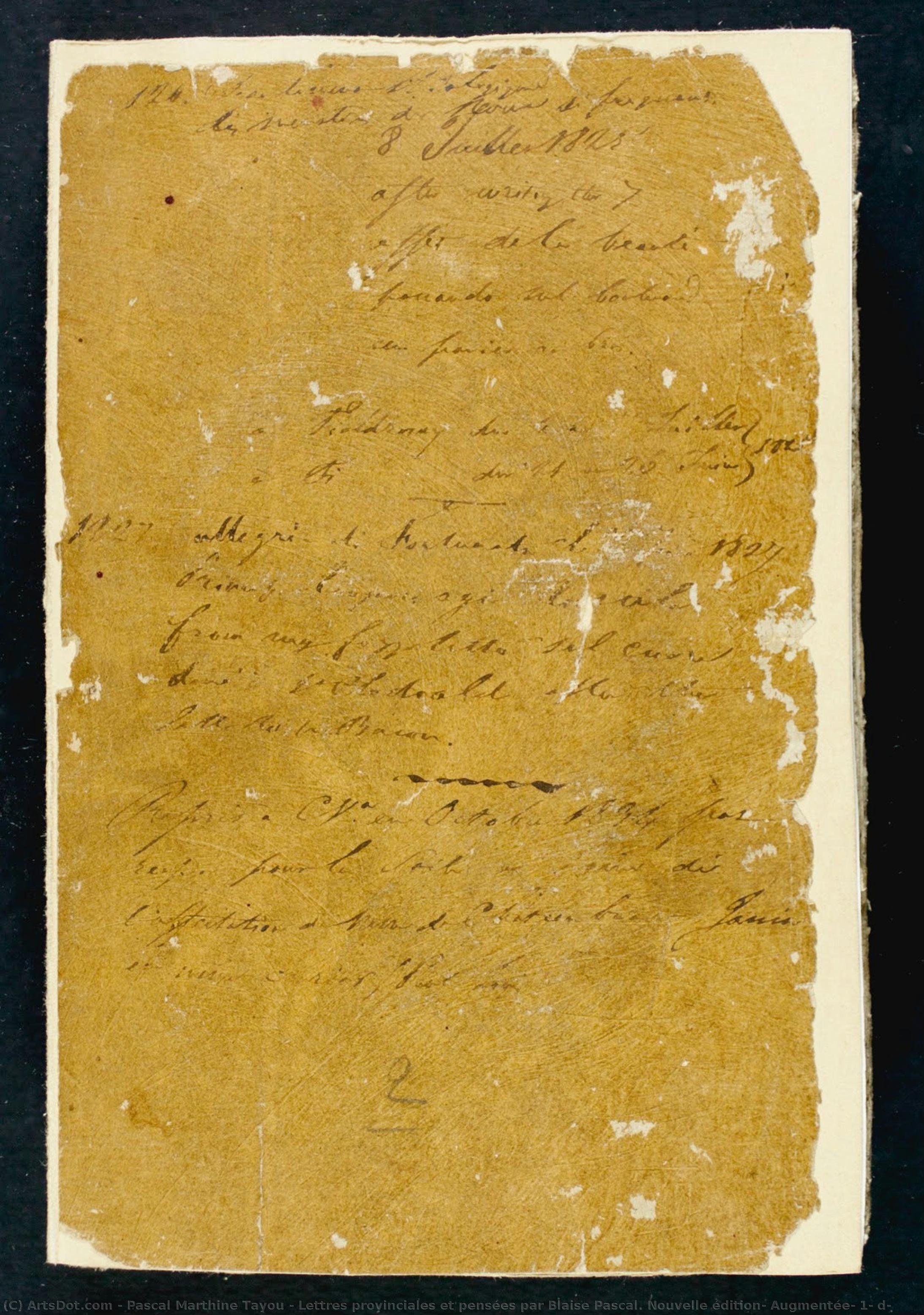
In the evocative piece Lettres provinciales et pensées par Blaise Pascal, the viewer is invited into an intimate encounter with the tactile essence of history. At first glance, the work presents us with a close-up view of aged, yellowed parchment, its surface bearing the beautiful scars of time. The paper appears weathered and worn, as if it has survived centuries of shifting climates and quiet preservation in forgotten libraries. This sense of antiquity is not merely a visual trait but an emotional invitation to contemplate the passage of time itself. The delicate, cursive script dancing across the page suggests a human hand—a ghost of a writer long gone—connecting the contemporary observer to the profound intellectual legacies of the past.
The aesthetic power of this work lies in its profound simplicity and its ability to evoke nostalgia through texture and tone. There is a quiet, meditative quality to the composition; it does not shout for attention but rather whispers secrets of a bygone era. For the collector or interior designer, this piece serves as a sophisticated anchor in a room, offering a sense of groundedness and intellectual depth. It functions beautifully within spaces that celebrate classical elegance, vintage charm, or even minimalist settings where a single, evocative focal point can transform the atmosphere of an entire gallery or study.
The Intersection of Text and Texture
While the subject matter references the profound philosophical writings of Blaise Pascal, the true mastery of this work lies in its treatment of medium and materiality. The artist utilizes a palette of warm ochres, sepia tones, and faded creams to recreate the organic decay of old paper. This careful attention to the nuances of discoloration—the subtle mottling and the unevenness of the parchment—creates a three-dimensional illusion that transcends the flat surface of the canvas. The way light seems to interact with the perceived grain of the paper adds a layer of complexity, making the piece feel less like a reproduction and more like a rediscovered relic.
Symbolically, the work explores the tension between the permanence of ideas and the fragility of their physical vessels. While the words of Pascal represent enduring human thought, the decaying paper reminds us of the ephemeral nature of all material things. This duality creates a poignant emotional impact, stirring feelings of reverence for history and a bittersweet recognition of mortality. For those seeking to curate an environment of reflection and wisdom, this artwork provides a window into the soul of human intellect, making it an incomparable choice for high-end reproductions intended to inspire awe and contemplation.
Obras relacionadas
Biografía del artista
A Cosmopolitan Vision: The Life and Art of Pascal Marthine Tayou
Pascal Marthine Tayou is a contemporary artist whose work defies easy categorization, existing at the intersection of sculpture, installation, painting, and performance. Born in Douala, Cameroon, in 1967, Tayou’s artistic journey has been profoundly shaped by his experiences navigating multiple cultural landscapes. He spent much of his childhood between Cameroon and Belgium, a duality that instilled within him a unique perspective – one informed by both the vibrant traditions of Africa and the intellectual currents of Europe. This early exposure to contrasting worlds became a foundational element in his art, fueling a lifelong exploration of globalization, migration, identity, and the complexities of postcolonial existence. He initially studied English literature before pursuing fine arts at the Royal Academy of Fine Arts in Düsseldorf, Germany, under the tutelage of renowned artist Jannis Kounellis. This formal training provided him with technical skills but also encouraged a conceptual approach to artmaking that would become his hallmark. Tayou’s work doesn't simply *represent* these themes; it embodies them through its very materiality and process.From Found Objects to Global Narratives
Tayou first gained recognition in the 1990s for his sculptures constructed from discarded materials – plastic bottles, bicycle parts, furniture fragments – sourced from both Africa and Europe. These assemblages weren’t merely aesthetic exercises; they were potent commentaries on consumerism, waste, and the flow of goods between continents. He transformed these overlooked objects into intricate structures that often resembled architectural forms or fantastical creatures, imbuing them with new life and meaning. His early work directly addressed issues of economic disparity and environmental degradation, highlighting the impact of global trade on local communities. A key aspect of his practice is the deliberate use of color; vibrant hues borrowed from African textiles and markets are applied to these found objects, creating a visual tension between the mundane and the celebratory. This juxtaposition challenges viewers to reconsider their perceptions of value and beauty. He often incorporates elements of playfulness into his sculptures, inviting interaction and prompting reflection on the relationship between art and everyday life.Expanding the Scope: Installations and Performance
As Tayou’s career progressed, his artistic scope expanded beyond sculpture to encompass large-scale installations and performance art. His installations frequently transform gallery spaces into immersive environments that evoke bustling marketplaces or imagined landscapes. These works often incorporate sound, light, and scent, creating a multi-sensory experience for the viewer. He is known for his “Muses” – life-sized figures crafted from plastic dolls, often arranged in elaborate tableaux that explore themes of femininity, identity, and cultural representation. These installations are not static displays but rather dynamic spaces that encourage dialogue and participation. Tayou’s performance art further blurs the boundaries between artist, artwork, and audience. He frequently engages with local communities in his performances, creating collaborative works that address social and political issues.Influences and Artistic Development
Tayou's artistic development has been influenced by a diverse range of sources. The work of Marcel Duchamp and the Readymade movement played a significant role in shaping his conceptual approach to artmaking, encouraging him to question traditional notions of authorship and originality. He also draws inspiration from African traditions of storytelling, ritual, and craftsmanship.- The vibrant markets of Douala, with their abundance of color and texture, are a recurring motif in his work.
- He is fascinated by the history of colonialism and its lasting impact on Africa, often incorporating historical references into his art.
- His engagement with globalization and migration has led him to explore themes of identity and belonging.
Historical Significance and Legacy
Pascal Marthine Tayou’s work has garnered international acclaim for its insightful commentary on contemporary issues and its innovative use of materials and techniques. He has exhibited extensively in museums and galleries around the world, including the Venice Biennale, Documenta, and the Tate Modern. His art challenges viewers to confront uncomfortable truths about globalization, colonialism, and economic inequality, prompting critical reflection on the complexities of our interconnected world. Tayou’s legacy lies not only in his aesthetically compelling artworks but also in his commitment to social justice and cultural exchange. He has established artist-run spaces in Cameroon and other African countries, providing platforms for emerging artists and fostering a vibrant artistic community. His work continues to inspire a new generation of artists to engage with the pressing issues of our time and to explore the power of art as a catalyst for change.
Datos clave
- Artistic Movement Or Style: Contemporary Art, Installation
- Date Of Death: Living
- Full Name: Pascal Marthine Tayou
- Notable Artworks:
- Météo Vive
- Beautiful People
- Down to Earth
Artículos relacionados
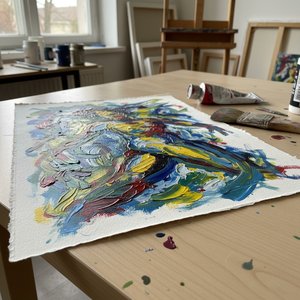
Acrílico sobre Papel: Materialidad y Expresión en el Arte Contemporáneo
Explore la fascinante técnica de la pintura acrílica sobre papel en el arte contemporáneo. Descubra la materialidad, las técnicas mixtas y consejos para coleccionistas exigentes. Guía experta.
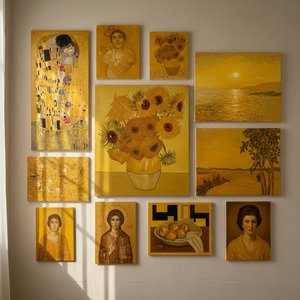
Los 10 cuadros más famosos dominados por el ocre amarillo: Arte y decoración atemporal
Descubre los 10 cuadros más famosos con tonos ocres amarillos. Explora la historia de Van Gogh, Monet y otros artistas clave del impresionismo y postimpresionismo. Encuentra reproducciones de arte de museo en .
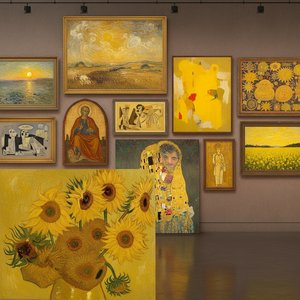
Los 10 cuadros más famosos dominados por el 'amarillo cromo': Arte y decoración
Descubre los 10 cuadros más emblemáticos dominados por el 'amarillo cromo': Van Gogh, Monet y otros maestros. Historia del arte, técnicas y decoración con lienzos impresionistas. ¡Explora la colección completa en ArtsDot.com!
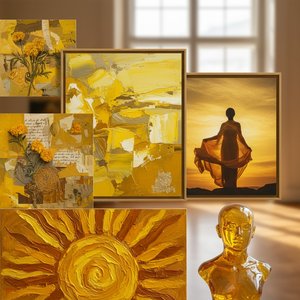
The Golden Hue: Exploring Symbolism & Emotion in Yellow Art
Explore the rich symbolism & emotional power of yellow in art history! From Van Gogh to Kandinsky, discover how artists used this vibrant hue. Expert analysis & high-quality reproductions at ArtsDot.
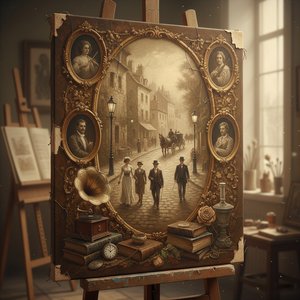
Echoes of Time: Nostalgia, Technique & Cultural Significance in Vintage Paintings
Explore the captivating world of vintage paintings! Discover key styles, cultural significance & collecting tips from art experts at ArtsDot. Find authentic reproductions and elevate your home décor.

