 Ver en contexto
 Enviar
 Compartir
 Detalles

 Descargar
 Similares
 Radiografía
 Presentación de diapositivas
 Estadísticas
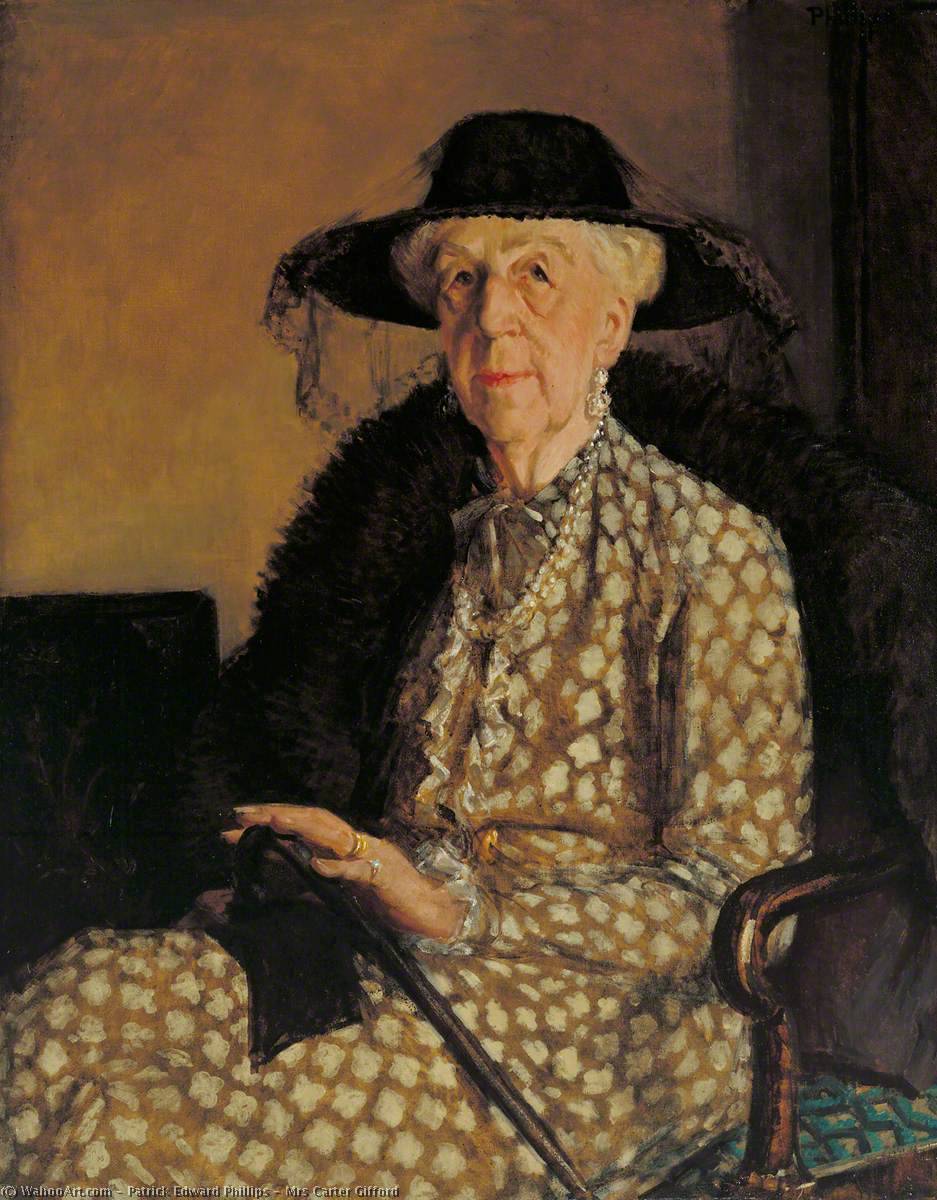
Mrs Carter Gifford
 1947
1947 91.0 x 72.0 cm
 Ver más
Adquiera una imagen digital de alta resolución y optimizada, muy superior a la vista previa en línea.
Cada archivo es preparado meticulosamente por nuestros especialistas internos mediante el uso de herramientas avanzadas y un experto retoque manual. Nos aseguramos de que cada imagen posea una claridad excepcional, una precisión cromática impecable y un detalle minucioso.
El archivo final se entrega por correo electrónico en un plazo de 72 horas, optimizado para su uso inmediato en entornos profesionales, editoriales y de impresión. Esta es la misma calidad en la que confían los estudios de diseño, las editoriales y las galerías de primer nivel.
Imagen Digital
Descarga un archivo de alta resolución para exhibición personal, impresión y proyectos creativos. ( Cambiar a Impresión Comprar pintura hecha a mano)
Incluido en cada pedido de imágenes digitales
Entrega digital experta, garantizada.
Al elegir ArtsDot.com, no solo está adquiriendo una imagen; está recibiendo una obra de arte digital mejorada profesionalmente, elaborada con precisión y respaldada por una garantía de satisfacción. Esto es todo lo que incluye su pedido, automáticamente:

Entrega rápida por email
Recibirá su archivo de imagen digital en alta resolución por correo electrónico en un plazo de 72 horas tras realizar su pedido, listo para su uso inmediato.

Archivo digital optimizado por IA
Su obra de arte se optimiza profesionalmente mediante herramientas avanzadas de IA y edición manual, garantizando el máximo detalle, claridad y precisión cromática.

Reenvío gratuito de por vida
¿Has borrado o perdido tu archivo por error? No te preocupes: te lo volveremos a enviar en cualquier momento, sin coste adicional.

Sin gastos de importación, siempre
Disfrute de su obra de arte al instante sin aduanas, aranceles ni gastos de envío; las descargas digitales siempre están libres de impuestos.

Garantía de fidelidad de color
Garantizamos que su imagen digital refleje los colores originales con la mayor fidelidad posible, mediante el uso de herramientas profesionales y gestión del color.

Garantía de satisfacción de 100 días
Si no está satisfecho con su imagen digital, la revisaremos o le reembolsaremos el 100% en un plazo de 100 días, sin preguntas.

100% Garantía de devolución de dinero
¿No está satisfecho? Obtenga un reembolso completo dentro de los 100 días posteriores a la recepción de su archivo digital, sin preguntas.

Descuentos por pedidos grandes
Compra 3 imágenes, ahorra 10% - Compra 5, ahorra 15% - Compra 10+, ahorra 20%. Ideal para proyectos creativos, galerías y agencias.
Obras relacionadas










Biografía del artista
A Legacy in Likeness: The Portraits of Patrick Edward Phillips
Patrick Edward Phillips, a name resonating within the circles of British portraiture, stands as a compelling figure bridging the gap between established Victorian traditions and the evolving artistic landscape of the 20th century. While biographical details remain somewhat elusive – a characteristic often found with artists whose strength lay in capturing *others* rather than self-promotion – his body of work speaks volumes about his skill, sensitivity, and dedication to preserving the likenesses of prominent individuals during a period of significant social change. Phillips wasn’t merely a recorder of faces; he was an interpreter of character, imbuing each portrait with a quiet dignity and psychological depth that transcends simple representation. His canvases offer a fascinating glimpse into the lives and aspirations of his sitters, reflecting the values and aesthetics of the British upper classes during his active career.Early Life and Artistic Formation
The precise details surrounding Phillips’s early life are scarce, adding to the mystique surrounding his artistic journey. What is known is that he emerged as a professional portrait painter in an era deeply influenced by the grand masters – artists like Reynolds, Gainsborough, and Raeburn. He undoubtedly received formal training, though the specifics of his apprenticeship remain undocumented. It’s reasonable to assume he studied the techniques of these earlier portraitists meticulously, absorbing their mastery of light, composition, and brushwork. The influence of academic realism is palpable in his early works, characterized by precise rendering and a commitment to anatomical accuracy. However, Phillips wasn't content with mere imitation; he gradually developed a distinctive style that blended traditional skills with a more nuanced understanding of human psychology. He appears to have established himself within the London art scene, gaining commissions through personal connections and exhibiting at various galleries – though comprehensive exhibition records are currently unavailable.The Art of Character: Phillips’s Portrait Style
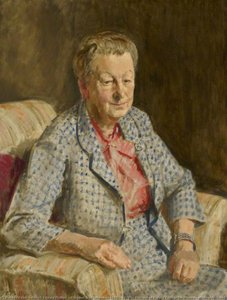
Phillips's portraits are not flamboyant displays of artistic virtuosity; rather, they are exercises in restrained elegance and insightful observation. He favored a relatively subdued palette, often employing rich browns, grays, and creams to create an atmosphere of quiet sophistication. His brushwork is typically smooth and refined, lending his sitters a polished appearance without sacrificing individuality. What truly sets Phillips apart is his ability to capture the *essence* of his subjects – their personality, intelligence, and social standing. He achieved this through careful attention to detail, particularly in the eyes and mouth, which often reveal subtle emotions and inner thoughts. Margaret Sergeaunt, for example, depicted with a gentle composure, exudes an air of quiet confidence and intellectual curiosity. Similarly, his portrait of Sir Valentine Crittall conveys a sense of authority and determination tempered by a thoughtful demeanor. He wasn’t interested in idealizing his sitters; instead, he sought to portray them as they were – complex individuals with their own unique strengths and vulnerabilities.Notable Works and Patronage
While a comprehensive catalogue raisonné of Phillips's work is yet to be compiled, several portraits have emerged as key examples of his artistic achievement. The aforementioned depictions of Margaret Sergeaunt and Sir Valentine Crittall are particularly noteworthy, showcasing his ability to capture both physical likeness and psychological depth. His patrons appear to have been drawn from the upper echelons of British society – industrialists, landowners, and members of the aristocracy. This suggests that Phillips cultivated a reputation for discretion and sensitivity, qualities highly valued by those seeking to preserve their family legacies through portraiture. The scale of his commissions often indicates that he was favored for full-length portraits as well as more intimate head-and-shoulder studies. The consistent quality and refined aesthetic of these works suggest a dedicated studio practice and a commitment to meeting the exacting standards of his clientele.Historical Significance and Enduring Appeal
Patrick Edward Phillips occupies a unique position in British art history. He wasn’t a revolutionary innovator, but rather a skilled practitioner who upheld the traditions of portraiture while subtly infusing them with his own artistic sensibility. His portraits offer valuable insights into the social and cultural values of the late Victorian and early 20th centuries, providing a visual record of the individuals who shaped British society during this period.- His work serves as a testament to the enduring power of portraiture – its ability to capture not only physical likeness but also the essence of human character.
- Phillips’s portraits are increasingly sought after by collectors and institutions, recognizing their historical significance and artistic merit.
- The quiet dignity and psychological depth of his work continue to resonate with audiences today, offering a glimpse into a bygone era.