

 Ver en contexto
 Enviar
 Compartir
 Detalles

 Descargar
 Similares
 Radiografía
 Presentación de diapositivas
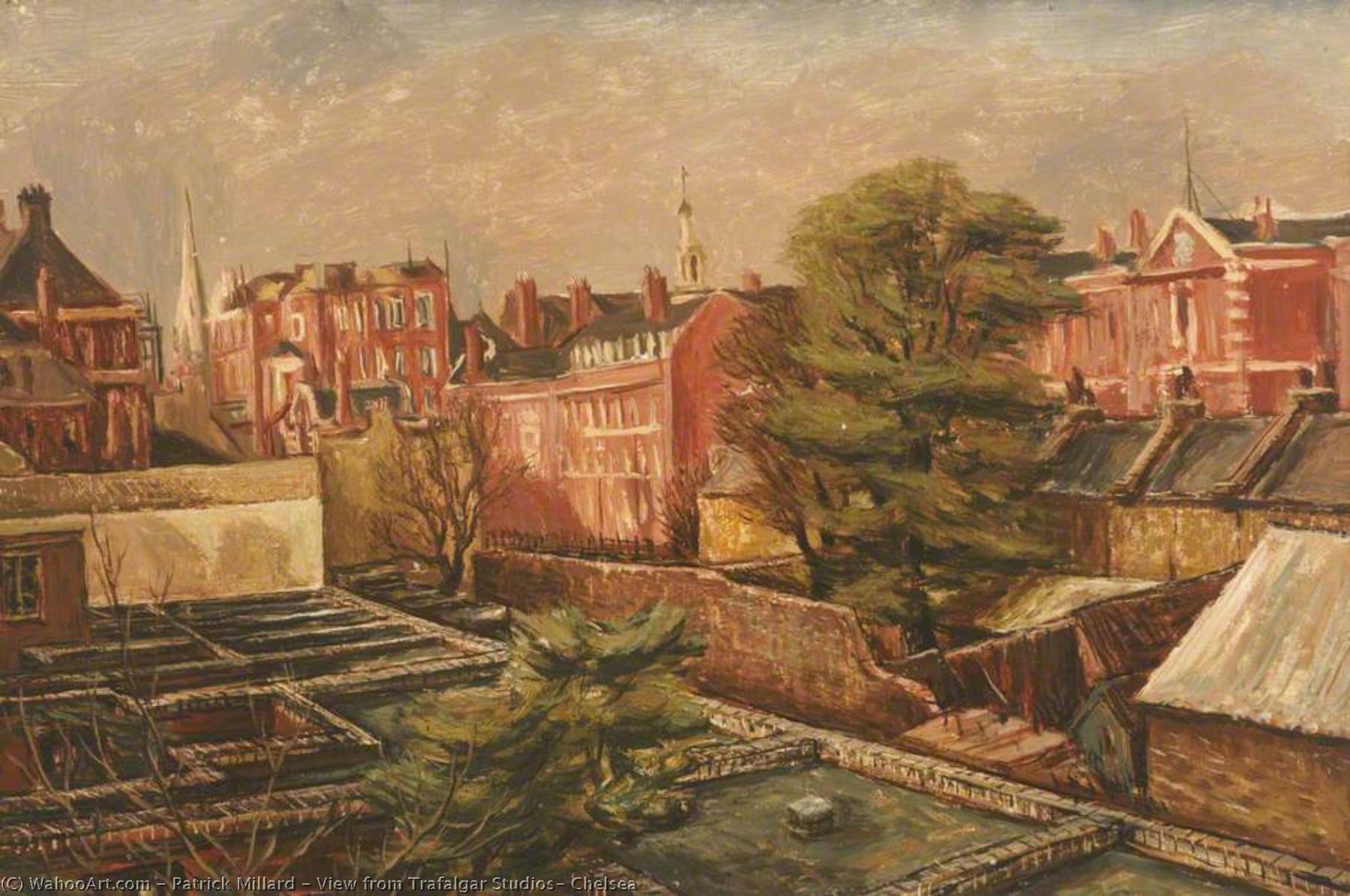
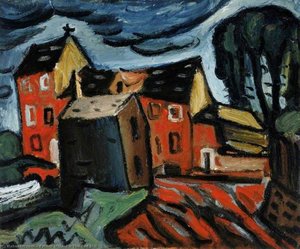
View from Trafalgar Studios, Chelsea
 51.0 x 74.0 cm
 Goldsmiths
 Ver más
Giclée / Impresión de arte
Impresiones giclée o en lienzo de calidad de museo con producción rápida y opciones de acabado flexibles. ( Comprar pintura hecha a mano Comprar imagen)




































Elija entre nuestros tamaños predefinidos que respetan las proporciones originales de la obra.

Puede introducir sus propias dimensiones para adaptarse a un marco o espacio específico. Si el tamaño seleccionado no coincide con las proporciones de la imagen original, recortaremos la obra de arte o extenderemos la imagen con un borde con efecto espejo o de color sólido. Se enviará una maqueta digital para su aprobación antes de que comience la producción.
Tenga en cuenta que la vista previa en pantalla no refleja el recorte o la extensión real. Solo la maqueta mostrará con precisión la composición final.
Aunque existen tamaños personalizados, recomendamos seleccionar una dimensión de la lista predefinida para preservar las proporciones originales.
Envío a todo el mundo () en 2 semanas en lugar de las 4/5 semanas estándar. (28 agosto)

Envío exprés gratuito a todo el mundo

Lienzo de lino de alta calidad

Seguro de envío total

Garantía de reembolso de impuestos aduaneros

Garantía de fidelidad cromática exacta

Política de devolución de 60 días (solo por defectos)

Garantía de devolución del 100% del dinero

Descuento por cantidad
 La opción de vidrio solo está disponible en tamaños inferiores a 110 cm.

View from Trafalgar Studios, Chelsea
Giclée / Impresión de arte
Dimensiones de la reproducción
-


Precio total final
$ 62
Obras relacionadas





Biografía del artista
The Lyrical Vision of Patrick Ferguson Millard
In the tapestry of twentieth-century British art, few threads weave together the delicate strands of Romanticism and Modernism as gracefully as Patrick Ferguson Millard. Born in 1902 amidst the rugged beauty of Aspatria, Cumberland, Millard’s very origins were steeped in a profound connection to the English landscape and intellectual heritage. The son of Reverend F.L.H. Millard, his upbringing was shaped by an environment where scholarly curiosity and natural splendor coexisted. This duality—a reverence for the historical weight of the land and an openness to new aesthetic frontiers—would become the cornerstone of his artistic identity. His lineage, connected to the esteemed historian Robert S. Ferguson, anchored him to the traditions of Cumbria, yet his spirit was destined to wander far beyond the borders of his birthplace.
Millard’s formal journey into the heart of the art world began through a series of prestigious institutions, including the Carlisle School of Art and the Liverpool School of Art, eventually leading him to the Royal Academy Schools between 1921 and 1925. It was during this formative period that he encountered the influential mentor Walter Sickert, whose guidance proved transformative. Sickert encouraged Millard to look toward the continent, prompting a journey through Paris, Italy, and Spain. This exposure to the vibrant currents of European art—the dramatic intensity of El Greco and the structural innovations of Cubism and Surrealism—deeply enriched his palette and perspective. While he absorbed these modernistic whispers, Millard remained fundamentally tethered to a more lyrical, emotive approach, seeking to capture the soul of his subjects rather than merely their geometric essence.
A Legacy of Light and Line
The artistry of Millard is characterized by an exquisite sensitivity to atmosphere, often described as a visual interpretation of emotion. He was not merely a painter of scenes, but a translator of moods. His work frequently echoes the pastoral legacy of Samuel Palmer, channeling a sense of quiet contemplation and the idealized beauty of the English countryside. Through delicate linework and subtle washes of watercolor, he breathed life into landscapes that felt both ancient and immediate. His mastery extended beyond the horizon of the landscape to include intimate life studies and animal drawings, where his keen understanding of anatomy and form met a soft, poetic touch.
Beyond his personal practice, Millard’s influence permeated the academic landscape of British art education. As a lecturer and teacher, he held prestigious positions that allowed him to shape the next generation of visionaries, including notable artists such as John Minton and Michael Ayrton. His ability to bridge the gap between the traditional Victorian sensibility and the burgeoning modern era made him a vital figure in art pedagogy. His career was marked by significant accolades, including the Royal Academy Gold Medal and the Traveling Scholarship in 1925, which served as a testament to his rising prominence on the international stage.
To reflect upon the breadth of his contribution, one might consider these defining elements of his career:
- The Romantic Connection: A profound stylistic debt to the pastoral traditions of Samuel Palmer and the expressive power of El Greco.
- Educational Impact: His role as a mentor and educator at institutions like St John's Wood Art School, influencing mid-century British art.
- Technical Versatility: An ability to move seamlessly between the precision of pen and ink and the ethereal qualities of watercolor and wash.
- Historical Synthesis: The unique ability to harmonize the scholarly, historical weight of his Cumbrian roots with the experimental spirit of European Modernism.
Ultimately, Patrick Ferguson Millard remains a pivotal figure whose work serves as a bridge between eras. He captured the fleeting light of the English landscape and the enduring strength of tradition, leaving behind a body of work that continues to invite viewers into a world of quiet, luminous beauty.
patrick millard
1902 - 1972
Datos clave
- Artistic Movement Or Style: Animal Drawings & Landscape Painting
- Artists Or Movements Influenced By This Artist: Samuel Palmer
- Artists Who Influenced This Artist: Walter Sickert
- Date Of Birth: 1902
- Date Of Death: 1972
- Full Name: Patrick Ferguson Millard
- Nationality: British
- Notable Artworks:
- The Shepherdess
- The Old Oak
- Place Of Birth: Aspatria, Cumberland

