 Ver en contexto
 Enviar
 Compartir
 Detalles

 Descargar
 Similares
 Radiografía
 Presentación de diapositivas
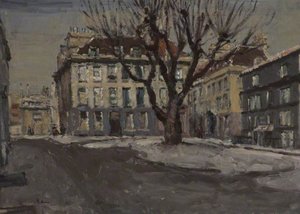
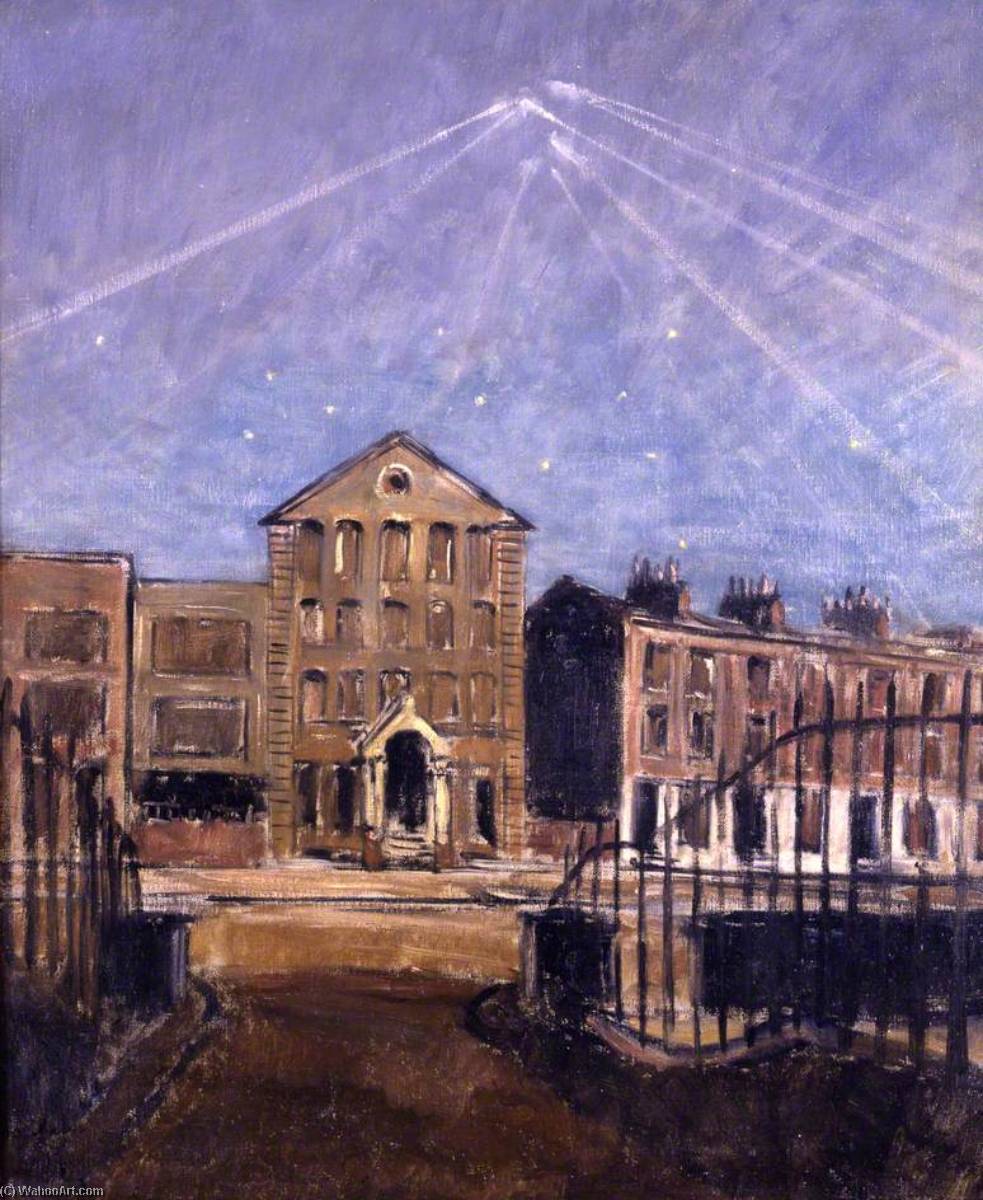
London by Midnight, Primrose Hill
 Oil On Canvas
- WallArt
- Romanticism
 1940
1940 61.0 x 52.0 cm
 Colección del Consejo Británico
 Ver más
Reproducción al óleo hecha a mano
Óleo sobre lienzo pintado a mano en el tamaño y marco de su elección, realizado por encargo por nuestros artistas. ( Comprar impresión Comprar imagen)




P118B $10

P118H $10

P118W $10

P438Z $10

P508JH $12

P508YH $12

P805H $10

P805Z $10

P919BZ $10

P919G $10

P919XJ $10

P959ZH $10

P968JZ $12

W106C $8

W218G $10

W218JH $8

W218Y $10

W307PJ $10

W316G $10

W316PJ $8

W316Y $10

W398PJ $8

W4111J $10

W500HY $15

W500JH $15

W692G $12

W849H $8

W940BG $15

W953PJ $8




Elija entre nuestros tamaños predefinidos que respetan las proporciones originales de la obra.

Puede ingresar sus propias dimensiones para adaptarse a un marco o espacio específico. Si el tamaño seleccionado no coincide con las proporciones de la imagen original, recortaremos la obra o extenderemos la pintura con elementos adicionales pintados a mano. Se le enviará una maqueta digital para su aprobación antes de comenzar la producción.
Tenga en cuenta que la vista previa en pantalla no refleja el recorte o la extensión reales. Solo la maqueta mostrará con precisión la composición final.
Si bien existen tamaños personalizados, recomendamos seleccionar una dimensión de la lista predefinida para preservar las proporciones originales.
Tras realizar el pedido, el equipo de ArtsDot.com enviará un correo electrónico al cliente para solicitar instrucciones y proporcionarle una vista previa del boceto.
Envío a todo el mundo () en 3-4 semanas en lugar de las 5 semanas estándar. (25 agosto). Sin comprometer la calidad.

Envío exprés gratuito a todo el mundo

Lienzo de lino de alta calidad

Seguro de envío total

Garantía de reembolso de impuestos aduaneros

Garantía de fidelidad cromática exacta

Política de devolución de 60 días (solo por defectos)

Garantía de devolución del 100% del dinero

Descuento por cantidad
 La opción de vidrio solo está disponible en tamaños inferiores a 110 cm.

London by Midnight, Primrose Hill
Técnica de reproducción
Dimensiones de la reproducción
-


Precio total final
$ 263
Descripción de la obra
A Nocturne in Prussian Blue: Paul Ayshford Methuen’s “London by Midnight”
Paul Ayshford Methuen's "London by Midnight," painted in 1940, isn’t merely a depiction of a city at night; it’s a carefully constructed mood piece, a melancholic meditation on urban solitude and the lingering shadows of history. The painting captures a quintessential London scene – Primrose Hill, rising dramatically from the cityscape – bathed in the cool, almost ethereal light of a star-strewn sky. Methuen, a man deeply rooted in both scientific observation (he was a zoologist) and artistic expression, masterfully blends realism with an atmospheric sensibility that transcends simple representation.
The composition is dominated by the imposing silhouette of a church or substantial building in the foreground, its dark form anchoring the scene. This structure isn’t explicitly identified, lending it an air of timelessness, suggesting it has witnessed countless London nights and perhaps even held secrets within its walls. The buildings receding into the distance are rendered with a subtle impressionistic touch – not sharply defined but rather suggested through washes of color and atmospheric perspective. The artist skillfully uses Prussian blue as his dominant hue, creating a sense of depth and coolness that permeates the entire canvas. This deliberate choice contributes significantly to the painting’s overall mood—a quiet introspection punctuated by the distant glimmer of streetlights.
Technique and Materials: A Delicate Balance
Methuen's technique is characterized by a remarkable control over color and texture. He employs a layering approach, building up thin washes of paint to create luminous effects and subtle gradations in tone. The sky itself isn’t a uniform blue; it’s a complex tapestry of shades – from the deepest indigo near the horizon to lighter, almost silvery tones higher above. The artist's use of glazing—applying translucent layers of color over dried underlayers—allows the light to penetrate and reflect, giving the painting an incredible sense of depth and atmosphere. The brushwork is generally smooth and blended, contributing to the overall feeling of serenity, yet there are moments where a slight textural variation emerges, hinting at the underlying structure of the buildings and the rough terrain of Primrose Hill.
The canvas itself appears to be primed with a fine grit, which contributes to the subtle sheen observed in the painting. Methuen’s choice of materials—particularly his use of Prussian blue pigment—demonstrates a deep understanding of color theory and its ability to evoke specific emotions. The careful attention to detail, combined with the artist's intuitive grasp of light and atmosphere, results in a remarkably convincing and emotionally resonant portrayal of London at night.
Symbolism and Context: Echoes of Victorian London
"London by Midnight" resonates deeply within the context of 1940 Britain – a nation grappling with the anxieties of wartime. The painting’s quiet solitude, its focus on urban isolation, can be interpreted as a reflection of the collective mood during those turbulent times. Primrose Hill itself holds historical significance; it was once a popular spot for leisure and social gatherings, but by night, it offered a space for contemplation and escape from the pressures of daily life.
The church or building in the foreground evokes images of Victorian London—a time of rapid industrialization, social change, and profound spiritual questioning. The painting subtly suggests that even amidst the bustle of modern urban life, there remains a connection to the past, to tradition, and perhaps even to something beyond our immediate understanding. The stars above offer a sense of timelessness and perspective, reminding us of the vastness of the universe and our own small place within it.
Emotional Impact: A Moment of Quiet Reflection
Ultimately, “London by Midnight” is a painting that invites contemplation. It’s not a dramatic or overtly exciting scene; rather, it offers a moment of quiet reflection—a chance to pause and consider the beauty and complexity of the city, as well as our own place within its grand narrative. The cool colors, the atmospheric perspective, and the subtle details all combine to create an emotionally evocative experience that lingers long after the viewer has turned away. It’s a painting that speaks to the enduring appeal of urban landscapes and the power of art to capture the essence of a particular time and place.
Obras relacionadas
Biografía del artista
Primeros Años y Educación
- Nacido: 29 de septiembre de 1886, Corsham, Reino Unido
- Padres: Field Marshal Paul Sanford Methuen, 3er Baron Methuen, y Mary Ethel née Sanford
- Educación: Eton College, New College, Oxford (estudió zoología e ingeniería)
- Tenía intereses tempranos en la ciencia natural y la ingeniería.
- Estudió dibujo en Eton, Ruskin en Oxford y con Charles Holmes.
Trayectoria Científica y Carrera Temprana
- 1910-1914: Trabajó en el Museo Transvaal en Pretoria, Sudáfrica.
- Publicó varios artículos científicos sobre zoología, particularmente herpetología, con John Hewitt.
- Recopiló y describió numerosos géneros y especies del sur de África y Madagascar.
- Rechazó una cátedra en zoología en una universidad sudafricana para permanecer comprometido con su hogar ancestral.
- Sirvió con el Royal Wiltshire Yeomanry y los Scots Guards durante la Primera Guerra Mundial.
Desarrollo Artístico y Estilo
- 1927: Asistió a clases de arte impartidas por Walter Sickert, lo que influyó significativamente en su estilo pictórico.
- Desarrolló una reputación como artista serio.
- Sus temas preferidos incluían vistas urbanas, escenas al aire libre con edificios, animales y plantas (magnolias, orquídeas en Corsham Court).
- Su trabajo a menudo representaba paisajes y paisajes urbanos con un enfoque en la luz y la atmósfera.
- La influencia de Sickert es evidente en el uso del color por parte de Methuen y su interés en capturar la vida cotidiana.
Logros Principales y Reconocimiento
- 1928: Primera exposición individual en la Warren Gallery.
- Exhibió regularmente en las Galerías Leicester, Colnaghi's y la Royal Academy.
- Fue presidente de la Royal West of England Academy en Bristol (1939-1971).
- Elegido Asociado de la Royal Academy en 1951 y Académico Real en 1959.
- Fiduciario de la National Gallery (1938-1945) y la Tate Gallery (1940-1945).
- Escribió *Normandy Diary* detallando sus experiencias protegiendo obras de arte durante la Segunda Guerra Mundial como parte de la rama de Adquisiciones y Bellas Artes.
Vida Posterior, Legado e Honores
- Dedicado a restaurar Corsham Court y su colección de arte.
- Publicó una historia de la colección de arte de Corsham Court en 1958 y un catálogo de miniaturas en 1970.
- Ofreció Corsham Court a la Bath Academy of Art, que lo albergó hasta 1972.
- Una especie de lagarto sudafricano, *Lygodactylus methueni*, lleva su nombre en honor suyo.
- Falleció: 7 de enero de 1974, en Bath.
- Su legado incluye una obra que refleja tanto su curiosidad científica como su talento artístico, capturando la esencia de los paisajes británicos y la vida urbana.
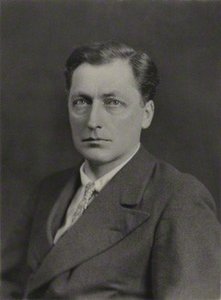
Paul Ayshford Methuen
1886 - 1974 , Reino Unido
Datos clave
- Artistas Que Influyeron En Este Artista: ['Walter Sickert']
- Fecha De Fallecimiento: 7 de enero de 1974
- Fecha De Nacimiento: 29 de septiembre de 1886
- Lugar De Nacimiento: Corsham, Reino Unido
- Movimiento Artístico O Estilo: Paisajes urbanos y estudios animales
- Nacionalidad: Británico
- Nombre Completo: Paul Ayshford Methuen
Artículos relacionados
25 Obras Maestras de la National Gallery, Londres: Arte, Historia y Decoración Exclusiva
Descubre 25 obras maestras de la National Gallery, Londres. Explora la historia y el significado de Van Gogh, Monet, Leonardo da Vinci y más. Encuentra reproducciones de arte exclusivas para decorar tu hogar con estilo en ArtsDot.com.
Thomas Hill: Luminosity, Landscape & the American Pastoral Ideal
Explore the luminous landscapes of Thomas Hill, a pivotal figure in the Hudson River School & Luminism movements. Discover his artistic journey, philosophical depth, and enduring legacy with ArtsDot.
Urban Visions: A Historical & Artistic Exploration of the Cityscape in Painting
Explore the evolution of cityscape painting from historical maps to Impressionist masterpieces. Discover artists like Caillebotte, Utrillo & Matsumoto Shunsuke. Find museum-quality reproductions at ArtsDot.
Urban Visions: A Historical & Artistic Exploration of the Cityscape in Painting
Explore the evolution of cityscape painting from historical maps to Impressionist masterpieces. Discover artists like Caillebotte & Utrillo. Find museum-quality reproductions at ArtsDot.
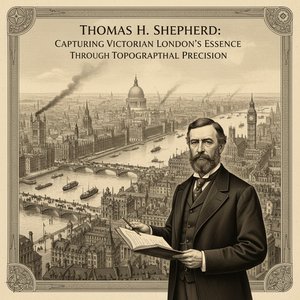
Thomas H. Shepherd: Capturing Victorian London's Essence Through Topographical Precision
Explore the exquisite topographical paintings of Thomas H. Shepherd, renowned for his detailed depictions of Victorian London and beyond. Discover his legacy & artistic techniques.