 Ver en contexto
 Enviar
 Compartir
 Detalles

 Descargar
 Similares
 Radiografía
 Presentación de diapositivas
Rock House, Bathford
 Oil On Canvas
- WallArt
- Impressionism
 34.0 x 42.0 cm
 Clare College
 Ver más
Reproducción al óleo hecha a mano
Óleo sobre lienzo pintado a mano en el tamaño y marco de su elección, realizado por encargo por nuestros artistas. ( Comprar impresión Comprar imagen)




P118B $10

P118H $10

P118W $10

P438Z $10

P508JH $12

P508YH $12

P805H $10

P805Z $10

P919BZ $10

P919G $10

P919XJ $10

P959ZH $10

P968JZ $12

W106C $8

W218G $10

W218JH $8

W218Y $10

W307PJ $10

W316G $10

W316PJ $8

W316Y $10

W398PJ $8

W4111J $10

W500HY $15

W500JH $15

W692G $12

W849H $8

W940BG $15

W953PJ $8




Elija entre nuestros tamaños predefinidos que respetan las proporciones originales de la obra.

Puede ingresar sus propias dimensiones para adaptarse a un marco o espacio específico. Si el tamaño seleccionado no coincide con las proporciones de la imagen original, recortaremos la obra o extenderemos la pintura con elementos adicionales pintados a mano. Se le enviará una maqueta digital para su aprobación antes de comenzar la producción.
Tenga en cuenta que la vista previa en pantalla no refleja el recorte o la extensión reales. Solo la maqueta mostrará con precisión la composición final.
Si bien existen tamaños personalizados, recomendamos seleccionar una dimensión de la lista predefinida para preservar las proporciones originales.
Tras realizar el pedido, el equipo de ArtsDot.com enviará un correo electrónico al cliente para solicitar instrucciones y proporcionarle una vista previa del boceto.
Envío a todo el mundo () en 3-4 semanas en lugar de las 5 semanas estándar. (24 agosto). Sin comprometer la calidad.

Envío exprés gratuito a todo el mundo

Lienzo de lino de alta calidad

Seguro de envío total

Garantía de reembolso de impuestos aduaneros

Garantía de fidelidad cromática exacta

Política de devolución de 60 días (solo por defectos)

Garantía de devolución del 100% del dinero

Descuento por cantidad
 La opción de vidrio solo está disponible en tamaños inferiores a 110 cm.

Rock House, Bathford
Técnica de reproducción
Dimensiones de la reproducción
-


Precio total final
$ 263
Descripción de la obra
A Moment Frozen in Time: Paul Ayshford Methuen’s “Rock House, Bathford”
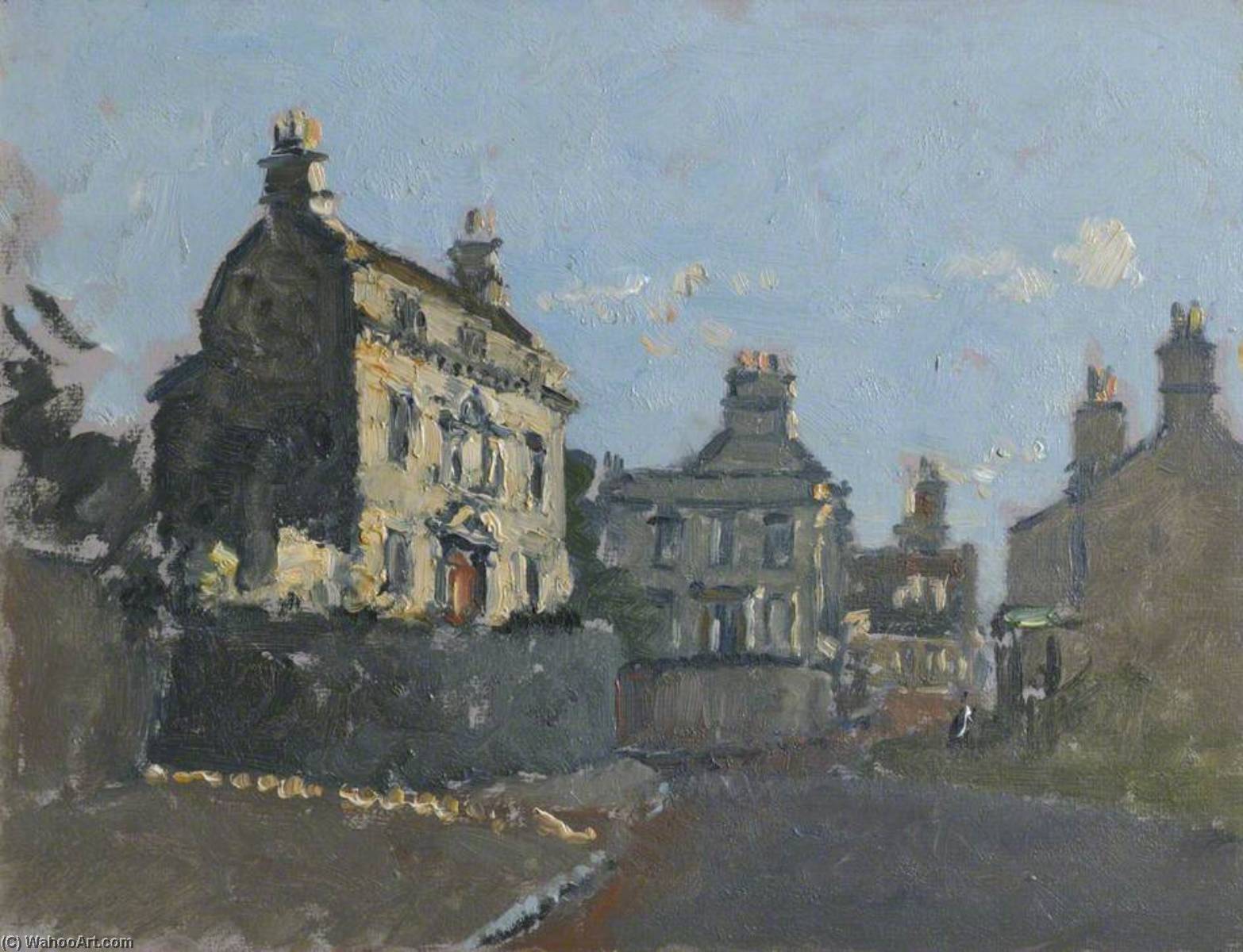
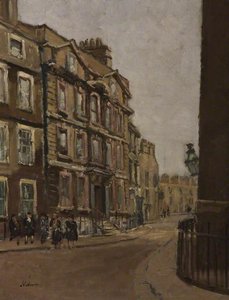
Paul Ayshford Methuen's "Rock House, Bathford" isn’t merely a depiction of a village street; it’s an invitation to step into a fleeting moment, captured with the delicate brushstrokes and luminous quality characteristic of Impressionism. Painted in the late 19th or early 20th century – the exact date remains elusive, adding to its quiet allure – the canvas presents a scene bathed in diffused light, suggesting either a misty morning or an overcast afternoon. The composition is subtly asymmetrical, drawing the eye towards the imposing structure on the right, a grander building that anchors the view and provides a sense of scale to the smaller dwellings receding into the background. Methuen masterfully employs horizontal lines – the rooftops, the road, the distant horizon – creating a feeling of stability and grounding, while vertical elements, subtly present in the chimneys and windows, add a touch of dynamism.
- Style & Technique: The painting leans heavily into Impressionistic principles. Loose brushwork dominates, prioritizing capturing the *impression* of light and atmosphere over precise detail. Thick impasto – visible, textured paint application – adds physicality to the scene, particularly around the building’s edges and roofline, lending a tactile quality that invites close inspection.
- Color Palette: The color scheme is muted and harmonious, dominated by soft blues, greys, browns, and ochres. These earthy tones evoke a sense of tranquility and timelessness, reflecting the rural setting. Subtle variations in hue create depth and suggest the play of light on surfaces.
- Compositional Elements: The artist’s use of perspective is deliberately flattened, a hallmark of Impressionism that prioritizes capturing the overall feeling of space rather than creating a realistic three-dimensional representation. The layering of buildings and atmospheric haze contributes to this effect.
Unveiling the Artist: Paul Ayshford Methuen – A Bridging of Worlds
Paul Ayshford Methuen, 4th Baron Methuen (1886-1974), was a figure whose life embodied a fascinating confluence of passions. Born into a lineage steeped in military tradition and scientific inquiry, he defied expectations by pursuing both zoological research – spending formative years in South Africa studying natural history – and a dedicated artistic practice. His background as a Baron, coupled with his academic pursuits, provided him with a unique perspective, evident in the thoughtful observation and understated elegance of his work. Methuen’s early education at Eton College and Oxford University further shaped his intellectual curiosity, while his later involvement in conservation efforts underscored his deep connection to the natural world. His decision to reject a university chair in zoology, choosing instead to dedicate himself to art, speaks volumes about his commitment to creative expression.
Historical Context:** Methuen’s work reflects the broader artistic trends of the late 19th and early 20th centuries, particularly the rise of Impressionism and Post-Impressionism. These movements challenged traditional academic painting styles, emphasizing subjective perception, fleeting moments, and the expressive qualities of color and light.Symbolic Resonance: The Quiet Narrative of Rural Life
While seemingly a simple depiction of a village street, “Rock House, Bathford” subtly evokes a sense of nostalgia and quietude. The muted colors and atmospheric haze suggest a timelessness, inviting the viewer to contemplate the rhythms of rural life. The grand building on the right could represent stability and permanence, while the smaller dwellings symbolize community and connection. The lack of dramatic action or overt emotion contributes to the painting’s contemplative mood – it's not a story told, but a moment observed and rendered with sensitivity. The choice of subject matter—a commonplace street scene—elevates it through Methuen’s skilled execution and evocative use of light.
A Reproduction for Your Space: Bringing “Rock House” Home
ArtsDot offers high-quality reproductions of Paul Ayshford Methuen's "Rock House, Bathford," allowing you to bring this captivating artwork into your home or office. The original’s impasto texture is faithfully reproduced through a meticulous printing process, ensuring that the painting retains its tactile quality and luminous depth. Available in various sizes, from 34 x 42 cm to larger formats, our reproductions are printed on archival-quality canvas using vibrant, fade-resistant inks. Consider this piece as a serene addition to your living room, study, or gallery – a subtle reminder of the beauty found in everyday moments and the enduring legacy of British Impressionism.
Obras relacionadas
Biografía del artista
Primeros Años y Educación
- Nacido: 29 de septiembre de 1886, Corsham, Reino Unido
- Padres: Field Marshal Paul Sanford Methuen, 3er Baron Methuen, y Mary Ethel née Sanford
- Educación: Eton College, New College, Oxford (estudió zoología e ingeniería)
- Tenía intereses tempranos en la ciencia natural y la ingeniería.
- Estudió dibujo en Eton, Ruskin en Oxford y con Charles Holmes.
Trayectoria Científica y Carrera Temprana
- 1910-1914: Trabajó en el Museo Transvaal en Pretoria, Sudáfrica.
- Publicó varios artículos científicos sobre zoología, particularmente herpetología, con John Hewitt.
- Recopiló y describió numerosos géneros y especies del sur de África y Madagascar.
- Rechazó una cátedra en zoología en una universidad sudafricana para permanecer comprometido con su hogar ancestral.
- Sirvió con el Royal Wiltshire Yeomanry y los Scots Guards durante la Primera Guerra Mundial.
Desarrollo Artístico y Estilo
- 1927: Asistió a clases de arte impartidas por Walter Sickert, lo que influyó significativamente en su estilo pictórico.
- Desarrolló una reputación como artista serio.
- Sus temas preferidos incluían vistas urbanas, escenas al aire libre con edificios, animales y plantas (magnolias, orquídeas en Corsham Court).
- Su trabajo a menudo representaba paisajes y paisajes urbanos con un enfoque en la luz y la atmósfera.
- La influencia de Sickert es evidente en el uso del color por parte de Methuen y su interés en capturar la vida cotidiana.
Logros Principales y Reconocimiento
- 1928: Primera exposición individual en la Warren Gallery.
- Exhibió regularmente en las Galerías Leicester, Colnaghi's y la Royal Academy.
- Fue presidente de la Royal West of England Academy en Bristol (1939-1971).
- Elegido Asociado de la Royal Academy en 1951 y Académico Real en 1959.
- Fiduciario de la National Gallery (1938-1945) y la Tate Gallery (1940-1945).
- Escribió *Normandy Diary* detallando sus experiencias protegiendo obras de arte durante la Segunda Guerra Mundial como parte de la rama de Adquisiciones y Bellas Artes.
Vida Posterior, Legado e Honores
- Dedicado a restaurar Corsham Court y su colección de arte.
- Publicó una historia de la colección de arte de Corsham Court en 1958 y un catálogo de miniaturas en 1970.
- Ofreció Corsham Court a la Bath Academy of Art, que lo albergó hasta 1972.
- Una especie de lagarto sudafricano, *Lygodactylus methueni*, lleva su nombre en honor suyo.
- Falleció: 7 de enero de 1974, en Bath.
- Su legado incluye una obra que refleja tanto su curiosidad científica como su talento artístico, capturando la esencia de los paisajes británicos y la vida urbana.
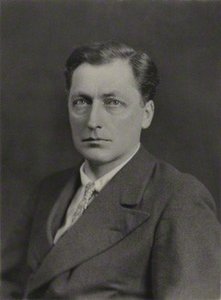
Paul Ayshford Methuen
1886 - 1974 , Reino Unido
Datos clave
- Artistas Que Influyeron En Este Artista: ['Walter Sickert']
- Fecha De Fallecimiento: 7 de enero de 1974
- Fecha De Nacimiento: 29 de septiembre de 1886
- Lugar De Nacimiento: Corsham, Reino Unido
- Movimiento Artístico O Estilo: Paisajes urbanos y estudios animales
- Nacionalidad: Británico
- Nombre Completo: Paul Ayshford Methuen
Artículos relacionados

Paul Cézanne: Las 25 Obras Maestras que Definieron el Arte Moderno | ArtsDot
Descubre las 25 obras maestras de Paul Cézanne que revolucionaron el arte moderno. Explora su técnica, inspiración y significado en paisajes, bodegones y retratos. Reproducciones de alta calidad para decorar tu hogar con arte inolvidable. ¡Explora la colección completa en ArtsDot.com!
Paul Klee: Las 25 Obras Maestras que Definen un Genio del Arte Moderno | ArtsDot
Descubre las 25 obras maestras de Paul Klee, el genio del arte moderno. Explora su expresionismo único, composiciones abstractas y vibrantes paletas de colores. Reproducciones de alta calidad y decoración con arte en ArtsDot.com.

Los 10 Maestros del Paisaje Impresionista: Obras que Cambiaron la Historia del Arte
Descubre los 10 lienzos impresionistas que revolucionaron el arte. Monet, Renoir y más… Explora la historia, técnica y belleza de cada obra maestra. Encuentra reproducciones de alta calidad para tu hogar en ArtsDot.com.
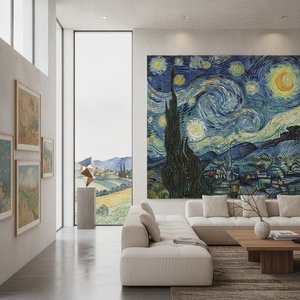
Beyond the Horizon: A Curated Guide to Integrating Post-Impressionist Landscapes into Modern Interiors
Transform your home with the emotive power of Post-Impressionist landscapes. Discover expert tips on selecting hand-painted oil reproductions to create a soulful, vibrant interior that reflects your unique style and connection to nature.

Los 10 Maestros del Paisaje Impresionista: Obras que Cambiaron la Historia del Arte
Descubre los 10 lienzos impresionistas que revolucionaron el arte. Explora la historia de Monet, Van Gogh y Renoir, sus técnicas y colores vibrantes. Encuentra reproducciones de alta calidad para decorar tu hogar en ArtsDot.com