 Ver en contexto
 Enviar
 Compartir
 Detalles

 Descargar
 Similares
 Radiografía
 Presentación de diapositivas
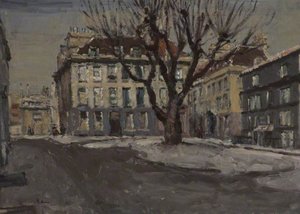
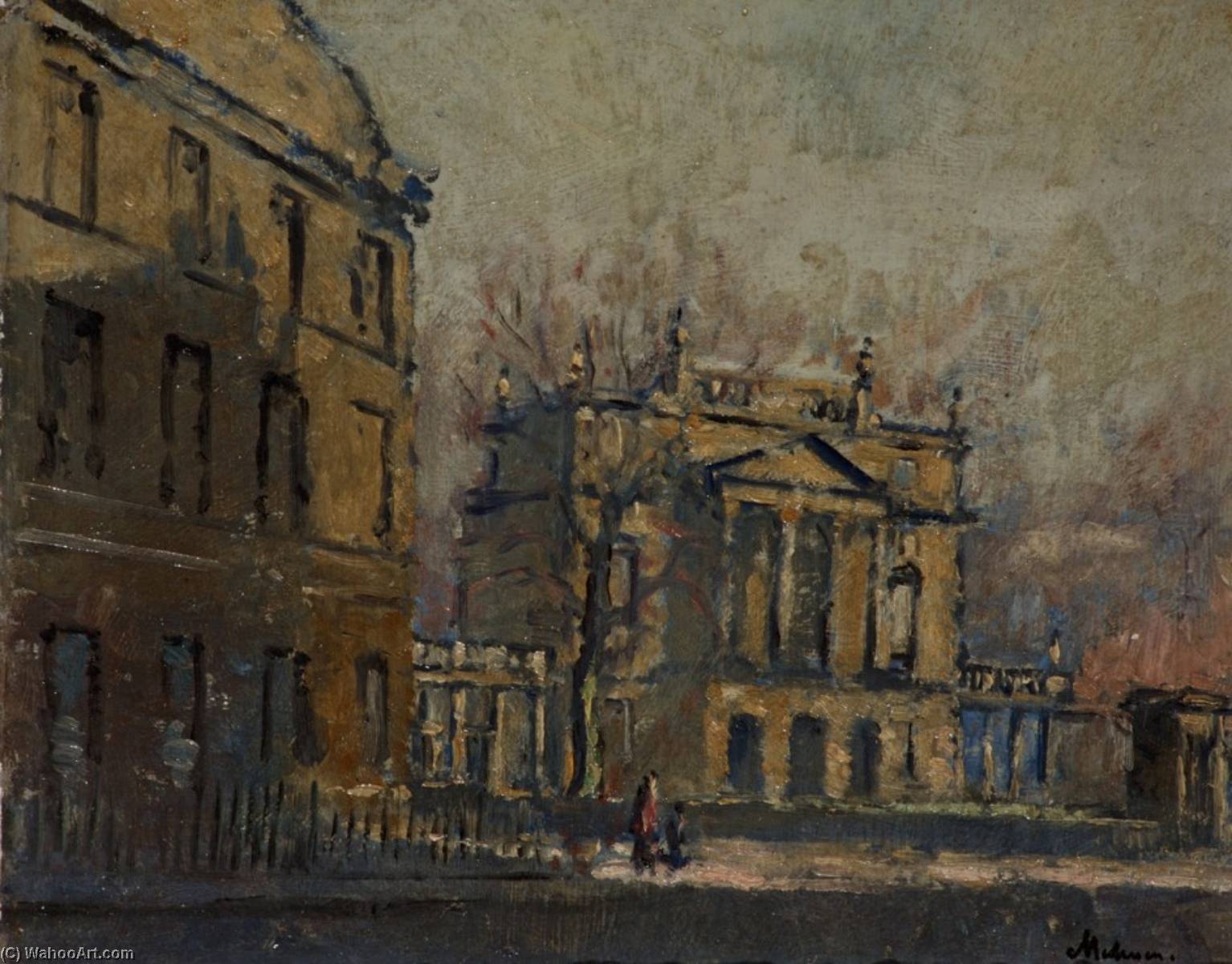
The Holburne of Menstrie Museum, Bath, 18 January 1940
 Oil On Canvas
- WallArt
- Contemporary Realism
 1940
1940- Modern
 25.0 x 30.0 cm
 El Museo Holburne
 Ver más
Reproducción al óleo hecha a mano
Óleo sobre lienzo pintado a mano en el tamaño y marco de su elección, realizado por encargo por nuestros artistas. ( Comprar impresión Comprar imagen)




P118B $10

P118H $10

P118W $10

P438Z $10

P508JH $12

P508YH $12

P805H $10

P805Z $10

P919BZ $10

P919G $10

P919XJ $10

P959ZH $10

P968JZ $12

W106C $8

W218G $10

W218JH $8

W218Y $10

W307PJ $10

W316G $10

W316PJ $8

W316Y $10

W398PJ $8

W4111J $10

W500HY $15

W500JH $15

W692G $12

W849H $8

W940BG $15

W953PJ $8




Elija entre nuestros tamaños predefinidos que respetan las proporciones originales de la obra.

Puede ingresar sus propias dimensiones para adaptarse a un marco o espacio específico. Si el tamaño seleccionado no coincide con las proporciones de la imagen original, recortaremos la obra o extenderemos la pintura con elementos adicionales pintados a mano. Se le enviará una maqueta digital para su aprobación antes de comenzar la producción.
Tenga en cuenta que la vista previa en pantalla no refleja el recorte o la extensión reales. Solo la maqueta mostrará con precisión la composición final.
Si bien existen tamaños personalizados, recomendamos seleccionar una dimensión de la lista predefinida para preservar las proporciones originales.
Tras realizar el pedido, el equipo de ArtsDot.com enviará un correo electrónico al cliente para solicitar instrucciones y proporcionarle una vista previa del boceto.
Envío a todo el mundo () en 3-4 semanas en lugar de las 5 semanas estándar. (2 septiembre). Sin comprometer la calidad.

Envío exprés gratuito a todo el mundo

Lienzo de lino de alta calidad

Seguro de envío total

Garantía de reembolso de impuestos aduaneros

Garantía de fidelidad cromática exacta

Política de devolución de 60 días (solo por defectos)

Garantía de devolución del 100% del dinero

Descuento por cantidad
 La opción de vidrio solo está disponible en tamaños inferiores a 110 cm.

The Holburne of Menstrie Museum, Bath, 18 January 1940
Técnica de reproducción
Dimensiones de la reproducción
-


Precio total final
$ 263
A Window into a Vanished Era
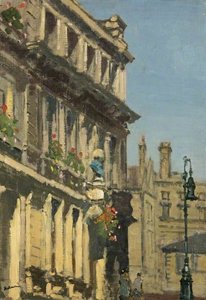
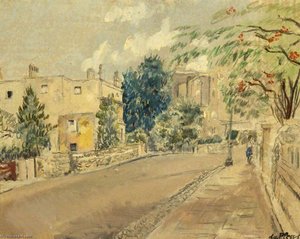
In the quiet, evocative strokes of Paul Ayshford Methuen’s 1940 masterpiece, The Holburne of Menstrie Museum, Bath, we are transported to a moment frozen in time. This large-scale oil on canvas serves as more than just a depiction of an urban landscape; it is a soulful meditation on the intersection of architectural grandeur and the rhythmic pulse of daily life. As the eye wanders across the composition, it is immediately drawn to the imposing structure that dominates the frame, its many windows reflecting a bygone era of elegance. The presence of a clock tower at the summit acts as a silent sentinel, marking the passage of time and lending an air of historical weight to the scene. Through Methuen’s lens, the street becomes a stage where history and modernity—as they existed in the early twentieth century—perform a delicate dance.
The artist’s technique reveals a profound mastery of light and atmosphere, characteristic of his unique background that blended scientific precision with aesthetic sensitivity. The brushwork is deliberate yet fluid, capturing the textures of stone, glass, and sky with an intimacy that invites the viewer to step directly into the street. There is a palpable sense of movement within the stillness; the solitary figures strolling through the scene provide a human scale to the monumental architecture, while the inclusion of a horse on the periphery serves as a poignant symbol of a transitioning world. This subtle detail bridges the gap between the traditional modes of transport and the burgeoning urban energy of the mid-century, creating a narrative of continuity amidst change.
An Atmosphere of Nostalgic Grandeur
For the discerning collector or interior designer, this painting offers an unparalleled opportunity to introduce a sense of historical depth and sophisticated charm into a living space. The color palette, rich with the muted tones of a winter day in Bath, evokes a feeling of contemplative calm. It is a piece that does not merely decorate a wall but rather anchors a room, providing a focal point that sparks conversation and deep reflection. The composition’s balance between the heavy, permanent presence of the museum building and the fleeting, transient nature of the pedestrians creates an emotional resonance that is both melancholic and deeply comforting.
Integrating a high-quality reproduction of this work into a contemporary interior allows for a beautiful juxtaposition of old and new. Whether placed in a sunlit gallery, a formal study, or a modern lounge, the painting brings with it the prestige of the Holburne Museum’s legacy and the refined spirit of British landscape tradition. It is an invitation to slow down, to observe the intricate details of the urban fabric, and to find beauty in the quiet, overlooked moments of our shared history. Owning such a piece is an investment in storytelling, bringing the timeless elegance of 1940s Bath into the heart of the modern home.
Obras relacionadas
Biografía del artista
Primeros Años y Educación
- Nacido: 29 de septiembre de 1886, Corsham, Reino Unido
- Padres: Field Marshal Paul Sanford Methuen, 3er Baron Methuen, y Mary Ethel née Sanford
- Educación: Eton College, New College, Oxford (estudió zoología e ingeniería)
- Tenía intereses tempranos en la ciencia natural y la ingeniería.
- Estudió dibujo en Eton, Ruskin en Oxford y con Charles Holmes.
Trayectoria Científica y Carrera Temprana
- 1910-1914: Trabajó en el Museo Transvaal en Pretoria, Sudáfrica.
- Publicó varios artículos científicos sobre zoología, particularmente herpetología, con John Hewitt.
- Recopiló y describió numerosos géneros y especies del sur de África y Madagascar.
- Rechazó una cátedra en zoología en una universidad sudafricana para permanecer comprometido con su hogar ancestral.
- Sirvió con el Royal Wiltshire Yeomanry y los Scots Guards durante la Primera Guerra Mundial.
Desarrollo Artístico y Estilo
- 1927: Asistió a clases de arte impartidas por Walter Sickert, lo que influyó significativamente en su estilo pictórico.
- Desarrolló una reputación como artista serio.
- Sus temas preferidos incluían vistas urbanas, escenas al aire libre con edificios, animales y plantas (magnolias, orquídeas en Corsham Court).
- Su trabajo a menudo representaba paisajes y paisajes urbanos con un enfoque en la luz y la atmósfera.
- La influencia de Sickert es evidente en el uso del color por parte de Methuen y su interés en capturar la vida cotidiana.
Logros Principales y Reconocimiento
- 1928: Primera exposición individual en la Warren Gallery.
- Exhibió regularmente en las Galerías Leicester, Colnaghi's y la Royal Academy.
- Fue presidente de la Royal West of England Academy en Bristol (1939-1971).
- Elegido Asociado de la Royal Academy en 1951 y Académico Real en 1959.
- Fiduciario de la National Gallery (1938-1945) y la Tate Gallery (1940-1945).
- Escribió *Normandy Diary* detallando sus experiencias protegiendo obras de arte durante la Segunda Guerra Mundial como parte de la rama de Adquisiciones y Bellas Artes.
Vida Posterior, Legado e Honores
- Dedicado a restaurar Corsham Court y su colección de arte.
- Publicó una historia de la colección de arte de Corsham Court en 1958 y un catálogo de miniaturas en 1970.
- Ofreció Corsham Court a la Bath Academy of Art, que lo albergó hasta 1972.
- Una especie de lagarto sudafricano, *Lygodactylus methueni*, lleva su nombre en honor suyo.
- Falleció: 7 de enero de 1974, en Bath.
- Su legado incluye una obra que refleja tanto su curiosidad científica como su talento artístico, capturando la esencia de los paisajes británicos y la vida urbana.
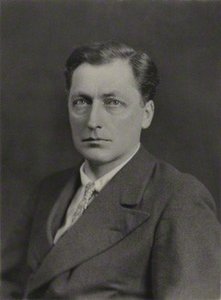
Paul Ayshford Methuen
1886 - 1974 , Reino Unido
Datos clave
- Artistas Que Influyeron En Este Artista: ['Walter Sickert']
- Fecha De Fallecimiento: 7 de enero de 1974
- Fecha De Nacimiento: 29 de septiembre de 1886
- Lugar De Nacimiento: Corsham, Reino Unido
- Movimiento Artístico O Estilo: Paisajes urbanos y estudios animales
- Nacionalidad: Británico
- Nombre Completo: Paul Ayshford Methuen
Artículos relacionados
Concrete Narratives: Exploring Urban Life in Modern & Contemporary Art
Explore the evolution of cityscape painting with ArtsDot. Discover key artists from Realism to contemporary movements & invest in timeless urban visions. Expert guidance, museum-quality reproductions.
Más Allá del Graffiti: Evolución e Impacto Cultural del Arte Callejero para Coleccionistas
Descubre la evolución del arte urbano y su impacto en el coleccionismo. Análisis de artistas clave, técnicas innovadoras e inversión en obras de street art. Guía experta para coleccionistas.
Más allá de los muros de la galería: El auge del arte urbano contemporáneo
Descubre el fascinante mundo del arte urbano contemporáneo. Explora su historia, artistas y cómo llevar esta expresión creativa a tu hogar con .
Concrete Visions: Exploring the Urban Landscape in Painting – From Realism to Contemporary Art
Explore the evolution of cityscape painting from Realism to contemporary art with ArtsDot. Discover key artists & invest in timeless urban visions. Expert guidance, museum-quality reproductions.
Concrete Visions: Exploring Representations of Urban Life in Modern & Contemporary Art
Explore the evolution of cityscape painting from Realism to contemporary art. Discover key artists & invest in timeless urban visions with ArtsDot's expert guidance and museum-quality reproductions.