 Ver en contexto
 Enviar
 Compartir
 Detalles

 Descargar
 Similares
 Radiografía
 Presentación de diapositivas
 Estadísticas
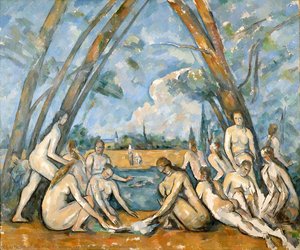
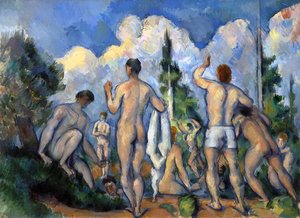
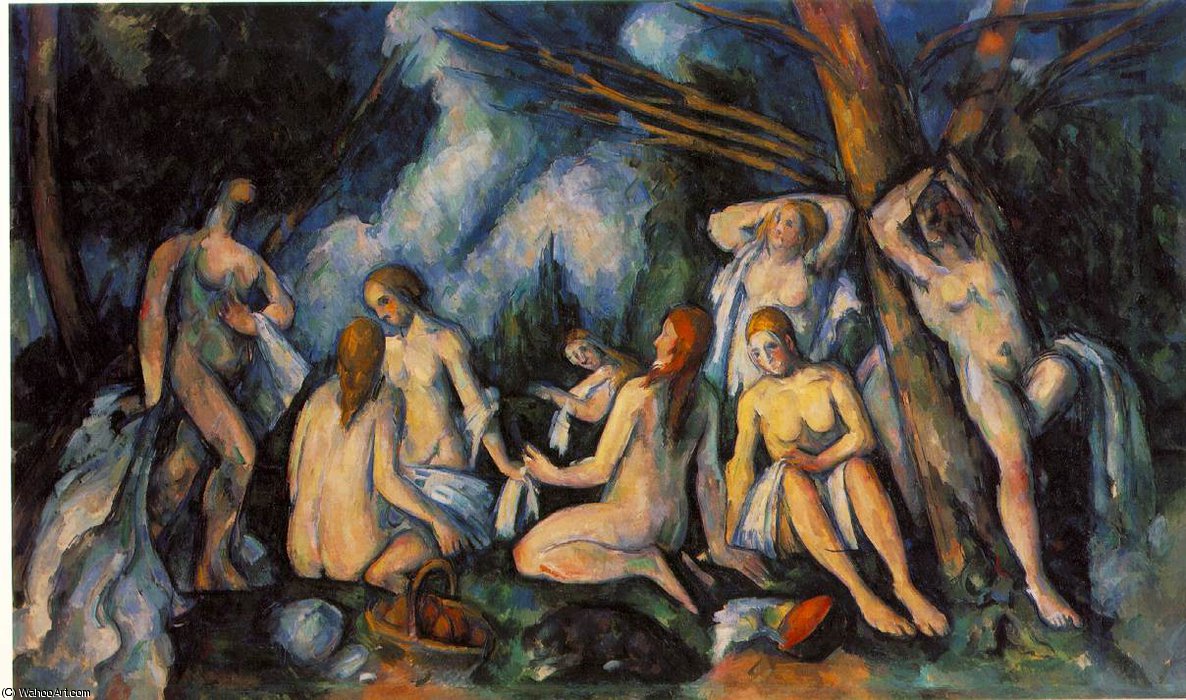
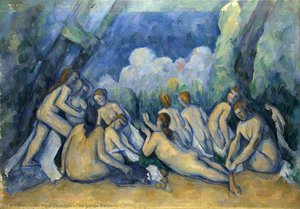
Les grandes baigneuses,1900-05, barnes foundation

 Ver más
Giclée / Impresión de arte
Impresiones giclée o en lienzo de calidad de museo con producción rápida y opciones de acabado flexibles. ( Comprar pintura hecha a mano Cambiar a imagen digital)




P118B $10

P118H $10

P118W $10

P438Z $10

P508JH $12

P508YH $12

P805H $10

P805Z $10

P919BZ $10

P919G $10

P919XJ $10

P959ZH $10

P968JZ $12

W106C $8

W218G $10

W218JH $8

W218Y $10

W307PJ $10

W316G $10

W316PJ $8

W316Y $10

W398PJ $8

W4111J $10

W500HY $15

W500JH $15

W692G $12

W849H $8

W940BG $15

W953PJ $8




Elija entre nuestros tamaños predefinidos que respetan las proporciones originales de la obra.

Puede introducir sus propias dimensiones para adaptarse a un marco o espacio específico. Si el tamaño seleccionado no coincide con las proporciones de la imagen original, recortaremos la obra de arte o extenderemos la imagen con un borde con efecto espejo o de color sólido. Se enviará una maqueta digital para su aprobación antes de que comience la producción.
Tenga en cuenta que la vista previa en pantalla no refleja el recorte o la extensión real. Solo la maqueta mostrará con precisión la composición final.
Aunque existen tamaños personalizados, recomendamos seleccionar una dimensión de la lista predefinida para preservar las proporciones originales.
Envío a todo el mundo () en 2 semanas en lugar de las 4/5 semanas estándar. (10 septiembre)

Envío exprés gratuito a todo el mundo

Lienzo de lino de alta calidad

Seguro de envío total

Garantía de reembolso de impuestos aduaneros

Garantía de fidelidad cromática exacta

Política de devolución de 100 días (solo por defectos)

Garantía de devolución del 100% del dinero

Descuento por cantidad
 La opción de vidrio solo está disponible en tamaños inferiores a 110 cm.

Les grandes baigneuses,1900-05, barnes foundation
Giclée / Impresión de arte
Dimensiones de la reproducción
-


Precio total final
$ 62
The Enigmatic Bathers: A Window into Cézanne’s Revolutionary Vision
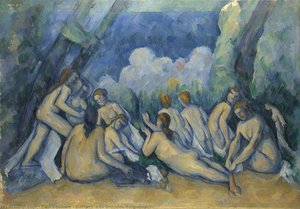
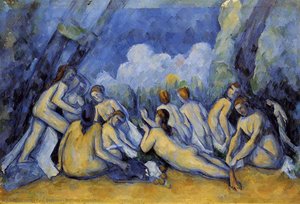
Paul Cézanne's "Les Grandes Baigneuses" – The Large Bathers – isn’t merely a depiction of nude figures; it’s a profound exploration of perception, form, and the very nature of seeing. Completed between 1900 and 1905, this monumental canvas, now residing within the Barnes Foundation in Philadelphia, stands as a pivotal work bridging the gap between Impressionism's fleeting moments and the nascent geometries of Cubism. More than just a painting, it’s a carefully constructed puzzle designed to challenge the viewer’s assumptions about representation, inviting us to actively participate in the act of creation itself.
Cézanne wasn’t interested in capturing a single, objective reality. Instead, he sought to distill the essence of his subject – a group of women bathing in the woods near his home in Aix-en-Provence – into its fundamental building blocks. He meticulously observed the interplay of light and shadow, the subtle shifts in color, and the underlying structure of the landscape, translating these observations onto the canvas with an unprecedented level of detail. This wasn’t a spontaneous impression; it was the result of years of dedicated study and experimentation, culminating in a style that would forever alter the course of modern art.
A Dialogue Between Tradition and Innovation
The painting's composition is a fascinating blend of influences. On one side, we see echoes of classical sculpture – particularly the idealized forms of figures like Michelangelo’s *David* – evident in the powerful musculature and balanced poses of the two central bathers. These figures are rendered with remarkable precision, their contours sharply defined and imbued with a sense of solidity. Yet, Cézanne deliberately disrupts this traditional approach by employing a technique that anticipates Cubism. He builds up the forms through layers of thin, overlapping brushstrokes, creating an illusion of depth and volume while simultaneously fragmenting the image into geometric shapes.
The background, in contrast, dissolves into a hazy wash of color, reminiscent of Impressionist masters like Monet and Pissarro. Here, Cézanne abandons meticulous detail, opting instead to capture the atmospheric effects of light and shadow with loose, expressive brushstrokes. This juxtaposition of rigorous form and atmospheric abstraction creates a dynamic tension within the painting, forcing the viewer to constantly negotiate between different levels of perception.
Symbolism and Emotional Resonance
While Cézanne himself resisted assigning specific symbolic meanings to his work, "Les Grandes Baigneuses" undeniably evokes a sense of tranquility, sensuality, and connection with nature. The women are not merely bathing; they’re engaged in a ritualistic act of renewal, immersed in the restorative power of water and surrounded by the beauty of the natural world. Their relaxed postures and intimate interactions suggest a deep sense of camaraderie and shared experience.
The painting's muted color palette – dominated by earthy tones of ochre, brown, and gray – further contributes to its atmosphere of quiet contemplation. The absence of bright colors reinforces the idea that Cézanne is not interested in capturing superficial appearances but rather in revealing the underlying structure of reality. Furthermore, the setting itself—a dense forest—suggests a retreat from the complexities of modern life, inviting the viewer to step into a world of timeless beauty and serenity.
A Legacy of Innovation
"Les Grandes Baigneuses" is more than just a beautiful painting; it’s a revolutionary work that fundamentally changed the way artists approached representation. Cézanne's innovative use of form, color, and composition paved the way for the development of Cubism and other modern art movements. His insistence on seeing the world as a collection of interlocking geometric shapes profoundly influenced generations of artists who followed, demonstrating that art could be both descriptive and conceptual – a reflection not just of what we see but also of how we perceive it.
Reproductions of this iconic work offer a remarkable opportunity to experience Cézanne’s groundbreaking vision firsthand. Whether displayed in a grand salon or a smaller domestic space, "Les Grandes Baigneuses" continues to captivate and inspire viewers with its timeless beauty and intellectual depth.
Obras relacionadas
Biografía del artista
vida temprana e influencias
paul cézanne, un pintor postimpresionista francés, nació el 19 de enero de 1839 en Aix-en-Provence, Francia. Su vida temprana estuvo marcada por una fuerte conexión con la empresa bancaria de su familia, lo que le proporcionó seguridad financiera. Esto le permitió concentrarse en sus aspiraciones artísticas sin la carga del estrés financiero. les nabis, neoimpresionismo y simbolismo influyeron en el trabajo temprano de Cézanne, que se caracterizó por su énfasis en las formas geométricas y una paleta de colores limitada. Su interés en las obras de paul gauguin y georges seurat fortaleció aún más su estilo postimpresionista.estilo artístico y técnicas
El uso innovador de Cézanne de los planos de color y pequeños trazos repetitivos creó campos complejos que transmitían su intenso estudio de los temas. Su enfoque a menudo exploratorio del arte condujo al desarrollo de un nuevo lenguaje pictórico, que enfatizaba la estructura subyacente de los objetos en una composición.- características clave:
- formas geométricas y facetado
- paleta de colores reducida
- énfasis en la esencia constructiva del mundo físico
- múltiples perspectivas y simultaneidad
- obras influyentes:
- el estanque de jas de bouffan (1880)
- retrato de emile zola (1866)
- bosque (1892)
- museos que exhiben el trabajo de Cézanne:
- museo marmottan monet en París, Francia
- el museo de bellas artes en Houston, Estados Unidos
legado e impacto
El trabajo pionero de Cézanne en el postimpresionismo allanó el camino para diversos movimientos vanguardistas, incluyendo cubismo, fauvismo y surrealismo. Su influencia se puede ver en las obras de pablo picasso, henri matisse y georges braque. El legado de Cézanne continúa inspirando a artistas y entusiastas del arte por igual, consolidando su lugar como una figura fundamental en la historia del arte moderno.- movimientos artísticos relacionados:
- vea las obras de Cézanne:
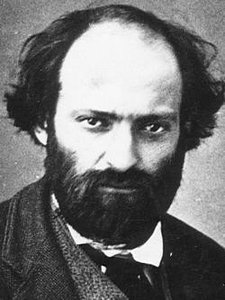
Paul Cézanne
1839 - 1906 , Francia
Datos clave
- Artistas Que Influyeron:
- Paul Gauguin
- Georges Seurat
- Estilo Artístico: Postimpresionismo
- Fecha De Muerte: Octubre 22, 1906
- Fecha De Nacimiento: 19 de enero de 1839
- Influenciado A Artistas:
- Pablo Picasso
- Henri Matisse
- Georges Braque
- Lugar De Nacimiento: Aix-en-Provence, Francia
- Nacionalidad: Francés
- Nombre Completo: Paul Cézanne
- Obras Notables:
- El estanque de Jas de Bouffan
- Retrato de Émile Zola
- Bosque
- Grandes Bañistas
Artículos relacionados
The Enduring Allure of the Nude: A Historical & Artistic Exploration of the Human Form
Explore the captivating history of nude art! Discover iconic paintings & artists from classical to modern eras. Uncover symbolism, techniques & find museum-quality reproductions at ArtsDot.

Impresionismo: 10 Obras Maestras que Capturan la Luz y el Momento
Descubre 10 obras maestras del impresionismo de Monet, Renoir y Degas. Explora la luz, el color y las historias detrás de estos icónicos cuadros. Reproducciones de arte en ArtsDot.com para decorar tu hogar con estilo.
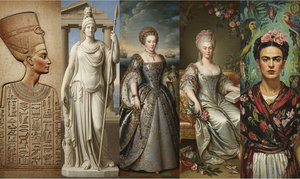
Portrayals of Power & Perception: A Historical Survey of Women in Art
Explore the rich history of women in art – from iconic muses to groundbreaking artists. Discover feminist movements & reclaim female narratives with ArtsDot. Expert insights for discerning collectors.
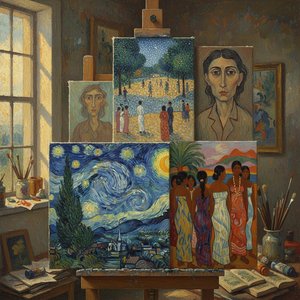
Más Allá del Impresionismo: Profundizando en la Emoción y el Simbolismo Postimpresionista
Descubre la profundidad emocional y el simbolismo del Postimpresionismo con ArtsDot. Análisis experto de Cézanne, Van Gogh, Gauguin y más. Explora la historia y el legado de este fascinante movimiento artístico.

Paul Cézanne: Las 25 Obras Maestras que Definieron el Arte Moderno | ArtsDot
Descubre las 25 obras maestras de Paul Cézanne que revolucionaron el arte moderno. Explora su técnica, inspiración y significado en paisajes, bodegones y retratos. Reproducciones de alta calidad para decorar tu hogar con arte inolvidable. ¡Explora la colección completa en ArtsDot.com!