 Ver en contexto
 Enviar
 Compartir
 Detalles

 Descargar
 Similares
 Radiografía
 Presentación de diapositivas
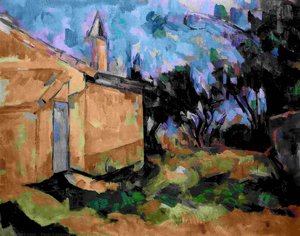
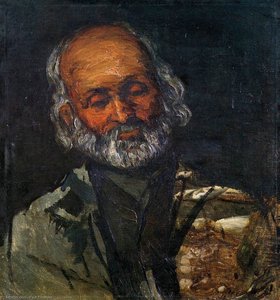
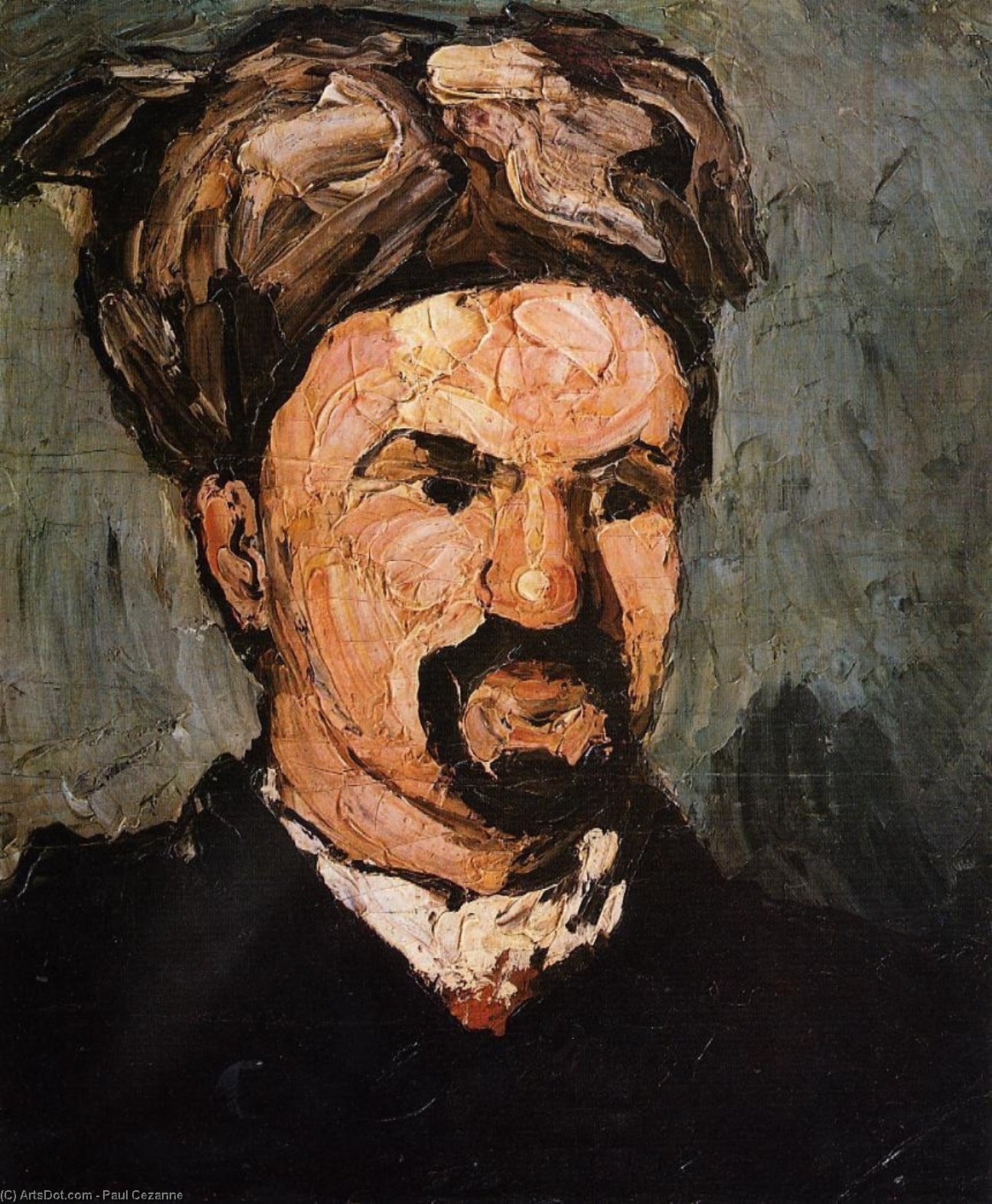
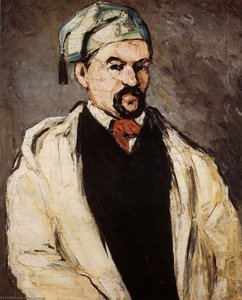
Retrato de tío Dominique con turbante


 Ver más
Giclée / Impresión de arte
Impresiones giclée o en lienzo de calidad de museo con producción rápida y opciones de acabado flexibles. ( Comprar pintura hecha a mano Comprar imagen)




P118B $10

P118H $10

P118W $10

P438Z $10

P508JH $12

P508YH $12

P805H $10

P805Z $10

P919BZ $10

P919G $10

P919XJ $10

P959ZH $10

P968JZ $12

W106C $8

W218G $10

W218JH $8

W218Y $10

W307PJ $10

W316G $10

W316PJ $8

W316Y $10

W398PJ $8

W4111J $10

W500HY $15

W500JH $15

W692G $12

W849H $8

W940BG $15

W953PJ $8




Elija entre nuestros tamaños predefinidos que respetan las proporciones originales de la obra.

Puede introducir sus propias dimensiones para adaptarse a un marco o espacio específico. Si el tamaño seleccionado no coincide con las proporciones de la imagen original, recortaremos la obra de arte o extenderemos la imagen con un borde con efecto espejo o de color sólido. Se enviará una maqueta digital para su aprobación antes de que comience la producción.
Tenga en cuenta que la vista previa en pantalla no refleja el recorte o la extensión real. Solo la maqueta mostrará con precisión la composición final.
Aunque existen tamaños personalizados, recomendamos seleccionar una dimensión de la lista predefinida para preservar las proporciones originales.
Envío a todo el mundo () en 2 semanas en lugar de las 4/5 semanas estándar. (28 agosto)

Envío exprés gratuito a todo el mundo

Lienzo de lino de alta calidad

Seguro de envío total

Garantía de reembolso de impuestos aduaneros

Garantía de fidelidad cromática exacta

Política de devolución de 60 días (solo por defectos)

Garantía de devolución del 100% del dinero

Descuento por cantidad
 La opción de vidrio solo está disponible en tamaños inferiores a 110 cm.

Retrato de tío Dominique con turbante
Giclée / Impresión de arte
Dimensiones de la reproducción
-


Precio total final
$ 62
A Window into Cézanne’s Soul
Paul Cézanne, born in Aix-en-Provence in 1839, stands as a monumental figure bridging the gap between the fleeting impressions of Impressionism and the fragmented forms of Cubism. His journey was not one of immediate acclaim; rather, it was a slow burn of artistic exploration, marked by periods of self-doubt and critical dismissal, ultimately culminating in a legacy that would irrevocably alter the course of modern art. Though initially steered towards a legal career by his father’s ambitions, the pull of artistic expression proved too strong, and he eventually abandoned law to pursue painting, a decision that would shape his entire creative output. Cézanne's early years were characterized by experimentation with various styles—Japanese prints influenced his compositional sensibilities—before he began to develop his distinctive approach to depicting nature and human figures. This unwavering dedication to artistic innovation cemented his place as one of the most influential artists of the late nineteenth century.The Subject: Uncle Dominique
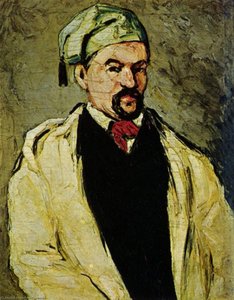
Paul Cézanne’s fascination with portraiture extended beyond mere likeness; it was an endeavor to capture the essence of his subjects—a quest for psychological depth and emotional resonance. Among his numerous portraits, “Portrait of Uncle Dominique in a Turban” holds particular significance as it depicts Antoine Dominique Sauveur Aubert, Cézanne's maternal uncle, who served as a model for several paintings throughout his artistic career. This portrait exemplifies Cézanne’s meticulous observation of detail and his masterful manipulation of color and texture—characteristics that would become hallmarks of his oeuvre. The sitter is positioned in repose, wearing a turban adorned with feathers, which adds an element of exoticism and mystery to the composition. Cézanne's gaze is focused downward, suggesting contemplation or introspection—a subtle gesture that invites viewers to delve into the inner life of the subject.Composition and Style
“Portrait of Uncle Dominique in a Turban” showcases Cézanne’s signature style—characterized by geometric simplification and bold color palettes—that departed decisively from Impressionistic conventions. The painting's background incorporates a hazy landscape, subtly blurring the boundaries between interior and exterior space—a technique that reflects Cézanne’s preoccupation with capturing the fundamental structure of reality. Cézanne employed oil on canvas to achieve remarkable textural richness, applying paint in thick impasto strokes that create palpable surfaces—a deliberate choice intended to convey solidity and permanence. The artist's masterful use of color—particularly reds and blues—intensifies the emotional impact of the portrait, conveying a sense of solemnity and quiet dignity.Artistic Significance
“Portrait of Uncle Dominique in a Turban” is considered one of Cézanne’s pivotal works, demonstrating his ability to synthesize influences from Impressionism and Symbolism into a wholly original artistic vision. It stands as a testament to Cézanne's unwavering commitment to exploring the complexities of human psychology—a pursuit that anticipates the groundbreaking innovations of Cubism. The painting’s enduring appeal lies in its understated elegance and its profound contemplation of solitude—themes that resonate deeply with viewers today. As John Rewald eloquently noted, Cézanne “was not interested in representing what he saw but rather in expressing what he felt.”Relevance to Art Enthusiasts
For art aficionados, “Portrait of Uncle Dominique in a Turban” offers invaluable insight into Cézanne’s artistic process and his profound connection with his subjects. Its meticulous attention to detail—particularly the rendering of facial features and drapery—serves as an exemplar of Cézanne's dedication to capturing the essence of human experience. Consider visiting The Ruskin Museum in Coniston, Cumbria, United Kingdom, where you can admire other masterpieces by artists like John Ruskin—a journey into artistic inspiration that begins with Cézanne’s groundbreaking exploration of form and color.Other Works by Paul Cézanne
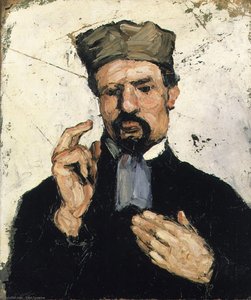
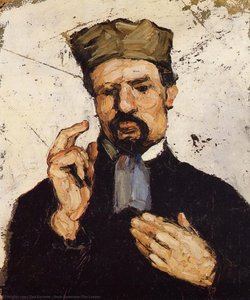
Beyond “Portrait of Uncle Dominique in a Turban,” Cézanne produced an impressive body of work encompassing landscapes, still lifes, and portraits—each reflecting his evolving stylistic sensibilities. Notable paintings include:- Uncle Dominique as a Lawyer (Musée d’Orsay, Paris)
- Still Life: Bread and Leg of Lamb (Kunsthaus Zürich, Switzerland)
- Marion and Valabregue Posing for a Picture
Conclusion
“Portrait of Uncle Dominique in a Turban” remains an enduring symbol of Cézanne’s artistic genius—a masterpiece that exemplifies his unwavering pursuit of formal innovation and psychological depth. Explore this captivating artwork and countless others by Cézanne on ArtsDot.com, where art lovers can immerse themselves in the legacy of one of the most influential painters of the modern era. For more information on Paul Cézanne and his artistic journey, consult Paul Cézanne's Wikipedia page.Obras relacionadas
Biografía del artista
vida temprana e influencias
paul cézanne, un pintor postimpresionista francés, nació el 19 de enero de 1839 en Aix-en-Provence, Francia. Su vida temprana estuvo marcada por una fuerte conexión con la empresa bancaria de su familia, lo que le proporcionó seguridad financiera. Esto le permitió concentrarse en sus aspiraciones artísticas sin la carga del estrés financiero. les nabis, neoimpresionismo y simbolismo influyeron en el trabajo temprano de Cézanne, que se caracterizó por su énfasis en las formas geométricas y una paleta de colores limitada. Su interés en las obras de paul gauguin y georges seurat fortaleció aún más su estilo postimpresionista.estilo artístico y técnicas
El uso innovador de Cézanne de los planos de color y pequeños trazos repetitivos creó campos complejos que transmitían su intenso estudio de los temas. Su enfoque a menudo exploratorio del arte condujo al desarrollo de un nuevo lenguaje pictórico, que enfatizaba la estructura subyacente de los objetos en una composición.- características clave:
- formas geométricas y facetado
- paleta de colores reducida
- énfasis en la esencia constructiva del mundo físico
- múltiples perspectivas y simultaneidad
- obras influyentes:
- el estanque de jas de bouffan (1880)
- retrato de emile zola (1866)
- bosque (1892)
- museos que exhiben el trabajo de Cézanne:
- museo marmottan monet en París, Francia
- el museo de bellas artes en Houston, Estados Unidos
legado e impacto
El trabajo pionero de Cézanne en el postimpresionismo allanó el camino para diversos movimientos vanguardistas, incluyendo cubismo, fauvismo y surrealismo. Su influencia se puede ver en las obras de pablo picasso, henri matisse y georges braque. El legado de Cézanne continúa inspirando a artistas y entusiastas del arte por igual, consolidando su lugar como una figura fundamental en la historia del arte moderno.- movimientos artísticos relacionados:
- vea las obras de Cézanne:
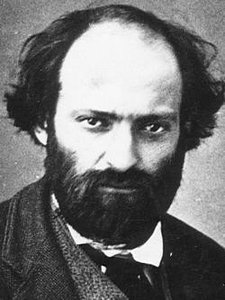
Paul Cézanne
1839 - 1906 , Francia
Datos clave
- Artistas Que Influyeron:
- Paul Gauguin
- Georges Seurat
- Estilo Artístico: Postimpresionismo
- Fecha De Muerte: Octubre 22, 1906
- Fecha De Nacimiento: 19 de enero de 1839
- Influenciado A Artistas:
- Pablo Picasso
- Henri Matisse
- Georges Braque
- Lugar De Nacimiento: Aix-en-Provence, Francia
- Nacionalidad: Francés
- Nombre Completo: Paul Cézanne
- Obras Notables:
- El estanque de Jas de Bouffan
- Retrato de Émile Zola
- Bosque
- Grandes Bañistas
Artículos relacionados

Paul Cézanne: Las 25 Obras Maestras que Definieron el Arte Moderno | ArtsDot
Descubre las 25 obras maestras de Paul Cézanne que revolucionaron el arte moderno. Explora su técnica, inspiración y significado en paisajes, bodegones y retratos. Reproducciones de alta calidad para decorar tu hogar con arte inolvidable. ¡Explora la colección completa en ArtsDot.com!
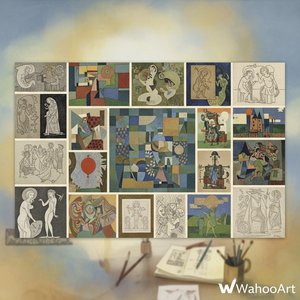
Paul Klee: Las 25 Obras Maestras que Definen un Genio del Arte Moderno | ArtsDot
Descubre las 25 obras maestras de Paul Klee, el genio del arte moderno. Explora su expresionismo único, composiciones abstractas y vibrantes paletas de colores. Reproducciones de alta calidad y decoración con arte en ArtsDot.com.
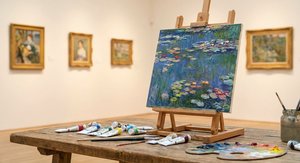
Impresionismo: 10 Obras Maestras que Capturan la Luz y el Momento
Descubre 10 obras maestras del impresionismo de Monet, Renoir y Degas. Explora la luz, el color y las historias detrás de estos icónicos cuadros. Reproducciones de arte en ArtsDot.com para decorar tu hogar con estilo.
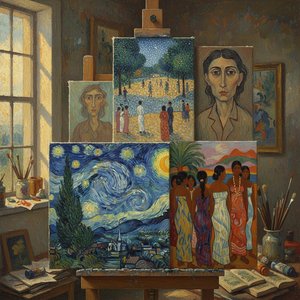
Más Allá del Impresionismo: Profundizando en la Emoción y el Simbolismo Postimpresionista
Descubre la profundidad emocional y el simbolismo del Postimpresionismo con ArtsDot. Análisis experto de Cézanne, Van Gogh, Gauguin y más. Explora la historia y el legado de este fascinante movimiento artístico.
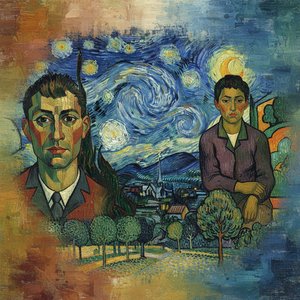
Beyond Impressionism: Exploring Emotional Depth & Formal Innovation in Post-Impressionist Art
Explore the profound emotional depth & formal innovations of Post-Impressionism with our expert guide. Discover Cézanne, Van Gogh, Gauguin & more. Learn about art history, collecting, and investing in this pivotal movement.