

 Ver en contexto
 Enviar
 Compartir
 Detalles

 Descargar
 Similares
 Radiografía
 Presentación de diapositivas
 Estadísticas
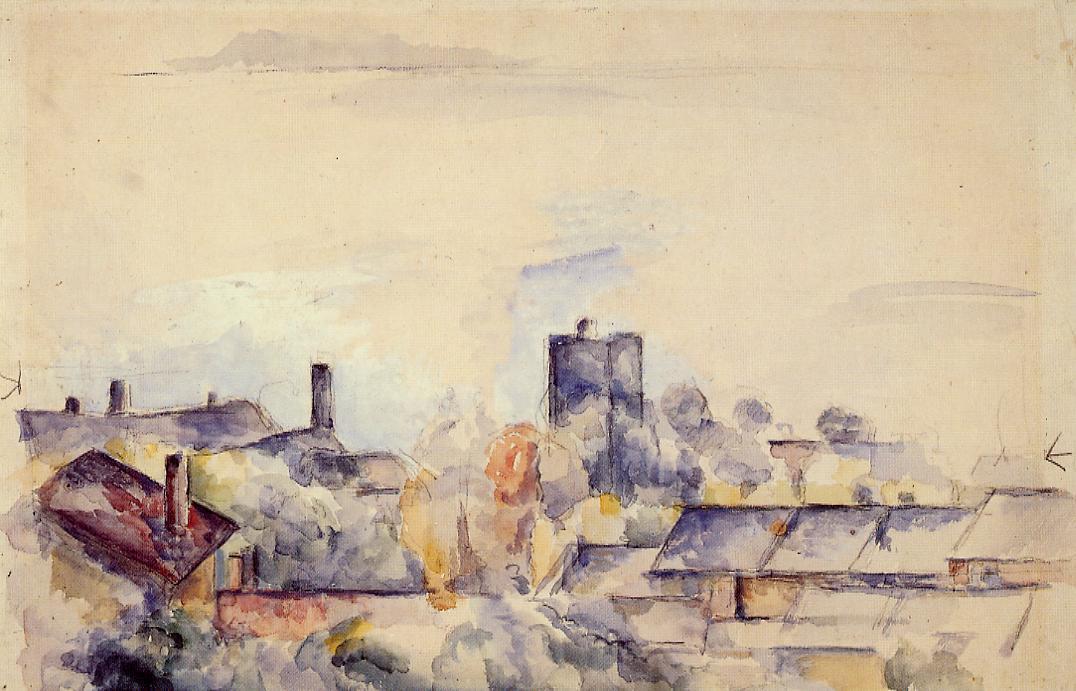
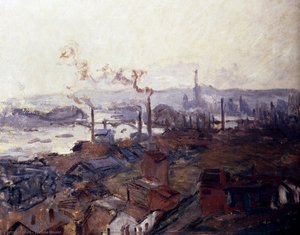
Roof in L'Estaque

 Ver más
Adquiera una imagen digital de alta resolución y optimizada, muy superior a la vista previa en línea.
Cada archivo es preparado meticulosamente por nuestros especialistas internos mediante el uso de herramientas avanzadas y un experto retoque manual. Nos aseguramos de que cada imagen posea una claridad excepcional, una precisión cromática impecable y un detalle minucioso.
El archivo final se entrega por correo electrónico en un plazo de 72 horas, optimizado para su uso inmediato en entornos profesionales, editoriales y de impresión. Esta es la misma calidad en la que confían los estudios de diseño, las editoriales y las galerías de primer nivel.
Imagen Digital
Descarga un archivo de alta resolución para exhibición personal, impresión y proyectos creativos. ( Cambiar a Impresión Comprar pintura hecha a mano)
Incluido en cada pedido de imágenes digitales
Entrega digital experta, garantizada.
Al elegir ArtsDot.com, no solo está adquiriendo una imagen; está recibiendo una obra de arte digital mejorada profesionalmente, elaborada con precisión y respaldada por una garantía de satisfacción. Esto es todo lo que incluye su pedido, automáticamente:

Entrega rápida por email
Recibirá su archivo de imagen digital en alta resolución por correo electrónico en un plazo de 72 horas tras realizar su pedido, listo para su uso inmediato.

Archivo digital optimizado por IA
Su obra de arte se optimiza profesionalmente mediante herramientas avanzadas de IA y edición manual, garantizando el máximo detalle, claridad y precisión cromática.

Reenvío gratuito de por vida
¿Has borrado o perdido tu archivo por error? No te preocupes: te lo volveremos a enviar en cualquier momento, sin coste adicional.

Sin gastos de importación, siempre
Disfrute de su obra de arte al instante sin aduanas, aranceles ni gastos de envío; las descargas digitales siempre están libres de impuestos.

Garantía de fidelidad de color
Garantizamos que su imagen digital refleje los colores originales con la mayor fidelidad posible, mediante el uso de herramientas profesionales y gestión del color.

Garantía de satisfacción de 100 días
Si no está satisfecho con su imagen digital, la revisaremos o le reembolsaremos el 100% en un plazo de 100 días, sin preguntas.

100% Garantía de devolución de dinero
¿No está satisfecho? Obtenga un reembolso completo dentro de los 100 días posteriores a la recepción de su archivo digital, sin preguntas.

Descuentos por pedidos grandes
Compra 3 imágenes, ahorra 10% - Compra 5, ahorra 15% - Compra 10+, ahorra 20%. Ideal para proyectos creativos, galerías y agencias.
The Quiet Majesty of L’Estaque
Paul Cézanne's "Roof in L’Estaque," painted in 1885, isn’t merely a depiction of a Provençal cityscape; it’s a profound meditation on form, space, and the very essence of seeing. This pivotal work, housed within the collection of WikiArt, offers a glimpse into Cézanne's revolutionary approach to painting – a deliberate departure from the fleeting impressions of Impressionism and a crucial stepping stone toward the geometric explorations of Cubism. The scene unfolds in L’Estaque, a charming village nestled in the hills near Aix-en-Provence, a place deeply resonant with Cézanne’s personal history and artistic inspiration. The painting captures a moment of serene stillness, yet it vibrates with an underlying tension, a dynamic equilibrium born from Cézanne's relentless investigation of how objects exist within their environment. It’s a landscape imbued with the weight of memory and the quiet contemplation of the natural world.A Post-Impressionist Breakthrough
Cézanne’s genius lay not in replicating reality but in distilling it to its fundamental components – line, shape, and color. “Roof in L’Estaque” exemplifies this approach brilliantly. He abandons traditional perspective, flattening the space and suggesting depth through a masterful manipulation of planes and angles. The buildings aren't rendered as solid blocks; instead, they are constructed from interlocking geometric forms, each carefully considered and precisely placed. Notice how the roofline is broken down into a series of overlapping rectangles and trapezoids – a deliberate simplification that reveals the underlying structure of the architecture. This technique wasn’t simply an aesthetic choice; it was a conscious effort to understand and represent the world in a more truthful way, mirroring Cézanne's belief that art should be based on scientific observation. The cloudy sky, rendered with broad, expressive brushstrokes, further contributes to this sense of spatial ambiguity, blurring the boundaries between foreground and background.Color and Light: A Harmonious Dialogue
The color palette is remarkably restrained – a symphony of muted blues, ochres, and browns punctuated by flashes of red from the chimneys. Cézanne wasn’t interested in capturing the vibrant hues of sunlight; instead, he employed color to define form and create atmosphere. The subtle gradations of tone suggest the play of light and shadow across the rooftops, while the warm earth tones evoke the rustic charm of Provence. The use of complementary colors – particularly the juxtaposition of blue and orange – creates a visual tension that adds dynamism to the composition. It’s important to note that Cézanne often worked *en plein air* (outdoors), directly observing his subjects and translating them onto canvas with remarkable immediacy. This direct engagement with nature is evident in the painting's palpable sense of authenticity.Symbolism and Emotional Resonance
Beyond its formal innovations, “Roof in L’Estaque” carries a subtle emotional weight. The scene evokes a feeling of quiet solitude and contemplative reflection – a sense of being suspended in time. The clock hanging on the wall, a detail often overlooked, serves as a poignant reminder of the passage of time and the fleeting nature of existence. Cézanne himself described his work as “the most difficult thing—to express exactly what one *feels*.” This painting is a testament to that ambition; it’s not just a representation of a place but an embodiment of a mood, a feeling, a deeply personal response to the world around him. The repetition of forms and colors creates a meditative rhythm, inviting the viewer to lose themselves in the scene's quiet beauty.A Legacy of Innovation
“Roof in L’Estaque” stands as a cornerstone of modern art, profoundly influencing generations of artists who followed in Cézanne’s footsteps. Its emphasis on form, color, and spatial ambiguity paved the way for Cubism and other avant-garde movements. As noted by WikiArt, this painting was created during a period when Cézanne was grappling with his artistic vision, experimenting with new techniques and challenging conventional notions of representation. Despite facing initial criticism, his radical approach ultimately revolutionized the art world, establishing him as one of the most important figures in modern art history. Reproductions of this iconic work offer a remarkable opportunity to experience the power and beauty of Cézanne’s genius firsthand – a chance to connect with a timeless masterpiece that continues to inspire awe and wonder.Obras relacionadas

Biografía del artista
vida temprana e influencias
paul cézanne, un pintor postimpresionista francés, nació el 19 de enero de 1839 en Aix-en-Provence, Francia. Su vida temprana estuvo marcada por una fuerte conexión con la empresa bancaria de su familia, lo que le proporcionó seguridad financiera. Esto le permitió concentrarse en sus aspiraciones artísticas sin la carga del estrés financiero. les nabis, neoimpresionismo y simbolismo influyeron en el trabajo temprano de Cézanne, que se caracterizó por su énfasis en las formas geométricas y una paleta de colores limitada. Su interés en las obras de paul gauguin y georges seurat fortaleció aún más su estilo postimpresionista.estilo artístico y técnicas
El uso innovador de Cézanne de los planos de color y pequeños trazos repetitivos creó campos complejos que transmitían su intenso estudio de los temas. Su enfoque a menudo exploratorio del arte condujo al desarrollo de un nuevo lenguaje pictórico, que enfatizaba la estructura subyacente de los objetos en una composición.- características clave:
- formas geométricas y facetado
- paleta de colores reducida
- énfasis en la esencia constructiva del mundo físico
- múltiples perspectivas y simultaneidad
- obras influyentes:
- el estanque de jas de bouffan (1880)
- retrato de emile zola (1866)
- bosque (1892)
- museos que exhiben el trabajo de Cézanne:
- museo marmottan monet en París, Francia
- el museo de bellas artes en Houston, Estados Unidos
legado e impacto
El trabajo pionero de Cézanne en el postimpresionismo allanó el camino para diversos movimientos vanguardistas, incluyendo cubismo, fauvismo y surrealismo. Su influencia se puede ver en las obras de pablo picasso, henri matisse y georges braque. El legado de Cézanne continúa inspirando a artistas y entusiastas del arte por igual, consolidando su lugar como una figura fundamental en la historia del arte moderno.- movimientos artísticos relacionados:
- vea las obras de Cézanne:
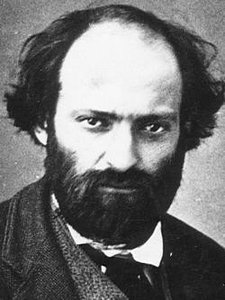
Paul Cézanne
1839 - 1906 , Francia
Breves datos
- Artistas Que Influyeron:
- Paul Gauguin
- Georges Seurat
- Estilo Artístico: Postimpresionismo
- Fecha De Muerte: Octubre 22, 1906
- Fecha De Nacimiento: 19 de enero de 1839
- Influenciado A Artistas:
- Pablo Picasso
- Henri Matisse
- Georges Braque
- Lugar De Nacimiento: Aix-en-Provence, Francia
- Nacionalidad: Francés
- Nombre Completo: Paul Cézanne
- Obras Notables:
- El estanque de Jas de Bouffan
- Retrato de Émile Zola
- Bosque
- Grandes Bañistas