 Vista previa
 Compartir
 Compartir
 Ver detalles

 Descargar
 Ver similares
 Radiografía
 Presentación de diapositivas
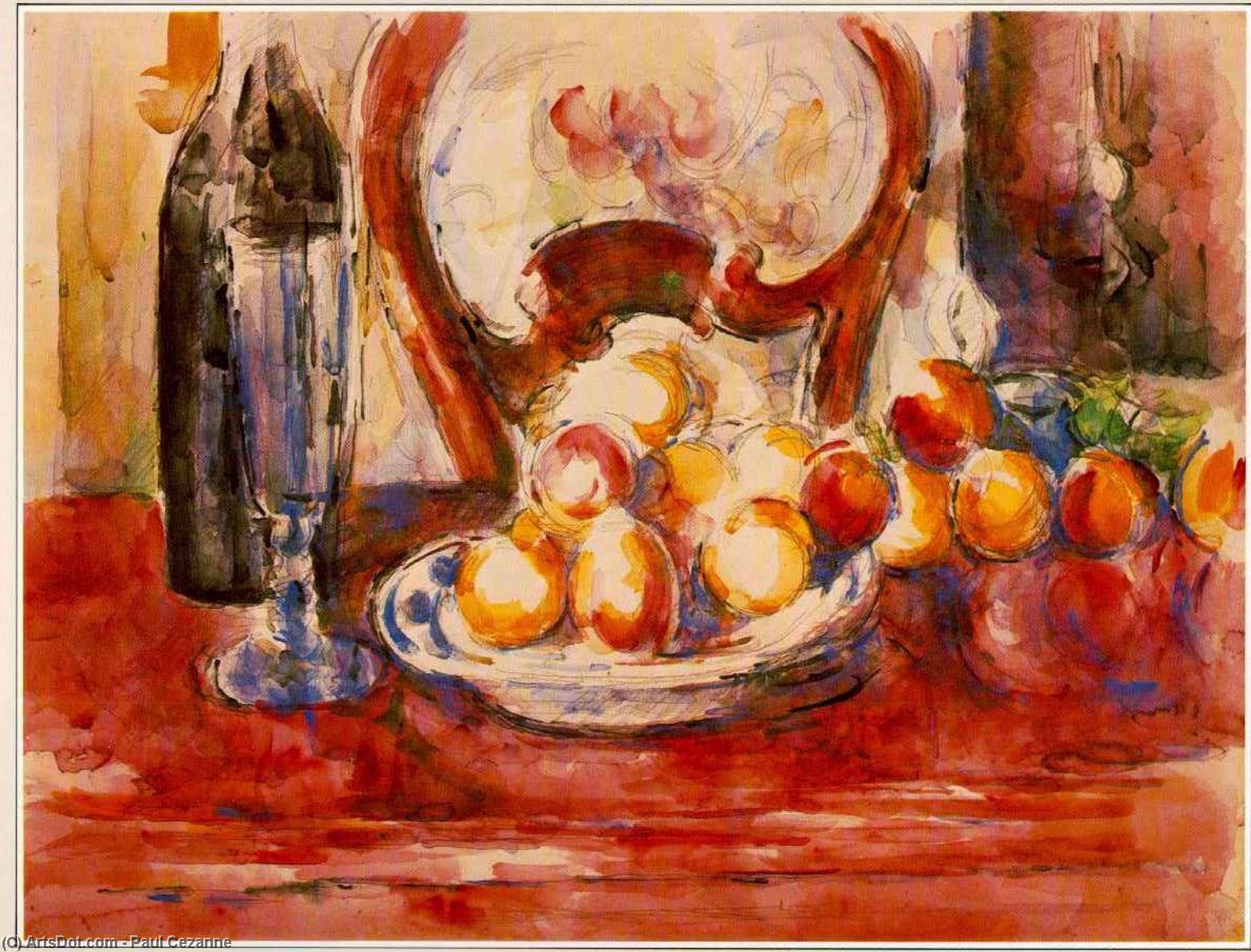
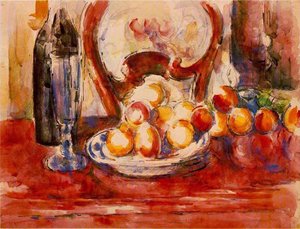
still life- apples, bottle and chairback


 Leer más
Giclée / Impresión de arte
Impresiones giclée o en lienzo de calidad de museo con producción rápida y opciones de acabado flexibles. ( Encargar reproducción pintada a mano Comprar descarga)




P118B $10

P118H $10

P118W $10

P438Z $10

P508JH $12

P508YH $12

P805H $10

P805Z $10

P919BZ $10

P919G $10

P919XJ $10

P959ZH $10

P968JZ $12

W106C $8

W218G $10

W218JH $8

W218Y $10

W307PJ $10

W316G $10

W316PJ $8

W316Y $10

W398PJ $8

W4111J $10

W500HY $15

W500JH $15

W692G $12

W849H $8

W940BG $15

W953PJ $8




Elija entre nuestros tamaños predefinidos que respetan las proporciones originales de la obra.

Puede introducir sus propias dimensiones para adaptarse a un marco o espacio específico. Si el tamaño seleccionado no coincide con las proporciones de la imagen original, recortaremos la obra de arte o extenderemos la imagen con un borde con efecto espejo o de color sólido. Se enviará una maqueta digital para su aprobación antes de que comience la producción.
Tenga en cuenta que la vista previa en pantalla no refleja el recorte o la extensión real. Solo la maqueta mostrará con precisión la composición final.
Aunque existen tamaños personalizados, recomendamos seleccionar una dimensión de la lista predefinida para preservar las proporciones originales.
Envío a todo el mundo () en 2 semanas en lugar de las 4/5 semanas estándar. (21 agosto)

Envío exprés gratuito a todo el mundo

Lienzo de lino de alta calidad

Seguro de envío completo

Garantía de reembolso de aranceles aduaneros

Garantía de fidelidad cromática exacta

Política de devolución de 60 días (solo por defectos)

Garantía de devolución del 100% del dinero

Oferta por volumen
 La opción de vidrio solo está disponible en tamaños inferiores a 110 cm.

still life- apples, bottle and chairback
Giclée / Impresión de arte
Tamaño de la reproducción
-


Precio total
$ 62
Descripción de la pieza
A Revolutionary Vision: Exploring Cézanne’s Still Life – Apples, Bottle and Chairback
Paul Cézanne's “Still Life – Apples, Bottle and Chairback,” painted in 1906, isn’t merely a depiction of everyday objects; it’s a cornerstone of artistic innovation that fundamentally reshaped the landscape of modern art. Created during his pivotal period experimenting with Cubism alongside Georges Braque, this deceptively simple composition embodies Cézanne's unwavering belief in capturing the underlying essence of reality—a radical departure from Impressionistic fleeting impressions and a precursor to the geometric fragmentation championed by Picasso.- The Composition’s Harmony: Cézanne meticulously arranged three apples – one bruised, one ripe, and one partially obscured – alongside a bottle of greenish glass and the backrest of a wooden chair. This seemingly straightforward arrangement isn't accidental; it reflects Cézanne’s profound conviction that art should strive to represent not just what is seen but how it feels—a principle he termed “seeing” rather than merely “looking.” The careful positioning of elements creates visual balance, guiding the viewer’s eye across the canvas with deliberate precision.
- Bold Brushstrokes and Vibrant Color: Cézanne rejected Impressionistic blending techniques in favor of assertive brushstrokes that built up layers of pigment to create textured surfaces. He employed a palette dominated by earthy tones—ochres, browns, and greens—accentuated by splashes of crimson from the apples. These bold strokes weren’t intended for mere representation but rather to convey the solidity and permanence of form, mirroring Cézanne's fascination with geological structures.
Technique and Material Considerations
Cézanne’s masterful use of color and texture speaks volumes about his artistic process. He painstakingly applied paint onto canvas using a technique known as “impasto,” pressing pigment thickly onto the surface to achieve palpable physicality. The bottle’s glass is rendered with remarkable accuracy, capturing the subtle reflections of light—a testament to Cézanne's meticulous observation of natural phenomena. Furthermore, he utilized a mixture of oil paints and turpentine, allowing for extended working time and facilitating the layering of colors that contribute to the painting’s distinctive visual character.Historical Context: The Birth of Cubism
“Still Life – Apples, Bottle and Chairback” occupies a crucial position in art history as it foreshadowed the emergence of Cubism. Cézanne's exploration of multiple perspectives—evident in the chair’s angled backrest—challenged traditional artistic conventions and paved the way for Picasso and Braque to dismantle representational illusion altogether. This groundbreaking approach signaled a decisive break from Impressionism, establishing Post-Impressionism as a springboard for revolutionary artistic experimentation.Symbolic Resonance and Emotional Impact
Beyond its formal innovations, “Still Life – Apples, Bottle and Chairback” carries symbolic weight. The apples represent fertility and ripeness—themes frequently explored in Cézanne’s oeuvre—while the bottle symbolizes stillness and contemplation. Together, they evoke a sense of quietude and introspection, inviting viewers to engage with the painting on an emotional level. Cézanne's aim wasn’t simply to depict objects; he sought to convey a deeper understanding of their relationship to the human experience – a legacy that continues to inspire artists and collectors alike.Obras relacionadas
Biografía del artista
vida temprana e influencias
paul cézanne, un pintor postimpresionista francés, nació el 19 de enero de 1839 en Aix-en-Provence, Francia. Su vida temprana estuvo marcada por una fuerte conexión con la empresa bancaria de su familia, lo que le proporcionó seguridad financiera. Esto le permitió concentrarse en sus aspiraciones artísticas sin la carga del estrés financiero. les nabis, neoimpresionismo y simbolismo influyeron en el trabajo temprano de Cézanne, que se caracterizó por su énfasis en las formas geométricas y una paleta de colores limitada. Su interés en las obras de paul gauguin y georges seurat fortaleció aún más su estilo postimpresionista.estilo artístico y técnicas
El uso innovador de Cézanne de los planos de color y pequeños trazos repetitivos creó campos complejos que transmitían su intenso estudio de los temas. Su enfoque a menudo exploratorio del arte condujo al desarrollo de un nuevo lenguaje pictórico, que enfatizaba la estructura subyacente de los objetos en una composición.- características clave:
- formas geométricas y facetado
- paleta de colores reducida
- énfasis en la esencia constructiva del mundo físico
- múltiples perspectivas y simultaneidad
- obras influyentes:
- el estanque de jas de bouffan (1880)
- retrato de emile zola (1866)
- bosque (1892)
- museos que exhiben el trabajo de Cézanne:
- museo marmottan monet en París, Francia
- el museo de bellas artes en Houston, Estados Unidos
legado e impacto
El trabajo pionero de Cézanne en el postimpresionismo allanó el camino para diversos movimientos vanguardistas, incluyendo cubismo, fauvismo y surrealismo. Su influencia se puede ver en las obras de pablo picasso, henri matisse y georges braque. El legado de Cézanne continúa inspirando a artistas y entusiastas del arte por igual, consolidando su lugar como una figura fundamental en la historia del arte moderno.- movimientos artísticos relacionados:
- vea las obras de Cézanne:
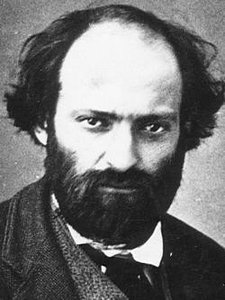
Paul Cézanne
1839 - 1906 , Francia
Datos clave
- Artistas Que Influyeron:
- Paul Gauguin
- Georges Seurat
- Estilo Artístico: Postimpresionismo
- Fecha De Muerte: Octubre 22, 1906
- Fecha De Nacimiento: 19 de enero de 1839
- Influenciado A Artistas:
- Pablo Picasso
- Henri Matisse
- Georges Braque
- Lugar De Nacimiento: Aix-en-Provence, Francia
- Nacionalidad: Francés
- Nombre Completo: Paul Cézanne
- Obras Notables:
- El estanque de Jas de Bouffan
- Retrato de Émile Zola
- Bosque
- Grandes Bañistas
Artículos relacionados

Paul Cézanne: Las 25 Obras Maestras que Definieron el Arte Moderno | ArtsDot
Descubre las 25 obras maestras de Paul Cézanne que revolucionaron el arte moderno. Explora su técnica, inspiración y significado en paisajes, bodegones y retratos. Reproducciones de alta calidad para decorar tu hogar con arte inolvidable. ¡Explora la colección completa en ArtsDot.com!
The Bountiful Still Life: Symbolism & Artistic Representation of Fruit Across Art History
Explore the rich history of still life painting & the symbolism of fruit across art movements. Discover masterpieces from Caravaggio to Cézanne with ArtsDot – expert guidance & museum-quality reproductions.

Georges Braque: Las 25 Obras Maestras del Cubismo y su Legado en el Arte Moderno
Descubre las 25 obras maestras de Georges Braque, pionero del cubismo. Explora su innovadora técnica, colores y el legado del arte moderno francés. Reproducciones de alta calidad en ArtsDot.com. ¡Encuentra tu inspiración!
Deconstructing Reality: A Comprehensive Exploration of Cubist Still Life
Explore the revolutionary world of Cubist Still Life with ArtsDot. Discover Picasso & Braque's groundbreaking techniques, its philosophical roots, and lasting impact on modern art. Expert insights for collectors.
Silent Narratives: Exploring the Enduring Appeal of Still Life Painting Across Centuries
Explore the rich history of still life painting with ArtsDot. Discover Dutch Masters, decode vanitas symbolism & learn about collecting timeless art. Expert insights and museum-quality reproductions.