

 Ver en contexto
 Enviar
 Compartir
 Detalles

 Descargar
 Similares
 Radiografía
 Presentación de diapositivas
 Stats
StatsThe Battle of Love


 Ver más
Adquiera una imagen digital de alta resolución y optimizada, muy superior a la vista previa en línea.
Cada archivo es preparado meticulosamente por nuestros especialistas internos mediante el uso de herramientas avanzadas y un experto retoque manual. Nos aseguramos de que cada imagen posea una claridad excepcional, una precisión cromática impecable y un detalle minucioso.
El archivo final se entrega por correo electrónico en un plazo de 72 horas, optimizado para su uso inmediato en entornos profesionales, editoriales y de impresión. Esta es la misma calidad en la que confían los estudios de diseño, las editoriales y las galerías de primer nivel.
Imagen Digital
Descarga un archivo de alta resolución para exhibición personal, impresión y proyectos creativos. ( Switch to Print Comprar pintura hecha a mano)
Incluido en cada pedido de imágenes digitales
Entrega digital experta, garantizada.
Al elegir ArtsDot.com, no solo está adquiriendo una imagen; está recibiendo una obra de arte digital mejorada profesionalmente, elaborada con precisión y respaldada por una garantía de satisfacción. Esto es todo lo que incluye su pedido, automáticamente:

Entrega rápida por email
Recibirá su archivo de imagen digital en alta resolución por correo electrónico en un plazo de 72 horas tras realizar su pedido, listo para su uso inmediato.

Archivo digital optimizado por IA
Su obra de arte se optimiza profesionalmente mediante herramientas avanzadas de IA y edición manual, garantizando el máximo detalle, claridad y precisión cromática.

Reenvío gratuito de por vida
¿Has borrado o perdido tu archivo por error? No te preocupes: te lo volveremos a enviar en cualquier momento, sin coste adicional.

Sin gastos de importación, siempre
Disfrute de su obra de arte al instante sin aduanas, aranceles ni gastos de envío; las descargas digitales siempre están libres de impuestos.

Garantía de fidelidad de color
Garantizamos que su imagen digital refleje los colores originales con la mayor fidelidad posible, mediante el uso de herramientas profesionales y gestión del color.

Garantía de satisfacción de 100 días
Si no está satisfecho con su imagen digital, la revisaremos o le reembolsaremos el 100% en un plazo de 100 días, sin preguntas.

100% Garantía de devolución de dinero
¿No está satisfecho? Obtenga un reembolso completo dentro de los 100 días posteriores a la recepción de su archivo digital, sin preguntas.

Descuentos por pedidos grandes
Compra 3 imágenes, ahorra 10% - Compra 5, ahorra 15% - Compra 10+, ahorra 20%. Ideal para proyectos creativos, galerías y agencias.
A Frenzied Embrace: Paul Cézanne’s “The Battle of Love”
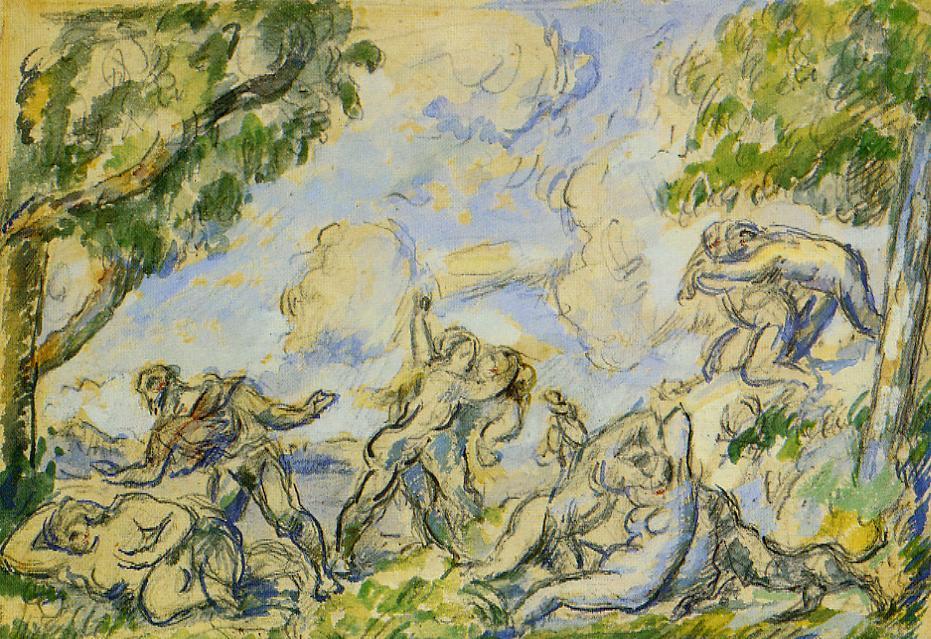
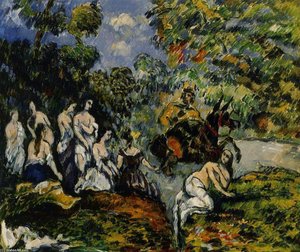
Paul Cézanne's "The Battle of Love," painted in 1876, isn’t merely a mythological scene; it’s a visceral embodiment of primal desire and the chaotic dance between love and conflict. This watercolor on cardboard, now residing in a private collection, immediately captivates with its dynamic energy – a swirling vortex of figures caught in an intense, almost violent embrace. Far removed from the serene depictions of classical mythology, Cézanne presents a raw, earthy drama, hinting at a struggle both physical and emotional, rendered with the loose, expressive brushstrokes that would become hallmarks of his Post-Impressionist style.
The painting’s genesis lies in a fascination with Venetian art, particularly the exuberant bacchanals of Titian and Poussin. However, Cézanne doesn't simply replicate these scenes; he transforms them, injecting a potent dose of modern anxiety and a profound sense of unease. The figures aren’t idealized gods or goddesses but rather individuals caught in a moment of intense passion – a struggle that feels both exhilarating and threatening. Notice the deliberate blurring of forms, the way bodies seem to merge with the landscape, suggesting an inextricable connection between humanity and nature. This technique, influenced by his studies of Japanese prints, anticipates the fragmented perspectives that would later define Cubism.
Technique and Materiality: A Watercolor Tempest
Cézanne’s masterful use of watercolor is crucial to understanding the painting's impact. The medium lends itself beautifully to capturing movement and spontaneity – the brushstrokes are visible, almost frantic, conveying a sense of urgency and unrest. He employs a layering technique, building up color gradually, creating luminous washes that shimmer with an inner light. The choice of cardboard as the support further contributes to the painting’s tactile quality; it feels slightly rough beneath the surface, grounding the ethereal figures in a tangible reality.
The palette is dominated by earthy tones – spring greens, sky blues, straw yellows, and ivory whites – creating a sense of both vibrancy and melancholy. The use of dark gray strokes near the lower right corner introduces an element of shadow and foreboding, suggesting that this idyllic scene hides a darker undercurrent. It’s a deliberate departure from the bright, optimistic colors often associated with Impressionism, reflecting Cézanne's growing interest in exploring the complexities of human emotion.
Decoding the Myth: Desire, Conflict, and the Unconscious
The precise narrative of “The Battle of Love” remains deliberately ambiguous. While rooted in classical mythology – potentially referencing themes of Dionysus and Ariadne or other tales of ecstatic love and violent encounters – Cézanne strips away the traditional allegorical elements, leaving us with a primal scene of raw desire. The figures are not clearly defined; their faces are often obscured, suggesting that they represent universal archetypes rather than individual characters. The central pair, locked in an embrace, embodies this tension between love and conflict, while the other figures seem to be caught up in the maelstrom of emotion.
Some scholars have interpreted the painting as a metaphor for the artist’s own struggles with love and creativity. Cézanne was notoriously private about his personal life, but it's believed that he experienced periods of intense emotional turmoil. “The Battle of Love” could be seen as an exploration of these inner conflicts – a visual representation of the passionate, often destructive forces that drive human behavior.
A Legacy of Fragmentation: Influence and Inspiration
“The Battle of Love” stands as a pivotal work in Cézanne’s artistic development, bridging the gap between Impressionism and Cubism. His innovative use of perspective, his emphasis on form over representation, and his exploration of emotional intensity paved the way for future generations of artists. Picasso himself famously declared that Cézanne “is the father of us all,” recognizing the profound influence he had on the development of modern art.
Today, "The Battle of Love" continues to resonate with viewers, inviting them to contemplate the complexities of human relationships and the enduring power of myth. It’s a painting that demands attention, challenging our perceptions of beauty and prompting us to delve deeper into the hidden depths of the human psyche.
Obras relacionadas
Biografía del artista
vida temprana e influencias
paul cézanne, un pintor postimpresionista francés, nació el 19 de enero de 1839 en Aix-en-Provence, Francia. Su vida temprana estuvo marcada por una fuerte conexión con la empresa bancaria de su familia, lo que le proporcionó seguridad financiera. Esto le permitió concentrarse en sus aspiraciones artísticas sin la carga del estrés financiero. les nabis, neoimpresionismo y simbolismo influyeron en el trabajo temprano de Cézanne, que se caracterizó por su énfasis en las formas geométricas y una paleta de colores limitada. Su interés en las obras de paul gauguin y georges seurat fortaleció aún más su estilo postimpresionista.estilo artístico y técnicas
El uso innovador de Cézanne de los planos de color y pequeños trazos repetitivos creó campos complejos que transmitían su intenso estudio de los temas. Su enfoque a menudo exploratorio del arte condujo al desarrollo de un nuevo lenguaje pictórico, que enfatizaba la estructura subyacente de los objetos en una composición.- características clave:
- formas geométricas y facetado
- paleta de colores reducida
- énfasis en la esencia constructiva del mundo físico
- múltiples perspectivas y simultaneidad
- obras influyentes:
- el estanque de jas de bouffan (1880)
- retrato de emile zola (1866)
- bosque (1892)
- museos que exhiben el trabajo de Cézanne:
- museo marmottan monet en París, Francia
- el museo de bellas artes en Houston, Estados Unidos
legado e impacto
El trabajo pionero de Cézanne en el postimpresionismo allanó el camino para diversos movimientos vanguardistas, incluyendo cubismo, fauvismo y surrealismo. Su influencia se puede ver en las obras de pablo picasso, henri matisse y georges braque. El legado de Cézanne continúa inspirando a artistas y entusiastas del arte por igual, consolidando su lugar como una figura fundamental en la historia del arte moderno.- movimientos artísticos relacionados:
- vea las obras de Cézanne:
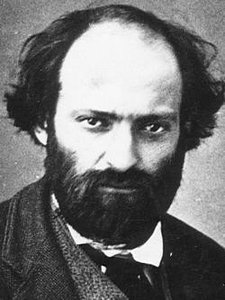
Paul Cézanne
1839 - 1906 , Francia
Breves datos
- Artistas Que Influyeron:
- Paul Gauguin
- Georges Seurat
- Estilo Artístico: Postimpresionismo
- Fecha De Muerte: Octubre 22, 1906
- Fecha De Nacimiento: 19 de enero de 1839
- Influenciado A Artistas:
- Pablo Picasso
- Henri Matisse
- Georges Braque
- Lugar De Nacimiento: Aix-en-Provence, Francia
- Nacionalidad: Francés
- Nombre Completo: Paul Cézanne
- Obras Notables:
- El estanque de Jas de Bouffan
- Retrato de Émile Zola
- Bosque
- Grandes Bañistas