 Ver en contexto
 Enviar
 Compartir
 Detalles

 Descargar
 Similares
 Radiografía
 Presentación de diapositivas
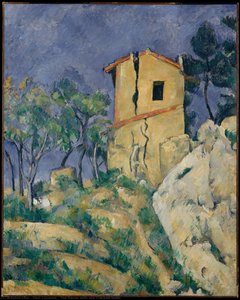
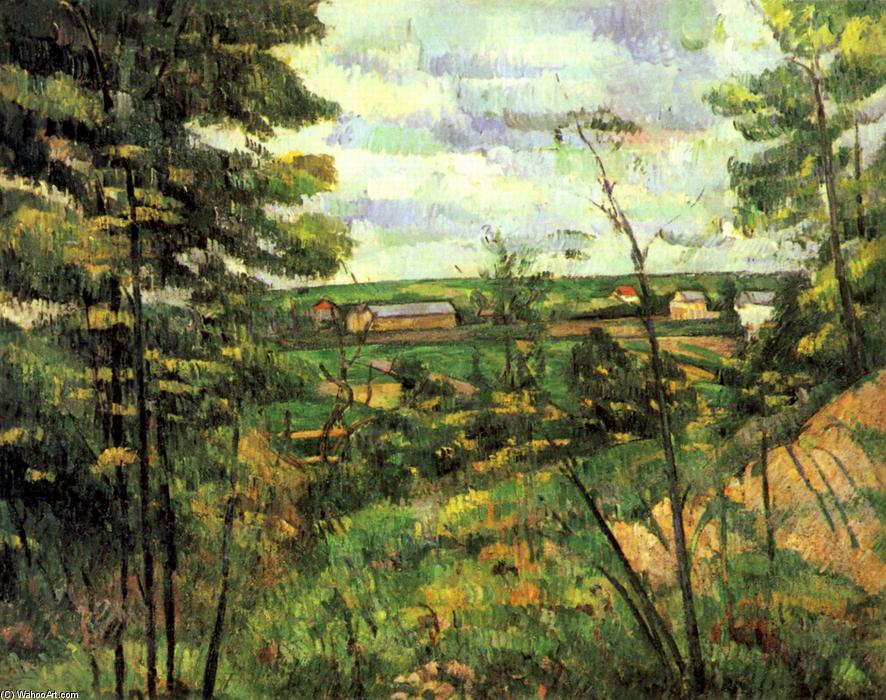
The valley of the Oise
 Post-Impressionism
 1880
1880- Renaissance
 72.0 x 91.0 cm
 Ver más
Reproducción al óleo hecha a mano
Óleo sobre lienzo pintado a mano en el tamaño y marco de su elección, realizado por encargo por nuestros artistas. ( Comprar impresión Comprar imagen)




P118B $10

P118H $10

P118W $10

P438Z $10

P508JH $12

P508YH $12

P805H $10

P805Z $10

P919BZ $10

P919G $10

P919XJ $10

P959ZH $10

P968JZ $12

W106C $8

W218G $10

W218JH $8

W218Y $10

W307PJ $10

W316G $10

W316PJ $8

W316Y $10

W398PJ $8

W4111J $10

W500HY $15

W500JH $15

W692G $12

W849H $8

W940BG $15

W953PJ $8




Elija entre nuestros tamaños predefinidos que respetan las proporciones originales de la obra.

Puede ingresar sus propias dimensiones para adaptarse a un marco o espacio específico. Si el tamaño seleccionado no coincide con las proporciones de la imagen original, recortaremos la obra o extenderemos la pintura con elementos adicionales pintados a mano. Se le enviará una maqueta digital para su aprobación antes de comenzar la producción.
Tenga en cuenta que la vista previa en pantalla no refleja el recorte o la extensión reales. Solo la maqueta mostrará con precisión la composición final.
Si bien existen tamaños personalizados, recomendamos seleccionar una dimensión de la lista predefinida para preservar las proporciones originales.
Tras realizar el pedido, el equipo de ArtsDot.com enviará un correo electrónico al cliente para solicitar instrucciones y proporcionarle una vista previa del boceto.
Envío a todo el mundo () en 3-4 semanas en lugar de las 5 semanas estándar. (25 agosto). Sin comprometer la calidad.

Envío exprés gratuito a todo el mundo

Lienzo de lino de alta calidad

Seguro de envío total

Garantía de reembolso de impuestos aduaneros

Garantía de fidelidad cromática exacta

Política de devolución de 60 días (solo por defectos)

Garantía de devolución del 100% del dinero

Descuento por cantidad
 La opción de vidrio solo está disponible en tamaños inferiores a 110 cm.

The valley of the Oise
Técnica de reproducción
Dimensiones de la reproducción
-


Precio total final
$ 263
Descripción de la obra
The Valley of the Oise: Cézanne’s Pioneering Vision
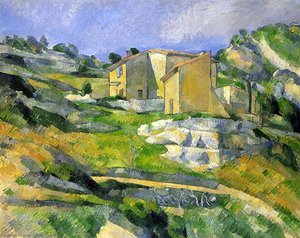
Paul Cézanne’s “The Valley of the Oise,” painted in 1880, stands as a cornerstone of Post-Impressionist art—a testament to his unwavering dedication to reshaping artistic perception. More than just a depiction of a rural landscape, it embodies Cézanne's revolutionary approach to representation, marking a decisive break from Impressionism’s shimmering surfaces and propelling him toward the groundbreaking explorations of Cubism.
- Subject Matter: The painting captures a tranquil valley nestled in France, dominated by rolling green fields punctuated by modest farmhouse buildings. Cézanne meticulously observes the natural world, prioritizing its underlying geometric structure over fleeting atmospheric effects—a characteristic that would define his artistic legacy.
- Style & Technique: Cézanne’s distinctive style is immediately recognizable through his use of “planes of color,” applying thick brushstrokes to build up complex textural surfaces. These strokes aren't blended smoothly; instead, they retain their individual marks, creating a palpable sense of physicality and contributing to the painting’s profound emotional resonance.
Historical Context & Artistic Movement
Emerging in response to Impressionism’s emphasis on optical sensations, Post-Impressionism championed subjective interpretation and formal experimentation. Cézanne wasn't merely reacting against Impressionism; he was actively dismantling its conventions, paving the way for a radical reimagining of artistic form. His work profoundly influenced avant-garde movements like Cubism, demonstrating his pivotal role in shaping 20th-century art history.
- Impressionism’s Legacy: Impressionists sought to capture the ephemeral beauty of light and color—a pursuit Cézanne deliberately rejected. Instead, he focused on distilling the essence of a scene into its fundamental geometric shapes, anticipating Cubist fragmentation.
- Recognition & Influence: Initially met with skepticism by critics like Camille Pissarro, Cézanne’s genius was recognized by fellow artists and discerning collectors. Figures such as Henri Matisse and Pablo Picasso acknowledged him as “the father of us all,” recognizing his transformative impact on artistic expression.
Symbolism & Emotional Impact
“The Valley of the Oise” transcends mere visual representation; it communicates a deep sense of serenity and contemplation. Cézanne’s deliberate simplification of form invites viewers to engage in an active process of interpretation, prompting them to consider not just what they see but also how it feels. The muted palette—dominated by greens and blues—further enhances the painting's contemplative mood.
- Geometric Precision: Cézanne’s obsession with geometric forms—particularly cylinders and cones—reflects his belief that art should strive for intellectual rigor alongside aesthetic beauty.
- Quiet Observation: The painting embodies Cézanne's commitment to meticulous observation of the natural world, capturing its underlying structure in a way that anticipates the formal innovations of Cubism.
Reproductions at ArtsDot
For art enthusiasts seeking to experience the timeless allure of Cézanne’s masterpiece, ArtsDot offers exceptional reproductions crafted with meticulous attention to detail. Bring the tranquility and intellectual depth of “The Valley of the Oise” into your home—a stunning addition to any collection.
Obras relacionadas
Biografía del artista
vida temprana e influencias
paul cézanne, un pintor postimpresionista francés, nació el 19 de enero de 1839 en Aix-en-Provence, Francia. Su vida temprana estuvo marcada por una fuerte conexión con la empresa bancaria de su familia, lo que le proporcionó seguridad financiera. Esto le permitió concentrarse en sus aspiraciones artísticas sin la carga del estrés financiero. les nabis, neoimpresionismo y simbolismo influyeron en el trabajo temprano de Cézanne, que se caracterizó por su énfasis en las formas geométricas y una paleta de colores limitada. Su interés en las obras de paul gauguin y georges seurat fortaleció aún más su estilo postimpresionista.estilo artístico y técnicas
El uso innovador de Cézanne de los planos de color y pequeños trazos repetitivos creó campos complejos que transmitían su intenso estudio de los temas. Su enfoque a menudo exploratorio del arte condujo al desarrollo de un nuevo lenguaje pictórico, que enfatizaba la estructura subyacente de los objetos en una composición.- características clave:
- formas geométricas y facetado
- paleta de colores reducida
- énfasis en la esencia constructiva del mundo físico
- múltiples perspectivas y simultaneidad
- obras influyentes:
- el estanque de jas de bouffan (1880)
- retrato de emile zola (1866)
- bosque (1892)
- museos que exhiben el trabajo de Cézanne:
- museo marmottan monet en París, Francia
- el museo de bellas artes en Houston, Estados Unidos
legado e impacto
El trabajo pionero de Cézanne en el postimpresionismo allanó el camino para diversos movimientos vanguardistas, incluyendo cubismo, fauvismo y surrealismo. Su influencia se puede ver en las obras de pablo picasso, henri matisse y georges braque. El legado de Cézanne continúa inspirando a artistas y entusiastas del arte por igual, consolidando su lugar como una figura fundamental en la historia del arte moderno.- movimientos artísticos relacionados:
- vea las obras de Cézanne:
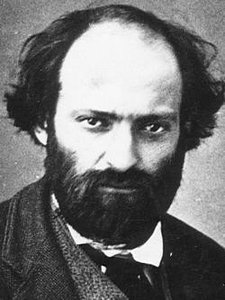
Paul Cézanne
1839 - 1906 , Francia
Datos clave
- Artistas Que Influyeron:
- Paul Gauguin
- Georges Seurat
- Estilo Artístico: Postimpresionismo
- Fecha De Muerte: Octubre 22, 1906
- Fecha De Nacimiento: 19 de enero de 1839
- Influenciado A Artistas:
- Pablo Picasso
- Henri Matisse
- Georges Braque
- Lugar De Nacimiento: Aix-en-Provence, Francia
- Nacionalidad: Francés
- Nombre Completo: Paul Cézanne
- Obras Notables:
- El estanque de Jas de Bouffan
- Retrato de Émile Zola
- Bosque
- Grandes Bañistas
Artículos relacionados

Paul Cézanne: Las 25 Obras Maestras que Definieron el Arte Moderno | ArtsDot
Descubre las 25 obras maestras de Paul Cézanne que revolucionaron el arte moderno. Explora su técnica, inspiración y significado en paisajes, bodegones y retratos. Reproducciones de alta calidad para decorar tu hogar con arte inolvidable. ¡Explora la colección completa en ArtsDot.com!
Paul Klee: Las 25 Obras Maestras que Definen un Genio del Arte Moderno | ArtsDot
Descubre las 25 obras maestras de Paul Klee, el genio del arte moderno. Explora su expresionismo único, composiciones abstractas y vibrantes paletas de colores. Reproducciones de alta calidad y decoración con arte en ArtsDot.com.
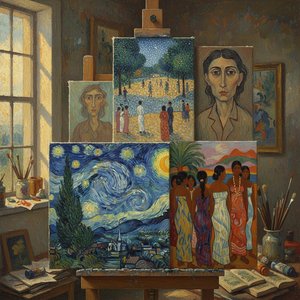
Más Allá del Impresionismo: Profundizando en la Emoción y el Simbolismo Postimpresionista
Descubre la profundidad emocional y el simbolismo del Postimpresionismo con ArtsDot. Análisis experto de Cézanne, Van Gogh, Gauguin y más. Explora la historia y el legado de este fascinante movimiento artístico.

Impresionismo: 10 Obras Maestras que Capturan la Luz y el Momento
Descubre 10 obras maestras del impresionismo de Monet, Renoir y Degas. Explora la luz, el color y las historias detrás de estos icónicos cuadros. Reproducciones de arte en ArtsDot.com para decorar tu hogar con estilo.

Los 10 Maestros del Paisaje Impresionista: Obras que Cambiaron la Historia del Arte
Descubre los 10 lienzos impresionistas que revolucionaron el arte. Monet, Renoir y más… Explora la historia, técnica y belleza de cada obra maestra. Encuentra reproducciones de alta calidad para tu hogar en ArtsDot.com.