 Ver en contexto
 Enviar
 Compartir
 Detalles

 Descargar
 Similares
 Radiografía
 Presentación de diapositivas
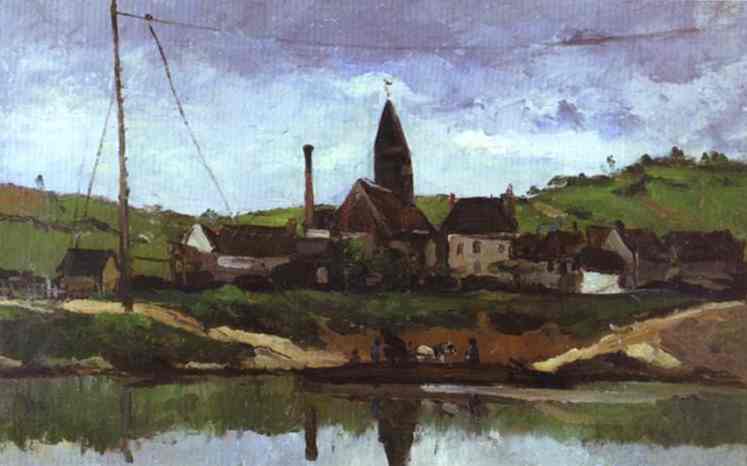
View of Bonnieres

 Ver más
Reproducción al óleo hecha a mano
Óleo sobre lienzo pintado a mano en el tamaño y marco de su elección, realizado por encargo por nuestros artistas. ( Comprar impresión Comprar imagen)




P118B $10

P118H $10

P118W $10

P438Z $10

P508JH $12

P508YH $12

P805H $10

P805Z $10

P919BZ $10

P919G $10

P919XJ $10

P959ZH $10

P968JZ $12

W106C $8

W218G $10

W218JH $8

W218Y $10

W307PJ $10

W316G $10

W316PJ $8

W316Y $10

W398PJ $8

W4111J $10

W500HY $15

W500JH $15

W692G $12

W849H $8

W940BG $15

W953PJ $8




Elija entre nuestros tamaños predefinidos que respetan las proporciones originales de la obra.

Puede ingresar sus propias dimensiones para adaptarse a un marco o espacio específico. Si el tamaño seleccionado no coincide con las proporciones de la imagen original, recortaremos la obra o extenderemos la pintura con elementos adicionales pintados a mano. Se le enviará una maqueta digital para su aprobación antes de comenzar la producción.
Tenga en cuenta que la vista previa en pantalla no refleja el recorte o la extensión reales. Solo la maqueta mostrará con precisión la composición final.
Si bien existen tamaños personalizados, recomendamos seleccionar una dimensión de la lista predefinida para preservar las proporciones originales.
Tras realizar el pedido, el equipo de ArtsDot.com enviará un correo electrónico al cliente para solicitar instrucciones y proporcionarle una vista previa del boceto.
Envío a todo el mundo () en 3-4 semanas en lugar de las 5 semanas estándar. (7 septiembre). Sin comprometer la calidad.

Envío exprés gratuito a todo el mundo

Lienzo de lino de alta calidad

Seguro de envío total

Garantía de reembolso de impuestos aduaneros

Garantía de fidelidad cromática exacta

Política de devolución de 100 días (solo por defectos)

Garantía de devolución del 100% del dinero

Descuento por cantidad
 La opción de vidrio solo está disponible en tamaños inferiores a 110 cm.

View of Bonnieres
Técnica de reproducción
Dimensiones de la reproducción
-


Precio total final
$ 263
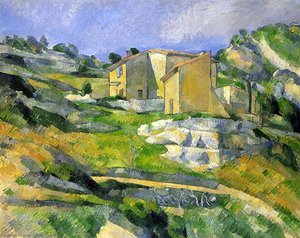
A Moment Frozen in Time: Paul Cézanne’s “View of Bonnieres”
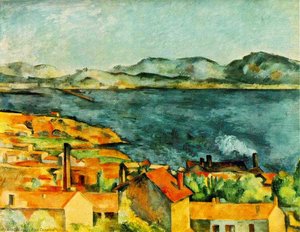
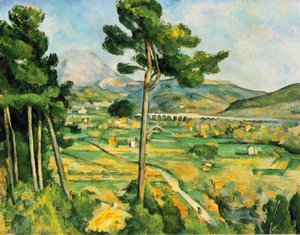
Paul Cézanne's "View of Bonnieres," painted in 1866, isn’t merely a depiction of a small Provençal village; it’s a profound meditation on perception and the very nature of seeing. This captivating landscape, housed within the collections of numerous museums worldwide, offers a glimpse into the nascent stages of Cézanne's revolutionary approach to art – one that would ultimately dismantle traditional academic conventions and pave the way for modernism. The scene unfolds before us with remarkable clarity: a modest village nestled amidst rolling hills, dominated by a church whose steeple pierces the azure sky. A ribbon of water, likely a river or stream, snakes through the valley floor, reflecting the light and adding a layer of shimmering tranquility to the composition.
Cézanne’s style at this period leans heavily into the Impressionist movement, yet he quickly transcends its limitations. While acknowledging the influence of artists like Jean-François Millet, who depicted rural life with earthy realism, Cézanne introduces a deliberate shift in focus. He isn't striving for photographic accuracy or fleeting impressions of light; instead, he’s dissecting the scene, analyzing its underlying geometric structure. Notice how the village buildings are broken down into simple, overlapping planes – rectangles and triangles—that suggest volume and form rather than simply mimicking their appearance. This technique anticipates Cubism, demonstrating Cézanne's intuitive understanding that art could represent reality through a system of abstracted shapes.
The Language of Color and Light
Cézanne’s masterful use of color is central to the painting’s emotional impact. He employs a restrained palette—primarily blues, greens, ochres, and browns—to evoke the warm hues of the Provençal countryside. However, he doesn't blend these colors smoothly; instead, he applies them in distinct brushstrokes, creating a vibrant interplay of light and shadow. The dappled sunlight filtering through the trees casts intricate patterns on the landscape, while the reflections in the water add depth and dynamism to the scene. This careful manipulation of color isn’t about replicating nature faithfully but rather about conveying its essence—its warmth, its vibrancy, and its inherent beauty.
The composition itself is carefully balanced, drawing the eye across the canvas. The church, positioned prominently in the background, serves as a focal point, anchoring the scene and providing a sense of stability. The placement of figures – scattered throughout the village—adds a touch of human presence to the landscape, suggesting a quiet rhythm of rural life. Cézanne’s deliberate use of perspective subtly shifts, creating an illusion of depth that draws the viewer into the heart of the scene.
Symbolism and Emotional Resonance
Beyond its technical brilliance, “View of Bonnieres” resonates with a profound sense of tranquility and nostalgia. The village itself evokes a feeling of timelessness—a place where life moves at a slower pace, connected to the rhythms of nature. The church, a symbol of faith and community, suggests a connection between humanity and the divine. The water, reflecting the sky above, symbolizes fluidity, change, and the interconnectedness of all things.
Cézanne’s decision to paint this particular village—Bonnieres—is significant. It was his childhood home, imbued with personal memories and emotions. This intimate connection is palpable in the painting's serene atmosphere and its subtle details. “View of Bonnieres” isn’t just a landscape; it’s a window into Cézanne’s soul – a testament to his deep love for Provence and his unwavering commitment to capturing the essence of the world around him.
A Legacy in Reproduction
Today, "View of Bonnieres" stands as an iconic work of art, admired for its innovative approach to composition, color, and perspective. ArtsDot offers meticulously crafted reproductions that faithfully capture the painting’s beauty and depth. Whether adorning a wall in your home or serving as a striking element in a commercial space, a reproduction of Cézanne's "View of Bonnieres" brings a touch of timeless elegance and artistic inspiration to any setting.
Obras relacionadas
Biografía del artista
vida temprana e influencias
paul cézanne, un pintor postimpresionista francés, nació el 19 de enero de 1839 en Aix-en-Provence, Francia. Su vida temprana estuvo marcada por una fuerte conexión con la empresa bancaria de su familia, lo que le proporcionó seguridad financiera. Esto le permitió concentrarse en sus aspiraciones artísticas sin la carga del estrés financiero. les nabis, neoimpresionismo y simbolismo influyeron en el trabajo temprano de Cézanne, que se caracterizó por su énfasis en las formas geométricas y una paleta de colores limitada. Su interés en las obras de paul gauguin y georges seurat fortaleció aún más su estilo postimpresionista.estilo artístico y técnicas
El uso innovador de Cézanne de los planos de color y pequeños trazos repetitivos creó campos complejos que transmitían su intenso estudio de los temas. Su enfoque a menudo exploratorio del arte condujo al desarrollo de un nuevo lenguaje pictórico, que enfatizaba la estructura subyacente de los objetos en una composición.- características clave:
- formas geométricas y facetado
- paleta de colores reducida
- énfasis en la esencia constructiva del mundo físico
- múltiples perspectivas y simultaneidad
- obras influyentes:
- el estanque de jas de bouffan (1880)
- retrato de emile zola (1866)
- bosque (1892)
- museos que exhiben el trabajo de Cézanne:
- museo marmottan monet en París, Francia
- el museo de bellas artes en Houston, Estados Unidos
legado e impacto
El trabajo pionero de Cézanne en el postimpresionismo allanó el camino para diversos movimientos vanguardistas, incluyendo cubismo, fauvismo y surrealismo. Su influencia se puede ver en las obras de pablo picasso, henri matisse y georges braque. El legado de Cézanne continúa inspirando a artistas y entusiastas del arte por igual, consolidando su lugar como una figura fundamental en la historia del arte moderno.- movimientos artísticos relacionados:
- vea las obras de Cézanne:
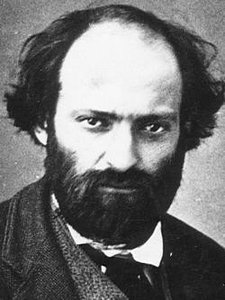
Paul Cézanne
1839 - 1906 , Francia
Datos clave
- Artistas Que Influyeron:
- Paul Gauguin
- Georges Seurat
- Estilo Artístico: Postimpresionismo
- Fecha De Muerte: Octubre 22, 1906
- Fecha De Nacimiento: 19 de enero de 1839
- Influenciado A Artistas:
- Pablo Picasso
- Henri Matisse
- Georges Braque
- Lugar De Nacimiento: Aix-en-Provence, Francia
- Nacionalidad: Francés
- Nombre Completo: Paul Cézanne
- Obras Notables:
- El estanque de Jas de Bouffan
- Retrato de Émile Zola
- Bosque
- Grandes Bañistas
Artículos relacionados

Paul Cézanne: Las 25 Obras Maestras que Definieron el Arte Moderno | ArtsDot
Descubre las 25 obras maestras de Paul Cézanne que revolucionaron el arte moderno. Explora su técnica, inspiración y significado en paisajes, bodegones y retratos. Reproducciones de alta calidad para decorar tu hogar con arte inolvidable. ¡Explora la colección completa en ArtsDot.com!

Los 10 Maestros del Paisaje Impresionista: Obras que Cambiaron la Historia del Arte
Descubre los 10 lienzos impresionistas que revolucionaron el arte. Monet, Renoir y más… Explora la historia, técnica y belleza de cada obra maestra. Encuentra reproducciones de alta calidad para tu hogar en ArtsDot.com.
Paul Klee: Las 25 Obras Maestras que Definen un Genio del Arte Moderno | ArtsDot
Descubre las 25 obras maestras de Paul Klee, el genio del arte moderno. Explora su expresionismo único, composiciones abstractas y vibrantes paletas de colores. Reproducciones de alta calidad y decoración con arte en ArtsDot.com.
Más Allá del Impresionismo: Profundizando en la Emoción y el Simbolismo Postimpresionista
Descubre la profundidad emocional y el simbolismo del Postimpresionismo con ArtsDot. Análisis experto de Cézanne, Van Gogh, Gauguin y más. Explora la historia y el legado de este fascinante movimiento artístico.
Impresionismo: 10 Obras Maestras que Capturan la Luz y el Momento
Descubre 10 obras maestras del impresionismo de Monet, Renoir y Degas. Explora la luz, el color y las historias detrás de estos icónicos cuadros. Reproducciones de arte en ArtsDot.com para decorar tu hogar con estilo.