 Ver en contexto
 Enviar
 Compartir
 Detalles

 Descargar
 Similares
 Radiografía
 Presentación de diapositivas
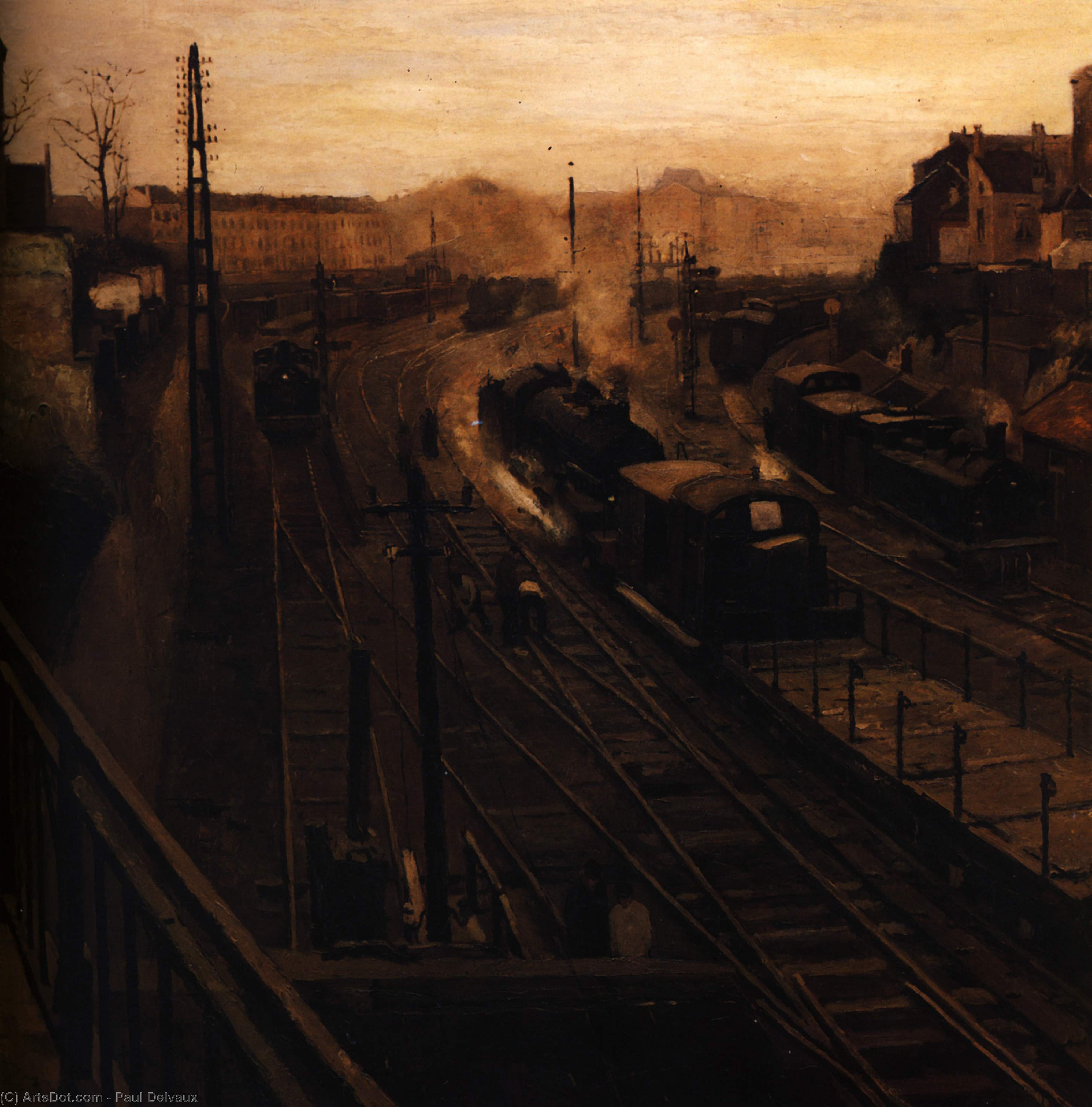
For the Brussels Luxembourg Station
 Oil On Canvas
- WallArt
- Surrealist Dreamscape
 1922
1922- Modern
 125.0 x 120.0 cm
 Ver más
Reproducción al óleo hecha a mano
Óleo sobre lienzo pintado a mano en el tamaño y marco de su elección, realizado por encargo por nuestros artistas. ( Comprar impresión Comprar imagen)




P118B $10

P118H $10

P118W $10

P438Z $10

P508JH $12

P508YH $12

P805H $10

P805Z $10

P919BZ $10

P919G $10

P919XJ $10

P959ZH $10

P968JZ $12

W106C $8

W218G $10

W218JH $8

W218Y $10

W307PJ $10

W316G $10

W316PJ $8

W316Y $10

W398PJ $8

W4111J $10

W500HY $15

W500JH $15

W692G $12

W849H $8

W940BG $15

W953PJ $8




Elija entre nuestros tamaños predefinidos que respetan las proporciones originales de la obra.

Puede ingresar sus propias dimensiones para adaptarse a un marco o espacio específico. Si el tamaño seleccionado no coincide con las proporciones de la imagen original, recortaremos la obra o extenderemos la pintura con elementos adicionales pintados a mano. Se le enviará una maqueta digital para su aprobación antes de comenzar la producción.
Tenga en cuenta que la vista previa en pantalla no refleja el recorte o la extensión reales. Solo la maqueta mostrará con precisión la composición final.
Si bien existen tamaños personalizados, recomendamos seleccionar una dimensión de la lista predefinida para preservar las proporciones originales.
Tras realizar el pedido, el equipo de ArtsDot.com enviará un correo electrónico al cliente para solicitar instrucciones y proporcionarle una vista previa del boceto.
Envío a todo el mundo () en 3-4 semanas en lugar de las 5 semanas estándar. (27 agosto). Sin comprometer la calidad.

Envío exprés gratuito a todo el mundo

Lienzo de lino de alta calidad

Seguro de envío total

Garantía de reembolso de impuestos aduaneros

Garantía de fidelidad cromática exacta

Política de devolución de 60 días (solo por defectos)

Garantía de devolución del 100% del dinero

Descuento por cantidad
 La opción de vidrio solo está disponible en tamaños inferiores a 110 cm.

For the Brussels Luxembourg Station
Técnica de reproducción
Dimensiones de la reproducción
-


Precio total final
$ 263
A Dreamscape of Steel and Shadow
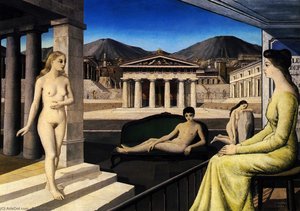
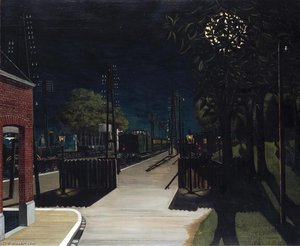
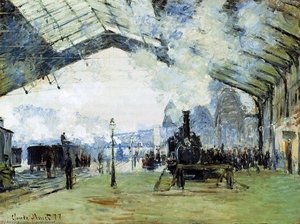
In the heart of 1922, amidst the burgeoning industrial pulse of Europe, Paul Delvaux captured a moment that transcends mere historical documentation. For the Brussels Luxembourg Station is not simply a depiction of a bustling transit hub; it is a profound psychological landscape where the mechanical and the metaphysical collide. As one gazes upon the canvas, the eye is immediately arrested by the colossal steam engine locomotive, a titan of iron and steam that dominates the composition. Its immense scale serves as a dual symbol of progress and isolation, looming over the station platform with an almost sentient presence. The station itself, teeming with passengers and secondary trains, becomes a stage for a silent, surreal drama, where the boundaries between the tangible world and the subconscious begin to blur.
Delvaux’s technical mastery lies in his ability to marry the rigorous precision of academic training with the unsettling distortions of the Surrealist imagination. Utilizing a technique characterized by hyper-realistic textures, he renders the dampness of the stone platforms, the polished sheen of metal, and the weathered surfaces of the station with breathtaking clarity. Yet, this very realism is what makes the painting so disconcerting; as the viewer settles into the familiar details, they realize that the proportions are subtly skewed. Figures appear strangely elongated or compressed, creating a sense of spatial vertigo. This mastery of chiaroscuro—the dramatic interplay between deep, swallowing shadows and piercing light—amplifies the atmosphere of mystery, casting the bustling crowd into a state of dreamlike suspension.
The Architecture of Anxiety
To understand this masterpiece, one must look toward the historical currents that shaped Delvaux’s vision. Emerging during the interwar period, the painting reflects the profound societal anxieties of an era caught between rapid technological advancement and the lingering trauma of global conflict. Influenced by the burgeoning field of Freudian psychoanalysis, Delvaux sought to tap into the hidden recesses of the human mind. The locomotive, while a marvel of modern engineering, acts as an oppressive force, mirroring the overwhelming nature of urbanization and the relentless march of industrialization. Every element within the frame—from the scattered, ambiguous figures to the vast, echoing architecture—contributes to a sense of metamorphosis and existential unease.
For the discerning collector or interior designer, this artwork offers more than just visual splendor; it provides a profound emotional anchor for any space. The painting’s ability to evoke both awe and introspection makes it an extraordinary centerpiece for a sophisticated gallery or a thoughtfully curated living environment. It invites conversation, challenging the viewer to look beyond the surface of the industrial scene to find the poetic, often haunting, truths hidden within. Whether viewed as a tribute to the grandeur of the locomotive era or as a window into the surrealist psyche, For the Brussels Luxembourg Station remains an enduring testament to the power of art to transform the mundane into the monumental.
Obras relacionadas
Biografía del artista
Primeros años e influencias
Paul Delvaux, un renombrado pintor belga, nació el 23 de septiembre de 1897 en Wanze, Bélgica. Sus primeros años estuvieron marcados por una variedad de intereses, incluyendo la música, los estudios de griego y latín, así como las obras de Julio Verne y Homero. Estas influencias más tarde moldearían su estilo artístico único.Desarrollo Artístico
El viaje artístico de Delvaux comenzó en la Academia Real de Bellas Artes de Bruselas, donde estudió arquitectura debido a la desaprobación de sus padres por su ambición de convertirse en pintor. Sin embargo, continuó persiguiendo la pintura, asistiendo a clases impartidas por Constant Montald y Jean Delville. Sus primeras obras, principalmente paisajes naturalistas, estuvieron influenciadas por expresionistas flamencos como Constant Permeke y Gustave De Smet.Período Surrealista
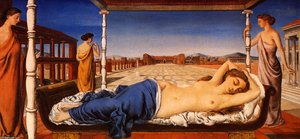
A finales de los años 20 y principios de los 30, las pinturas de Delvaux comenzaron a presentar desnudos en paisajes, mostrando su mezcla única de elementos clásicos y escenas oníricas. Este estilo estuvo fuertemente influenciado por el arte metafísico de Giorgio De Chirico, que conoció a finales de la década de 1920. Un ejemplo notable de este período es "La Venus Durmiente", una cautivadora pintura al óleo que ejemplifica el estilo surrealista de Delvaux.Obras Notables y Museos
- "Noche de Tren" (1947), una obra maestra del surrealismo, se puede encontrar en el Musée de Toyama en Japón.
- La Tate Gallery en Londres presenta otra versión de "La Venus Durmiente", mostrando el trabajo a gran escala de Delvaux.
Legado e Impacto
El estilo único de Delvaux, que combina elementos clásicos con escenas oníricas, ha dejado un impacto duradero en el mundo del arte. Sus obras continúan siendo celebradas por su belleza y cualidades estéticas. Como artista, Delvaux sigue siendo una figura significativa en el movimiento surrealista, inspirando a futuras generaciones de artistas.- Descubre más sobre la vida y las obras de Paul Delvaux en https://ArtsDot.com/@/paul-delvaux
- Explora la historia del surrealismo y sus figuras clave en https://en.wikipedia.org/wiki/surrealism
- Aprende sobre el impacto del arte metafísico de Giorgio De Chirico en el trabajo de Delvaux en /es/art/show/art-d3cr9h-es/
- 23 de septiembre de 1897: Nació en Wanze, Bélgica
- 1944: Creó "La Venus Durmiente"
- 20 de julio de 1994: Falleció en Veurne, Bélgica
Paul Delvaux
1897 - 1994 , Bélgica
Datos clave
- Artistas Que Influyeron:
- René Magritte
- E. L. T. Mesens
- Giorgio de Chirico
- Fecha De Fallecimiento: 20 de julio de 1994
- Fecha De Nacimiento: 23 de septiembre de 1897
- Lugar De Nacimiento: Wanze, Bélgica
- Movimiento Artístico: Surrealismo
- Nacionalidad: Belga
- Nombre Completo: Paul Delvaux
- Obras Notables:
- El Bosque
- La Dama Rosa
- La Venus Durmiente
- Noche de Tren
Artículos relacionados
The Enigmatic Realm of Paul Delvaux: Surrealism, Memory & the Poetics of Disquiet
Explore the haunting dreamscapes of Paul Delvaux, a master of Surrealism. Discover his iconic motifs, classical influences & enduring legacy with ArtsDot.com.
Más Allá de la Realidad Tangible: Explorando los Fundamentos Filosóficos del Surrealismo
Descubre los fundamentos filosóficos del Surrealismo. Explora su contexto histórico, la influencia de Freud y las técnicas clave con análisis experto. Un viaje al corazón de este revolucionario movimiento artístico.
Dreamscapes & Disrupted Realities: Exploring Surrealism's Enduring Influence
Explore the fascinating world of Surrealism! Discover its origins, key artists like Dalí & Magritte, and enduring influence on art & culture. Expert insights & high-quality reproductions at ArtsDot.
Surrealismo: 10 Obras Maestras que Transformaron el Arte y la Decoración
Descubre las 10 obras maestras del Surrealismo con Dalí, Magritte y Miró. Explora la historia, el simbolismo y la técnica de estos íconos del arte moderno. Encuentra reproducciones de alta calidad para tu hogar en .
Pop Surrealismo: Una Colisión de Cultura, Sueños y el Subconsciente en el Arte de la Posguerra
Descubre el fascinante mundo del Pop Surrealismo. Explora sus orígenes, artistas clave como Mark Ryden y su impacto en el arte contemporáneo. Guía experta para coleccionistas.