 Ver en contexto
 Enviar
 Compartir
 Detalles

 Descargar
 Similares
 Radiografía
 Presentación de diapositivas
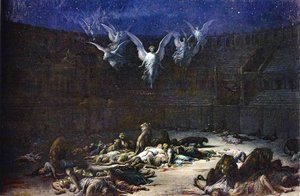
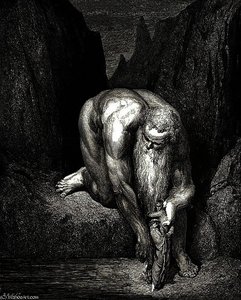
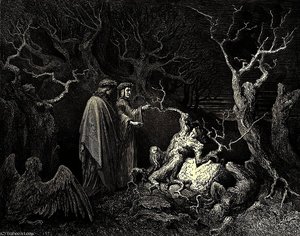
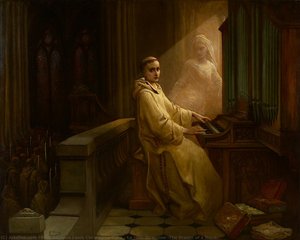
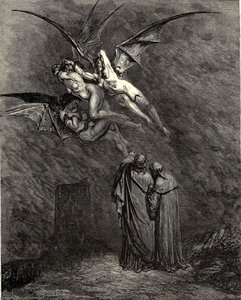
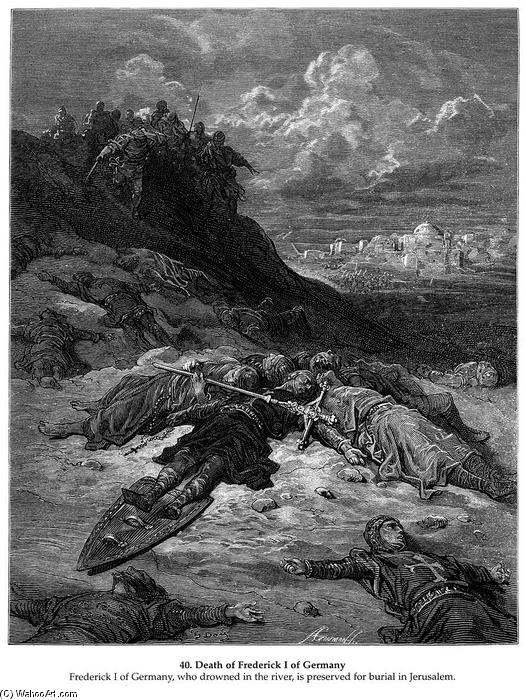
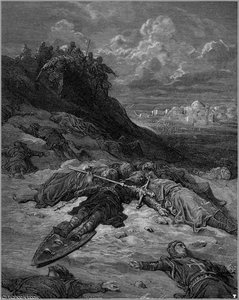
La muerte de Federico I de Alemania

 Ver más
Giclée / Impresión de arte
Impresiones giclée o en lienzo de calidad de museo con producción rápida y opciones de acabado flexibles. ( Comprar pintura hecha a mano Comprar imagen)




P118B $10

P118H $10

P118W $10

P438Z $10

P508JH $12

P508YH $12

P805H $10

P805Z $10

P919BZ $10

P919G $10

P919XJ $10

P959ZH $10

P968JZ $12

W106C $8

W218G $10

W218JH $8

W218Y $10

W307PJ $10

W316G $10

W316PJ $8

W316Y $10

W398PJ $8

W4111J $10

W500HY $15

W500JH $15

W692G $12

W849H $8

W940BG $15

W953PJ $8




Elija entre nuestros tamaños predefinidos que respetan las proporciones originales de la obra.

Puede introducir sus propias dimensiones para adaptarse a un marco o espacio específico. Si el tamaño seleccionado no coincide con las proporciones de la imagen original, recortaremos la obra de arte o extenderemos la imagen con un borde con efecto espejo o de color sólido. Se enviará una maqueta digital para su aprobación antes de que comience la producción.
Tenga en cuenta que la vista previa en pantalla no refleja el recorte o la extensión real. Solo la maqueta mostrará con precisión la composición final.
Aunque existen tamaños personalizados, recomendamos seleccionar una dimensión de la lista predefinida para preservar las proporciones originales.
Envío a todo el mundo () en 2 semanas en lugar de las 4/5 semanas estándar. (26 agosto)

Envío exprés gratuito a todo el mundo

Lienzo de lino de alta calidad

Seguro de envío total

Garantía de reembolso de impuestos aduaneros

Garantía de fidelidad cromática exacta

Política de devolución de 60 días (solo por defectos)

Garantía de devolución del 100% del dinero

Descuento por cantidad
 La opción de vidrio solo está disponible en tamaños inferiores a 110 cm.

La muerte de Federico I de Alemania
Giclée / Impresión de arte
Dimensiones de la reproducción
-


Precio total final
$ 62
Descripción de la pieza
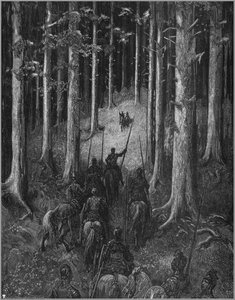
Death of Frederick I of Germany: Unveiling the Dramatic Soul of Romantic Art
Gustave Doré’s “Death of Frederick I of Germany” transcends mere visual representation; it's a visceral journey into the turbulent currents of 19th-century European history, rendered with breathtaking precision and imbued with profound emotional resonance. Executed in 1864, this monumental engraving captures not just the immediate aftermath of the Battle of Leipzig—a decisive confrontation between Prussia and Austria that fundamentally reshaped the political landscape of Central Europe—but delves into the core anxieties surrounding imperial ambition, mortality, and the inescapable grip of fate.
- Subject Matter: The artwork portrays Frederick I’s tragic demise following the calamitous defeat at Leipzig. This event, though seemingly focused on a single figure, serves as a microcosm of larger historical forces—the crumbling edifice of imperial power confronted by the relentless march of time and the inescapable reality of death. Doré doesn't simply depict what happened; he strives to convey *how* it felt, capturing the palpable sorrow and despair that permeated the battlefield.
- Style & Technique: Doré’s mastery of engraving—a technique championed during the Romantic era—is immediately apparent. He employs a masterful command of hatching and cross-hatching, achieving astonishing tonal variation that convincingly simulates textures ranging from weathered stone to damp fabric. This painstaking process isn't merely about replicating visual detail; it’s about channeling emotion onto the canvas of paper, creating an immersive experience for the viewer.
- Composition & Perspective: The scene unfolds on a subtly elevated plane, offering a panoramic vista of the battlefield—a chaotic expanse strewn with corpses and littered with weaponry. Dominating the left side is a monumental rocky outcrop, serving as a dramatic framing device that draws the eye towards the central tableau—the emperor’s lifeless body surrounded by grieving attendants. Atmospheric perspective delicately softens the distant cityscape, amplifying the scale of the historical drama and reinforcing Doré's intention to evoke awe and contemplation.
- Symbolism: Beyond its depiction of a specific battle, “Death of Frederick I” resonates with deeper symbolic meanings. The fallen armor and weapons represent shattered imperial grandeur—a poignant reminder that even the most formidable rulers are ultimately vulnerable to forces beyond their control. Furthermore, Doré’s deliberate use of light and shadow intensifies these emotions, creating an atmosphere of palpable tragedy and prompting viewers to confront uncomfortable truths about human existence.
- Historical Context: The Battle of Leipzig represented a pivotal moment in European history—the culmination of decades of conflict between Prussia and Austria, fueled by competing aspirations for dominance. Doré’s engraving isn't simply an illustration; it’s a testament to the Romantic movement’s fascination with grand narratives and its willingness to grapple with weighty themes of heroism, sacrifice, and mortality. It stands as a cornerstone of Doré’s oeuvre, embodying his signature style—a blend of meticulous detail and dramatic emotional impact.
“Death of Frederick I” continues to captivate audiences today because it succeeds in capturing the essence of Romantic art: its unwavering commitment to conveying emotion with unflinching honesty. This engraving invites contemplation on themes of loss, vulnerability, and the enduring legacy of history—a timeless masterpiece that speaks volumes about the human condition.
Obras relacionadas
Biografía del artista
Paul Gustave Doré: Una Vida en Ilustración
Primeros Años y Orígenes
- Nacimiento: 6 de enero de 1832, en Estrasburgo, Francia.
- Incluso siendo niño, Doré mostró un talento artístico notable y una personalidad precoz. Hay historias sobre sus bromas tempranas que demostraban una madurez inusual para su edad.
- Inclínaciones Artísticas Tempranas: Comenzó a dibujar a muy temprana edad, mostrando rápidamente una habilidad excepcional.
- A los 15 años, Doré se embarcó en su carrera profesional como caricaturista para el periódico francés Le Journal pour rire.
Desarrollo Artístico y Primeras Obras
- Primeros Encargos: Sus primeras obras incluían libros ilustrados como Los Trabajos de Hércules (1847), Tres artistas incomprendidos y descontentos (1851), y Las Desagradables Aventuras de una Aventura Agradable (1851).
- Influencias: Las ilustraciones de J.J. Grandville fueron una influencia significativa en su estilo temprano.
- Doré rápidamente ganó reconocimiento por sus composiciones dinámicas y el uso dramático de la luz y la sombra, incluso en estas primeras obras.
- Comenzó a recibir encargos para ilustrar la literatura clásica, incluyendo obras de Cervantes, Rabelais, Balzac, Milton y Dante.
Reconocimiento Internacional y Logros Importantes
- Ilustrando a Gigantes Literarios: En 1853, fue encargado de ilustrar las obras de Lord Byron, seguido por un monumental proyecto de Biblia ilustrada.
- El Gitano Errante (1856): Esta obra, aunque popular, contenía undertones antisemitas que reflejaban la época.
- Don Quijote: Sus ilustraciones de 1860 para la Divina Comedia de Cervantes influyeron profundamente en las interpretaciones posteriores de los personajes y la historia.
- El Cuervo (1883): La edición ampliada de Edgar Allan Poe’s “El Cuervo” por Doré le ganó 30,000 francos de Harper & Brothers.
- Londres: Un Peregrinaje (1872): Esta colaboración con Blanchard Jerrold retrataba las duras realidades de la sociedad victoriana y provocó controversia por su enfoque en la pobreza.
Estilo y Técnicas
- Maestría en Grabado en Madera: Doré era un maestro del grabado en madera, creando imágenes increíblemente detalladas y dramáticas.
- Composición Dramática: Su obra se caracteriza por composiciones dinámicas, fuertes contrastes entre la luz y la sombra (claroscuro) y un sentido de grandeza.
- A menudo empleaba un gran equipo de talladores para traducir sus diseños en grabados en madera, lo que permitía la producción masiva.
- Romanticismo: Su estilo está firmemente arraigado en la tradición romántica, enfatizando la emoción, la imaginación y el sublime.
Legado e Importancia Histórica
- Premios y Honores: Doré fue nombrado Chevalier de la Légion d'honneur por el gobierno francés en 1861.
- Sus ilustraciones tuvieron un impacto generalizado en la cultura visual, influyendo a artistas y lectores durante generaciones.
- Influencia en Artistas Posteriores: Inspiró a artistas como Vincent van Gogh, quien admiraba sus representaciones del sufrimiento y la adversidad.
- A pesar de algunas críticas contemporáneas, la obra de Doré es ahora celebrada por su mérito artístico e importancia histórica. Sus ilustraciones siguen dando forma a nuestra comprensión de la literatura clásica y la sociedad victoriana.
- Fallecimiento: Paul Gustave Doré murió el 23 de enero de 1883, dejando atrás un vasto y perdurable legado.
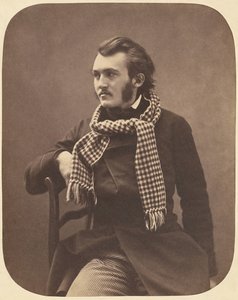
Paul Gustave Doré
1832 - 1883 , Francia
Datos clave
- Artistas Que Influyeron: ['J.J. Grandville']
- Estilo Artístico: Romanticismo
- Fecha De Muerte: 23 de enero de 1883
- Fecha De Nacimiento: 6 de enero de 1832
- Influenciado A Artistas: ['Vincent van Gogh']
- Lugar De Nacimiento: Estrasburgo, Francia
- Nacionalidad: Francés
- Nombre Completo: Paul Gustave Doré
- Obras Notables:
- Los Trabajos de Hércules
- Don Quijote (ilustraciones)
- La Divina Comedia
- El Cuervo
- Londres: Un Peregrinaje
Artículos relacionados

Los 10 Grabados Legendarios que Transformaron la Historia del Arte | ArtsDot
Descubre los 10 grabados legendarios de Dürer, Rembrandt y Goya que revolucionaron el arte. Explora la historia, técnicas y belleza atemporal de estas obras maestras. Reproducciones de alta calidad en ArtsDot.com para decorar tu hogar con arte clásico.
Paul Gustave Doré: A Master of Romantic Realism & the Illustrated Imagination
Explore the captivating world of Gustave Doré, master of Romantic realism & iconic illustrator. Discover his dramatic wood engravings, paintings, and sculptures – a legacy shaping art history. Learn more at ArtsDot.
Engraving: A Historical Survey of Technique, Artistic Expression & Enduring Legacy
Explore the rich history of engraving with ArtsDot. Discover techniques, iconic artists like Dürer & Callot, collecting tips, and expert guidance for preserving your art investment. Learn about intaglio printing & more!

Romantic Realism's Finest: 10 Masterpieces for Your Home | ArtsDot
Explore 10 defining masterpieces of Romantic Realism! Discover Courbet, Millet & Daumier's powerful paintings—capturing emotion and social realities. Find museum-quality reproductions for your home at ArtsDot.com.
El Intricado Mundo del Grabado: Técnica, Expresión y Legado Histórico
Descubre la fascinante historia del grabado calcográfico: técnicas ancestrales, maestros como Goya y su impacto en el arte y la ciencia. Guía experta para coleccionistas y amantes del arte.