 Vista previa
 Compartir
 Compartir
 Ver detalles

 Descargar
 Ver similares
 Radiografía
 Presentación de diapositivas
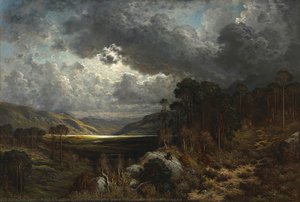
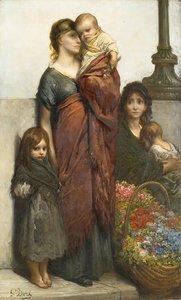
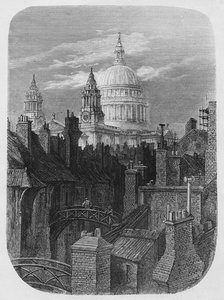
Regente Park, Londres


 Leer más
Reproducción al óleo hecha a mano
Óleo sobre lienzo pintado a mano en el tamaño y marco de su elección, realizado por encargo por nuestros artistas. ( Pedir impresión Comprar descarga)




P118B $10

P118H $10

P118W $10

P438Z $10

P508JH $12

P508YH $12

P805H $10

P805Z $10

P919BZ $10

P919G $10

P919XJ $10

P959ZH $10

P968JZ $12

W106C $8

W218G $10

W218JH $8

W218Y $10

W307PJ $10

W316G $10

W316PJ $8

W316Y $10

W398PJ $8

W4111J $10

W500HY $15

W500JH $15

W692G $12

W849H $8

W940BG $15

W953PJ $8




Elija entre nuestros tamaños predefinidos que respetan las proporciones originales de la obra.

Puede ingresar sus propias dimensiones para adaptarse a un marco o espacio específico. Si el tamaño seleccionado no coincide con las proporciones de la imagen original, recortaremos la obra o extenderemos la pintura con elementos adicionales pintados a mano. Se le enviará una maqueta digital para su aprobación antes de comenzar la producción.
Tenga en cuenta que la vista previa en pantalla no refleja el recorte o la extensión reales. Solo la maqueta mostrará con precisión la composición final.
Si bien existen tamaños personalizados, recomendamos seleccionar una dimensión de la lista predefinida para preservar las proporciones originales.
Tras realizar el pedido, el equipo de ArtsDot.com enviará un correo electrónico al cliente para solicitar instrucciones y proporcionarle una vista previa del boceto.
Envío a todo el mundo () en 3-4 semanas en lugar de las 5 semanas estándar. (21 agosto). Sin comprometer la calidad.

Envío exprés gratuito a todo el mundo

Lienzo de lino de alta calidad

Seguro de envío completo

Garantía de reembolso de aranceles aduaneros

Garantía de fidelidad cromática exacta

Política de devolución de 60 días (solo por defectos)

Garantía de devolución del 100% del dinero

Oferta por volumen
 La opción de vidrio solo está disponible en tamaños inferiores a 110 cm.

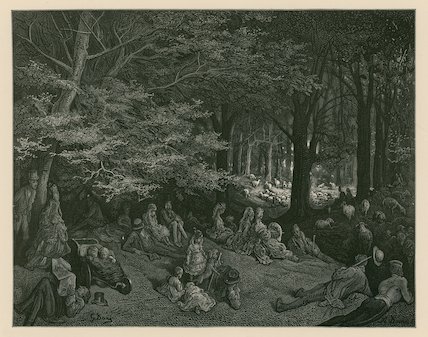
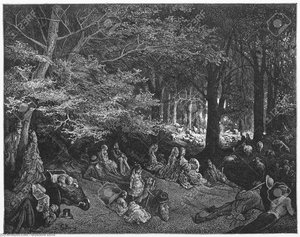
Regente Park, Londres
Técnica de reproducción
Tamaño de la reproducción
-


Precio total
$ 488
Descripción de la obra
A Symphony of Shadows: The Depiction of Rural Life in Doré’s Landscape
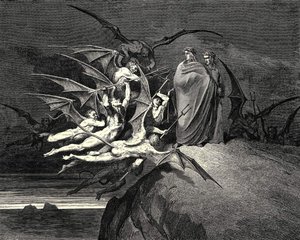
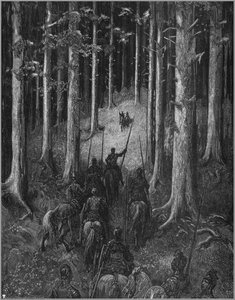
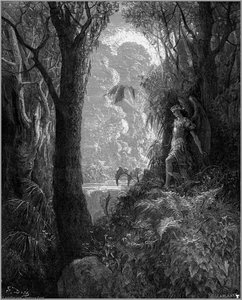
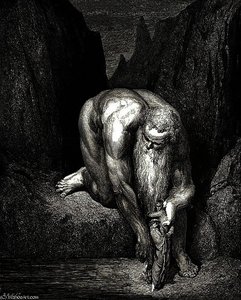
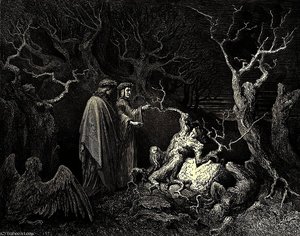
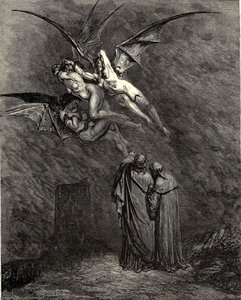
Gustave Doré's masterful rendering of rural life – this particular piece captures the essence of a tranquil English countryside scene, steeped in the Romantic sensibility that defined his career. The composition immediately draws the eye to a cluster of figures engaged in everyday activities: a shepherd tending his flock, a family picnicking beneath a spreading oak, and children playing amongst wildflowers. Doré’s genius lies not merely in depicting these scenes with technical accuracy, but in imbuing them with an emotional resonance that speaks to the timeless human connection with nature and community.
- Subject Matter: The scene is a quintessential pastoral one – a snapshot of rural life at its most idyllic. Doré skillfully avoids sentimentality, presenting instead a realistic portrayal of labor, leisure, and social interaction within a natural setting.
- Style & Technique: Characterized by his signature use of dramatic lighting and meticulous detail, Doré employs a highly detailed engraving technique. The cross-hatching creates a rich tapestry of tonal values, building up the textures of the foliage, the rough wool of the sheep, and the worn fabrics of the figures’ clothing. The linear quality of the lines contributes to a sense of depth and spatial recession, drawing the viewer into the heart of the scene.
- Historical Context: Doré's work flourished during the mid-19th century, a period marked by both industrialization and a renewed appreciation for nature and traditional values. His illustrations were immensely popular, reflecting a broader cultural trend towards romanticizing the past and celebrating the beauty of the natural world. The style aligns with the Pre-Raphaelite movement’s emphasis on detailed observation and moral themes within art.
The Language of Light and Shadow: Doré's Dramatic Use of Tone
Doré was a master of manipulating light and shadow to create mood and atmosphere. The scene is bathed in a diffused, almost ethereal light, suggesting either an overcast day or the deep shade cast by the dense woodland canopy. This subtle use of tonal variation is crucial to the work’s impact, creating a sense of depth and volume that draws the eye across the composition. Notice how the highlights on the figures' clothing and faces create a focal point, while the darker areas recede into the background, enhancing the illusion of three-dimensionality.
- Chiaroscuro: Doré’s masterful use of *chiaroscuro* – the dramatic contrast between light and dark – is central to the work's power. This technique not only adds visual interest but also contributes to a sense of drama and mystery, inviting the viewer to contemplate the scene’s narrative possibilities.
- Line as Form: Doré’s reliance on linear hatching demonstrates his understanding that line itself can create form and volume. The density and direction of the lines determine how light interacts with the surface, creating a complex interplay of tones and textures.
Symbolism & Emotional Resonance: A Window into Victorian Values
Beyond its technical brilliance, Doré’s illustration is rich in symbolic meaning. The scene evokes themes of rural simplicity, community harmony, and the importance of traditional values – all highly prized during the Victorian era. The shepherd's flock represents prosperity and security, while the family picnic symbolizes domestic bliss. The children playing represent innocence and hope for the future. The overall effect is one of quiet contentment and a nostalgic yearning for a simpler way of life.
- Romantic Idealism: The scene embodies the Romantic ideal of finding solace and inspiration in nature, reflecting a desire to escape the pressures of industrial society.
- Social Commentary (Subtle): While not overtly political, the illustration subtly reinforces Victorian values of hard work, family life, and respect for tradition.
A Timeless Masterpiece: Perfected Reproduction for Your Collection
This hand-painted reproduction captures every nuance of Doré’s original engraving, offering a stunning addition to any art collection or interior design scheme. Each reproduction is meticulously crafted by skilled artisans using the highest quality materials, ensuring exceptional detail and longevity. Bring this evocative landscape into your home and experience the timeless beauty and emotional power of one of the 19th century's greatest illustrators.
Obras relacionadas
Biografía del artista
Paul Gustave Doré: Una Vida en Ilustración
Primeros Años y Orígenes
- Nacimiento: 6 de enero de 1832, en Estrasburgo, Francia.
- Incluso siendo niño, Doré mostró un talento artístico notable y una personalidad precoz. Hay historias sobre sus bromas tempranas que demostraban una madurez inusual para su edad.
- Inclínaciones Artísticas Tempranas: Comenzó a dibujar a muy temprana edad, mostrando rápidamente una habilidad excepcional.
- A los 15 años, Doré se embarcó en su carrera profesional como caricaturista para el periódico francés Le Journal pour rire.
Desarrollo Artístico y Primeras Obras
- Primeros Encargos: Sus primeras obras incluían libros ilustrados como Los Trabajos de Hércules (1847), Tres artistas incomprendidos y descontentos (1851), y Las Desagradables Aventuras de una Aventura Agradable (1851).
- Influencias: Las ilustraciones de J.J. Grandville fueron una influencia significativa en su estilo temprano.
- Doré rápidamente ganó reconocimiento por sus composiciones dinámicas y el uso dramático de la luz y la sombra, incluso en estas primeras obras.
- Comenzó a recibir encargos para ilustrar la literatura clásica, incluyendo obras de Cervantes, Rabelais, Balzac, Milton y Dante.
Reconocimiento Internacional y Logros Importantes
- Ilustrando a Gigantes Literarios: En 1853, fue encargado de ilustrar las obras de Lord Byron, seguido por un monumental proyecto de Biblia ilustrada.
- El Gitano Errante (1856): Esta obra, aunque popular, contenía undertones antisemitas que reflejaban la época.
- Don Quijote: Sus ilustraciones de 1860 para la Divina Comedia de Cervantes influyeron profundamente en las interpretaciones posteriores de los personajes y la historia.
- El Cuervo (1883): La edición ampliada de Edgar Allan Poe’s “El Cuervo” por Doré le ganó 30,000 francos de Harper & Brothers.
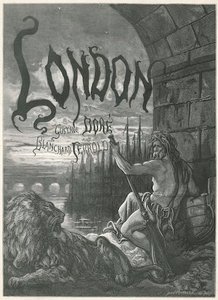
- Londres: Un Peregrinaje (1872): Esta colaboración con Blanchard Jerrold retrataba las duras realidades de la sociedad victoriana y provocó controversia por su enfoque en la pobreza.
Estilo y Técnicas
- Maestría en Grabado en Madera: Doré era un maestro del grabado en madera, creando imágenes increíblemente detalladas y dramáticas.
- Composición Dramática: Su obra se caracteriza por composiciones dinámicas, fuertes contrastes entre la luz y la sombra (claroscuro) y un sentido de grandeza.
- A menudo empleaba un gran equipo de talladores para traducir sus diseños en grabados en madera, lo que permitía la producción masiva.
- Romanticismo: Su estilo está firmemente arraigado en la tradición romántica, enfatizando la emoción, la imaginación y el sublime.
Legado e Importancia Histórica
- Premios y Honores: Doré fue nombrado Chevalier de la Légion d'honneur por el gobierno francés en 1861.
- Sus ilustraciones tuvieron un impacto generalizado en la cultura visual, influyendo a artistas y lectores durante generaciones.
- Influencia en Artistas Posteriores: Inspiró a artistas como Vincent van Gogh, quien admiraba sus representaciones del sufrimiento y la adversidad.
- A pesar de algunas críticas contemporáneas, la obra de Doré es ahora celebrada por su mérito artístico e importancia histórica. Sus ilustraciones siguen dando forma a nuestra comprensión de la literatura clásica y la sociedad victoriana.
- Fallecimiento: Paul Gustave Doré murió el 23 de enero de 1883, dejando atrás un vasto y perdurable legado.
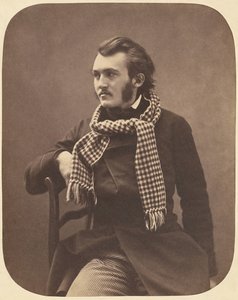
Paul Gustave Doré
1832 - 1883 , Francia
Datos clave
- Artistas Que Influyeron: ['J.J. Grandville']
- Estilo Artístico: Romanticismo
- Fecha De Muerte: 23 de enero de 1883
- Fecha De Nacimiento: 6 de enero de 1832
- Influenciado A Artistas: ['Vincent van Gogh']
- Lugar De Nacimiento: Estrasburgo, Francia
- Nacionalidad: Francés
- Nombre Completo: Paul Gustave Doré
- Obras Notables:
- Los Trabajos de Hércules
- Don Quijote (ilustraciones)
- La Divina Comedia
- El Cuervo
- Londres: Un Peregrinaje
Artículos relacionados
Los 10 Grabados Legendarios que Transformaron la Historia del Arte | ArtsDot
Descubre los 10 grabados legendarios de Dürer, Rembrandt y Goya que revolucionaron el arte. Explora la historia, técnicas y belleza atemporal de estas obras maestras. Reproducciones de alta calidad en ArtsDot.com para decorar tu hogar con arte clásico.
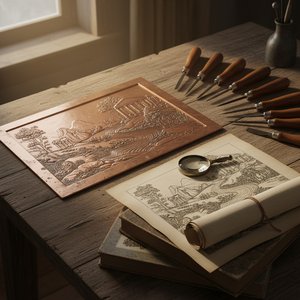
Engraving: A Historical Survey of Technique, Artistic Expression & Enduring Legacy
Explore the rich history of engraving with ArtsDot. Discover techniques, iconic artists like Dürer & Callot, collecting tips, and expert guidance for preserving your art investment. Learn about intaglio printing & more!

El Intricado Mundo del Grabado: Técnica, Expresión y Legado Histórico
Descubre la fascinante historia del grabado calcográfico: técnicas ancestrales, maestros como Goya y su impacto en el arte y la ciencia. Guía experta para coleccionistas y amantes del arte.
El Siglo XIX en el Arte: 10 Obras Maestras para Decorar con Historia y Estilo
Descubre 10 obras maestras del siglo XIX: Monet, Goya y más. Explora el impresionismo, realismo y romanticismo que definieron una época. Encuentra reproducciones de arte exclusivas para decorar tu hogar con estilo en ArtsDot.com.
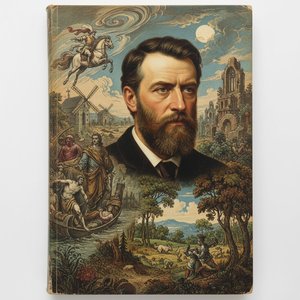
Paul Gustave Doré: A Master of Romantic Realism & the Illustrated Imagination
Explore the captivating world of Gustave Doré, master of Romantic realism & iconic illustrator. Discover his dramatic wood engravings, paintings, and sculptures – a legacy shaping art history. Learn more at ArtsDot.