

 Ver en contexto
 Enviar
 Compartir
 Detalles

 Descargar
 Similares
 Radiografía
 Presentación de diapositivas
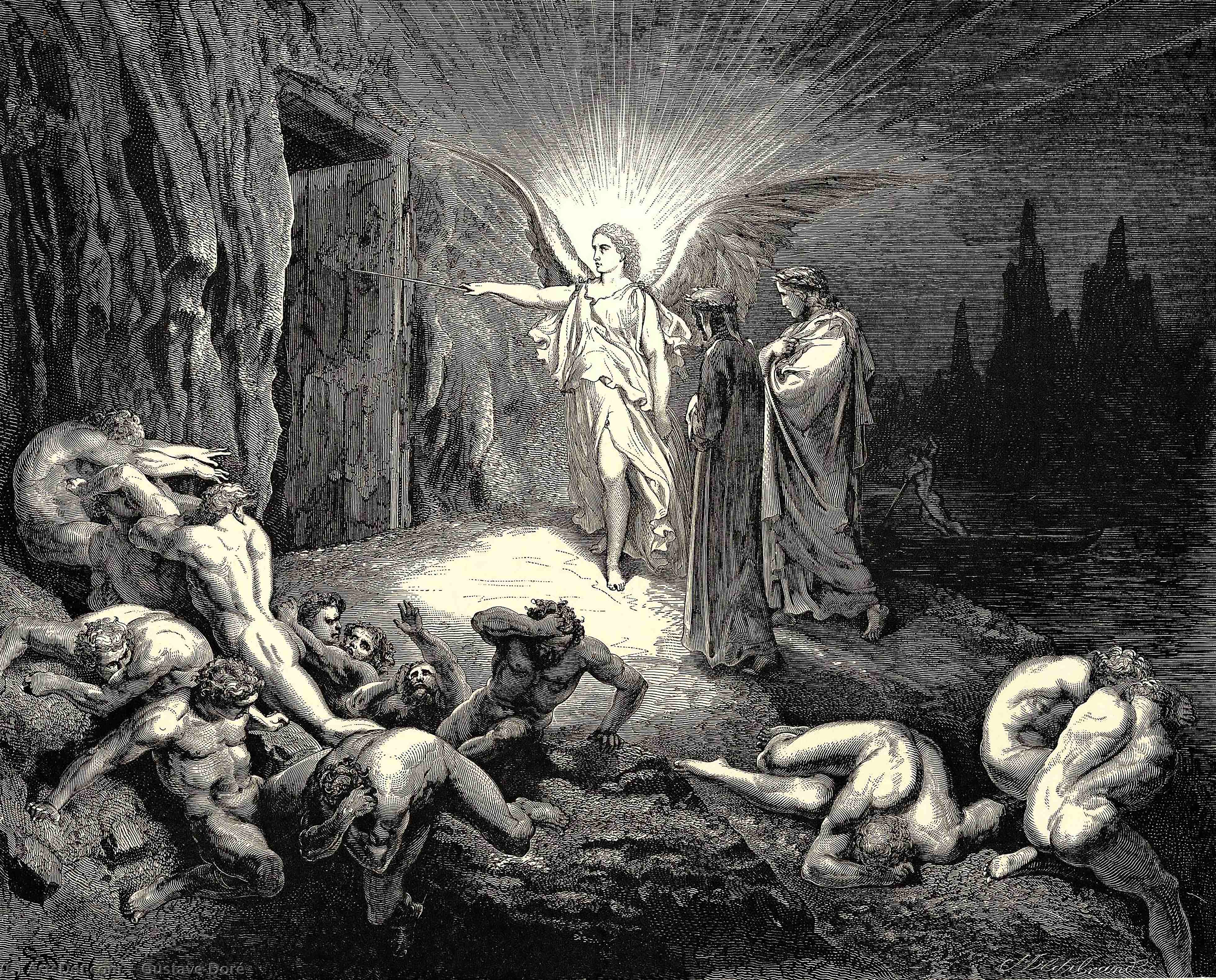
The Inferno, Canto 9, lines 87-89. To the gate He came, and with his wand touch’d it, whereat Open without impediment it flew.


 Ver más
Adquiera una imagen digital de alta resolución y optimizada, muy superior a la vista previa en línea.
Cada archivo es preparado meticulosamente por nuestros especialistas internos mediante el uso de herramientas avanzadas y un experto retoque manual. Nos aseguramos de que cada imagen posea una claridad excepcional, una precisión cromática impecable y un detalle minucioso.
El archivo final se entrega por correo electrónico en un plazo de 72 horas, optimizado para su uso inmediato en entornos profesionales, editoriales y de impresión. Esta es la misma calidad en la que confían los estudios de diseño, las editoriales y las galerías de primer nivel.
Imagen Digital
Descarga un archivo de alta resolución para exhibición personal, impresión y proyectos creativos. ( Comprar impresión Comprar pintura hecha a mano)
Incluido en cada pedido de imágenes digitales
Entrega digital experta, garantizada.
Al elegir ArtsDot.com, no solo está adquiriendo una imagen; está recibiendo una obra de arte digital mejorada profesionalmente, elaborada con precisión y respaldada por una garantía de satisfacción. Esto es todo lo que incluye su pedido, automáticamente:

Entrega rápida por email
Recibirá su archivo de imagen digital en alta resolución por correo electrónico en un plazo de 72 horas tras realizar su pedido, listo para su uso inmediato.

Archivo digital optimizado por IA
Su obra de arte se optimiza profesionalmente mediante herramientas avanzadas de IA y edición manual, garantizando el máximo detalle, claridad y precisión cromática.

Reenvío gratuito de por vida
¿Has borrado o perdido tu archivo por error? No te preocupes: te lo volveremos a enviar en cualquier momento, sin coste adicional.

Sin gastos de importación, siempre
Disfrute de su obra de arte al instante sin aduanas, aranceles ni gastos de envío; las descargas digitales siempre están libres de impuestos.

Garantía de fidelidad de color
Garantizamos que su imagen digital refleje los colores originales con la mayor fidelidad posible, mediante el uso de herramientas profesionales y gestión del color.

Garantía de satisfacción de 60 días
Si no está satisfecho con su imagen digital, la revisaremos o le reembolsaremos el 100% en un plazo de 60 días, sin preguntas.

100% Garantía de devolución de dinero
¿No está satisfecho? Obtenga un reembolso completo dentro de los 60 días posteriores a la recepción de su archivo digital, sin necesidad de explicaciones.

Descuentos por pedidos grandes
Compra 3 imágenes, ahorra 10% - Compra 5, ahorra 15% - Compra 10+, ahorra 20%. Ideal para proyectos creativos, galerías y agencias.
Descripción del coleccionable
The Inferno's Gate: A Descent into Doré’s Vision
Paul Gustave Doré’s “The Inferno, Canto 9, lines 87-89,” is more than just an illustration; it’s a visceral plunge into the heart of Dante Alighieri’s epic poem. Executed as a meticulously detailed black and white engraving, this artwork captures a pivotal moment – the arrival of an angel who opens the gate to Hell itself. Born in Strasbourg in 1832, Doré was a master of dramatic illustration, renowned for his ability to translate literary narratives into powerfully evocative images. His work, particularly within the context of illustrating Dante’s “Divine Comedy,” cemented his place as one of the most influential artists of the 19th century, and this particular engraving exemplifies his unparalleled skill in rendering both the terrifying grandeur and profound psychological depth of the text.
- Subject Matter: The scene depicts a dramatic confrontation between divine intervention and eternal torment. An angel, positioned as a beacon of hope amidst despair, uses his wand to unlock the gate leading into Hell’s depths.
- Style: Doré's style is characterized by its Romantic sensibility – an emphasis on emotion, drama, and the sublime. His work reflects the anxieties and spiritual concerns of his time, while simultaneously showcasing a remarkable technical mastery.
Technique and Craftsmanship: The Art of the Engraving
Doré’s genius lay in his command of the engraving process. He worked primarily with steel or copper plates, meticulously carving intricate lines using specialized tools. This painstaking technique resulted in an image brimming with texture and depth – a testament to Doré's dedication and precision. The resulting monochrome effect amplifies the drama, creating stark contrasts between light and shadow that heighten the sense of unease and foreboding. Note the incredibly fine, closely spaced lines used for shading; this creates subtle gradations in tone, giving the impression of voluminous fabric and a palpable sense of weight to the angel’s robes.
- Process: The engraving process involved creating a matrix (the metal plate) through careful etching. Ink was then applied evenly across the surface, and paper was pressed onto the plate under immense pressure, transferring the image with astonishing clarity.
- Line Work: Doré’s masterful use of hatching and cross-hatching creates a rich textural effect, simulating the rough surfaces of the rock formations and the tormented bodies of the damned.
Symbolism and Emotional Resonance
Beyond its technical brilliance, “The Inferno” is laden with symbolic meaning. The angel represents divine grace and the possibility of redemption, offering a fleeting moment of respite for the suffering souls below. The gate itself symbolizes the barrier between the earthly realm and the horrors of Hell, while the wand serves as a potent emblem of power and authority. The composition – the central figure of the angel contrasted against the chaotic arrangement of figures – powerfully conveys the struggle between good and evil, hope and despair. The scene evokes feelings of fear, anguish, and confinement, mirroring the emotional intensity of Dante’s original text.
Historical Context and Legacy
Doré's illustrations for “The Divine Comedy” were hugely influential, playing a significant role in popularizing Dante’s work and shaping perceptions of Hell for generations. The Museo Civico Viterbo, Italy, houses one of the many surviving examples of his engravings, ensuring that this powerful image continues to be appreciated today. This particular engraving stands as a testament to Doré's ability to capture not just the literal details of Dante’s vision, but also its profound emotional and spiritual core.
Obras relacionadas
Biografía del artista
Paul Gustave Doré: Una Vida en Ilustración
Primeros Años y Orígenes
- Nacimiento: 6 de enero de 1832, en Estrasburgo, Francia.
- Incluso siendo niño, Doré mostró un talento artístico notable y una personalidad precoz. Hay historias sobre sus bromas tempranas que demostraban una madurez inusual para su edad.
- Inclínaciones Artísticas Tempranas: Comenzó a dibujar a muy temprana edad, mostrando rápidamente una habilidad excepcional.
- A los 15 años, Doré se embarcó en su carrera profesional como caricaturista para el periódico francés Le Journal pour rire.
Desarrollo Artístico y Primeras Obras
- Primeros Encargos: Sus primeras obras incluían libros ilustrados como Los Trabajos de Hércules (1847), Tres artistas incomprendidos y descontentos (1851), y Las Desagradables Aventuras de una Aventura Agradable (1851).
- Influencias: Las ilustraciones de J.J. Grandville fueron una influencia significativa en su estilo temprano.
- Doré rápidamente ganó reconocimiento por sus composiciones dinámicas y el uso dramático de la luz y la sombra, incluso en estas primeras obras.
- Comenzó a recibir encargos para ilustrar la literatura clásica, incluyendo obras de Cervantes, Rabelais, Balzac, Milton y Dante.
Reconocimiento Internacional y Logros Importantes
- Ilustrando a Gigantes Literarios: En 1853, fue encargado de ilustrar las obras de Lord Byron, seguido por un monumental proyecto de Biblia ilustrada.
- El Gitano Errante (1856): Esta obra, aunque popular, contenía undertones antisemitas que reflejaban la época.
- Don Quijote: Sus ilustraciones de 1860 para la Divina Comedia de Cervantes influyeron profundamente en las interpretaciones posteriores de los personajes y la historia.
- El Cuervo (1883): La edición ampliada de Edgar Allan Poe’s “El Cuervo” por Doré le ganó 30,000 francos de Harper & Brothers.
- Londres: Un Peregrinaje (1872): Esta colaboración con Blanchard Jerrold retrataba las duras realidades de la sociedad victoriana y provocó controversia por su enfoque en la pobreza.
Estilo y Técnicas
- Maestría en Grabado en Madera: Doré era un maestro del grabado en madera, creando imágenes increíblemente detalladas y dramáticas.
- Composición Dramática: Su obra se caracteriza por composiciones dinámicas, fuertes contrastes entre la luz y la sombra (claroscuro) y un sentido de grandeza.
- A menudo empleaba un gran equipo de talladores para traducir sus diseños en grabados en madera, lo que permitía la producción masiva.
- Romanticismo: Su estilo está firmemente arraigado en la tradición romántica, enfatizando la emoción, la imaginación y el sublime.
Legado e Importancia Histórica
- Premios y Honores: Doré fue nombrado Chevalier de la Légion d'honneur por el gobierno francés en 1861.
- Sus ilustraciones tuvieron un impacto generalizado en la cultura visual, influyendo a artistas y lectores durante generaciones.
- Influencia en Artistas Posteriores: Inspiró a artistas como Vincent van Gogh, quien admiraba sus representaciones del sufrimiento y la adversidad.
- A pesar de algunas críticas contemporáneas, la obra de Doré es ahora celebrada por su mérito artístico e importancia histórica. Sus ilustraciones siguen dando forma a nuestra comprensión de la literatura clásica y la sociedad victoriana.
- Fallecimiento: Paul Gustave Doré murió el 23 de enero de 1883, dejando atrás un vasto y perdurable legado.
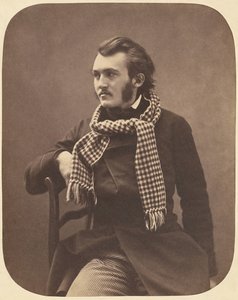
Paul Gustave Doré
1832 - 1883 , Francia
Breves datos
- Artistas Que Influyeron: ['J.J. Grandville']
- Estilo Artístico: Romanticismo
- Fecha De Muerte: 23 de enero de 1883
- Fecha De Nacimiento: 6 de enero de 1832
- Influenciado A Artistas: ['Vincent van Gogh']
- Lugar De Nacimiento: Estrasburgo, Francia
- Nacionalidad: Francés
- Nombre Completo: Paul Gustave Doré
- Obras Notables:
- Los Trabajos de Hércules
- Don Quijote (ilustraciones)
- La Divina Comedia
- El Cuervo
- Londres: Un Peregrinaje

