 Ver en contexto
 Enviar
 Compartir
 Detalles

 Descargar
 Similares
 Radiografía
 Presentación de diapositivas
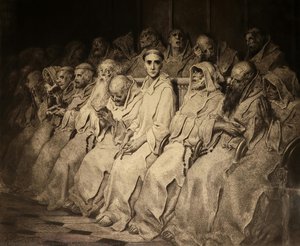
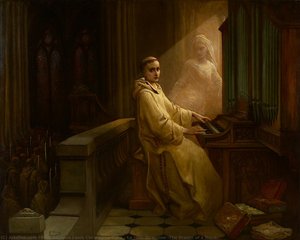
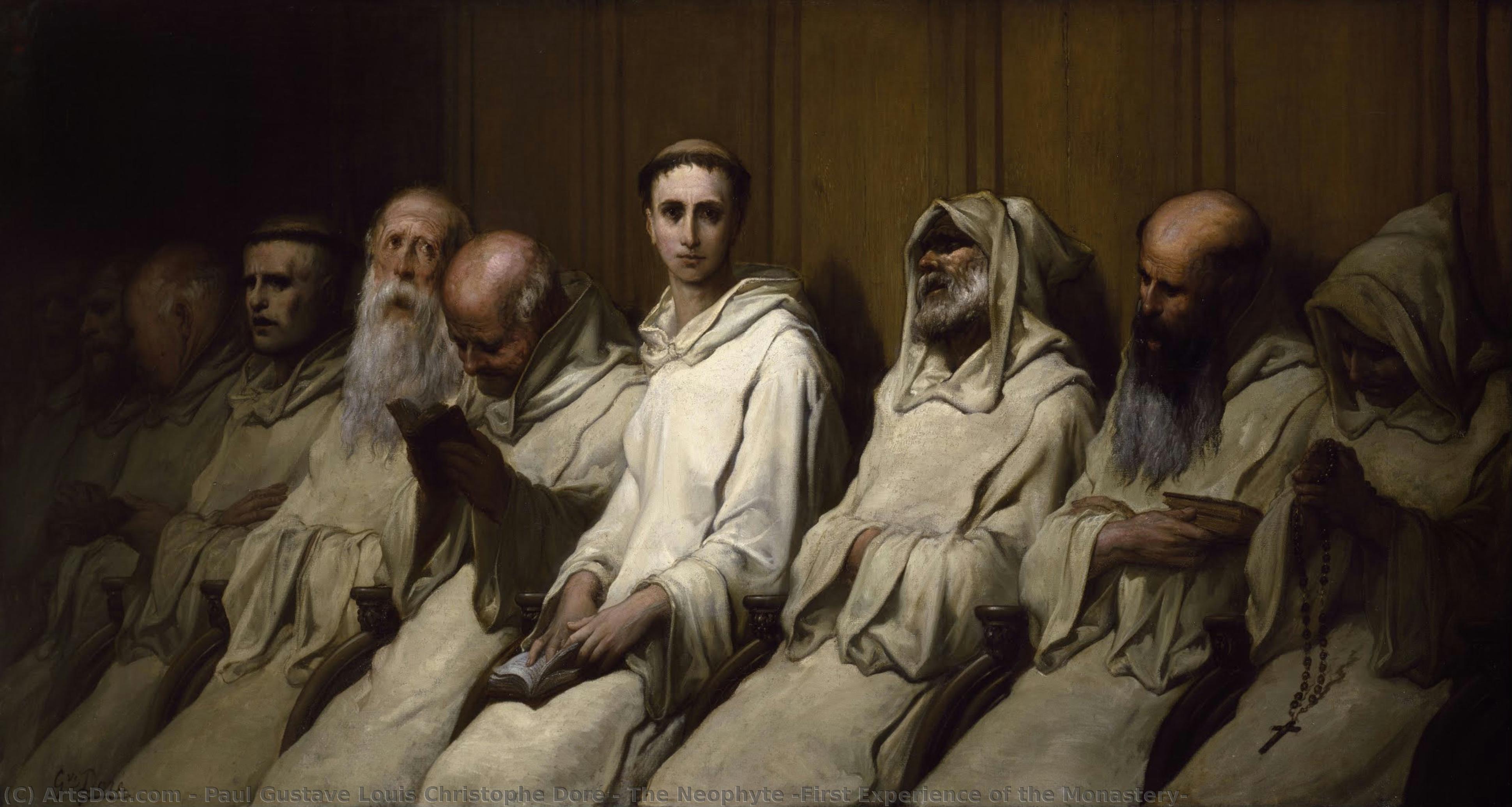
The Neophyte (First Experience of the Monastery)
 Acrylic On Canvas
- WallArt
- Romantic Realism
 145.0 x 273.0 cm
 Museo de Arte Chrysler
 Ver más
Giclée / Impresión de arte
Impresiones giclée o en lienzo de calidad de museo con producción rápida y opciones de acabado flexibles. ( Comprar pintura hecha a mano Comprar imagen)




P118B $10

P118H $10

P118W $10

P438Z $10

P508JH $12

P508YH $12

P805H $10

P805Z $10

P919BZ $10

P919G $10

P919XJ $10

P959ZH $10

P968JZ $12

W106C $8

W218G $10

W218JH $8

W218Y $10

W307PJ $10

W316G $10

W316PJ $8

W316Y $10

W398PJ $8

W4111J $10

W500HY $15

W500JH $15

W692G $12

W849H $8

W940BG $15

W953PJ $8




Elija entre nuestros tamaños predefinidos que respetan las proporciones originales de la obra.

Puede introducir sus propias dimensiones para adaptarse a un marco o espacio específico. Si el tamaño seleccionado no coincide con las proporciones de la imagen original, recortaremos la obra de arte o extenderemos la imagen con un borde con efecto espejo o de color sólido. Se enviará una maqueta digital para su aprobación antes de que comience la producción.
Tenga en cuenta que la vista previa en pantalla no refleja el recorte o la extensión real. Solo la maqueta mostrará con precisión la composición final.
Aunque existen tamaños personalizados, recomendamos seleccionar una dimensión de la lista predefinida para preservar las proporciones originales.
Envío a todo el mundo () en 2 semanas en lugar de las 4/5 semanas estándar. (23 agosto)

Envío exprés gratuito a todo el mundo

Lienzo de lino de alta calidad

Seguro de envío total

Garantía de reembolso de impuestos aduaneros

Garantía de fidelidad cromática exacta

Política de devolución de 60 días (solo por defectos)

Garantía de devolución del 100% del dinero

Descuento por cantidad
 La opción de vidrio solo está disponible en tamaños inferiores a 110 cm.

The Neophyte (First Experience of the Monastery)
Giclée / Impresión de arte
Dimensiones de la reproducción
-


Precio total final
$ 62
Descripción de la pieza
A Window Into Despair: Paul Gustave Doré’s “The Neophyte”
Paul Gustave Doré's "The Neophyte (First Experience of the Monastery)" isn't merely a painting; it’s a visceral plunge into the heart of existential longing. Completed around 1866-68, this arresting monochrome wood engraving captures a pivotal moment of profound disillusionment within the cloistered walls of a medieval monastery. More than just a depiction of monks, it’s a haunting meditation on isolation, regret, and the crushing weight of vows – a subject that continues to resonate powerfully with viewers today.
The scene unfolds within a dimly lit corridor, dominated by a towering row of elderly monks whose bowed postures and weathered faces speak volumes about years spent in silent contemplation. These aren’t figures of serene piety; they are embodiments of weariness, their bodies bent almost double as if burdened by the accumulated weight of their commitments. At the center of this somber tableau stands a young novice, his youthful features starkly contrasted against the aged men surrounding him. His posture is tense, his gaze fixed with an expression of profound sorrow and what appears to be desperate regret – a clear indication that he’s wrestling with the very real possibility that his chosen path isn't for him.
Romanticism’s Shadow: Context and Inspiration
Doré was a titan of 19th-century illustration, deeply rooted in the Romantic movement. This era prized emotion, individualism, and the sublime—the awe-inspiring power of nature and the human spirit. “The Neophyte” perfectly embodies these tenets. It draws heavily from George Sand’s contemporary novel *Sipiridion*, which tells the story of Brother Angel, a young novice grappling with his decision to enter the monastery. Doré masterfully translates this emotional core into a visual language that transcends mere narrative; he captures the very essence of spiritual crisis.
The work’s stark monochrome palette—a deliberate choice by Doré—amplifies the sense of melancholy and isolation. The absence of color forces the viewer to focus entirely on the figures and their expressions, intensifying the emotional impact. Furthermore, the composition itself is meticulously crafted to heighten this effect: the converging lines of the corridor draw the eye towards the young novice, while the aged monks create a claustrophobic backdrop that underscores his predicament.
Symbolism and the Weight of Vows
Beyond its immediate narrative, “The Neophyte” is rich in symbolic meaning. The elderly monks represent the established order, the traditions and expectations that have shaped the young novice’s life. Their bowed heads and weary expressions suggest a sense of resignation—a recognition that their vows are not easily broken, nor easily forgotten. The young novice's anguish isn't simply about personal dissatisfaction; it speaks to the broader struggle between individual desire and societal obligation.
Doré’s subtle inclusion of details further enriches the symbolism. The light filtering through the corridor is minimal, casting long shadows that emphasize the figures’ isolation. The young novice’s tense posture—his clenched fists and furrowed brow—communicate a sense of inner turmoil. Even the very act of gazing directly at the viewer creates an unsettling intimacy, drawing us into his private struggle.
A Timeless Portrait of Longing
"The Neophyte" remains a profoundly moving work of art because it taps into universal themes of doubt, regret, and the search for meaning. It’s not a comfortable image; it confronts us with the possibility that our choices may lead us down paths we never anticipated. Doré's masterful use of composition, symbolism, and monochrome creates an enduring portrait of human longing—a testament to the power of art to capture the complexities of the human experience.
Obras relacionadas
Biografía del artista
Paul Gustave Doré: Una Vida en Ilustración
Primeros Años y Orígenes
- Nacimiento: 6 de enero de 1832, en Estrasburgo, Francia.
- Incluso siendo niño, Doré mostró un talento artístico notable y una personalidad precoz. Hay historias sobre sus bromas tempranas que demostraban una madurez inusual para su edad.
- Inclínaciones Artísticas Tempranas: Comenzó a dibujar a muy temprana edad, mostrando rápidamente una habilidad excepcional.
- A los 15 años, Doré se embarcó en su carrera profesional como caricaturista para el periódico francés Le Journal pour rire.
Desarrollo Artístico y Primeras Obras
- Primeros Encargos: Sus primeras obras incluían libros ilustrados como Los Trabajos de Hércules (1847), Tres artistas incomprendidos y descontentos (1851), y Las Desagradables Aventuras de una Aventura Agradable (1851).
- Influencias: Las ilustraciones de J.J. Grandville fueron una influencia significativa en su estilo temprano.
- Doré rápidamente ganó reconocimiento por sus composiciones dinámicas y el uso dramático de la luz y la sombra, incluso en estas primeras obras.
- Comenzó a recibir encargos para ilustrar la literatura clásica, incluyendo obras de Cervantes, Rabelais, Balzac, Milton y Dante.
Reconocimiento Internacional y Logros Importantes
- Ilustrando a Gigantes Literarios: En 1853, fue encargado de ilustrar las obras de Lord Byron, seguido por un monumental proyecto de Biblia ilustrada.
- El Gitano Errante (1856): Esta obra, aunque popular, contenía undertones antisemitas que reflejaban la época.
- Don Quijote: Sus ilustraciones de 1860 para la Divina Comedia de Cervantes influyeron profundamente en las interpretaciones posteriores de los personajes y la historia.
- El Cuervo (1883): La edición ampliada de Edgar Allan Poe’s “El Cuervo” por Doré le ganó 30,000 francos de Harper & Brothers.
- Londres: Un Peregrinaje (1872): Esta colaboración con Blanchard Jerrold retrataba las duras realidades de la sociedad victoriana y provocó controversia por su enfoque en la pobreza.
Estilo y Técnicas
- Maestría en Grabado en Madera: Doré era un maestro del grabado en madera, creando imágenes increíblemente detalladas y dramáticas.
- Composición Dramática: Su obra se caracteriza por composiciones dinámicas, fuertes contrastes entre la luz y la sombra (claroscuro) y un sentido de grandeza.
- A menudo empleaba un gran equipo de talladores para traducir sus diseños en grabados en madera, lo que permitía la producción masiva.
- Romanticismo: Su estilo está firmemente arraigado en la tradición romántica, enfatizando la emoción, la imaginación y el sublime.
Legado e Importancia Histórica
- Premios y Honores: Doré fue nombrado Chevalier de la Légion d'honneur por el gobierno francés en 1861.
- Sus ilustraciones tuvieron un impacto generalizado en la cultura visual, influyendo a artistas y lectores durante generaciones.
- Influencia en Artistas Posteriores: Inspiró a artistas como Vincent van Gogh, quien admiraba sus representaciones del sufrimiento y la adversidad.
- A pesar de algunas críticas contemporáneas, la obra de Doré es ahora celebrada por su mérito artístico e importancia histórica. Sus ilustraciones siguen dando forma a nuestra comprensión de la literatura clásica y la sociedad victoriana.
- Fallecimiento: Paul Gustave Doré murió el 23 de enero de 1883, dejando atrás un vasto y perdurable legado.
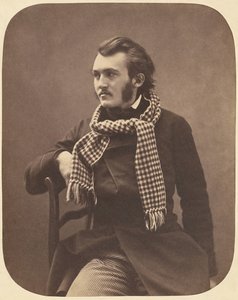
Paul Gustave Doré
1832 - 1883 , Francia
Datos clave
- Artistas Que Influyeron: ['J.J. Grandville']
- Estilo Artístico: Romanticismo
- Fecha De Muerte: 23 de enero de 1883
- Fecha De Nacimiento: 6 de enero de 1832
- Influenciado A Artistas: ['Vincent van Gogh']
- Lugar De Nacimiento: Estrasburgo, Francia
- Nacionalidad: Francés
- Nombre Completo: Paul Gustave Doré
- Obras Notables:
- Los Trabajos de Hércules
- Don Quijote (ilustraciones)
- La Divina Comedia
- El Cuervo
- Londres: Un Peregrinaje
Artículos relacionados
Paul Gustave Doré: A Master of Romantic Realism & the Illustrated Imagination
Explore the captivating world of Gustave Doré, master of Romantic realism & iconic illustrator. Discover his dramatic wood engravings, paintings, and sculptures – a legacy shaping art history. Learn more at ArtsDot.
The Evocative Brushstroke: Exploring Emotion, Individuality & the Sublime in Romanticism's Artistic Landscape
Explore the passionate world of Romanticism! Discover masterpieces by Friedrich & Goya, delve into the sublime, and understand the movement's lasting impact on art history. Expert analysis & insights at ArtsDot.
Romanticismo: 10 Obras Maestras que Definieron una Era |
Descubre las 10 obras maestras del Romanticismo que marcaron una época. Explora la historia de Delacroix, Goya y más. Reproducciones de arte en para decorar tu hogar con belleza y emoción. ¡Explora la colección online!
Lo Sublime y lo Sensual: Explorando la Emoción e Individualidad en el Romanticismo Artístico
Descubre el Romanticismo artístico en profundidad. Exploramos la emoción, lo sublime y la sensualidad a través de obras maestras de Friedrich, Delacroix, Goya y Domšaitis. Análisis experto e historia del arte.
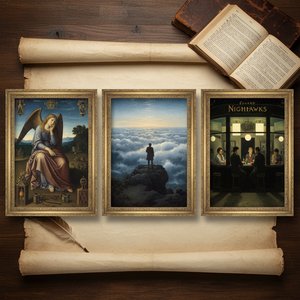
Echoes of Isolation: Solitude in Western Art from Renaissance to Modernism
Explore the profound representation of solitude in Western art from the Renaissance to Modernism. Discover iconic paintings & artists like Goya, Friedrich, and Rossetti. Handmade oil reproductions available at ArtsDot.