

 Ver en contexto
 Enviar
 Compartir
 Detalles

 Descargar
 Similares
 Radiografía
 Presentación de diapositivas
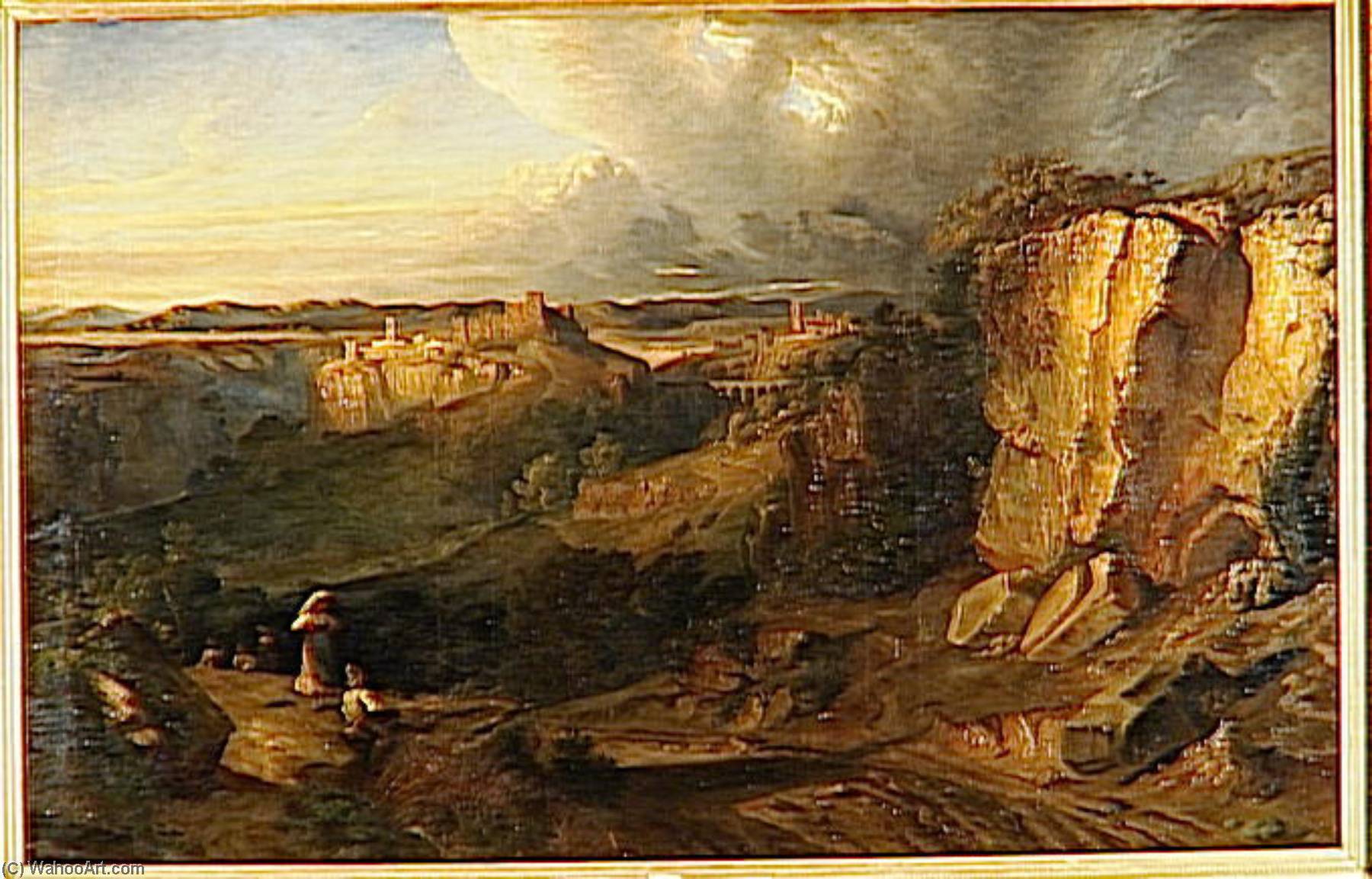
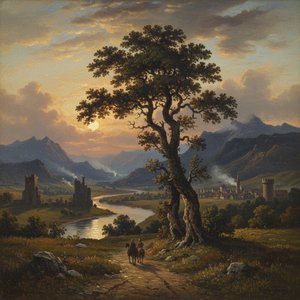
SPOLETE dit à tort VUE DE LA CAMPAGNE DE NAPLES


 Ver más
Reproducción al óleo hecha a mano
Óleo sobre lienzo pintado a mano en el tamaño y marco de su elección, realizado por encargo por nuestros artistas. ( Comprar impresión Comprar imagen)




P118B $10

P118H $10

P118W $10

P438Z $10

P508JH $12

P508YH $12

P805H $10

P805Z $10

P919BZ $10

P919G $10

P919XJ $10

P959ZH $10

P968JZ $12

W106C $8

W218G $10

W218JH $8

W218Y $10

W307PJ $10

W316G $10

W316PJ $8

W316Y $10

W398PJ $8

W4111J $10

W500HY $15

W500JH $15

W692G $12

W849H $8

W940BG $15

W953PJ $8




Elija entre nuestros tamaños predefinidos que respetan las proporciones originales de la obra.

Puede ingresar sus propias dimensiones para adaptarse a un marco o espacio específico. Si el tamaño seleccionado no coincide con las proporciones de la imagen original, recortaremos la obra o extenderemos la pintura con elementos adicionales pintados a mano. Se le enviará una maqueta digital para su aprobación antes de comenzar la producción.
Tenga en cuenta que la vista previa en pantalla no refleja el recorte o la extensión reales. Solo la maqueta mostrará con precisión la composición final.
Si bien existen tamaños personalizados, recomendamos seleccionar una dimensión de la lista predefinida para preservar las proporciones originales.
Tras realizar el pedido, el equipo de ArtsDot.com enviará un correo electrónico al cliente para solicitar instrucciones y proporcionarle una vista previa del boceto.
Envío a todo el mundo () en 3-4 semanas en lugar de las 5 semanas estándar. (26 agosto). Sin comprometer la calidad.

Envío exprés gratuito a todo el mundo

Lienzo de lino de alta calidad

Seguro de envío total

Garantía de reembolso de impuestos aduaneros

Garantía de fidelidad cromática exacta

Política de devolución de 60 días (solo por defectos)

Garantía de devolución del 100% del dinero

Descuento por cantidad
 La opción de vidrio solo está disponible en tamaños inferiores a 110 cm.

SPOLETE dit à tort VUE DE LA CAMPAGNE DE NAPLES
Técnica de reproducción
Dimensiones de la reproducción
-


Precio total final
$ 263
Descripción de la obra
A Dramatic Vista of Naples: Paul Huet’s “SPOLETE dit à tort”
Paul Huet's "SPOLETE dit à tort VUE DE LA CAMPAGNE DE NAPLES," often referred to as “The View of the Campagne of Naples,” is more than just a landscape painting; it’s a meticulously crafted distillation of Romanticism, imbued with a palpable sense of drama and atmospheric depth. Painted in 1825-1850 during the early part of the 19th century, this oil on canvas work transports the viewer to the rugged, mountainous region surrounding Naples – a place steeped in history and legend. Huet, a pivotal figure bridging the Barbizon School and the nascent Impressionists, sought not merely to depict scenery but to capture its very essence: the interplay of light, shadow, and the overwhelming scale of nature. The painting’s power lies in its ability to evoke both awe and a subtle melancholy, reflecting on humanity's place within this grand, timeless landscape.Baroque Drama and the Influence of the Old Masters
Huet’s style is firmly rooted in the Baroque tradition, yet he transcends simple imitation. He masterfully employs *chiaroscuro*, utilizing stark contrasts between light and shadow to sculpt the forms of the cliffs, hills, and distant city. This technique isn't merely decorative; it serves to heighten the drama and create a sense of three-dimensionality that pulls the viewer into the scene. The composition itself is pyramidal, drawing the eye upwards from the solitary figure at the base – a deliberate choice that emphasizes the vastness of the landscape above. Huet’s debt to the Old Masters is evident in his careful attention to detail and his use of linear perspective, reminiscent of artists like Jacob van Ruisdael and even subtly echoing the grandeur of Rubens. He wasn't simply copying nature; he was studying it with a painterly eye, translating its complexities onto canvas with a profound understanding of light and form.A Symbol of Humanity’s Smallness
The painting is rich in symbolic elements that invite interpretation. The solitary figure standing on the rocky outcrop isn’t merely a compositional device; it represents humanity's diminutive scale when confronted with the immensity of nature. The distant city, nestled within the valley, symbolizes civilization and perhaps even human ambition – a fragile outpost against the overwhelming power of the natural world. The choice to depict this specific region of Naples—a site of ancient ruins and historical significance—adds another layer of meaning. The title itself, “SPOLETE dit à tort,” which translates roughly as "Spoliated wrongly," hints at the disruption of the landscape by human activity, further emphasizing the tension between civilization and wilderness. The painting subtly questions our relationship with nature, prompting reflection on our place within its grand design.Technique and Materials: A Painter’s Intimate Dialogue
Huet's technique is characterized by loose, expressive brushstrokes—a hallmark of his approach that moved him closer to the Impressionists than many realize. These visible marks aren’t haphazard; they contribute significantly to the painting’s texture and sense of immediacy. The pigments are applied with a deliberate layering effect, building up depth and richness in the colors. The use of watercolor for sketching, combined with oil paints for the final work, allowed Huet to capture the fleeting qualities of light and atmosphere with remarkable precision. He wasn't interested in creating a photographic representation; instead, he sought to convey the *feeling* of being present within this landscape—a testament to his painterly skill and deep connection to nature. The rough texture of the rocks and foliage speaks volumes about Huet’s dedication to capturing the authentic feel of the scene.Collecting a Legacy: Reproductions and Beyond
Today, “SPOLETE dit à tort VUE DE LA CAMPAGNE DE NAPLES” stands as a powerful example of Romantic landscape painting. High-quality reproductions offer an accessible way to experience its beauty and contemplate its profound themes. Consider commissioning a hand-painted reproduction from ArtsDot.com – a faithful recreation that captures the spirit and artistry of this iconic work. This piece is not just a decoration; it’s an investment in a legacy of artistic innovation, a window into a bygone era, and a reminder of the enduring power of nature to inspire awe and contemplation.Obras relacionadas

Biografía del artista
Paul Huet: Un Pionero del Paisaje Romántico
Paul Huet (1803-1869) se erige como una figura clave, aunque a menudo subestimada, en el arte francés del siglo XIX – un pintor de paisajes que influyó profundamente tanto en la Escuela de Barbizon como en los primeros impresionistas. Nacido en París, en medio de un clima artístico floreciente, el viaje de Huet fue uno de observación incesante, una profunda conexión con la naturaleza y una deliberada ruptura con las tendencias neoclásicas predominantes. Su obra no era simplemente una representación del paisaje; era un intento de capturar la esencia misma de la luz, la atmósfera y la belleza efímera del mundo natural, una búsqueda que consolidó su lugar como un innovador fundamental en la pintura francesa.Influencias Tempranas y Formación Artística
El desarrollo artístico de Huet comenzó con una base sólida en técnicas tradicionales. Recibió instrucción temprana de Jean-Julien Deltil, antiguo alumno de Jacques-Louis David, seguido de estudios en la École des Beaux-Arts bajo Pierre Guérin y Antoine-Jean Gros. Crucialmente, su camino se cruzó con el de Richard Parkes Bonington, un estudiante compañero de Gros. Este encuentro resultó transformador. El enfoque de Bonington en la pintura al aire libre – trabajando directamente desde la naturaleza – cautivó a Huet, llevándolo a abandonar la rigidez formal del Neoclasicismo y abrazar un estilo más espontáneo y observacional. Las pinturas de paisajes británicas exhibidas en el Salón de 1824 sirvieron como una revelación; la capacidad de John Constable para representar la frescura y la belleza exuberante sin recurrir a sombras oscuras o artificialidad resonó profundamente con Huet, dando forma a su propia filosofía artística. Él describió las obras de Constable como “quizás por primera vez que uno sintió la frescura, que vio una naturaleza verde y luxuriante, sin oscuridad, cruditud o manierismo”.La Escuela de Barbizon y los Maestros Holandeses
El estilo de Huet evolucionó a través de una fascinante síntesis de influencias. Inicialmente, imitió la técnica del aguafuerte de Bonington, pero sus sensibilidades artísticas se extendieron mucho más allá de mera imitación. Sin embargo, su interés se dirigió hacia los maestros holandeses como Jacob van Ruysdael y Meindert Hobbema, particularmente por su maestría en el uso de la luz y el color para transmitir ambiente y emoción. Esta admiración por los maestros antiguos influyó en su propio enfoque, dando lugar a obras que poseían una dignidad tranquila y un notable realismo – no fotográfico, sino profundamente sentido. Durante este período, su obra se caracterizó por una ruptura deliberada con las convenciones académicas, favoreciendo pinceladas sueltas, colores vibrantes y un énfasis en capturar la impresión inmediata de la naturaleza.Debut en el Salón e Involucramiento Político
La carrera artística de Huet ganó impulso con su debut en el Salón de 1827, donde una de sus ocho pinturas presentadas fue aceptada. Continuó exhibiendo regularmente en el Salón a lo largo de la década de 1830 y 40, construyendo gradualmente una reputación entre críticos y coleccionistas. Eugène Delacroix, otro artista y amigo cercano, defendió su obra, reconociendo sus cualidades únicas. Étienne-Jean Delécluze ofreció una perspectiva más crítica, considerándolo demasiado devoto de Constable y Turner, a veces descuidando los principios fundamentales del diseño. Más allá de sus esfuerzos artísticos, Huet fue un participante activo en la Revolución de Julio de 1830 y posteriormente involucrado en la política republicana, reflejando el clima social y político turbulento de Francia en ese momento. Su compromiso con estas ideales le valió reconocimiento del Rey Luis Felipe, quien le otorgó un par de vajillas de Sèvres en 1844, y una medalla de oro en el Salón de 1848.Legado e Importancia Artística
El impacto de Paul Huet en la pintura de paisajes francesa es considerable. Su innovador uso del aguafuerte – no solo para bocetos sino como medio principal para obras terminadas – demostró su potencial para lograr una profundidad y riqueza notables, a menudo similares a las de las pinturas al óleo. Fue un pionero en la pintura al aire libre, priorizando la observación directa de la naturaleza sobre el trabajo en estudio. Más importante aún, la insistencia de Huet en capturar los efectos fugaces de la luz y la atmósfera influyó profundamente en la Escuela de Barbizon y más tarde en los impresionistas. Artistas como Théodore Rousseau y Jean-François Millet, que buscaban pintar directamente desde la naturaleza con un enfoque en la vida rural y los paisajes, deben una deuda a su enfoque pionero. Su obra es un testimonio del poder de la observación, la belleza de la simplicidad y el atractivo perdurable de capturar la esencia del mundo natural. Murió en París en 1869, dejando atrás un cuerpo sustancial de obras que siguen cautivando a los espectadores con su atmósfera evocadora y su profunda conexión con la naturaleza.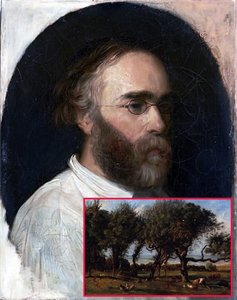
Paul Huet
1803 - 1869 , Francia
Datos clave
- Artistic Movement Or Style: Paisaje Romántico
- Artists Or Movements Influenced By This Artist:
- Barbizon
- Impresionismo
- Artists Who Influenced This Artist:
- Bonington
- Constable
- Date Of Birth: 1803-10-03
- Date Of Death: 1869-01-08
- Full Name: Paul Huet
- Nationality: Francés
- Notable Artworks:
- Villa Roma
- Efecto de la tarde
- Place Of Birth: París, Francia
Artículos relacionados

Paul Cézanne: Las 25 Obras Maestras que Definieron el Arte Moderno | ArtsDot
Descubre las 25 obras maestras de Paul Cézanne que revolucionaron el arte moderno. Explora su técnica, inspiración y significado en paisajes, bodegones y retratos. Reproducciones de alta calidad para decorar tu hogar con arte inolvidable. ¡Explora la colección completa en ArtsDot.com!
Paul Klee: Las 25 Obras Maestras que Definen un Genio del Arte Moderno | ArtsDot
Descubre las 25 obras maestras de Paul Klee, el genio del arte moderno. Explora su expresionismo único, composiciones abstractas y vibrantes paletas de colores. Reproducciones de alta calidad y decoración con arte en ArtsDot.com.
Paul Huet: Capturing the Essence of French Romanticism Through Light and Landscape
Explore the captivating world of Paul Huet (1803-1869), a master of French Romantic landscape painting. Discover his influence on Barbizon & Impressionism, and browse high-quality reproductions at ArtsDot.

Evocations of Place: A Historical Journey Through Landscape Art
Explore the rich history of landscape art with ArtsDot. Discover renowned artists, movements like Impressionism & Romanticism, and expert guidance for collecting timeless pieces. Find your perfect serene escape today!

Paisajes Románticos: 10 Obras Maestras que Definieron un Movimiento Artístico
Descubre los 10 paisajes románticos más influyentes de artistas como Caspar David Friedrich y Turner. Explora la belleza, el simbolismo y las técnicas del movimiento romántico. Reproducciones de arte exclusivas en ArtsDot.com.

