 Ver en contexto
 Enviar
 Compartir
 Detalles

 Descargar
 Similares
 Radiografía
 Presentación de diapositivas
 Estadísticas
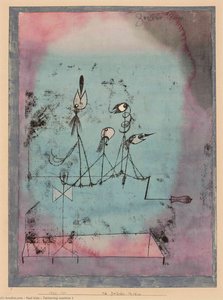
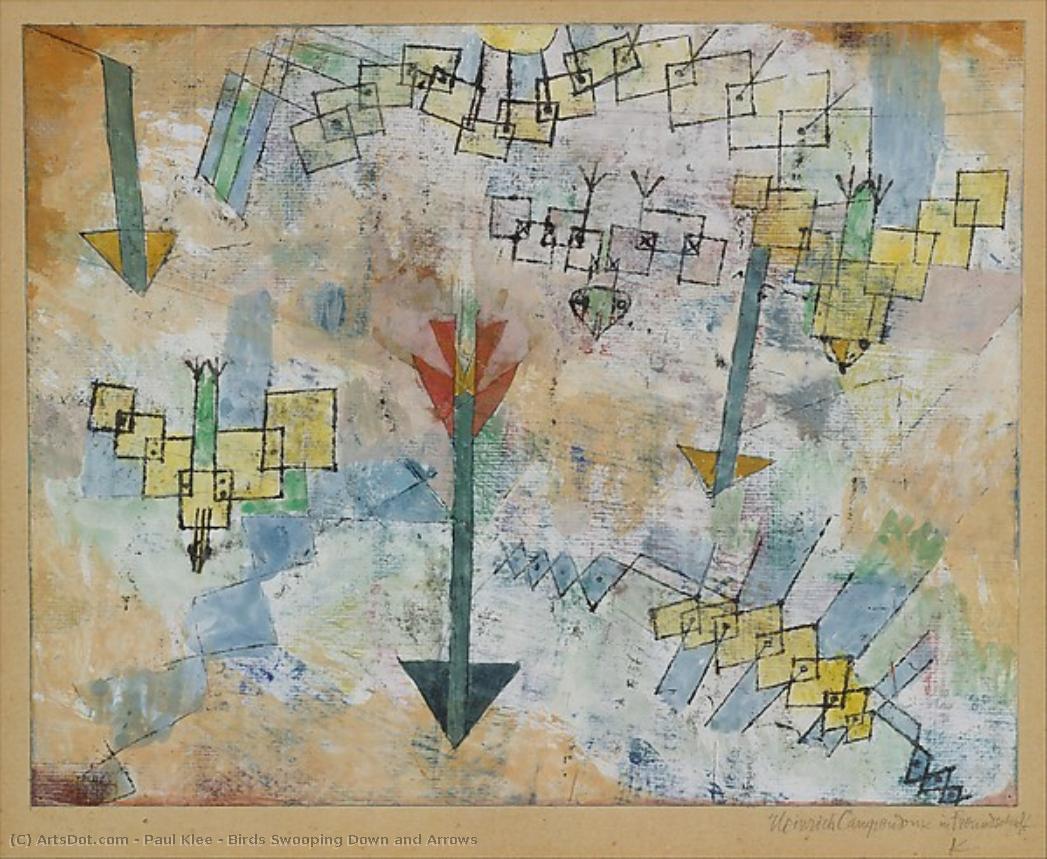
Birds Swooping Down and Arrows
 Acrylic On Canvas
- WallArt
- Cubism
 1919
1919 24.0 x 32.0 cm
 Ver más
Reproducción al óleo hecha a mano
Óleo sobre lienzo pintado a mano en el tamaño y marco de su elección, realizado por encargo por nuestros artistas. ( Cambiar a Impresión Cambiar a imagen digital)




P118B $10

P118H $10

P118W $10

P438Z $10

P508JH $12

P508YH $12

P805H $10

P805Z $10

P919BZ $10

P919G $10

P919XJ $10

P959ZH $10

P968JZ $12

W106C $8

W218G $10

W218JH $8

W218Y $10

W307PJ $10

W316G $10

W316PJ $8

W316Y $10

W398PJ $8

W4111J $10

W500HY $15

W500JH $15

W692G $12

W849H $8

W940BG $15

W953PJ $8




Elija entre nuestros tamaños predefinidos que respetan las proporciones originales de la obra.

Puede ingresar sus propias dimensiones para adaptarse a un marco o espacio específico. Si el tamaño seleccionado no coincide con las proporciones de la imagen original, recortaremos la obra o extenderemos la pintura con elementos adicionales pintados a mano. Se le enviará una maqueta digital para su aprobación antes de comenzar la producción.
Tenga en cuenta que la vista previa en pantalla no refleja el recorte o la extensión reales. Solo la maqueta mostrará con precisión la composición final.
Si bien existen tamaños personalizados, recomendamos seleccionar una dimensión de la lista predefinida para preservar las proporciones originales.
Tras realizar el pedido, el equipo de ArtsDot.com enviará un correo electrónico al cliente para solicitar instrucciones y proporcionarle una vista previa del boceto.
Envío a todo el mundo () en 3-4 semanas en lugar de las 5 semanas estándar. (10 septiembre). Sin comprometer la calidad.

Envío exprés gratuito a todo el mundo

Lienzo de lino de alta calidad

Seguro de envío total

Garantía de reembolso de impuestos aduaneros

Garantía de fidelidad cromática exacta

Política de devolución de 100 días (solo por defectos)

Garantía de devolución del 100% del dinero

Descuento por cantidad
 La opción de vidrio solo está disponible en tamaños inferiores a 110 cm.

Birds Swooping Down and Arrows
Técnica de reproducción
Dimensiones de la reproducción
-


Precio total final
$ 263
Birds Swooping Down and Arrows (1919): A Symphony of Line and Color
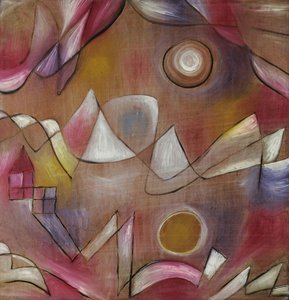
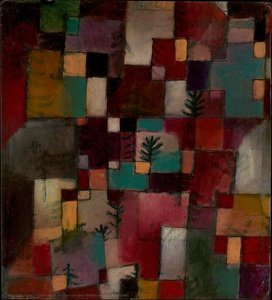
Paul Klee’s “Birds Swooping Down and Arrows” isn't merely a painting; it’s an embodiment of the artist’s profound engagement with musical principles translated into visual form. Created in 1919 during his formative years at the Bauhaus school alongside Wassily Kandinsky, this watercolor captures a dynamic interplay between movement and stillness—a core concept central to Kandinsky's exploration of abstract art as music. The canvas explodes with a vibrant palette dominated by yellows, reds, and blues, meticulously blended using Klee’s signature technique of layering washes of color onto wet paper. This method allows for subtle gradations and tonal variations that imbue the artwork with an ethereal quality, mirroring the harmonic progressions found in orchestral compositions.- Composition: The painting's structure resembles a musical stave, punctuated by bold arrows—visual representations of rhythm and direction. These arrows aren’t simply decorative; they actively guide the viewer’s eye across the canvas, creating a sense of visual movement that complements the implied musical flow.
- Style: Klee’s style is unmistakably Expressionist, prioritizing emotional resonance over literal depiction. The abstracted forms of birds—simplified yet imbued with expressive contours—communicate feelings of urgency and vulnerability without resorting to representational imagery.
Symbolism and Musical Influence
The choice of birds as subjects speaks volumes about Klee’s artistic philosophy. Birds symbolize freedom, aspiration, and the cyclical nature of life – concepts deeply intertwined with musical ideas of repetition and transformation. The arrows themselves serve as potent symbols of impetus and trajectory, mirroring the forceful beats of percussion instruments in music. Furthermore, Klee's meticulous attention to detail—particularly in rendering the feathers and contours of the birds—reflects a fascination with precision and craftsmanship akin to the meticulous construction of musical instruments. He famously stated that he wanted to “make music visible,” demonstrating his conviction that visual art could achieve similar expressive power as auditory experience.Historical Context: Bauhaus and Artistic Avant-Garde
“Birds Swooping Down and Arrows” emerged from the crucible of the Bauhaus movement, a revolutionary school founded in Weimar, Germany, dedicated to uniting art, craft, and technology. Klee’s involvement at Bauhaus solidified his commitment to exploring radical artistic concepts—particularly abstraction—as a response to the prevailing stylistic conventions of the time. The painting exemplifies the Bauhaus ethos by prioritizing experimentation and innovation while simultaneously grounding its aesthetic principles in fundamental visual elements like line and color. It stands as a testament to the transformative potential of collaborative artistic endeavors during a period marked by intellectual ferment and social upheaval.Emotional Impact: A Reflection of Inner Turmoil
Despite its vibrant colors, “Birds Swooping Down and Arrows” possesses an underlying sense of melancholy—a characteristic often attributed to Klee’s personal struggles during World War I. The fragmented forms of the birds convey a feeling of disorientation and uncertainty, mirroring the anxieties experienced by artists grappling with existential questions amidst turbulent times. However, the painting's enduring appeal lies in its ability to evoke contemplation and wonder—inspiring viewers to consider the profound connections between visual art and musical expression. It remains a captivating masterpiece that continues to resonate with audiences today as a symbol of artistic courage and imaginative vision.Obras relacionadas

Biografía del artista
Paul Klee: Una Vida en Color y Forma
Primeros Años y Educación
- Paul Klee nació el 18 de diciembre de 1879, en Münchenbuchsee, Suiza.
- Su padre era profesor de música alemán y su madre una cantante suiza, fomentando una temprana apreciación por las artes.
- Inicialmente, Klee se dedicó al dibujo pero finalmente abandonó la representación realista en favor de formas más expresivas.
- Estudió en la Academia de Bellas Artes de Múnich entre 1898 y 1901.
Desarrollo Artístico e Influencias
- La obra temprana de Klee mostraba influencias del Art Nouveau y el Simbolismo, pero rápidamente comenzó a desarrollar su estilo único.
- Un viaje crucial a Túnez en 1914 impactó profundamente su uso del color y la abstracción – la luz y la atmósfera inspiraron un cambio hacia paletas más audaces.
- Estuvo influenciado por movimientos como el Expresionismo, el Cubismo y el Surrealismo, aunque nunca se alineó completamente con ninguno de ellos.
- Su interés en la música informó profundamente su enfoque artístico, a menudo comparando la pintura con la composición musical.
Los Años Bauhaus y Más Allá
- De 1931 a 1933, Klee enseñó en la influyente escuela Bauhaus de arte, diseño y arquitectura junto a Wassily Kandinsky.
- Este período vio florecer su obra abstracta, explorando la teoría del color y las relaciones formales.
- Con el ascenso del nazismo en Alemania, Klee fue despedido de la Bauhaus en 1933 debido a su “arte degenerado”.
- Regresó a Suiza y continuó pintando, pero su salud se deterioró durante este tiempo.
Temas Principales y Estilo Artístico
- La obra de Klee se caracteriza por una exploración juguetona pero profunda del color, la línea y la forma.
- A menudo empleaba imágenes infantiles y composiciones caprichosas, impregnadas de significado simbólico.
- Temas recurrentes incluyen jardines, paisajes, retratos y arreglos abstractos.
- Sus “Cuadernos de Paul Klee”, publicados póstumamente, revelan sus extensas investigaciones teóricas sobre el color y el diseño.
Legado e Importancia Histórica
- Paul Klee murió el 29 de junio de 1940, en Muralto, Suiza.
- Se considera uno de los artistas más importantes del siglo XX, conectando el abismo entre el arte figurativo y el abstracto.
- Su uso innovador del color y sus escritos teóricos continúan inspirando a artistas e diseñadores hoy en día.
- La obra de Klee sigue siendo muy buscada por coleccionistas y museos de todo el mundo, consolidando su lugar como una figura icónica en la historia del arte moderno.
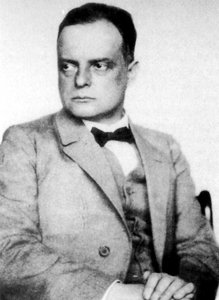
Paul Klee
1879 - 1940 , Suiza
Datos clave
- Fecha De Fallecimiento: 29 de junio de 1940
- Fecha De Nacimiento: 18 de diciembre de 1879
- Lugar De Nacimiento: Münchenbuchsee, Suiza
- Movimiento Artístico:
- Expresionismo
- Cubismo
- Surrealismo
- Nacionalidad: Suizo-alemán
- Nombre Completo: Paul Klee
- Obras Notables:
- Ritmos RojoVerde y VioletaAmarillo
- Contemplación
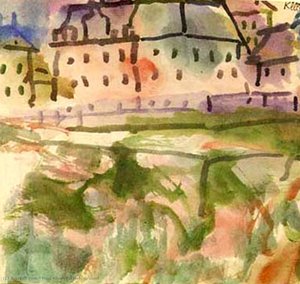
- En las casas de Saint Germain
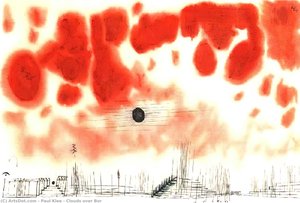
- Nubes sobre Bor
- Hermanos
- Carta Fantasma
- Flora sobre rocas Sol
Artículos relacionados

Ephemeral Visions: Exploring the Artistic Legacy & Contemporary Practice of Watercolor Painting
Explore the captivating world of watercolor painting! Discover its rich history, essential techniques, influential artists & collecting tips. A comprehensive guide for art enthusiasts from ArtsDot.

Acuarelas Legendarias: 10 Obras Maestras que Transformaron el Arte | ArtsDot
Descubre 10 acuarelas legendarias de Turner, Monet y Sargent que revolucionaron el arte. Explora la historia, técnica y belleza de estas obras maestras impresionistas y románticas. Reproducciones de museo en ArtsDot.com.
Paul Klee: Las 25 Obras Maestras que Definen un Genio del Arte Moderno | ArtsDot
Descubre las 25 obras maestras de Paul Klee, el genio del arte moderno. Explora su expresionismo único, composiciones abstractas y vibrantes paletas de colores. Reproducciones de alta calidad y decoración con arte en ArtsDot.com.

Visiones Efímeras: Historia y Resonancia Emocional de la Pintura Acuarela
Descubre la fascinante historia de la acuarela, desde sus orígenes hasta su expresión contemporánea. Explora técnicas, artistas clave como Paul Klee y encuentra reproducciones de alta calidad en ArtsDot.
Paul Klee: A Poetics of Form and Color – Exploring the Inner Landscape of a Modern Master
Explore the captivating world of Paul Klee! Discover his innovative art, Bauhaus influence, & unique symbolic language. Expert analysis & high-quality reproductions at ArtsDot.