

 Ver en contexto
 Enviar
 Compartir
 Detalles

 Descargar
 Similares
 Radiografía
 Presentación de diapositivas
 Stats
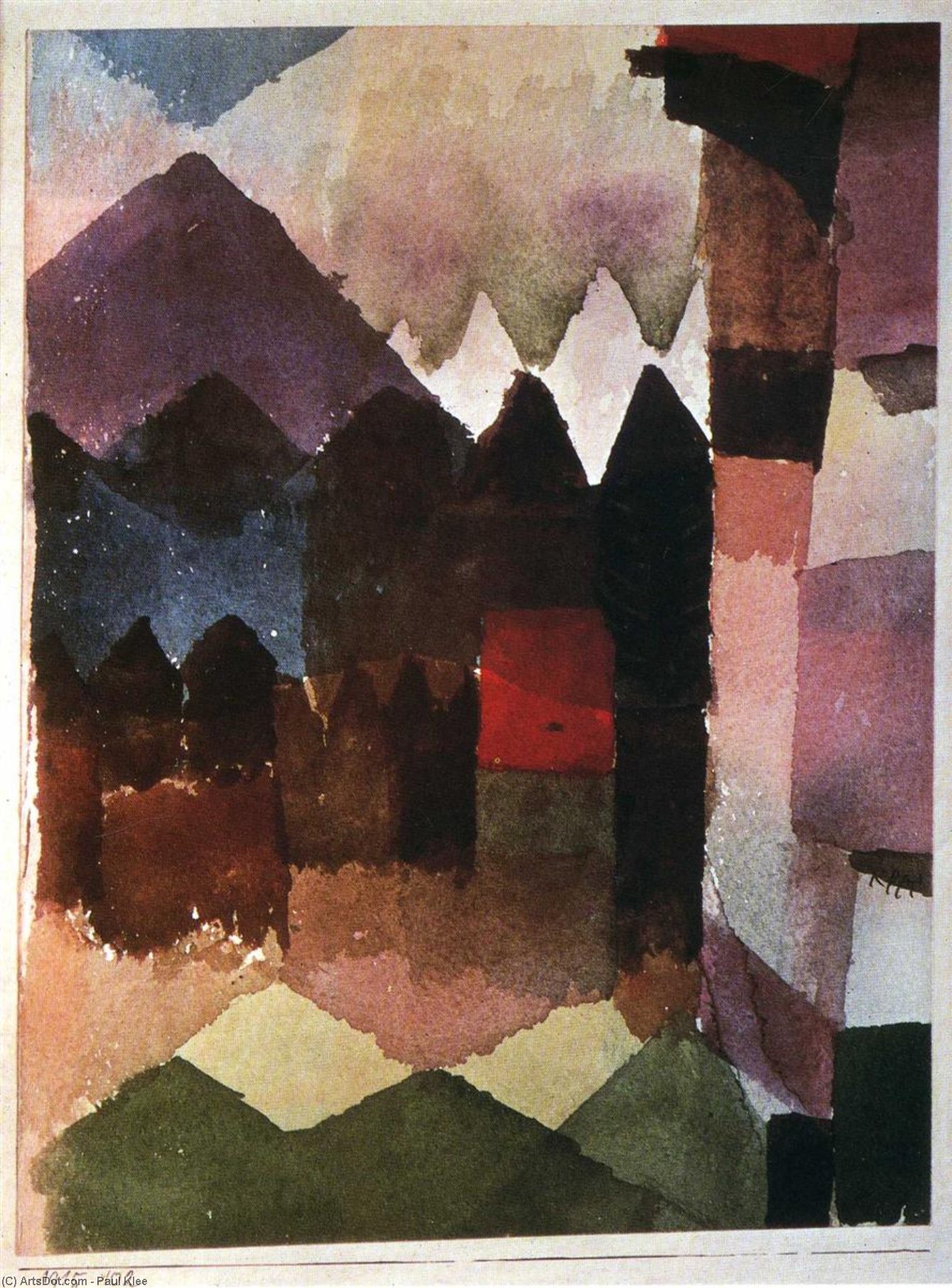
StatsHairdryer in Marc's Garden
 Watercolor
- WallArt
- Cubism
 1915
1915- Modern
 20.0 x 15.0 cm
 Ver más
Adquiera una imagen digital de alta resolución y optimizada, muy superior a la vista previa en línea.
Cada archivo es preparado meticulosamente por nuestros especialistas internos mediante el uso de herramientas avanzadas y un experto retoque manual. Nos aseguramos de que cada imagen posea una claridad excepcional, una precisión cromática impecable y un detalle minucioso.
El archivo final se entrega por correo electrónico en un plazo de 72 horas, optimizado para su uso inmediato en entornos profesionales, editoriales y de impresión. Esta es la misma calidad en la que confían los estudios de diseño, las editoriales y las galerías de primer nivel.
Imagen Digital
Descarga un archivo de alta resolución para exhibición personal, impresión y proyectos creativos. ( Switch to Print Comprar pintura hecha a mano)
Incluido en cada pedido de imágenes digitales
Entrega digital experta, garantizada.
Al elegir ArtsDot.com, no solo está adquiriendo una imagen; está recibiendo una obra de arte digital mejorada profesionalmente, elaborada con precisión y respaldada por una garantía de satisfacción. Esto es todo lo que incluye su pedido, automáticamente:

Entrega rápida por email
Recibirá su archivo de imagen digital en alta resolución por correo electrónico en un plazo de 72 horas tras realizar su pedido, listo para su uso inmediato.

Archivo digital optimizado por IA
Su obra de arte se optimiza profesionalmente mediante herramientas avanzadas de IA y edición manual, garantizando el máximo detalle, claridad y precisión cromática.

Reenvío gratuito de por vida
¿Has borrado o perdido tu archivo por error? No te preocupes: te lo volveremos a enviar en cualquier momento, sin coste adicional.

Sin gastos de importación, siempre
Disfrute de su obra de arte al instante sin aduanas, aranceles ni gastos de envío; las descargas digitales siempre están libres de impuestos.

Garantía de fidelidad de color
Garantizamos que su imagen digital refleje los colores originales con la mayor fidelidad posible, mediante el uso de herramientas profesionales y gestión del color.

Garantía de satisfacción de 100 días
Si no está satisfecho con su imagen digital, la revisaremos o le reembolsaremos el 100% en un plazo de 100 días, sin preguntas.

100% Garantía de devolución de dinero
¿No está satisfecho? Obtenga un reembolso completo dentro de los 100 días posteriores a la recepción de su archivo digital, sin preguntas.

Descuentos por pedidos grandes
Compra 3 imágenes, ahorra 10% - Compra 5, ahorra 15% - Compra 10+, ahorra 20%. Ideal para proyectos creativos, galerías y agencias.
A Symphony of Color and Form: The Essence of Klee’s Vision
In the delicate dance of "Foehn Wind in Marc's Garden," created in 1915, Paul Klee invites us into a world where the boundaries between reality and abstraction dissolve into a luminous dreamscape. This masterpiece is not merely a depiction of a landscape; it is an exploration of how light, wind, and color interact to create a profound emotional resonance. At first glance, the viewer is greeted by a striking crimson structure, a bold architectural anchor nestled within a tapestry of rolling hills and verdant foliage. Yet, as one lingers on the canvas, the painting reveals itself to be much more than a simple pastoral scene. It is a rhythmic arrangement of shapes that captures the very spirit of the Foehn—that warm, powerful mountain gale that sweeps through the Swiss Alps, bringing with it a sense of transformative energy.
Klee’s approach to this composition reflects his deep-seated connection to musicality. Much like a composer layering notes to create a crescendo, Klee layers pigments to build a visual melody. The painting utilizes a vibrant, almost electric palette where shades of magenta, turquoise, and emerald green collide with the earthy warmth of ochre yellow. This intentional use of color does not just decorate the landscape; it breathes life into it, simulating the shimmering heat and the shifting atmosphere of a garden caught in a sudden breeze. For the discerning collector or interior designer, this piece offers a sophisticated focal point that brings both vitality and a sense of rhythmic calm to any curated space.
The Architecture of Abstraction: Cubist Echoes and Technique
While Klee is often celebrated for his whimsical abstractions, "Foehn Wind in Marc's Garden" showcases his masterful command of Cubist influences. Unlike the rigid, geometric dissections seen in the works of Picasso or Braque, Klee employs a more organic, fractured perspective. He subtly breaks the landscape into angular facets and soft contours, inviting the eye to reconstruct the mountains and trees through a process of active perception. This technique dismantifies the traditional illusion of depth, replacing it with a complex interplay of overlapping planes that suggest a multidimensional reality. It is a sophisticated way of capturing the essence of sight—not just what we see, but how our minds interpret movement and form.
The technical execution of this work, primarily through the delicate medium of watercolor on paper, allows for a breathtaking translucency. Klee’s ability to control the bleeding and layering of pigments creates luminous tonal variations that mimic the way sunlight filters through mountain mist. This mastery of watercolor ensures that the colors remain vibrant yet ethereal, preventing the bold reds and blues from becoming heavy or stagnant. The result is a piece that feels perpetually in motion, much like the wind it depicts. For those seeking to adorn a room with art that possesses both structural integrity and a light, airy grace, this reproduction serves as an exquisite testament to Klee’s technical brilliance.
A Timeless Legacy for the Modern Collector
Beyond its formal qualities, the painting carries a profound historical and symbolic weight. Created during a period of immense global upheaval, Klee’s focus on the harmony of nature and the interplay of color offers a sanctuary of peace and intellectual curiosity. The garden becomes a metaphor for the inner landscape of the soul—a place where fragmented elements can be brought into a beautiful, unified whole. This emotional depth makes the artwork incredibly versatile; it can serve as a quiet, contemplative piece in a library or a bold, conversation-starting element in a contemporary living area.
Investing in a high-quality reproduction of this Klee masterpiece allows one to bring a fragment of art history into the modern home. It is an opportunity to surround oneself with the legacy of a pioneer who bridged the gap between the seen and the felt. Whether you are an art enthusiast drawn to the complexities of early 20th-century abstraction or a designer looking for a piece that embodies color theory and structural elegance, "Foehn Wind in Marc's Garden" remains an enduring symbol of the transformative power of art.
Obras relacionadas
Biografía del artista
Paul Klee: Una Vida en Color y Forma
Primeros Años y Educación
- Paul Klee nació el 18 de diciembre de 1879, en Münchenbuchsee, Suiza.
- Su padre era profesor de música alemán y su madre una cantante suiza, fomentando una temprana apreciación por las artes.
- Inicialmente, Klee se dedicó al dibujo pero finalmente abandonó la representación realista en favor de formas más expresivas.
- Estudió en la Academia de Bellas Artes de Múnich entre 1898 y 1901.
Desarrollo Artístico e Influencias
- La obra temprana de Klee mostraba influencias del Art Nouveau y el Simbolismo, pero rápidamente comenzó a desarrollar su estilo único.
- Un viaje crucial a Túnez en 1914 impactó profundamente su uso del color y la abstracción – la luz y la atmósfera inspiraron un cambio hacia paletas más audaces.
- Estuvo influenciado por movimientos como el Expresionismo, el Cubismo y el Surrealismo, aunque nunca se alineó completamente con ninguno de ellos.
- Su interés en la música informó profundamente su enfoque artístico, a menudo comparando la pintura con la composición musical.
Los Años Bauhaus y Más Allá
- De 1931 a 1933, Klee enseñó en la influyente escuela Bauhaus de arte, diseño y arquitectura junto a Wassily Kandinsky.
- Este período vio florecer su obra abstracta, explorando la teoría del color y las relaciones formales.
- Con el ascenso del nazismo en Alemania, Klee fue despedido de la Bauhaus en 1933 debido a su “arte degenerado”.
- Regresó a Suiza y continuó pintando, pero su salud se deterioró durante este tiempo.
Temas Principales y Estilo Artístico
- La obra de Klee se caracteriza por una exploración juguetona pero profunda del color, la línea y la forma.
- A menudo empleaba imágenes infantiles y composiciones caprichosas, impregnadas de significado simbólico.
- Temas recurrentes incluyen jardines, paisajes, retratos y arreglos abstractos.
- Sus “Cuadernos de Paul Klee”, publicados póstumamente, revelan sus extensas investigaciones teóricas sobre el color y el diseño.
Legado e Importancia Histórica
- Paul Klee murió el 29 de junio de 1940, en Muralto, Suiza.
- Se considera uno de los artistas más importantes del siglo XX, conectando el abismo entre el arte figurativo y el abstracto.
- Su uso innovador del color y sus escritos teóricos continúan inspirando a artistas e diseñadores hoy en día.
- La obra de Klee sigue siendo muy buscada por coleccionistas y museos de todo el mundo, consolidando su lugar como una figura icónica en la historia del arte moderno.
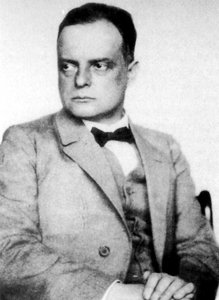
Paul Klee
1879 - 1940 , Suiza
Breves datos
- Fecha De Fallecimiento: 29 de junio de 1940
- Fecha De Nacimiento: 18 de diciembre de 1879
- Lugar De Nacimiento: Münchenbuchsee, Suiza
- Movimiento Artístico:
- Expresionismo
- Cubismo
- Surrealismo
- Nacionalidad: Suizo-alemán
- Nombre Completo: Paul Klee
- Obras Notables:
- Ritmos RojoVerde y VioletaAmarillo
- Contemplación
- En las casas de Saint Germain
- Nubes sobre Bor
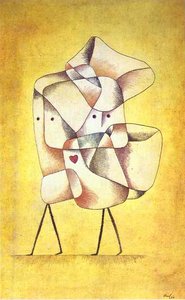
- Hermanos
- Carta Fantasma
- Flora sobre rocas Sol