 Ver en contexto
 Enviar
 Compartir
 Detalles

 Descargar
 Similares
 Radiografía
 Presentación de diapositivas
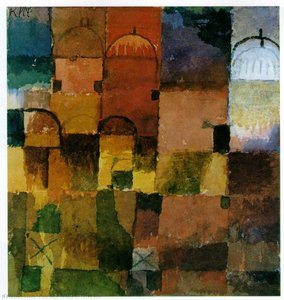
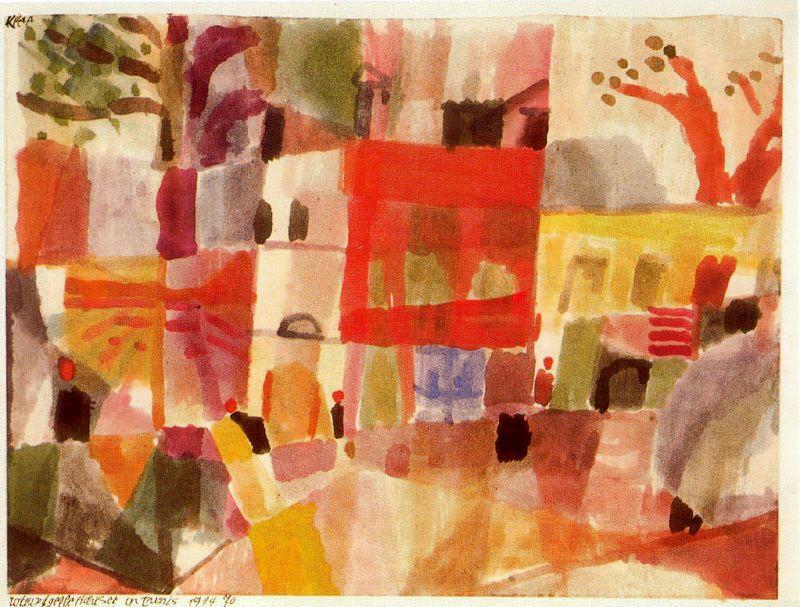
Red and Yellow Houses in Tunis


 Ver más
Reproducción al óleo hecha a mano
Óleo sobre lienzo pintado a mano en el tamaño y marco de su elección, realizado por encargo por nuestros artistas. ( Comprar impresión Comprar imagen)




P118B $10

P118H $10

P118W $10

P438Z $10

P508JH $12

P508YH $12

P805H $10

P805Z $10

P919BZ $10

P919G $10

P919XJ $10

P959ZH $10

P968JZ $12

W106C $8

W218G $10

W218JH $8

W218Y $10

W307PJ $10

W316G $10

W316PJ $8

W316Y $10

W398PJ $8

W4111J $10

W500HY $15

W500JH $15

W692G $12

W849H $8

W940BG $15

W953PJ $8




Elija entre nuestros tamaños predefinidos que respetan las proporciones originales de la obra.

Puede ingresar sus propias dimensiones para adaptarse a un marco o espacio específico. Si el tamaño seleccionado no coincide con las proporciones de la imagen original, recortaremos la obra o extenderemos la pintura con elementos adicionales pintados a mano. Se le enviará una maqueta digital para su aprobación antes de comenzar la producción.
Tenga en cuenta que la vista previa en pantalla no refleja el recorte o la extensión reales. Solo la maqueta mostrará con precisión la composición final.
Si bien existen tamaños personalizados, recomendamos seleccionar una dimensión de la lista predefinida para preservar las proporciones originales.
Tras realizar el pedido, el equipo de ArtsDot.com enviará un correo electrónico al cliente para solicitar instrucciones y proporcionarle una vista previa del boceto.
Envío a todo el mundo () en 3-4 semanas en lugar de las 5 semanas estándar. (6 septiembre). Sin comprometer la calidad.

Envío exprés gratuito a todo el mundo

Lienzo de lino de alta calidad

Seguro de envío total

Garantía de reembolso de impuestos aduaneros

Garantía de fidelidad cromática exacta

Política de devolución de 100 días (solo por defectos)

Garantía de devolución del 100% del dinero

Descuento por cantidad
 La opción de vidrio solo está disponible en tamaños inferiores a 110 cm.

Red and Yellow Houses in Tunis
Técnica de reproducción
Dimensiones de la reproducción
-


Precio total final
$ 263
A Symphony of Color and Form
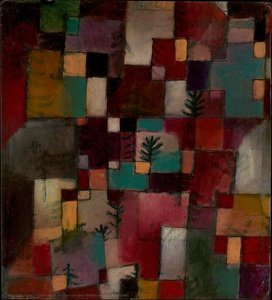
To encounter Paul Klee’s "Red and Yellow Houses in Tunis" is to step into a realm where the boundaries between reality and dream dissolve into a luminous, rhythmic dance. Painted during his transformative journey through Tunisia between 1932 and 1933, this masterpiece serves as more than a mere architectural study; it is an invitation to experience a world where color sings and shapes breathe. The artwork captures a vibrant snapshot of Tunisian street life, presenting a series of interconnected structures bathed in warm, sun-drenched hues that seem to pulse with the very heat of the Mediterranean. Through Klee’s eyes, the buildings are not static objects but living participants in a larger, melodic composition, set against a backdrop of soft olive trees and a sky that feels heavy with light.
The emotional resonance of this piece lies in its ability to evoke a sense of profound peace and playful discovery. For the collector or interior designer, the painting offers a unique psychological atmosphere—one of warmth, stability, and joy. It possesses an inherent lyrical spontaneity that can breathe life into a modern living space, acting as a focal point that stimulates the intellect while soothing the spirit. The way the red and yellow pigments interlock creates a visual heartbeat, making the canvas feel less like a window into a distant land and more like a portal into a state of pure, unadulterated wonder.
The Architecture of Abstraction
Klee’s technical mastery is on full display through his meticulous use of "gitterbau," or lattice construction. This method involves a delicate layering of watercolor, gouache, and crayon on paper, creating a textured surface that appears both ethereal and structurally sound. He does not rely on the heavy lines of traditional realism; instead, he employs thin washes of color that overlap and interlock, much like the notes in a musical score. The geometric vocabulary of the piece—squares, rectangles, and triangles—serves as the fundamental building blocks of the composition. These shapes are not merely decorative; they mirror the underlying mathematical and musical rhythms that Klee believed governed the universe.
This structural harmony is beautifully juxtaposed with organic contours. While the houses follow a certain geometric logic, the presence of swaying branches and soft, undulating forms reminds the viewer of the inseparable bond between man-made structures and the natural world. This dialogue between the rigid and the fluid creates a balanced tension that keeps the eye moving across the canvas, discovering new details in every corner—from the tiny, scattered figures that lend a sense of lively movement to the subtle variations in the sun-soaked pigments.
A Legacy of Light and Inspiration
The historical context of this work is deeply intertwined with Klee’s personal evolution. Seeking respite from the mounting anxieties of pre-war Europe, Klee found a profound spiritual renewal in the North African landscape. The vibrant culture and the intense, transformative light of Tunis profoundly impacted his artistic sensibilities, infusing his work with a new decorative richness and a connection to Islamic art motifs. This period marked a shift toward a more radiant palette, moving away from the darker, more introspective tones of his earlier years toward a celebration of life and light.
For those seeking to adorn their homes with a piece of art history, "Red and Yellow Houses in Tunis" represents an unparalleled opportunity. It is a work that transcends time, offering a timeless aesthetic that complements both minimalist contemporary interiors and more eclectic, classical settings. Owning a high-quality reproduction of this Klee masterpiece means bringing home a fragment of the 20th century's most profound visual music—a piece that continues to inspire awe through its perfect marriage of geometric order and emotional freedom.
Obras relacionadas
Biografía del artista
Paul Klee: Una Vida en Color y Forma
Primeros Años y Educación
- Paul Klee nació el 18 de diciembre de 1879, en Münchenbuchsee, Suiza.
- Su padre era profesor de música alemán y su madre una cantante suiza, fomentando una temprana apreciación por las artes.
- Inicialmente, Klee se dedicó al dibujo pero finalmente abandonó la representación realista en favor de formas más expresivas.
- Estudió en la Academia de Bellas Artes de Múnich entre 1898 y 1901.
Desarrollo Artístico e Influencias
- La obra temprana de Klee mostraba influencias del Art Nouveau y el Simbolismo, pero rápidamente comenzó a desarrollar su estilo único.
- Un viaje crucial a Túnez en 1914 impactó profundamente su uso del color y la abstracción – la luz y la atmósfera inspiraron un cambio hacia paletas más audaces.
- Estuvo influenciado por movimientos como el Expresionismo, el Cubismo y el Surrealismo, aunque nunca se alineó completamente con ninguno de ellos.
- Su interés en la música informó profundamente su enfoque artístico, a menudo comparando la pintura con la composición musical.
Los Años Bauhaus y Más Allá
- De 1931 a 1933, Klee enseñó en la influyente escuela Bauhaus de arte, diseño y arquitectura junto a Wassily Kandinsky.
- Este período vio florecer su obra abstracta, explorando la teoría del color y las relaciones formales.
- Con el ascenso del nazismo en Alemania, Klee fue despedido de la Bauhaus en 1933 debido a su “arte degenerado”.
- Regresó a Suiza y continuó pintando, pero su salud se deterioró durante este tiempo.
Temas Principales y Estilo Artístico
- La obra de Klee se caracteriza por una exploración juguetona pero profunda del color, la línea y la forma.
- A menudo empleaba imágenes infantiles y composiciones caprichosas, impregnadas de significado simbólico.
- Temas recurrentes incluyen jardines, paisajes, retratos y arreglos abstractos.
- Sus “Cuadernos de Paul Klee”, publicados póstumamente, revelan sus extensas investigaciones teóricas sobre el color y el diseño.
Legado e Importancia Histórica
- Paul Klee murió el 29 de junio de 1940, en Muralto, Suiza.
- Se considera uno de los artistas más importantes del siglo XX, conectando el abismo entre el arte figurativo y el abstracto.
- Su uso innovador del color y sus escritos teóricos continúan inspirando a artistas e diseñadores hoy en día.
- La obra de Klee sigue siendo muy buscada por coleccionistas y museos de todo el mundo, consolidando su lugar como una figura icónica en la historia del arte moderno.
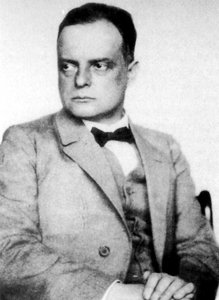
Paul Klee
1879 - 1940 , Suiza
Datos clave
- Fecha De Fallecimiento: 29 de junio de 1940
- Fecha De Nacimiento: 18 de diciembre de 1879
- Lugar De Nacimiento: Münchenbuchsee, Suiza
- Movimiento Artístico:
- Expresionismo
- Cubismo
- Surrealismo
- Nacionalidad: Suizo-alemán
- Nombre Completo: Paul Klee
- Obras Notables:
- Ritmos RojoVerde y VioletaAmarillo
- Contemplación
- En las casas de Saint Germain
- Nubes sobre Bor
- Hermanos
- Carta Fantasma
- Flora sobre rocas Sol
Artículos relacionados
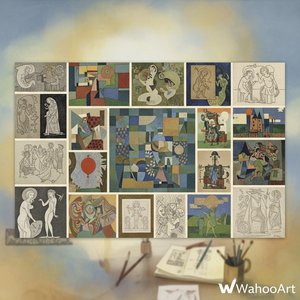
Paul Klee: Las 25 Obras Maestras que Definen un Genio del Arte Moderno | ArtsDot
Descubre las 25 obras maestras de Paul Klee, el genio del arte moderno. Explora su expresionismo único, composiciones abstractas y vibrantes paletas de colores. Reproducciones de alta calidad y decoración con arte en ArtsDot.com.
Paul Klee: A Poetics of Form and Color – Exploring the Inner Landscape of a Modern Master
Explore the captivating world of Paul Klee! Discover his innovative art, Bauhaus influence, & unique symbolic language. Expert analysis & high-quality reproductions at ArtsDot.

John Constable: Las 25 Obras Maestras del Paisaje Inglés | ArtsDot
Descubre las 25 obras maestras de John Constable, el pintor romántico inglés que capturó la belleza del paisaje. Explora su técnica, historia y significado en ArtsDot.com. Reproducciones de arte de alta calidad para tu hogar.

Paisajes Románticos: 10 Obras Maestras que Definieron un Movimiento Artístico
Descubre los 10 paisajes románticos más influyentes de artistas como Caspar David Friedrich y Turner. Explora la belleza, el simbolismo y las técnicas del movimiento romántico. Reproducciones de arte exclusivas en ArtsDot.com.

Evocations of Place: A Historical Journey Through Landscape Art
Explore the rich history of landscape art with ArtsDot. Discover renowned artists, movements like Impressionism & Romanticism, and expert guidance for collecting timeless pieces. Find your perfect serene escape today!