 Vista previa
 Compartir
 Compartir
 Ver detalles

 Descargar
 Ver similares
 Radiografía
 Presentación de diapositivas
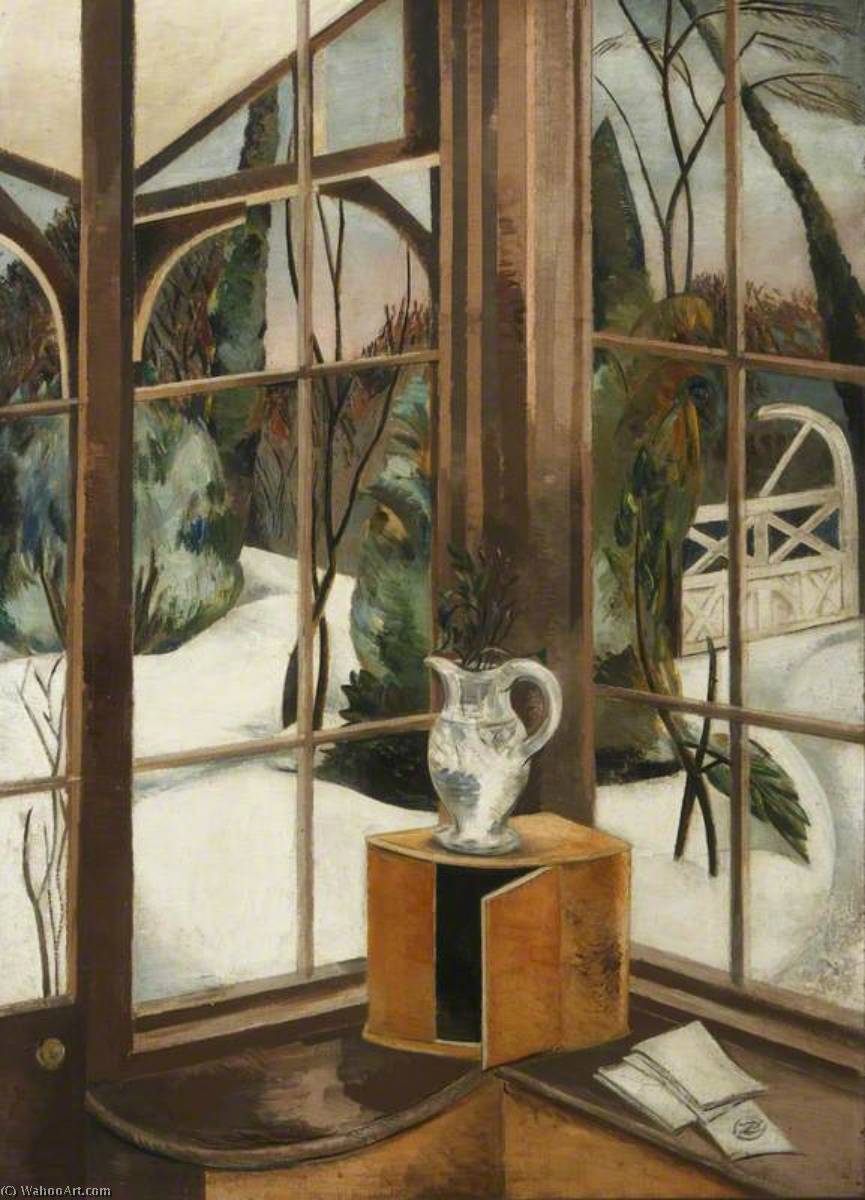
The Window, Iver Heath
 Oil On Canvas
- WallArt
- British Modernism
 84.0 x 62.0 cm
 Museo Británico
 Leer más
Reproducción al óleo hecha a mano
Óleo sobre lienzo pintado a mano en el tamaño y marco de su elección, realizado por encargo por nuestros artistas. ( Pedir impresión Comprar descarga)




P118B $10

P118H $10

P118W $10

P438Z $10

P508JH $12

P508YH $12

P805H $10

P805Z $10

P919BZ $10

P919G $10

P919XJ $10

P959ZH $10

P968JZ $12

W106C $8

W218G $10

W218JH $8

W218Y $10

W307PJ $10

W316G $10

W316PJ $8

W316Y $10

W398PJ $8

W4111J $10

W500HY $15

W500JH $15

W692G $12

W849H $8

W940BG $15

W953PJ $8




Elija entre nuestros tamaños predefinidos que respetan las proporciones originales de la obra.

Puede ingresar sus propias dimensiones para adaptarse a un marco o espacio específico. Si el tamaño seleccionado no coincide con las proporciones de la imagen original, recortaremos la obra o extenderemos la pintura con elementos adicionales pintados a mano. Se le enviará una maqueta digital para su aprobación antes de comenzar la producción.
Tenga en cuenta que la vista previa en pantalla no refleja el recorte o la extensión reales. Solo la maqueta mostrará con precisión la composición final.
Si bien existen tamaños personalizados, recomendamos seleccionar una dimensión de la lista predefinida para preservar las proporciones originales.
Tras realizar el pedido, el equipo de ArtsDot.com enviará un correo electrónico al cliente para solicitar instrucciones y proporcionarle una vista previa del boceto.
Envío a todo el mundo () en 3-4 semanas en lugar de las 5 semanas estándar. (19 agosto). Sin comprometer la calidad.

Envío exprés gratuito a todo el mundo

Lienzo de lino de alta calidad

Seguro de envío completo

Garantía de reembolso de aranceles aduaneros

Garantía de fidelidad cromática exacta

Política de devolución de 60 días (solo por defectos)

Garantía de devolución del 100% del dinero

Oferta por volumen
 La opción de vidrio solo está disponible en tamaños inferiores a 110 cm.

The Window, Iver Heath
Técnica de reproducción
Tamaño de la reproducción
-


Precio total
$ 263
Descripción de la obra
A Winter’s Still Life: Paul Nash's "The Window, Iver Heath"
Paul Nash’s “The Window, Iver Heath,” painted in 1926, isn’t merely a depiction of a room; it’s a carefully constructed meditation on observation, isolation, and the quiet beauty of the English countryside. Nestled within the confines of a large window frame, the scene unfolds as a meticulously rendered interior landscape juxtaposed with a starkly evocative winter exterior. The painting immediately draws the eye to the window itself – a rectangular portal that acts as both barrier and gateway, framing a snow-laden garden and hinting at a world beyond.
Nash, a pivotal figure in British Modernism, was deeply influenced by the Pre-Raphaelites and J.M.W. Turner, evident in his masterful use of light and color. He moved away from purely representational painting, embracing geometric forms and abstract elements – a characteristic powerfully displayed here. The window’s panes aren't simply architectural details; they become active participants in shaping the composition, dividing the scene into distinct zones of observation and experience. The overall style leans towards early 20th-century realism, yet infused with a distinctly modernist sensibility, prioritizing form and atmosphere over strict photographic accuracy.
Details of Composition and Technique
Within the window’s embrace, a sense of domestic tranquility prevails. A small wooden table holds a silver pitcher brimming with water, a delicate wooden box, and scattered sheets of paper – objects imbued with a quiet intimacy. The meticulous rendering of these items, particularly the pitcher's reflective surface and the textures of the wood, speaks to Nash’s dedication to capturing subtle details and creating a tactile quality on the canvas. The artist skillfully employs layering and glazing techniques, building up color gradually to achieve remarkable depth and luminosity – a testament to his mastery of oil paint.
Crucially, the painting isn't simply about depicting objects; it’s about their relationship to light and shadow. The strong directional light streaming through the window casts dramatic shadows, adding dimension and emphasizing the three-dimensionality of the scene. The muted color palette – dominated by blues, greens, and browns – perfectly reflects the cold, winter atmosphere outside, while the interior elements offer a subtle contrast with warmer tones. Lines are used purposefully to define shapes—the window frame’s sharp angles, the tree branches' organic curves, and the geometric forms of the furniture—creating a balanced yet dynamic composition.
Symbolism and Context
“The Window, Iver Heath” resonates with themes of observation and introspection. The act of looking through the window becomes an act of contemplation, inviting the viewer to consider both the world within and the world beyond. The winter landscape itself carries symbolic weight – representing isolation, dormancy, and perhaps a yearning for connection. Nash’s childhood spent in Iver Heath, a rural area steeped in folklore and ancient history, undoubtedly informed his artistic vision.
Furthermore, the painting can be interpreted as a reflection on the relationship between nature and domesticity. The window acts as a bridge between these two realms, suggesting a desire to integrate the beauty of the natural world into the comforts of home. The inclusion of the papers hints at creative pursuits or intellectual activity – further enriching the painting’s layered meaning.
A Timeless Masterpiece for Art and Interior Design
“The Window, Iver Heath” is more than just a beautiful painting; it's a sophisticated work of art that continues to captivate viewers with its evocative atmosphere and meticulous detail. Its timeless appeal makes it an ideal choice for collectors seeking pieces that embody the spirit of British Modernism. Reproductions offer a wonderful opportunity to bring this serene winter landscape into any interior space, adding a touch of contemplative elegance and artistic depth.
Obras relacionadas
Biografía del artista
Primeros Años e Influencias
- Nacido: Kensington, Reino Unido (1889)
- Fallecido: 1946
- Paul Nash nació el 11 de mayo de 1889 en Londres. Su padre, William Harry Nash, era abogado y su madre, Caroline Maude, mostró signos de enfermedad mental desde temprana edad. La familia se mudó a Iver Heath, Buckinghamshire, cuando Paul era joven, un movimiento destinado a beneficiar la salud de su madre.
- Educación: Asistió a la Parsons School of Art y luego a la Slade School of Fine Art. Aunque era competente en pintura de paisajes, le costaba dibujar figuras.
- Primeras Influencias: Nash estuvo fuertemente influenciado por William Blake y J.M.W. Turner, lo que se evidencia en sus primeras obras. También se inspiró en paisajes con elementos históricos antiguos como túmulos funerarios y fuertes de la Edad de Hierro.
Estilo Artístico y Desarrollo
- Estilo: El estilo de Paul Nash combinaba el modernismo con técnicas tradicionales. Utilizaba colores audaces, formas geométricas y formas abstractas, lo que lo distinguía de sus contemporáneos.
- Tendencias Surrealistas: Aunque no era estrictamente un surrealista, Nash se vio influenciado por este movimiento, particularmente después de ver una exposición de Giorgio de Chirico en 1928. Su obra incorporaba paisajes simbólicos con objetos cotidianos.
- Arte Bélico: Durante la Primera y Segunda Guerra Mundial, Nash sirvió como artista oficial de guerra. Sus representaciones de los campos de batalla eran notables por su belleza inquietante y su exploración del impacto del conflicto en el paisaje. Obras destacadas incluyen "The Menin Road".
- "Criaturas Aéreas": Una serie producida durante la Segunda Guerra Mundial que presenta representaciones antropomórficas de aviones derribados en paisajes, demostrando su estilo y simbolismo en evolución.
Logros Destacados y Reconocimiento
- Pionero del Modernismo Británico: Nash jugó un papel crucial en la configuración del arte moderno británico, combinando la pintura de paisajes tradicional con la estética modernista.
- Legado Artístico Bélico: Sus pinturas de guerra se consideran representaciones icónicas del impacto del conflicto tanto en los soldados como en el medio ambiente.
- Grupo Unit One: Co-fundó Unit One en 1933 junto con Ben Nicholson y Barbara Hepworth, un grupo significativo dentro de la escena artística británica.
- Escritor y Diseñador: Más allá de la pintura, Nash también fue un escritor respetado sobre arte y diseñó artes aplicadas como escenografía teatral, tejidos y carteles.
Influencias y Legado
- Influencia en Artistas Posteriores: El estilo único de Nash y su uso del color influyeron en generaciones de artistas que le siguieron.
- Conexión con el Romanticismo: Su obra a menudo se relaciona con la tradición romántica inglesa, particularmente a través de su conexión con William Blake y J.M.W. Turner.
- Exploración del Hombre vs. la Naturaleza: Un tema recurrente en las obras posteriores de Nash fue la relación entre la humanidad y la naturaleza, explorada a través de imágenes simbólicas.
- Relevancia Continua: Sus pinturas continúan siendo celebradas por su belleza, simbolismo y significado histórico, permaneciendo relevantes para el público contemporáneo.
Exposiciones y Colecciones
- Ruskin Gallery: La obra de Nash ha sido expuesta en la Ruskin Gallery del Reino Unido.
- Tate Britain: Sus obras se pueden encontrar en la colección de Tate Britain.
- Imperial War Museum: Varias de sus obras de arte bélico se encuentran en el Imperial War Museum.
- York Art Gallery: Su obra también forma parte de la colección de York Art Gallery.
- Government Art Collection: Una selección de las obras de Nash se exhibe en la Government Art Collection.
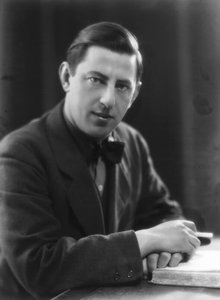
Paul Nash
1889 - 1946 , Reino Unido
Datos clave
- Artistas Influenciados: ['Artistas modernos']
- Artistas Que Influyeron:
- William Blake
- J.M.W. Turner
- Fecha De Fallecimiento: 11 de julio de 1946
- Fecha De Nacimiento: 11 de mayo de 1889
- Lugar De Nacimiento: Kensington, Reino Unido
- Movimiento Artístico: Modernismo, Surrealismo
- Nacionalidad: Británico
- Nombre Completo: Paul Nash
- Obras Notables: ['The Menin Road']
Artículos relacionados

Paul Cézanne: Las 25 Obras Maestras que Definieron el Arte Moderno | ArtsDot
Descubre las 25 obras maestras de Paul Cézanne que revolucionaron el arte moderno. Explora su técnica, inspiración y significado en paisajes, bodegones y retratos. Reproducciones de alta calidad para decorar tu hogar con arte inolvidable. ¡Explora la colección completa en ArtsDot.com!
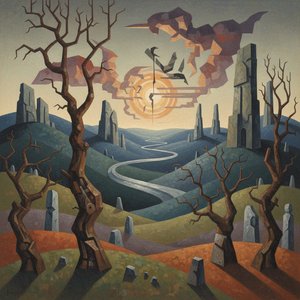
Paul Nash: Modernism, Myth & the British Landscape – A Visionary Artist
Explore the evocative landscapes & poignant war art of Paul Nash (1889-1946), a key figure in British Modernism. Discover his unique style and lasting impact on art history with ArtsDot.
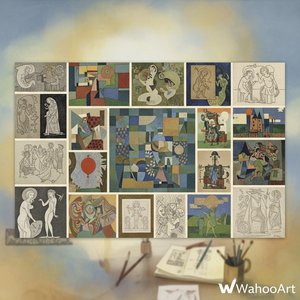
Paul Klee: Las 25 Obras Maestras que Definen un Genio del Arte Moderno | ArtsDot
Descubre las 25 obras maestras de Paul Klee, el genio del arte moderno. Explora su expresionismo único, composiciones abstractas y vibrantes paletas de colores. Reproducciones de alta calidad y decoración con arte en ArtsDot.com.

Los 10 Paisajes Más Icónicos de la Historia del Arte | ArtsDot
Descubre los 10 paisajes más emblemáticos de la historia del arte, desde Monet a Van Gogh. Explora su significado, técnica y belleza atemporal. Encuentra reproducciones de alta calidad e inspira tu hogar con ArtsDot.com.

Evocations of Place: A Historical Journey Through Landscape Art
Explore the rich history of landscape art with ArtsDot. Discover renowned artists, movements like Impressionism & Romanticism, and expert guidance for collecting timeless pieces. Find your perfect serene escape today!