 Ver en contexto
 Enviar
 Compartir
 Detalles

 Descargar
 Similares
 Radiografía
 Presentación de diapositivas
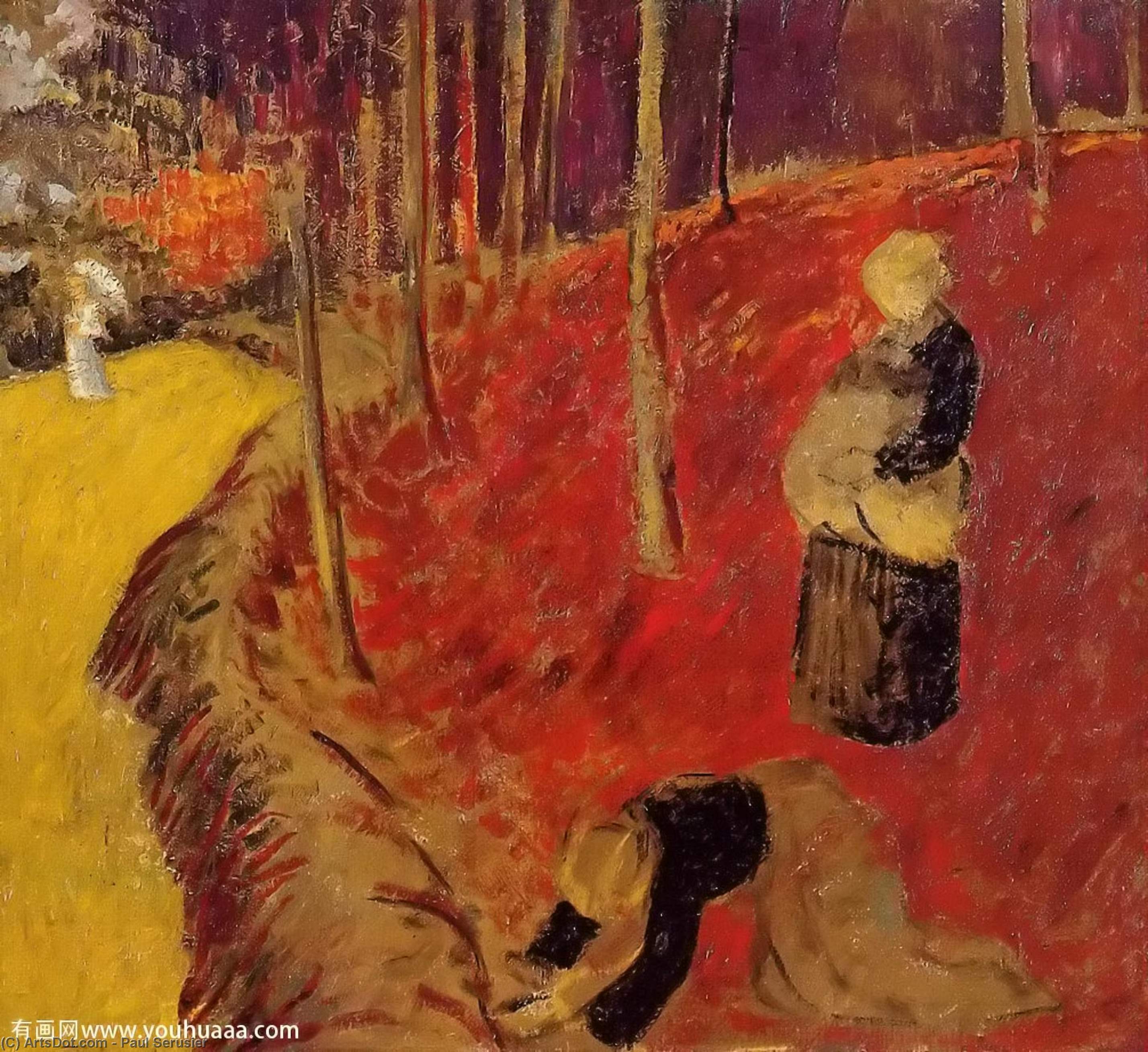
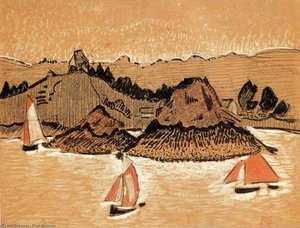
The Fern Harvesters in the Boid d'Amour at Pont Aven


 Ver más
Reproducción al óleo hecha a mano
Óleo sobre lienzo pintado a mano en el tamaño y marco de su elección, realizado por encargo por nuestros artistas. ( Comprar impresión Comprar imagen)




P118B $10

P118H $10

P118W $10

P438Z $10

P508JH $12

P508YH $12

P805H $10

P805Z $10

P919BZ $10

P919G $10

P919XJ $10

P959ZH $10

P968JZ $12

W106C $8

W218G $10

W218JH $8

W218Y $10

W307PJ $10

W316G $10

W316PJ $8

W316Y $10

W398PJ $8

W4111J $10

W500HY $15

W500JH $15

W692G $12

W849H $8

W940BG $15

W953PJ $8




Elija entre nuestros tamaños predefinidos que respetan las proporciones originales de la obra.

Puede ingresar sus propias dimensiones para adaptarse a un marco o espacio específico. Si el tamaño seleccionado no coincide con las proporciones de la imagen original, recortaremos la obra o extenderemos la pintura con elementos adicionales pintados a mano. Se le enviará una maqueta digital para su aprobación antes de comenzar la producción.
Tenga en cuenta que la vista previa en pantalla no refleja el recorte o la extensión reales. Solo la maqueta mostrará con precisión la composición final.
Si bien existen tamaños personalizados, recomendamos seleccionar una dimensión de la lista predefinida para preservar las proporciones originales.
Tras realizar el pedido, el equipo de ArtsDot.com enviará un correo electrónico al cliente para solicitar instrucciones y proporcionarle una vista previa del boceto.
Envío a todo el mundo () en 3-4 semanas en lugar de las 5 semanas estándar. (2 septiembre). Sin comprometer la calidad.

Envío exprés gratuito a todo el mundo

Lienzo de lino de alta calidad

Seguro de envío total

Garantía de reembolso de impuestos aduaneros

Garantía de fidelidad cromática exacta

Política de devolución de 60 días (solo por defectos)

Garantía de devolución del 100% del dinero

Descuento por cantidad
 La opción de vidrio solo está disponible en tamaños inferiores a 110 cm.

The Fern Harvesters in the Boid d'Amour at Pont Aven
Técnica de reproducción
Dimensiones de la reproducción
-


Precio total final
$ 263
A Symphony of Color and Nature: The Fern Harvesters in the Boid d'Amour
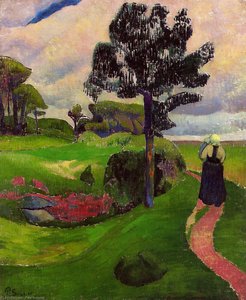
In the quiet, sun-dappled landscapes of Pont Aven, there exists a moment frozen in time, captured with profound emotional depth by Paul Sérusier. The Fern Harvesters in the Boid d'Amour at Pont Aven is not merely a depiction of a rural task; it is an immersive experience into the heart of the Synthetism movement. Created in 1910, this oil on canvas invites the viewer to step into a serene woodland where the boundaries between humanity and nature begin to blur. The scene unfolds with three figures—two women and a man—engaged in the rhythmic, ancestral ritual of gathering berries. There is a palpable sense of peace radiating from the canvas, as if the very air of the French countryside has been distilled into pigment and brushstroke.
The composition is a masterclass in the Synthetist approach, a style that Sérusier helped pioneer alongside luminaries like Paul Gauguin. Rather than striving for photographic realism, the artist employs bold, saturated colors and simplified, geometric forms to evoke the essence of the subject. The background is a striking tapestry of trees, where branches draped in deep reds and vibrant hues create a rhythmic pattern against the landscape. This use of color is not merely decorative; it serves to heighten the emotional resonance of the scene, transforming a simple afternoon of harvesting into a dreamlike, almost mystical encounter with the earth.
The Legacy of a Visionary: Sérusier and the Nabis
To understand the profound impact of this work, one must look toward the historical crucible in which it was forged. Paul Sérusier was a pivotal figure in the avant-garde, a member of the influential group Les Nabis. His artistic journey, shaped by his studies at the Académie Julian and his transformative encounters in Pont Aven, led him to experiment with Cloisonnism—a technique characterized by bold outlines and flat areas of color. In The Fern Harvesters, we see the culmination of these experiments. The way the figures are integrated into the landscape, almost becoming part of the organic geometry of the trees, reflects Sérusier's move toward abstraction and his belief that art should represent a subjective, spiritual truth rather than an objective reality.
For the discerning collector or interior designer, this piece offers more than just aesthetic beauty; it provides a window into a revolutionary era of art history. The painting’s ability to command attention through its structural harmony and vibrant palette makes it an extraordinary centerpiece for any sophisticated space. Whether placed in a contemporary gallery setting or a classic study, the work brings with it an aura of tranquility and intellectual depth. It serves as a reminder of a time when artists dared to redefine the very language of sight, turning the simple act of harvesting into a timeless celebration of life and light.
Obras relacionadas
Biografía del artista
Primeros años y educación
Paul Sérusier, nacido Louis-Paul-Henri Sérusier el 9 de noviembre de 1864 en París, fue un pintor francés que se convirtió en pionero del arte abstracto e inspiró el movimiento vanguardista los nabis, sintetismo y cloisonnismo. Estudió en la Académie Julian, donde se convirtió en monitor a mediados de la década de 1880. Esto marcó el comienzo de su viaje artístico.
Carrera artística
En el verano de 1888, Sérusier viajó a Pont-Aven, donde se unió a un pequeño grupo de artistas centrado en Paul Gauguin. Bajo la estrecha supervisión de Gauguin, Sérusier pintó "El Talismán", un ejercicio extremo en cloisonnismo que se aproximaba a la pura abstracción. Esta obra mostró su estilo innovador y su disposición a experimentar con nuevas técnicas.
Como pintor postimpresionista, Sérusier formó parte del grupo Les Nabis, junto con Pierre Bonnard, Édouard Vuillard y Maurice Denis. Aunque no tan reconocido como algunos de sus compañeros, las contribuciones de Sérusier al desarrollo del arte abstracto son innegables.
Obras notables y legado
Algunas de las obras más destacadas de Sérusier incluyen:
- L'Averse (1893), Museo d’Orsay, París
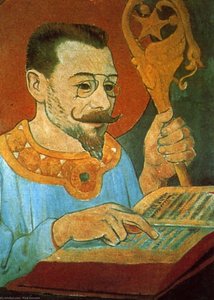
- Retrato de Paul Ranson (1890), Museo d’Orsay, París
- Melancolía (1890)
- Las serpientes comiendo (1894), Muzeum Narodowe, Varsovia
En sus últimos años, Sérusier enseñó en la Académie Ranson y publicó su libro "ABC de la pintura" en 1921. Falleció el 7 de octubre de 1927 en Morlaix.
Movimiento artístico e influencia
El trabajo de Sérusier estuvo influenciado por el cloisonnismo, un estilo caracterizado por formas audaces y planas separadas por contornos oscuros. Este movimiento, que surgió a fines del siglo XIX, jugó un papel importante en la configuración del desarrollo del arte moderno.
- Explore más sobre el cloisonnismo: el movimiento artístico cloisonnista
- Descubra la obra de Sérusier: Paul Sérusier | ArtsDot.com
- Infórmese sobre el movimiento los nabis: el movimiento artístico los nabis
Desarrollo y logros
Sérusier se alejó del concepto de arte como imitación del mundo visible, introduciendo elementos más conceptuales y evocadores en su pintura, especialmente en la disolución de las formas y el uso de colores no descriptivos. La idea era primordial en su obra y la colocaba por encima de la representación: si percibía el cielo amarillo, lo pintaba como amarillo y no azul. Buscando una verdad representativa más allá del mundo de las apariencias, estuvo influenciado tanto por artistas postimpresionistas anteriores como Paul Gauguin, como por pensamientos místicos conectados con la Teosofía.
Sérusier se esforzó por sintetizar tres elementos clave dentro de sus obras: la apariencia del mundo natural, la sensación que le producía y la forma en que elegía representar. Al equilibrar estos tres elementos, Sérusier también se centró en aplanar las formas en sus obras.
La abstracción de formas en la búsqueda de traducir emoción y percepción al lienzo no solo lo distinguió de los artistas anteriores, sino que también inspiró a otros. Los historiadores, así como sus contemporáneos, datan el comienzo del movimiento Nabi con la obra de Sérusier, El Talismán.
Sérusier animó a mayores experimentos hacia la abstracción en un intento de "liberar la forma y el color de sus funciones descriptivas tradicionales para expresar emociones e verdades espirituales personales". Este principio rector de la sensación a través del color fue una innovación asombrosa que resonó con futuras generaciones de coloristas, incluyendo Helen Frankenthaler, Mark Rothko y Josef Albers.

Paul Sérusier
1864 - 1927 , Francia
Datos clave
- Artistas Que Influyeron:
- Paul Gauguin
- Émile Bernard
- Estilo Artístico: Postimpresionismo, Cloisonnismo
- Fecha De Fallecimiento: 7 de octubre de 1927
- Fecha De Nacimiento: 9 de noviembre de 1864
- Influenciado A:
- Les Nabis
- Movimiento abstracto
- Lugar De Nacimiento: París, Francia
- Nacionalidad: Francesa
- Nombre Completo: Paul Sérusier (Louis-Paul-Henri)
- Obras Notables:
- L'Averse (1893)
- Retrato de Paul Ranson (1890)
- Melancolía (1890)
- Las Comedoras de Serpientes (1894)
Artículos relacionados
Paul Klee: Las 25 Obras Maestras que Definen un Genio del Arte Moderno | ArtsDot
Descubre las 25 obras maestras de Paul Klee, el genio del arte moderno. Explora su expresionismo único, composiciones abstractas y vibrantes paletas de colores. Reproducciones de alta calidad y decoración con arte en ArtsDot.com.

Paul Cézanne: Las 25 Obras Maestras que Definieron el Arte Moderno | ArtsDot
Descubre las 25 obras maestras de Paul Cézanne que revolucionaron el arte moderno. Explora su técnica, inspiración y significado en paisajes, bodegones y retratos. Reproducciones de alta calidad para decorar tu hogar con arte inolvidable. ¡Explora la colección completa en ArtsDot.com!
Paul Sérusier: Pioneering Synthetism & The Nabis’ Symbolic Revolution
Discover Paul Sérusier's pivotal role in the Nabis movement & the birth of Synthetism. Explore 'The Talisman,' his influence on modern art, and a deeper understanding of this symbolic revolution. Expert analysis & insights.

Crimson Threads of Narrative: Exploring Symbolism & Representation in Artworks Featuring the Red Dress
Explore the rich symbolism of the red dress in art history! From ancient power displays to iconic portraits like Cézanne’s 'Madame Cezanne', discover the cultural and artistic significance behind this captivating color. Expert analysis & insights.
Mark Rothko: Las 25 Obras Maestras que Definen la Expresión Abstracta | ArtsDot
Descubre las 25 obras maestras de Mark Rothko, pionero del expresionismo abstracto. Explora la historia, el significado y los colores vibrantes que definen su arte emocional. Reproducciones de alta calidad en ArtsDot.com.