

 Ver en contexto
 Enviar
 Compartir
 Detalles

 Descargar
 Similares
 Radiografía
 Presentación de diapositivas
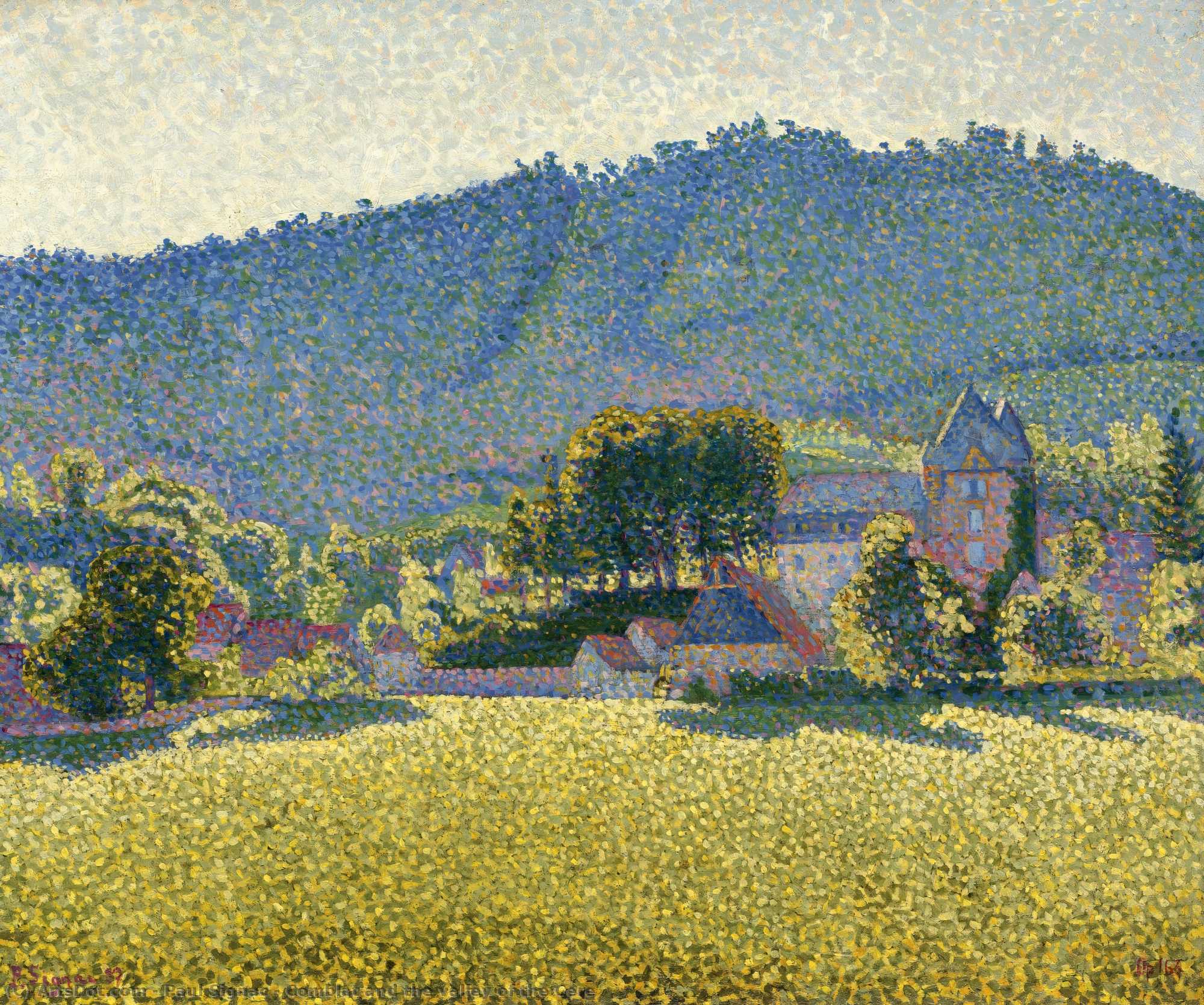
Comblat and the valley of the Cere


 Ver más
Adquiera una imagen digital de alta resolución y optimizada, muy superior a la vista previa en línea.
Cada archivo es preparado meticulosamente por nuestros especialistas internos mediante el uso de herramientas avanzadas y un experto retoque manual. Nos aseguramos de que cada imagen posea una claridad excepcional, una precisión cromática impecable y un detalle minucioso.
El archivo final se entrega por correo electrónico en un plazo de 72 horas, optimizado para su uso inmediato en entornos profesionales, editoriales y de impresión. Esta es la misma calidad en la que confían los estudios de diseño, las editoriales y las galerías de primer nivel.
Imagen Digital
Descarga un archivo de alta resolución para exhibición personal, impresión y proyectos creativos. ( Comprar impresión Comprar pintura hecha a mano)
Incluido en cada pedido de imágenes digitales
Entrega digital experta, garantizada.
Al elegir ArtsDot.com, no solo está adquiriendo una imagen; está recibiendo una obra de arte digital mejorada profesionalmente, elaborada con precisión y respaldada por una garantía de satisfacción. Esto es todo lo que incluye su pedido, automáticamente:

Entrega rápida por email
Recibirá su archivo de imagen digital en alta resolución por correo electrónico en un plazo de 72 horas tras realizar su pedido, listo para su uso inmediato.

Archivo digital optimizado por IA
Su obra de arte se optimiza profesionalmente mediante herramientas avanzadas de IA y edición manual, garantizando el máximo detalle, claridad y precisión cromática.

Reenvío gratuito de por vida
¿Has borrado o perdido tu archivo por error? No te preocupes: te lo volveremos a enviar en cualquier momento, sin coste adicional.

Sin gastos de importación, siempre
Disfrute de su obra de arte al instante sin aduanas, aranceles ni gastos de envío; las descargas digitales siempre están libres de impuestos.

Garantía de fidelidad de color
Garantizamos que su imagen digital refleje los colores originales con la mayor fidelidad posible, mediante el uso de herramientas profesionales y gestión del color.

Garantía de satisfacción de 60 días
Si no está satisfecho con su imagen digital, la revisaremos o le reembolsaremos el 100% en un plazo de 60 días, sin preguntas.

100% Garantía de devolución de dinero
¿No está satisfecho? Obtenga un reembolso completo dentro de los 60 días posteriores a la recepción de su archivo digital, sin necesidad de explicaciones.

Descuentos por pedidos grandes
Compra 3 imágenes, ahorra 10% - Compra 5, ahorra 15% - Compra 10+, ahorra 20%. Ideal para proyectos creativos, galerías y agencias.
Descripción del coleccionable
Paul Signac’s ‘Comblat and the Valley of the Cere’: A Symphony of Light and Color
Paul Signac's "Comblat and the Valley of the Cere" is more than just a depiction of a rural French landscape; it’s a meticulously constructed meditation on light, color, and the very principles of perception. Painted in 1889, this work exemplifies the artist’s pivotal role in the development of Neo-Impressionism, a movement that sought to revolutionize painting through scientific rigor and an intensely focused exploration of optical mixing. The scene unfolds with remarkable clarity – a charming village nestled within the embrace of the Cere Valley, its houses clustered around a central dwelling, all framed by the imposing presence of distant mountains. A solitary horse adds a touch of pastoral tranquility, suggesting a timeless connection between humanity and nature.
The Pointillist Technique: Decoding Signac’s Vision
- Optical Mixing: At the heart of "Comblat" lies Signac's signature technique – Pointillism. Rather than blending colors on a palette, he applied tiny, distinct dots of pure color directly onto the canvas. These individual points, when viewed from a distance, create an illusion of blended hues through optical mixing, a phenomenon meticulously studied by Signac and his contemporaries.
- Scientific Precision: This method wasn't simply a stylistic choice; it was rooted in scientific principles. Signac, influenced by Seurat’s research into color theory, believed that the human eye could more effectively perceive and synthesize colors when presented as individual points than when mixed conventionally.
- Texture and Depth: The deliberate application of these small dots creates a unique textural quality, adding to the painting's visual complexity and contributing significantly to its sense of depth and atmosphere.
Historical Context and Neo-Impressionism’s Influence
"Comblat" was created during a period of intense artistic experimentation in France. Following the Impressionists’ focus on capturing fleeting moments of light, Signac and Seurat sought to build upon this foundation with a more systematic approach. Neo-Impressionism emerged as a reaction against the perceived subjectivity of Impressionism, advocating for an objective study of color and its effects. This painting demonstrates the movement's commitment to scientific observation and precise execution, reflecting a desire to create art based on demonstrable principles rather than purely subjective impressions. The work’s subject matter – a quintessential French village scene – further aligns with the Neo-Impressionist interest in depicting familiar landscapes with heightened visual clarity.
Symbolism and Emotional Resonance
Beyond its technical brilliance, "Comblat" possesses a quiet emotional resonance. The serene depiction of rural life evokes a sense of peace and tranquility, inviting the viewer to contemplate the beauty of the natural world. The warm tones – predominantly ochres, reds, and yellows – contribute to this feeling of warmth and comfort, while the carefully rendered details—the texture of the houses, the dappled light filtering through the trees—add to the painting’s immersive quality. The inclusion of the horse subtly reinforces the theme of harmony between man and nature, a recurring motif in Signac's work.
A Timeless Masterpiece – Reproduction Options
ArtsDot offers meticulously crafted hand-painted reproductions of Paul Signac’s “Comblat and the Valley of the Cere,” ensuring that you experience the full impact of this remarkable artwork. Our skilled artisans employ traditional techniques to faithfully recreate Signac's Pointillist style, capturing every nuance of color and texture. Whether for your home or office, a reproduction of this iconic painting will undoubtedly become a focal point, adding a touch of artistic sophistication and intellectual depth to any space.
Obras relacionadas
Biografía del artista
Primeros años y formación
Paul victor jules signac, un pintor neoimpresionista francés, nació el 11 de noviembre de 1863 en París. Inicialmente, cursó estudios de arquitectura antes de decidirse a convertirse en pintor a los 18 años. Esta decisión fue influenciada por una exposición de la obra de Claude Monet.Estilo artístico e influencias
El estilo de Signac se caracterizó por el uso de pequeños puntos de color puro, que yuxtapuso para crear una sensación de profundidad y luz. Esta técnica, conocida como puntillismo, se desarrolló en colaboración con Georges Seurat. La obra de Signac también estuvo influenciada por sus viajes a lo largo de la costa europea, donde capturó la belleza de las ciudades portuarias en acuarelas.Obras notables y asociaciones
- Boulevard de Clichy (1886), una obra postimpresionista que muestra el meticuloso estilo de Signac.
- El boyero rojo, Saint-Tropez (1895), una vibrante pintura marina con un boi de color rojo anaranjado contra un fondo azul oscuro.
- Miembro fundador de la Société des Artistes Indépendants, que organizó exposiciones anuales que marcaron tendencias en el arte del siglo XX.
Legado e influencia
La obra de Signac tuvo un profundo impacto en el desarrollo del fauvismo, influyendo en artistas como Henri Matisse y André Derain. Como presidente de la Société des Artistes Indépendants, Signac apoyó a los artistas más jóvenes y expuso obras controvertidas de los fauves y los cubistas.- Explore más obras de Paul Signac en https://ArtsDot.com/@/paul-signac
- Descubra la técnica del puntillismo y su influencia en el neoimpresionismo en https://es.wikipedia.org/wiki/Puntillismo
Fechas clave
- 11 de noviembre de 1863: Nacimiento en París
- 1884: Co-fundación de la Société des Artistes Indépendants
- 15 de agosto de 1935: Fallecimiento a los 71 años
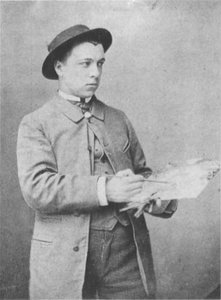
Paul Signac
1863 - 1935 , Francia
Breves datos
- Artistas Que Influyeron:
- Claude Monet
- Eugène Delacroix
- Georges Seurat
- Estilo Artístico: Neoimpresionismo, Puntillismo
- Fecha De Fallecimiento: 15 de agosto de 1935
- Fecha De Nacimiento: 11 de noviembre de 1863
- Influencia En Artistas:
- Henri Matisse
- André Derain
- Lugar De Nacimiento: París, Francia
- Nacionalidad: Francesa
- Nombre Completo: Paul Signac
- Obras Notables:
- Boulevard de Clichy (1886)
- El Pinar de Saint Tropez
- El Faro, Saint-Tropez

