 Ver en contexto
 Enviar
 Compartir
 Detalles

 Descargar
 Similares
 Radiografía
 Presentación de diapositivas
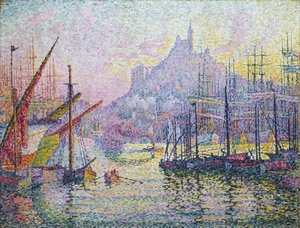
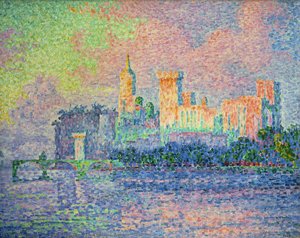
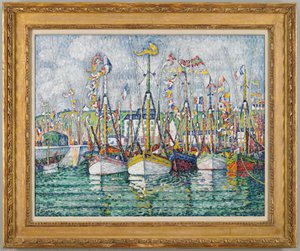
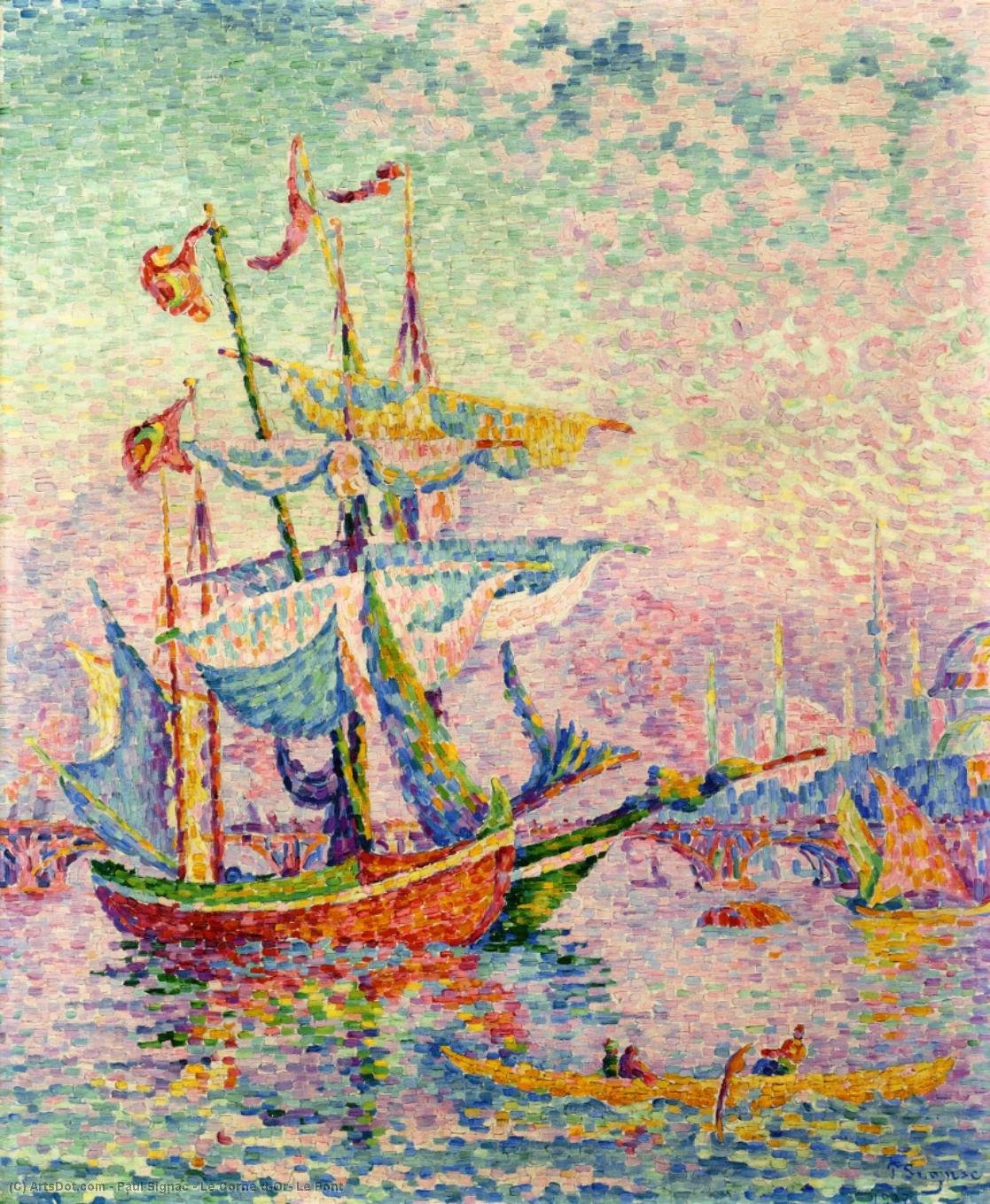
Le Corne d'Or, Le Pont
 Oil On Canvas
- WallArt
- Neo-Impressionism
 1907
1907- 19th Century
 81.0 x 65.0 cm
 Ver más
Giclée / Impresión de arte
Impresiones giclée o en lienzo de calidad de museo con producción rápida y opciones de acabado flexibles. ( Comprar pintura hecha a mano Comprar imagen)




P118B $10

P118H $10

P118W $10

P438Z $10

P508JH $12

P508YH $12

P805H $10

P805Z $10

P919BZ $10

P919G $10

P919XJ $10

P959ZH $10

P968JZ $12

W106C $8

W218G $10

W218JH $8

W218Y $10

W307PJ $10

W316G $10

W316PJ $8

W316Y $10

W398PJ $8

W4111J $10

W500HY $15

W500JH $15

W692G $12

W849H $8

W940BG $15

W953PJ $8




Elija entre nuestros tamaños predefinidos que respetan las proporciones originales de la obra.

Puede introducir sus propias dimensiones para adaptarse a un marco o espacio específico. Si el tamaño seleccionado no coincide con las proporciones de la imagen original, recortaremos la obra de arte o extenderemos la imagen con un borde con efecto espejo o de color sólido. Se enviará una maqueta digital para su aprobación antes de que comience la producción.
Tenga en cuenta que la vista previa en pantalla no refleja el recorte o la extensión real. Solo la maqueta mostrará con precisión la composición final.
Aunque existen tamaños personalizados, recomendamos seleccionar una dimensión de la lista predefinida para preservar las proporciones originales.
Envío a todo el mundo () en 2 semanas en lugar de las 4/5 semanas estándar. (6 septiembre)

Envío exprés gratuito a todo el mundo

Lienzo de lino de alta calidad

Seguro de envío total

Garantía de reembolso de impuestos aduaneros

Garantía de fidelidad cromática exacta

Política de devolución de 100 días (solo por defectos)

Garantía de devolución del 100% del dinero

Descuento por cantidad
 La opción de vidrio solo está disponible en tamaños inferiores a 110 cm.

Le Corne d'Or, Le Pont
Giclée / Impresión de arte
Dimensiones de la reproducción
-


Precio total final
$ 62
A Symphony of Dots: Exploring Paul Signac's Maritime Vision
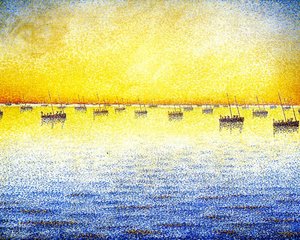
To stand before Paul Signac’s "Le Corne d'Or, Le Pont" is to step directly into the luminous heart of early twentieth-century French coastal life. This painting is not merely a depiction of a harbor; it is a meticulously orchestrated study in light, color, and human connection to the water. The scene bursts with an almost palpable energy, capturing the fleeting, vibrant moment where sky meets sea under a diffuse, ethereal glow. One can almost hear the gentle lapping of waves and the distant calls echoing across the painted expanse. It speaks to a time when artists were not content simply recording what they saw, but rather investigating how the eye itself perceived reality.
The Science and Poetry of Pointillism
Technically, this work is a masterful testament to Neo-Impressionism and the doctrine of Pointillism. Signac employed the technique with scientific rigor, applying countless small, distinct dots of pure color—dots that refuse to blend into muddy approximations but instead vibrate against one another. It is the viewer's eye, positioned at the perfect distance, that performs the alchemy, optically blending these individual specks of pigment into cohesive washes of pink, blue, and turquoise. This deliberate methodology elevates the painting from mere representation to a visual equation. The resulting texture is breathtakingly tactile; you sense the density of the paint, the sheer labor of placing each dot with intention, transforming the canvas surface into a shimmering tapestry of pure chromatic energy.
Navigating Color Theory and Light
The composition itself guides the eye through a complex interplay of maritime activity. Multiple vessels populate the foreground and recede into the background, their sails and hulls rendered in fragmented color patches. The sky dominates the upper register, a soft gradient of blush pinks bleeding into pale blues, which finds its perfect echo in the water below. Signac masterfully uses this reflection to unify the entire piece. Because the lines are implied rather than drawn—a hallmark of Pointillism—the focus shifts entirely from solid form to the ephemeral quality of light itself. It is a celebration of luminosity, suggesting an overcast day where the atmosphere diffuses color across every surface.
Symbolism and Emotional Resonance
Beyond its technical brilliance, "Le Corne d'Or, Le Pont" carries a deep emotional resonance. The subject matter—the harbor teeming with life—evokes themes of journey, leisure, and the enduring rhythm of coastal existence. It suggests a momentary pause in the grand sweep of travel, a place where human endeavor (the boats, the figures) meets the vast, indifferent beauty of nature. For the modern collector or designer, this piece offers more than just decoration; it offers an infusion of sophisticated calm, a visual anchor that speaks to both scientific order and romantic freedom.
Bringing the Harbor Home
Owning a reproduction of this work allows one to curate a corner of their space imbued with artistic theory and Mediterranean spirit. The vibrant yet controlled palette ensures that it serves as a stunning focal point, whether placed in a sun-drenched living area or an art-filled gallery nook. It invites contemplation, encouraging the viewer to slow down, look closely, and participate actively in the painting's magic—to allow their own vision to complete the symphony of dots.
Obras relacionadas
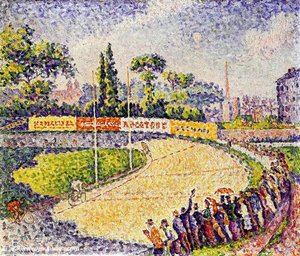
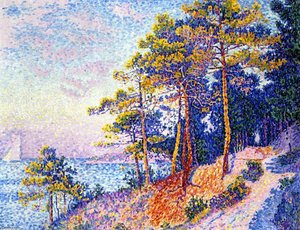
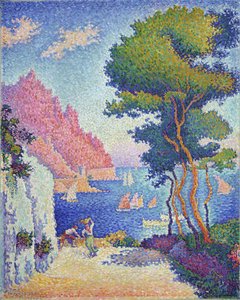
Biografía del artista
Primeros años y formación
Paul victor jules signac, un pintor neoimpresionista francés, nació el 11 de noviembre de 1863 en París. Inicialmente, cursó estudios de arquitectura antes de decidirse a convertirse en pintor a los 18 años. Esta decisión fue influenciada por una exposición de la obra de Claude Monet.Estilo artístico e influencias
El estilo de Signac se caracterizó por el uso de pequeños puntos de color puro, que yuxtapuso para crear una sensación de profundidad y luz. Esta técnica, conocida como puntillismo, se desarrolló en colaboración con Georges Seurat. La obra de Signac también estuvo influenciada por sus viajes a lo largo de la costa europea, donde capturó la belleza de las ciudades portuarias en acuarelas.Obras notables y asociaciones
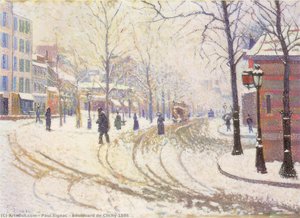
- Boulevard de Clichy (1886), una obra postimpresionista que muestra el meticuloso estilo de Signac.
- El boyero rojo, Saint-Tropez (1895), una vibrante pintura marina con un boi de color rojo anaranjado contra un fondo azul oscuro.
- Miembro fundador de la Société des Artistes Indépendants, que organizó exposiciones anuales que marcaron tendencias en el arte del siglo XX.
Legado e influencia
La obra de Signac tuvo un profundo impacto en el desarrollo del fauvismo, influyendo en artistas como Henri Matisse y André Derain. Como presidente de la Société des Artistes Indépendants, Signac apoyó a los artistas más jóvenes y expuso obras controvertidas de los fauves y los cubistas.- Explore más obras de Paul Signac en https://ArtsDot.com/@/paul-signac
- Descubra la técnica del puntillismo y su influencia en el neoimpresionismo en https://es.wikipedia.org/wiki/Puntillismo
Fechas clave
- 11 de noviembre de 1863: Nacimiento en París
- 1884: Co-fundación de la Société des Artistes Indépendants
- 15 de agosto de 1935: Fallecimiento a los 71 años
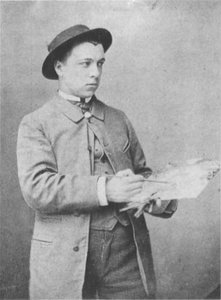
Paul Signac
1863 - 1935 , Francia
Datos clave
- Artistas Que Influyeron:
- Claude Monet
- Eugène Delacroix
- Georges Seurat
- Estilo Artístico: Neoimpresionismo, Puntillismo
- Fecha De Fallecimiento: 15 de agosto de 1935
- Fecha De Nacimiento: 11 de noviembre de 1863
- Influencia En Artistas:
- Henri Matisse
- André Derain
- Lugar De Nacimiento: París, Francia
- Nacionalidad: Francesa
- Nombre Completo: Paul Signac
- Obras Notables:
- Boulevard de Clichy (1886)
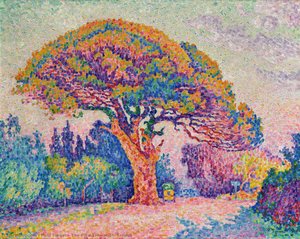
- El Pinar de Saint Tropez
- El Faro, Saint-Tropez
Artículos relacionados

Paul Cézanne: Las 25 Obras Maestras que Definieron el Arte Moderno | ArtsDot
Descubre las 25 obras maestras de Paul Cézanne que revolucionaron el arte moderno. Explora su técnica, inspiración y significado en paisajes, bodegones y retratos. Reproducciones de alta calidad para decorar tu hogar con arte inolvidable. ¡Explora la colección completa en ArtsDot.com!
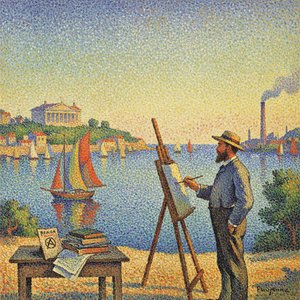
Paul Signac: Pointillism, Politics & the Pursuit of Harmony in Modern Art
Explore the life & art of Paul Signac, a key figure in Neo-Impressionism. Discover his Pointillist technique, anarchist beliefs, and stunning coastal scenes. Learn about his influence on modern art history.
Paul Klee: Las 25 Obras Maestras que Definen un Genio del Arte Moderno | ArtsDot
Descubre las 25 obras maestras de Paul Klee, el genio del arte moderno. Explora su expresionismo único, composiciones abstractas y vibrantes paletas de colores. Reproducciones de alta calidad y decoración con arte en ArtsDot.com.
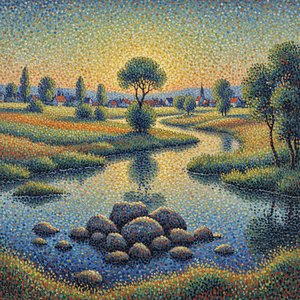
Islas Cromáticas: Explorando la Teoría y el Legado del Puntillismo en el Arte del Siglo XIX
Descubre el puntillismo: su origen, técnica innovadora y los artistas clave como Seurat y Signac. Explora la ciencia del color y su legado en la historia del arte. ¡Un análisis profundo y fascinante!

Impresionismo: 10 Obras Maestras que Capturan la Luz y el Momento
Descubre 10 obras maestras del impresionismo de Monet, Renoir y Degas. Explora la luz, el color y las historias detrás de estos icónicos cuadros. Reproducciones de arte en ArtsDot.com para decorar tu hogar con estilo.