 Ver en contexto
 Enviar
 Compartir
 Detalles

 Descargar
 Similares
 Radiografía
 Presentación de diapositivas
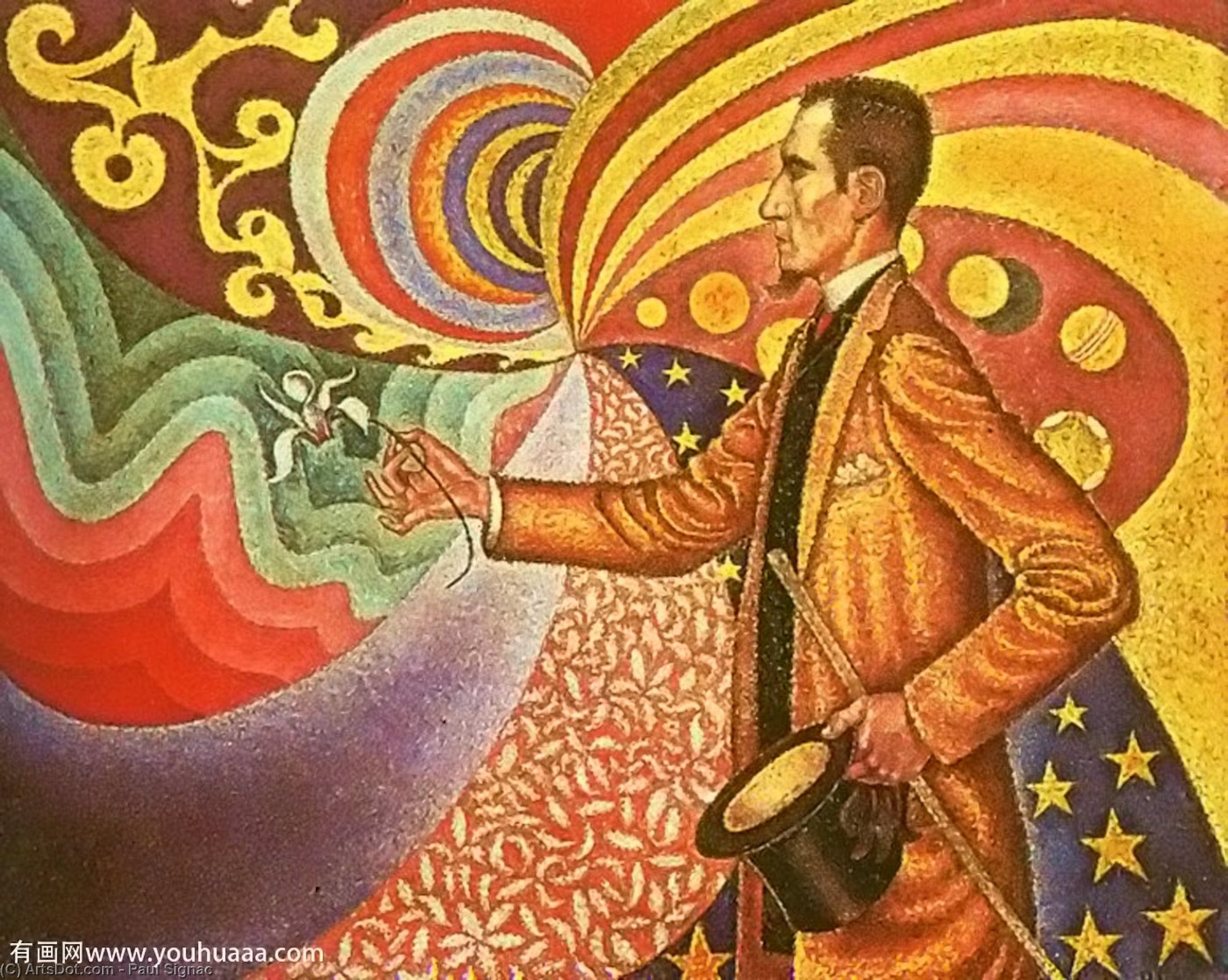
Portrait of Felix Feneon
 Oil On Canvas
- WallArt
- Neo-Impressionist Pointillism
 1890
1890- 19th Century
 92.0 x 73.0 cm
 Ver más
Giclée / Impresión de arte
Impresiones giclée o en lienzo de calidad de museo con producción rápida y opciones de acabado flexibles. ( Comprar pintura hecha a mano Comprar imagen)




P118B $10

P118H $10

P118W $10

P438Z $10

P508JH $12

P508YH $12

P805H $10

P805Z $10

P919BZ $10

P919G $10

P919XJ $10

P959ZH $10

P968JZ $12

W106C $8

W218G $10

W218JH $8

W218Y $10

W307PJ $10

W316G $10

W316PJ $8

W316Y $10

W398PJ $8

W4111J $10

W500HY $15

W500JH $15

W692G $12

W849H $8

W940BG $15

W953PJ $8




Elija entre nuestros tamaños predefinidos que respetan las proporciones originales de la obra.

Puede introducir sus propias dimensiones para adaptarse a un marco o espacio específico. Si el tamaño seleccionado no coincide con las proporciones de la imagen original, recortaremos la obra de arte o extenderemos la imagen con un borde con efecto espejo o de color sólido. Se enviará una maqueta digital para su aprobación antes de que comience la producción.
Tenga en cuenta que la vista previa en pantalla no refleja el recorte o la extensión real. Solo la maqueta mostrará con precisión la composición final.
Aunque existen tamaños personalizados, recomendamos seleccionar una dimensión de la lista predefinida para preservar las proporciones originales.
Envío a todo el mundo () en 2 semanas en lugar de las 4/5 semanas estándar. (3 septiembre)

Envío exprés gratuito a todo el mundo

Lienzo de lino de alta calidad

Seguro de envío total

Garantía de reembolso de impuestos aduaneros

Garantía de fidelidad cromática exacta

Política de devolución de 60 días (solo por defectos)

Garantía de devolución del 100% del dinero

Descuento por cantidad
 La opción de vidrio solo está disponible en tamaños inferiores a 110 cm.

Portrait of Felix Feneon
Giclée / Impresión de arte
Dimensiones de la reproducción
-


Precio total final
$ 62
A Portrait of Measured Brilliance: Paul Signac's *Portrait of Felix Feneon*
Paul Signac’s 1890 painting, *Portrait of Felix Feneon*, is more than a simple likeness; it’s a meticulously constructed exploration of light, color, and the burgeoning scientific approach to art that defined his pivotal role in Neo-Impressionism. Measuring 92 x 73 cm, this intimate portrait captures the essence of Felix Feneon with a precision born from Signac's revolutionary technique – Pointillism. The subject, a gentleman impeccably dressed in a dark suit and top hat, embodies the confidence and social standing of late nineteenth-century Paris, while simultaneously serving as a canvas for Signac’s groundbreaking artistic innovations.
The Science of Color: Pointillist Technique
- Pointillism Explained: At its core, Pointillism is a technique where small, distinct dots of pure color are applied in patterns to form an image. Unlike traditional blending methods, Signac believed that the eye would optically mix these colors when viewed from a distance, creating a vibrant and luminous effect.
- Signac’s Method: In *Portrait of Felix Feneon*, Signac meticulously employed this method, layering countless tiny dots – predominantly blues, greens, and yellows – to build up the tones and textures of the subject's clothing, the background landscape, and even the subtle nuances of Feneon’s face.
- Optical Mixing: The brilliance of Pointillism lies in its ability to mimic the way our eyes perceive color. This creates a shimmering, almost vibrating quality that is particularly evident when the painting is viewed up close.
A Symphony of Color and Symbolism
The background of *Portrait of Felix Feneon* is anything but a mere backdrop; it’s a carefully orchestrated visual element brimming with symbolic resonance. A vibrant scene, possibly depicting a circus or an event involving birds – as suggested by the numerous scattered figures – introduces an element of spectacle and perhaps even a touch of the fantastical. The inclusion of a clock on the wall adds a layer of temporal awareness, subtly hinting at the passage of time and the fleeting nature of beauty. The birds themselves are significant; often associated with freedom, spirituality, and communication in art history, they elevate the portrait beyond a simple representation of a man to a contemplation of broader themes.
Historical Context and Artistic Influence
Created in 1890, *Portrait of Felix Feneon* represents a crucial moment in Signac’s artistic development. Following his collaboration with Georges Seurat, the founder of Pointillism, Signac refined and expanded upon this technique, solidifying its place as a major movement within modern art. This painting exemplifies the Harmonious Vision that characterized Signac's work – a belief that through scientific observation and careful color manipulation, artists could capture the true essence of light and perception. Signac’s influence extended far beyond Pointillism; he championed a new approach to artistic education, advocating for the study of optics and color theory as essential components of an artist’s training.
Emotional Impact and Collector's Value
*Portrait of Felix Feneon* is not just a beautiful painting; it’s a testament to Signac’s intellectual rigor and artistic vision. The shimmering quality of the Pointillist technique, combined with the vibrant colors and symbolic richness of the composition, creates a captivating visual experience. A hand-painted reproduction offers an unparalleled opportunity to bring this masterpiece into your home or office, adding a touch of sophisticated elegance and historical significance to any space. Its rarity and Signac’s importance in art history further enhance its value as a desirable acquisition for discerning collectors.
Obras relacionadas
Biografía del artista
Primeros años y formación
Paul victor jules signac, un pintor neoimpresionista francés, nació el 11 de noviembre de 1863 en París. Inicialmente, cursó estudios de arquitectura antes de decidirse a convertirse en pintor a los 18 años. Esta decisión fue influenciada por una exposición de la obra de Claude Monet.Estilo artístico e influencias
El estilo de Signac se caracterizó por el uso de pequeños puntos de color puro, que yuxtapuso para crear una sensación de profundidad y luz. Esta técnica, conocida como puntillismo, se desarrolló en colaboración con Georges Seurat. La obra de Signac también estuvo influenciada por sus viajes a lo largo de la costa europea, donde capturó la belleza de las ciudades portuarias en acuarelas.Obras notables y asociaciones
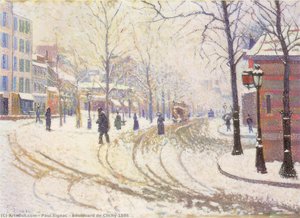
- Boulevard de Clichy (1886), una obra postimpresionista que muestra el meticuloso estilo de Signac.
- El boyero rojo, Saint-Tropez (1895), una vibrante pintura marina con un boi de color rojo anaranjado contra un fondo azul oscuro.
- Miembro fundador de la Société des Artistes Indépendants, que organizó exposiciones anuales que marcaron tendencias en el arte del siglo XX.
Legado e influencia
La obra de Signac tuvo un profundo impacto en el desarrollo del fauvismo, influyendo en artistas como Henri Matisse y André Derain. Como presidente de la Société des Artistes Indépendants, Signac apoyó a los artistas más jóvenes y expuso obras controvertidas de los fauves y los cubistas.- Explore más obras de Paul Signac en https://ArtsDot.com/@/paul-signac
- Descubra la técnica del puntillismo y su influencia en el neoimpresionismo en https://es.wikipedia.org/wiki/Puntillismo
Fechas clave
- 11 de noviembre de 1863: Nacimiento en París
- 1884: Co-fundación de la Société des Artistes Indépendants
- 15 de agosto de 1935: Fallecimiento a los 71 años
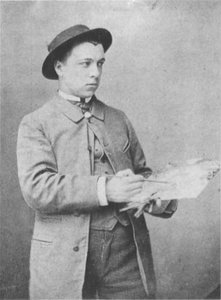
Paul Signac
1863 - 1935 , Francia
Datos clave
- Artistas Que Influyeron:
- Claude Monet
- Eugène Delacroix
- Georges Seurat
- Estilo Artístico: Neoimpresionismo, Puntillismo
- Fecha De Fallecimiento: 15 de agosto de 1935
- Fecha De Nacimiento: 11 de noviembre de 1863
- Influencia En Artistas:
- Henri Matisse
- André Derain
- Lugar De Nacimiento: París, Francia
- Nacionalidad: Francesa
- Nombre Completo: Paul Signac
- Obras Notables:
- Boulevard de Clichy (1886)
- El Pinar de Saint Tropez
- El Faro, Saint-Tropez
Artículos relacionados
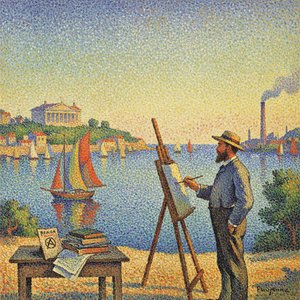
Paul Signac: Pointillism, Politics & the Pursuit of Harmony in Modern Art
Explore the life & art of Paul Signac, a key figure in Neo-Impressionism. Discover his Pointillist technique, anarchist beliefs, and stunning coastal scenes. Learn about his influence on modern art history.
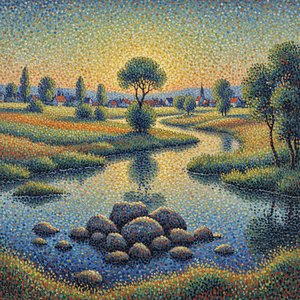
Islas Cromáticas: Explorando la Teoría y el Legado del Puntillismo en el Arte del Siglo XIX
Descubre el puntillismo: su origen, técnica innovadora y los artistas clave como Seurat y Signac. Explora la ciencia del color y su legado en la historia del arte. ¡Un análisis profundo y fascinante!
Feathered Visions: A Historical & Artistic Exploration of Birds in Painting
Explore the rich history of birds in painting! Discover symbolism, artistic movements & master artists like Audubon. High-quality reproductions available at ArtsDot.
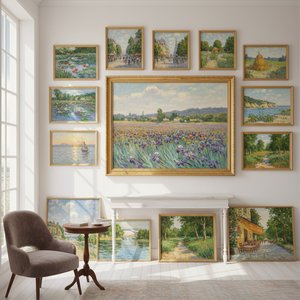
Los 10 Maestros del Paisaje Impresionista: Obras que Cambiaron la Historia del Arte
Descubre los 10 lienzos impresionistas que revolucionaron el arte. Explora la historia de Monet, Van Gogh y Renoir, sus técnicas y colores vibrantes. Encuentra reproducciones de alta calidad para decorar tu hogar en ArtsDot.com
Impressionistic Realism's Finest: 10 Masterpieces for Your Home | ArtsDot
Journey through Impressionistic Realism with 10 iconic masterpieces by Monet, Renoir & Van Gogh. Explore art history, techniques & find museum-quality reproductions for your home at ArtsDot.com. Discover all masterpieces online!