 Ver en contexto
 Enviar
 Compartir
 Detalles

 Descargar
 Similares
 Radiografía
 Presentación de diapositivas
 Estadísticas
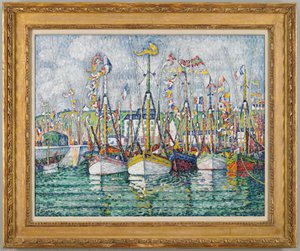
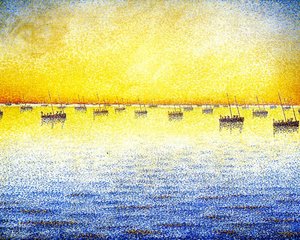
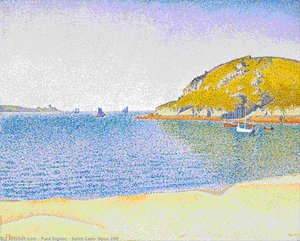
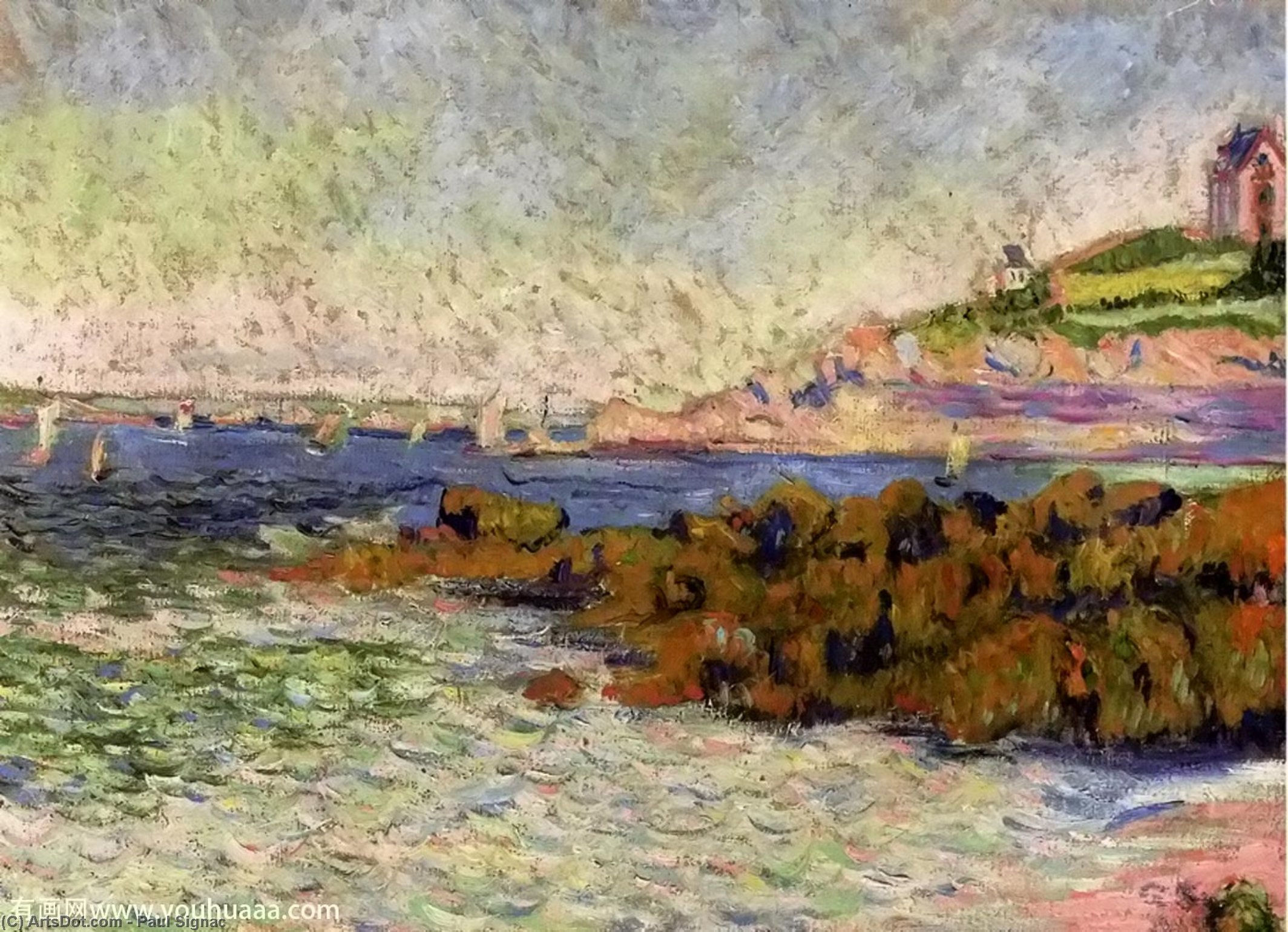
Saint Briac, the marker Le Cheval
 Oil On Canvas
- WallArt
- Neo-Impressionism
 1885
1885- 19th Century
 33.0 x 45.0 cm
 Ver más
Reproducción al óleo hecha a mano
Óleo sobre lienzo pintado a mano en el tamaño y marco de su elección, realizado por encargo por nuestros artistas. ( Cambiar a Impresión Cambiar a imagen digital)




P118B $10

P118H $10

P118W $10

P438Z $10

P508JH $12

P508YH $12

P805H $10

P805Z $10

P919BZ $10

P919G $10

P919XJ $10

P959ZH $10

P968JZ $12

W106C $8

W218G $10

W218JH $8

W218Y $10

W307PJ $10

W316G $10

W316PJ $8

W316Y $10

W398PJ $8

W4111J $10

W500HY $15

W500JH $15

W692G $12

W849H $8

W940BG $15

W953PJ $8




Elija entre nuestros tamaños predefinidos que respetan las proporciones originales de la obra.

Puede ingresar sus propias dimensiones para adaptarse a un marco o espacio específico. Si el tamaño seleccionado no coincide con las proporciones de la imagen original, recortaremos la obra o extenderemos la pintura con elementos adicionales pintados a mano. Se le enviará una maqueta digital para su aprobación antes de comenzar la producción.
Tenga en cuenta que la vista previa en pantalla no refleja el recorte o la extensión reales. Solo la maqueta mostrará con precisión la composición final.
Si bien existen tamaños personalizados, recomendamos seleccionar una dimensión de la lista predefinida para preservar las proporciones originales.
Tras realizar el pedido, el equipo de ArtsDot.com enviará un correo electrónico al cliente para solicitar instrucciones y proporcionarle una vista previa del boceto.
Envío a todo el mundo () en 3-4 semanas en lugar de las 5 semanas estándar. (9 septiembre). Sin comprometer la calidad.

Envío exprés gratuito a todo el mundo

Lienzo de lino de alta calidad

Seguro de envío total

Garantía de reembolso de impuestos aduaneros

Garantía de fidelidad cromática exacta

Política de devolución de 100 días (solo por defectos)

Garantía de devolución del 100% del dinero

Descuento por cantidad
 La opción de vidrio solo está disponible en tamaños inferiores a 110 cm.

Saint Briac, the marker Le Cheval
Técnica de reproducción
Dimensiones de la reproducción
-


Precio total final
$ 263
A Symphony of Light and Sea
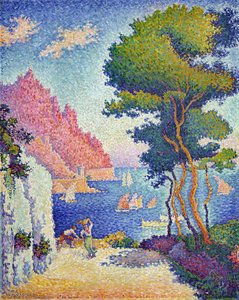
In the delicate dance between land and sea, Paul Signac’s Saint Briac, the marker Le Cheval emerges as a breathtaking testament to the serenity of the French coastline. Painted in 1885, this masterpiece captures a moment of profound tranquility where the rhythmic movement of the tides meets the quiet leisure of maritime life. The scene unfolds across a shimmering expanse of water, dotted with sailboats that appear to float effortlessly upon a mosaic of light. As the eye wanders from the gentle shoreline toward the distant horizon, one encounters a picturesque coastal landscape where a solitary house stands as a silent witness to the passing hours. It is more than a mere depiction of a harbor; it is an invitation to experience the breathless stillness of a summer afternoon by the sea.
The technical brilliance of this work lies in Signac’s early mastery of color and his transition toward the revolutionary principles of Neo-Impressionism. While the piece retains the atmospheric charm of Impressionism, one can sense the burgeoning scientific rigor that would later define his career. Through a meticulous application of color, Signac orchestrates a visual harmony that mimics the way light vibrates upon the water's surface. The boats are not merely shapes, but vessels of light, their sails catching the sun in a way that suggests movement and life. For the discerning collector or interior designer, this painting offers a sophisticated interplay of texture and tone, making it an ideal centerpiece for spaces that crave a sense of calm, elegance, and historical depth.
The Poetics of Pointillism and Coastal Life
To gaze upon this work is to understand the soul of Paul Signac. As a pioneer who worked alongside Georges Seurat, Signac sought to systematize the ephemeral beauty of nature through the science of perception. In Saint Briac, we see the seeds of Pointillism—the intentional use of distinct color elements that blend optically within the viewer's eye. This technique imbues the coastal scene with a luminous quality, as if the painting itself is breathing. The subtle shifts in blue, turquoise, and soft ochre create a sense of depth that pulls the observer into the maritime atmosphere, evoking the salt spray and the gentle creak of wooden masts.
Beyond its technical prowess, the painting carries a profound emotional resonance. It captures a lost era of slow living, where the rhythm of life was dictated by the wind and the tides. The presence of figures on the boats adds a human element of quiet joy, suggesting a harmonious coexistence between humanity and the natural world. For those looking to adorn a home or gallery with a high-quality reproduction, this artwork serves as a window into a tranquil past. It brings not only the aesthetic prestige of a French master into a room but also an enduring sense of peace, making it a timeless choice for any curated collection.
Obras relacionadas

Biografía del artista
Primeros años y formación
Paul victor jules signac, un pintor neoimpresionista francés, nació el 11 de noviembre de 1863 en París. Inicialmente, cursó estudios de arquitectura antes de decidirse a convertirse en pintor a los 18 años. Esta decisión fue influenciada por una exposición de la obra de Claude Monet.Estilo artístico e influencias
El estilo de Signac se caracterizó por el uso de pequeños puntos de color puro, que yuxtapuso para crear una sensación de profundidad y luz. Esta técnica, conocida como puntillismo, se desarrolló en colaboración con Georges Seurat. La obra de Signac también estuvo influenciada por sus viajes a lo largo de la costa europea, donde capturó la belleza de las ciudades portuarias en acuarelas.Obras notables y asociaciones
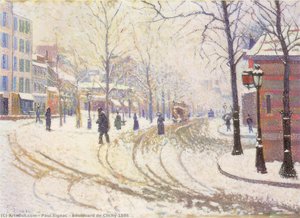
- Boulevard de Clichy (1886), una obra postimpresionista que muestra el meticuloso estilo de Signac.
- El boyero rojo, Saint-Tropez (1895), una vibrante pintura marina con un boi de color rojo anaranjado contra un fondo azul oscuro.
- Miembro fundador de la Société des Artistes Indépendants, que organizó exposiciones anuales que marcaron tendencias en el arte del siglo XX.
Legado e influencia
La obra de Signac tuvo un profundo impacto en el desarrollo del fauvismo, influyendo en artistas como Henri Matisse y André Derain. Como presidente de la Société des Artistes Indépendants, Signac apoyó a los artistas más jóvenes y expuso obras controvertidas de los fauves y los cubistas.- Explore más obras de Paul Signac en https://ArtsDot.com/@/paul-signac
- Descubra la técnica del puntillismo y su influencia en el neoimpresionismo en https://es.wikipedia.org/wiki/Puntillismo
Fechas clave
- 11 de noviembre de 1863: Nacimiento en París
- 1884: Co-fundación de la Société des Artistes Indépendants
- 15 de agosto de 1935: Fallecimiento a los 71 años
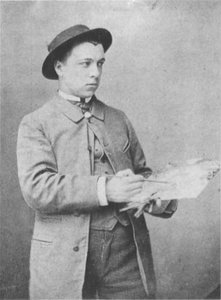
Paul Signac
1863 - 1935 , Francia
Datos clave
- Artistas Que Influyeron:
- Claude Monet
- Eugène Delacroix
- Georges Seurat
- Estilo Artístico: Neoimpresionismo, Puntillismo
- Fecha De Fallecimiento: 15 de agosto de 1935
- Fecha De Nacimiento: 11 de noviembre de 1863
- Influencia En Artistas:
- Henri Matisse
- André Derain
- Lugar De Nacimiento: París, Francia
- Nacionalidad: Francesa
- Nombre Completo: Paul Signac
- Obras Notables:
- Boulevard de Clichy (1886)
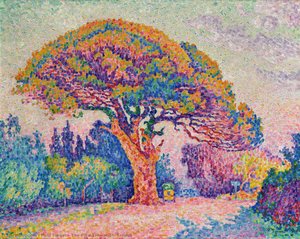
- El Pinar de Saint Tropez
- El Faro, Saint-Tropez
Artículos relacionados
The Allure of the Horizon: A Comprehensive Exploration of Seascape Art Through History & Emotion
Explore the captivating world of seascape art! Discover its history, key artists & movements – from Dutch Masters to Impressionism. Expert insights for collectors and enthusiasts at ArtsDot.
Paul Signac: Pointillism, Politics & the Pursuit of Harmony in Modern Art
Explore the life & art of Paul Signac, a key figure in Neo-Impressionism. Discover his Pointillist technique, anarchist beliefs, and stunning coastal scenes. Learn about his influence on modern art history.
Barcos en el Arte: 10 Obras Maestras para Inspirar tu Decoración
Descubre 10 obras maestras que capturan la belleza y el simbolismo de los barcos. Desde Monet hasta Van Gogh, explora la historia del arte marítimo e inspira tu decoración con reproducciones de museo en ArtsDot.com.
Islas Cromáticas: Explorando la Teoría y el Legado del Puntillismo en el Arte del Siglo XIX
Descubre el puntillismo: su origen, técnica innovadora y los artistas clave como Seurat y Signac. Explora la ciencia del color y su legado en la historia del arte. ¡Un análisis profundo y fascinante!
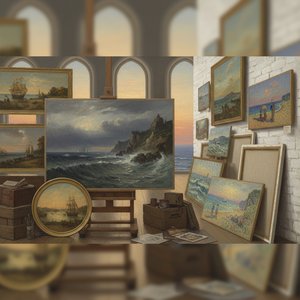
Evoking the Horizon: A Historical & Artistic Exploration of Coastal Scenes in Painting
Explore the rich history of coastal scenes in painting! Discover Impressionist masterpieces, American realism & contemporary visions. Learn about renowned artists and find your perfect seascape at ArtsDot.