

 Ver en contexto
 Enviar
 Compartir
 Detalles

 Descargar
 Similares
 Radiografía
 Presentación de diapositivas
 Stats
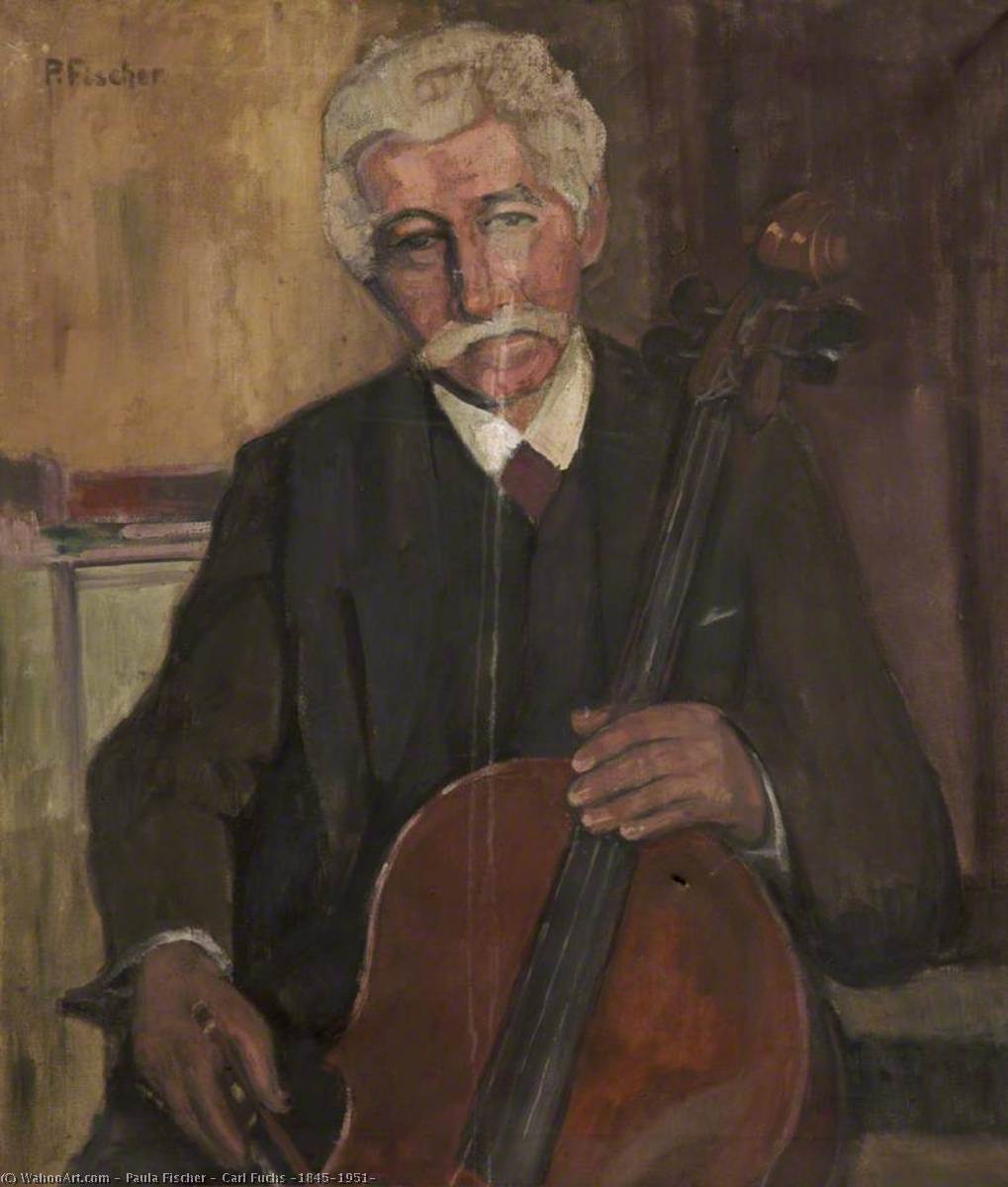
StatsCarl Fuchs (1845–1951)
 Other
Other 78.0 x 68.0 cm
 Royal Northern College of Music
 Ver más
Adquiera una imagen digital de alta resolución y optimizada, muy superior a la vista previa en línea.
Cada archivo es preparado meticulosamente por nuestros especialistas internos mediante el uso de herramientas avanzadas y un experto retoque manual. Nos aseguramos de que cada imagen posea una claridad excepcional, una precisión cromática impecable y un detalle minucioso.
El archivo final se entrega por correo electrónico en un plazo de 72 horas, optimizado para su uso inmediato en entornos profesionales, editoriales y de impresión. Esta es la misma calidad en la que confían los estudios de diseño, las editoriales y las galerías de primer nivel.
Imagen Digital
Descarga un archivo de alta resolución para exhibición personal, impresión y proyectos creativos. ( Switch to Print Comprar pintura hecha a mano)
Incluido en cada pedido de imágenes digitales
Entrega digital experta, garantizada.
Al elegir ArtsDot.com, no solo está adquiriendo una imagen; está recibiendo una obra de arte digital mejorada profesionalmente, elaborada con precisión y respaldada por una garantía de satisfacción. Esto es todo lo que incluye su pedido, automáticamente:

Entrega rápida por email
Recibirá su archivo de imagen digital en alta resolución por correo electrónico en un plazo de 72 horas tras realizar su pedido, listo para su uso inmediato.

Archivo digital optimizado por IA
Su obra de arte se optimiza profesionalmente mediante herramientas avanzadas de IA y edición manual, garantizando el máximo detalle, claridad y precisión cromática.

Reenvío gratuito de por vida
¿Has borrado o perdido tu archivo por error? No te preocupes: te lo volveremos a enviar en cualquier momento, sin coste adicional.

Sin gastos de importación, siempre
Disfrute de su obra de arte al instante sin aduanas, aranceles ni gastos de envío; las descargas digitales siempre están libres de impuestos.

Garantía de fidelidad de color
Garantizamos que su imagen digital refleje los colores originales con la mayor fidelidad posible, mediante el uso de herramientas profesionales y gestión del color.

Garantía de satisfacción de 100 días
Si no está satisfecho con su imagen digital, la revisaremos o le reembolsaremos el 100% en un plazo de 100 días, sin preguntas.

100% Garantía de devolución de dinero
¿No está satisfecho? Obtenga un reembolso completo dentro de los 100 días posteriores a la recepción de su archivo digital, sin preguntas.

Descuentos por pedidos grandes
Compra 3 imágenes, ahorra 10% - Compra 5, ahorra 15% - Compra 10+, ahorra 20%. Ideal para proyectos creativos, galerías y agencias.
Obras relacionadas
Biografía del artista
A Pioneer of German Expressionism: The Life and Art of Paula Fischer
Paula Fischer, born Paula Modersohn-Becker in 1873, stands as a pivotal figure in the early development of modern art, specifically within the burgeoning Expressionist movement. Her story is one of remarkable artistic courage – a woman defying societal expectations to pursue her passion with unwavering dedication. Born into a relatively prosperous family in Bremen, Germany, Paula’s initial path seemed predetermined: marriage and motherhood. However, a deep-seated yearning for creative expression led her to study painting privately, initially under Bernhard Rode, then at art schools in Bremen and Worpswede, an artists' colony that would profoundly shape her artistic journey. It was within the bohemian atmosphere of Worpswede that she encountered fellow artists like Otto Modersohn, whom she married in 1895, and Heinrich Vogeler, figures who both supported and challenged her evolving style. Her early works reflect a blend of Realism and Impressionism, depicting rural scenes and portraits with a focus on capturing the essence of everyday life. But even within these initial explorations, a distinct emotional intensity began to emerge, hinting at the powerful artistic voice that would soon define her oeuvre.The Search for Inner Truth: Artistic Development and Style
Fischer’s artistic development was marked by a relentless pursuit of inner truth and a rejection of conventional representation. Dissatisfied with merely depicting outward appearances, she embarked on a path of simplification and abstraction, seeking to convey the emotional weight and psychological depth of her subjects. This quest led her to explore various influences, including primitive art – particularly African sculptures which she encountered in Bremen’s ethnographic museum – and the work of Vincent van Gogh, whose expressive use of color and brushwork resonated deeply with her own artistic sensibilities. Her self-portraits, a recurring motif throughout her career, are particularly revealing. They aren't simply likenesses; they are profound explorations of identity, vulnerability, and the complexities of the female experience. She deliberately distorted features, elongated forms, and employed bold color palettes to convey not just *how* she looked, but *how she felt*. This willingness to prioritize emotional honesty over realistic depiction was groundbreaking for her time. Her landscapes also underwent a transformation, becoming increasingly stylized and imbued with symbolic meaning. Trees, fields, and coastal scenes were no longer merely representations of nature; they served as vehicles for expressing her inner landscape – feelings of isolation, longing, and connection to the natural world.Major Themes and Achievements: Motherhood, Identity, and the Rural World
Several key themes dominate Fischer’s artistic output. Motherhood, experienced both physically and emotionally, became a central subject in her work. Paintings like “Mother with Child” (1907) are not idealized depictions of maternal bliss; they portray the raw physicality, exhaustion, and profound emotional connection inherent in motherhood. She challenged traditional representations of women, moving beyond passive subjects to depict them as complex individuals grappling with their own desires, anxieties, and identities. Her portraits of peasant women, often rendered with a monumental scale and stark simplicity, elevate these figures to iconic status, imbuing them with dignity and strength. The rural world surrounding Worpswede also played a significant role in her art. She captured the beauty and harshness of the landscape, but more importantly, she used it as a metaphor for the human condition – a reflection of life’s cycles, struggles, and enduring spirit. Despite facing numerous obstacles – societal constraints, financial difficulties, and critical indifference during her lifetime – Fischer produced an astonishing body of work comprising over 700 paintings, drawings, and prints. Her dedication to her art, even in the face of adversity, is a testament to her unwavering belief in its power.Historical Significance and Legacy
Paula Fischer’s impact on the development of modern art cannot be overstated. Though largely unrecognized during her lifetime – she died tragically young at the age of 49 in 1907, shortly after giving birth to her daughter – her work has since been hailed as a precursor to Expressionism and a significant contribution to feminist art history. Her bold experimentation with form, color, and subject matter paved the way for future generations of artists who sought to break free from traditional conventions. She challenged the male-dominated art world by asserting her own unique artistic vision and exploring themes that were often considered taboo or inappropriate for women at the time. Today, her paintings are held in major museums around the world, including those in Bremen and Lisbon, and she is recognized as one of the most important German artists of the early 20th century. Her legacy extends beyond her artistic achievements; it lies in her courage to be true to herself, to embrace vulnerability, and to use art as a means of exploring the complexities of human existence. She remains an inspiration for artists seeking to find their own voice and challenge the status quo.
paula fischer
1873 - 1950