 Ver en contexto
 Enviar
 Compartir
 Detalles

 Descargar
 Similares
 Radiografía
 Presentación de diapositivas
 Stats
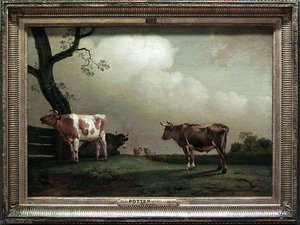
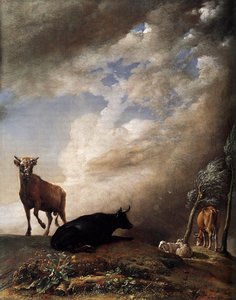
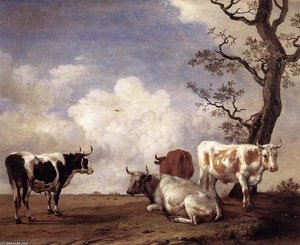
StatsLandscape with Two Cows and a Goat
 Acrylic On Canvas
- WallArt
- Romantic Landscape
 1652
1652- Early Modern
 31.0 x 35.0 cm
 Museo del Prado
 Ver más
Reproducción al óleo hecha a mano
Óleo sobre lienzo pintado a mano en el tamaño y marco de su elección, realizado por encargo por nuestros artistas. ( Switch to Print Switch to Digital Image)




P118B $10

P118H $10

P118W $10

P438Z $10

P508JH $12

P508YH $12

P805H $10

P805Z $10

P919BZ $10

P919G $10

P919XJ $10

P959ZH $10

P968JZ $12

W106C $8

W218G $10

W218JH $8

W218Y $10

W307PJ $10

W316G $10

W316PJ $8

W316Y $10

W398PJ $8

W4111J $10

W500HY $15

W500JH $15

W692G $12

W849H $8

W940BG $15

W953PJ $8




Elija entre nuestros tamaños predefinidos que respetan las proporciones originales de la obra.

Puede ingresar sus propias dimensiones para adaptarse a un marco o espacio específico. Si el tamaño seleccionado no coincide con las proporciones de la imagen original, recortaremos la obra o extenderemos la pintura con elementos adicionales pintados a mano. Se le enviará una maqueta digital para su aprobación antes de comenzar la producción.
Tenga en cuenta que la vista previa en pantalla no refleja el recorte o la extensión reales. Solo la maqueta mostrará con precisión la composición final.
Si bien existen tamaños personalizados, recomendamos seleccionar una dimensión de la lista predefinida para preservar las proporciones originales.
Tras realizar el pedido, el equipo de ArtsDot.com enviará un correo electrónico al cliente para solicitar instrucciones y proporcionarle una vista previa del boceto.
Envío a todo el mundo () en 3-4 semanas en lugar de las 5 semanas estándar. (8 septiembre). Sin comprometer la calidad.

Envío exprés gratuito a todo el mundo

Lienzo de lino de alta calidad

Seguro de envío total

Garantía de reembolso de impuestos aduaneros

Garantía de fidelidad cromática exacta

Política de devolución de 100 días (solo por defectos)

Garantía de devolución del 100% del dinero

Descuento por cantidad
 La opción de vidrio solo está disponible en tamaños inferiores a 110 cm.

Landscape with Two Cows and a Goat
Técnica de reproducción
Dimensiones de la reproducción
-


Precio total final
$ 263
A Window Into Dutch Pastoralism: Paulus Potter’s “Landscape with Two Cows and a Goat”
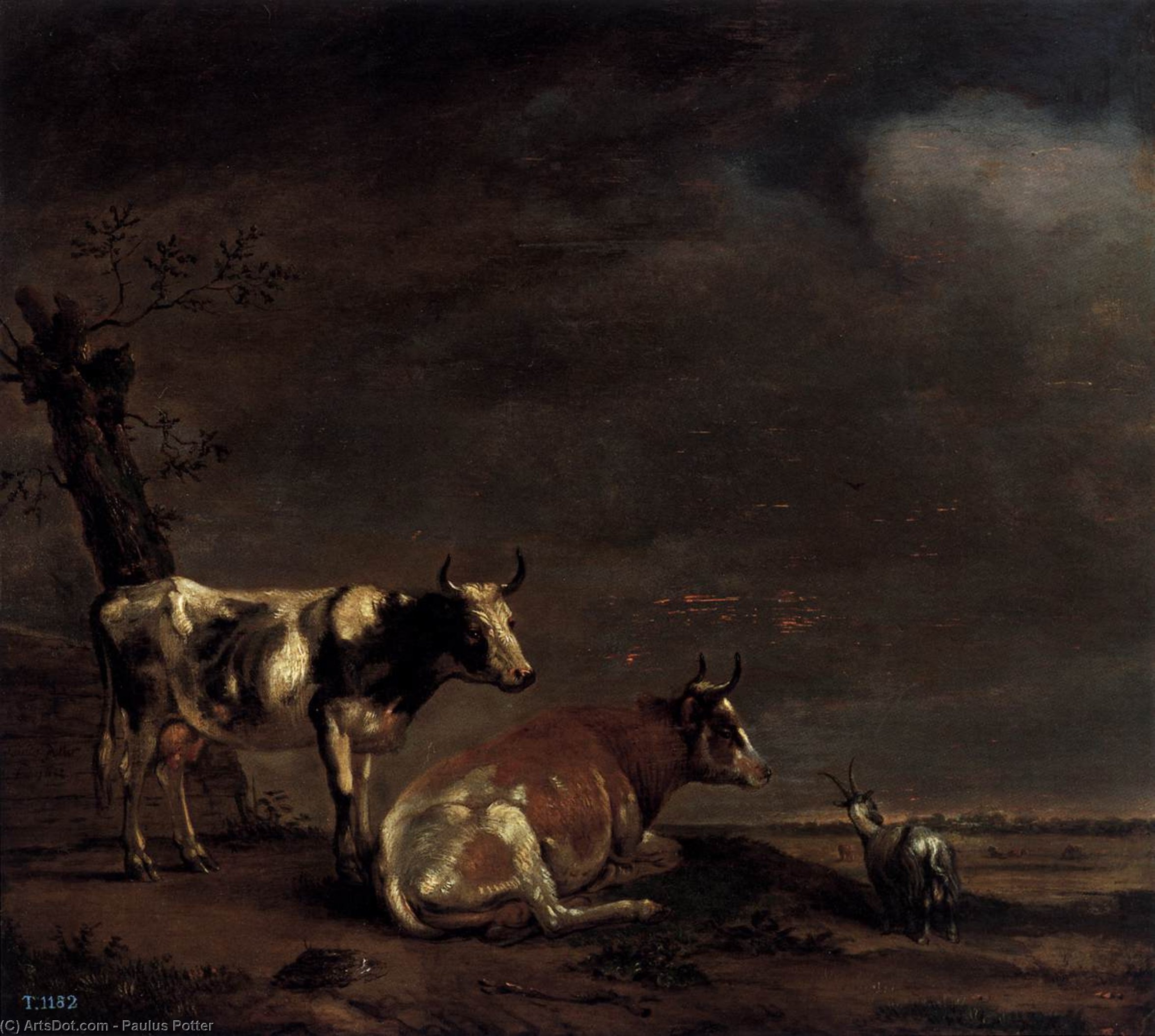
Paulus Potter's "Landscape with Two Cows and a Goat," painted in 1652, isn’t merely a depiction of livestock; it’s a carefully constructed tableau brimming with the quiet dignity and profound connection to nature that defined the Dutch Golden Age. This remarkable work, now meticulously reproduced as a hand-painted artwork, offers a glimpse into a world where rural life was not just observed but deeply felt – a sentiment increasingly valued during a period of burgeoning artistic exploration and philosophical reflection.
The scene unfolds within a modestly sized canvas, measuring 31 x 35 cm. Potter’s masterful technique immediately draws the eye. He employs a remarkably low vantage point, placing the viewer almost amongst the animals themselves, fostering an intimate and immersive experience. The brushstrokes are deliberate yet loose, creating a sense of atmospheric depth – the hazy blue sky, the rolling hills rendered in subtle gradations of green and brown, all contribute to a believable and inviting landscape. Notice particularly the meticulous detail lavished upon the cows; their coats are rendered with an almost photographic realism, capturing the texture of their hides and the gentle curve of their forms. This dedication to naturalism was revolutionary for its time, moving beyond simple representation towards a deeper understanding of animal anatomy and behavior.
The Painter’s Vision: Romanticism Before Its Time
Paulus Potter's work is often cited as a pivotal precursor to the Romantic movement in art. While he predates many of the key figures associated with Romanticism, his emphasis on emotion, the sublime beauty of nature, and the dignity of rural life resonates powerfully with its core tenets. The painting’s mood isn’t one of grand drama or heroic action; instead, it exudes a sense of peaceful contemplation. The inclusion of the solitary goat, seemingly lost in thought, adds to this feeling of quiet introspection. It's a scene that invites the viewer to pause and appreciate the simple pleasures of existence – the warmth of the sun, the scent of fresh grass, the companionship of animals.
Furthermore, Potter’s choice of subject matter—ordinary farm animals in a natural setting—was deliberately subversive for its time. Dutch art had traditionally focused on portraits, historical scenes, and genre paintings depicting urban life. Potter's focus on the rural world offered a refreshing change of pace, elevating the status of the working class and celebrating the beauty of everyday existence. This shift reflects a broader cultural trend during the 17th century – a growing appreciation for the value of nature and a desire to connect with the roots of Dutch identity.
Symbolism and Emotional Resonance
Beyond its technical brilliance, “Landscape with Two Cows and a Goat” is rich in symbolic meaning. The cows themselves represent fertility, abundance, and the vital connection between humanity and the land. Their placid demeanor suggests contentment and harmony – a reflection of Potter’s own vision for a balanced and fulfilling life. The presence of the goat, often associated with stubbornness and independence, adds an element of complexity to the scene, hinting at the challenges and uncertainties that inevitably accompany rural existence.
The painting's emotional impact is profound. It evokes a sense of nostalgia for a simpler time, a longing for connection with nature, and a quiet appreciation for the beauty of the natural world. It’s a work that speaks to our deepest desires – a desire for peace, tranquility, and a sense of belonging within the larger tapestry of life. The hand-painted reproductions capture this essence perfectly, allowing viewers to experience the painting's subtle nuances and emotional depth in a way that is impossible with digital images.
A Timeless Masterpiece: Perfect for Your Space
Whether adorning a living room wall or gracing a study, “Landscape with Two Cows and a Goat” brings a touch of Dutch pastoral charm to any setting. Its muted palette, evocative composition, and masterful technique create a timeless aesthetic that will complement a wide range of interior design styles. The reproduction’s meticulous detail ensures that every brushstroke, every nuance of light and shadow, is faithfully preserved, offering an authentic representation of Potter's artistic vision. Invest in this stunning artwork – a window into the heart of Dutch Golden Age artistry and a source of enduring beauty and tranquility.
Obras relacionadas
Biografía del artista
Vida Temprana y Antecedentes Familiares
- Nacimiento y Bautismo: Paulus Potter nació en Enkhuizen, Países Bajos, el 20 de noviembre de 1625, y fue bautizado el mismo día.
- Familia de Artistas: Provenía de una familia con inclinaciones artísticas. Su padre, Pieter Symonsz Potter, era pintor especializado en tapices dorados y escenas de género. Su madre, Aaltje Paulusdr Bartsius, estaba relacionada con el pintor Willem Bartsius.
- Mudanza a Ámsterdam: La familia se trasladó a Leiden en 1628 y luego a Ámsterdam en 1631, donde Paulus comenzó su formación artística bajo la guía de su padre.
- Primeros Estudios: Aunque principalmente fue enseñado por su padre, algunas fuentes sugieren posibles estudios con Claes Moeyaert en Ámsterdam.
Desarrollo Artístico y Carrera
- Membresía del Gremio: Potter se convirtió en miembro del Gremio de San Lucas en Delft.
- Mudanza a La Haya: Para 1649, se había mudado a La Haya, estableciéndose cerca del pintor paisajista Jan van Goyen.
- Matrimonio y Conexiones Sociales: En julio de 1650, Potter contrajo matrimonio con Adriana van Balckeneynde. Su suegro, un destacado contratista de edificios, lo presentó a miembros influyentes de la sociedad holandesa, incluyendo a Amalia de Solms-Braunfels.
- Regreso a Ámsterdam: En mayo de 1652, regresó a Ámsterdam por invitación de Nicolaes Tulp, un médico y entusiasta del arte que le encargó un retrato de su hijo, Dirck Tulp.
- Muerte Prematura: Lamentablemente, Paulus Potter falleció en Ámsterdam el 17 de enero de 1654, a la joven edad de 28 años, víctima de la tuberculosis.
Estilo y Obras Principales
- Pinturas de Animales en Paisajes: Potter se especializó en representar animales – particularmente ganado – integrados en extensos paisajes. Sus composiciones a menudo presentaban un punto de vista bajo, enfatizando la escala de la naturaleza.
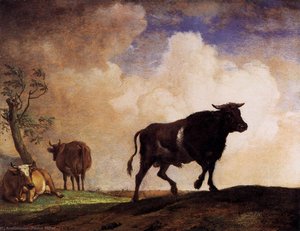
- El Toro Joven (c. 1647): Considerada su obra más famosa, *El Toro Joven*, ahora ubicada en el Mauritshuis en La Haya, es celebrada por su representación realista de un animal dentro de un vasto paisaje. Inicialmente fue recibida con algunas críticas pero luego ganó reconocimiento como un ejemplo temprano del Romanticismo.
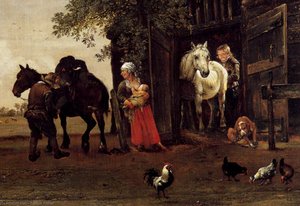
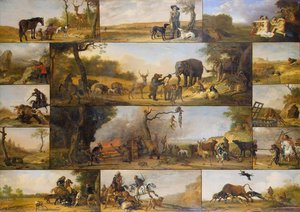
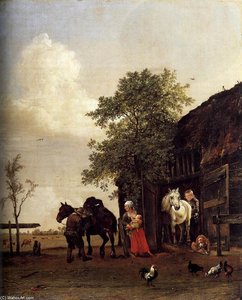
- Otras Obras Notables: Sus otras obras significativas incluyen *Figuras con Caballos junto a un Estable* (1647), *Castigo de un Cazador* (c. 1647), *Dos Cerdos en un Corral* (1649) y *Sabueso* (c. 1650–1652).
- Grabados: Potter también produjo numerosos grabados, a menudo representando ganado y otros animales.
Influencias e Importancia Histórica
- Influencia de Jan van Goyen: Su tiempo pasado cerca de Jan van Goyen en La Haya probablemente influyó en su estilo paisajístico, particularmente el énfasis en los efectos atmosféricos y la representación realista de la naturaleza.
- Pionero del Romanticismo: Potter es reconocido como un precursor del movimiento Romántico debido a su conexión emocional con la naturaleza y su enfoque en retratar su grandeza. *El Toro Joven* se convirtió en un ejemplo icónico de esta sensibilidad romántica temprana.
- Legado y Reconocimiento: A pesar de su corta vida, Potter dejó atrás aproximadamente 100 pinturas. Su obra fue admirada durante el siglo XIX por su naturalismo y profundidad emocional.
- Monumentos Conmemorativos: Se erigió una estatua conmemorativa a Potter en Enkhuizen en 1991, que lo representa esbozando una cabra.
Características Artísticas
- Líneas de Horizonte Bajas: Potter empleaba frecuentemente líneas de horizonte bajas para crear una sensación de inmensidad y enfatizar la escala del paisaje.
- Representación Realista de Animales: Era conocido por su meticulosa atención al detalle en la representación de animales, capturando su anatomía y comportamiento con notable precisión.
- Efectos Atmosféricos: Sus paisajes a menudo presentan sutiles efectos atmosféricos, como la luz y la sombra, que contribuyen al estado de ánimo general y al realismo de la escena.
- Paleta de Colores Sutiles: Potter típicamente utilizaba una paleta de colores apagados dominada por tonos tierra, reflejando los colores naturales del campo holandés.
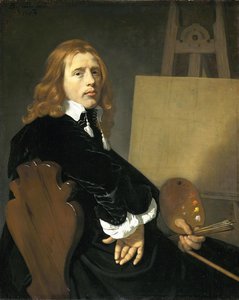
Paulus Potter
1625 - 1654 , Países Bajos
Datos clave
- Artistas Influenciados: ['Albert Jansz Klomp']
- Artistas Que Influyeron:
- Pieter Potter
- Jan van Goyen
- Fecha De Fallecimiento: 17 de enero de 1654
- Fecha De Nacimiento: 20 de noviembre de 1625
- Lugar De Nacimiento: Enkhuizen, Países Bajos
- Movimiento Artístico: Romanticismo
- Nacionalidad: Holandés
- Nombre Completo: Paulus Potter
- Obras Notables:
- El toro joven
- Figuras con caballos
- Castigo de un cazador
Artículos relacionados
Animalia: Explorando la Presencia Duradera de los Animales en el Arte y el Diseño de Interiores
Descubre la fascinante historia de los animales en el arte y cómo inspirar tu hogar con su simbolismo. Expertos en reproducciones y asesoramiento artístico.
Jacob van Ruisdael: Master of Dutch Landscape & the Evocation of National Identity
Explore the life & work of Jacob van Ruisdael, the preeminent Dutch landscape painter. Discover his technical brilliance, symbolic depth, and lasting influence on art history. Learn about collecting Ruisdael's masterpieces.
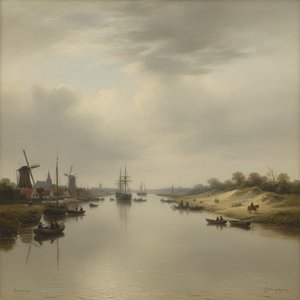
Jan van Goyen: Master of Dutch Landscape & Atmospheric Perspective
Discover Jan van Goyen, the master of Dutch landscape painting. Explore his subtle technique, atmospheric realism & lasting influence on art history. Learn about this 17th-century pioneer at ArtsDot.
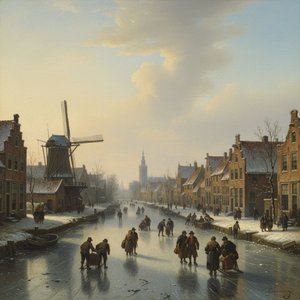
Charles Leickert: Capturing the Dutch Golden Age Light – A Comprehensive Study of Technique, Context, and Legacy
Explore the captivating winter landscapes of Charles Leickert, a master of Dutch Golden Age light & atmosphere. Discover his techniques, symbolism, and lasting legacy – a comprehensive study for art enthusiasts and collectors.
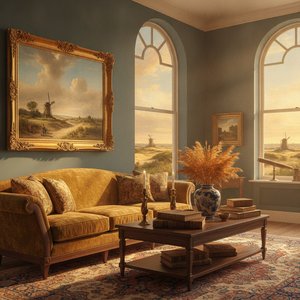
Golden Light & Dutch Skies: Bringing the Magic of Dutch Golden Age Landscapes into Your Home
Transform your home with the breathtaking light of Dutch Golden Age landscapes. Discover how hand-painted oil reproductions of masterworks like Ruisdael and Vermeer bring timeless elegance, atmosphere, and soulful texture to modern interiors. Elevate your space with museum-quality art.