 Ver en contexto
 Enviar
 Compartir
 Detalles

 Descargar
 Similares
 Radiografía
 Presentación de diapositivas
 Stats
StatsThe Milkmaid
 Oil On Panel
- Dutch Golden Age
 1646
1646 38.0 x 50.0 cm
 The Wallace Collection
 Ver más
Reproducción al óleo hecha a mano
Óleo sobre lienzo pintado a mano en el tamaño y marco de su elección, realizado por encargo por nuestros artistas. ( Switch to Print Switch to Digital Image)




P118B $10

P118H $10

P118W $10

P438Z $10

P508JH $12

P508YH $12

P805H $10

P805Z $10

P919BZ $10

P919G $10

P919XJ $10

P959ZH $10

P968JZ $12

W106C $8

W218G $10

W218JH $8

W218Y $10

W307PJ $10

W316G $10

W316PJ $8

W316Y $10

W398PJ $8

W4111J $10

W500HY $15

W500JH $15

W692G $12

W849H $8

W940BG $15

W953PJ $8




Elija entre nuestros tamaños predefinidos que respetan las proporciones originales de la obra.

Puede ingresar sus propias dimensiones para adaptarse a un marco o espacio específico. Si el tamaño seleccionado no coincide con las proporciones de la imagen original, recortaremos la obra o extenderemos la pintura con elementos adicionales pintados a mano. Se le enviará una maqueta digital para su aprobación antes de comenzar la producción.
Tenga en cuenta que la vista previa en pantalla no refleja el recorte o la extensión reales. Solo la maqueta mostrará con precisión la composición final.
Si bien existen tamaños personalizados, recomendamos seleccionar una dimensión de la lista predefinida para preservar las proporciones originales.
Tras realizar el pedido, el equipo de ArtsDot.com enviará un correo electrónico al cliente para solicitar instrucciones y proporcionarle una vista previa del boceto.
Envío a todo el mundo () en 3-4 semanas en lugar de las 5 semanas estándar. (7 septiembre). Sin comprometer la calidad.

Envío exprés gratuito a todo el mundo

Lienzo de lino de alta calidad

Seguro de envío total

Garantía de reembolso de impuestos aduaneros

Garantía de fidelidad cromática exacta

Política de devolución de 100 días (solo por defectos)

Garantía de devolución del 100% del dinero

Descuento por cantidad
 La opción de vidrio solo está disponible en tamaños inferiores a 110 cm.

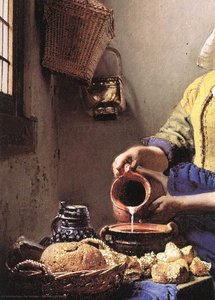
The Milkmaid
Técnica de reproducción
Dimensiones de la reproducción
-


Precio total final
$ 263
A Pastoral Moment Frozen in Time: Paulus Potter’s “The Milkmaid”
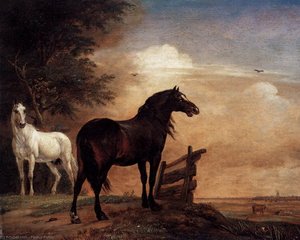
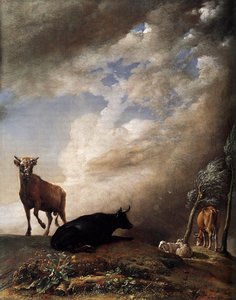
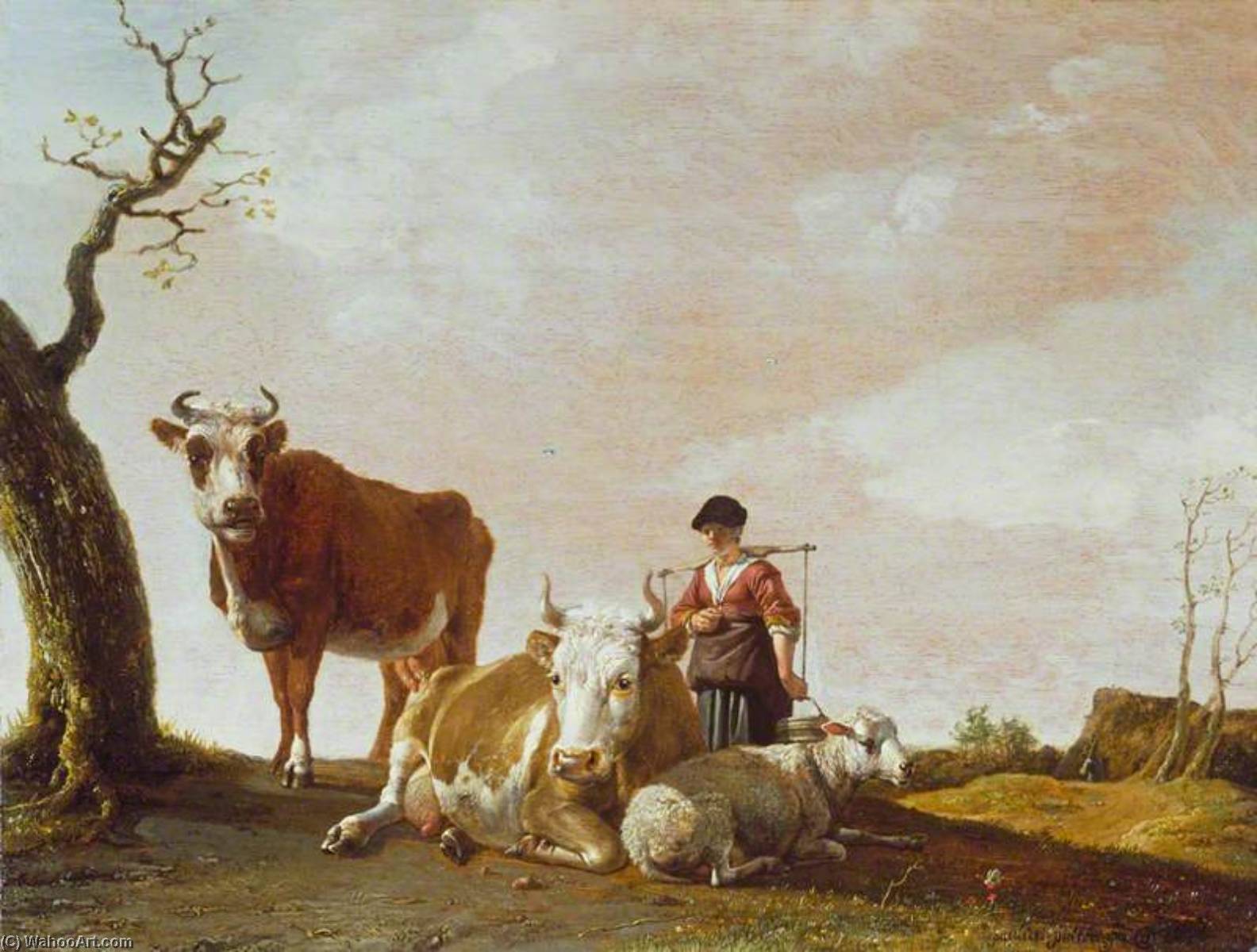
Paulus Potter's "The Milkmaid," painted in 1646, isn’t merely a depiction of rural life; it’s a profound meditation on simplicity, domesticity, and the quiet dignity of everyday labor. This remarkable work, now housed within the Wallace Collection in London, offers a rare glimpse into the burgeoning world of Dutch Golden Age painting – a period defined by its meticulous realism, deep appreciation for nature, and a subtle yet powerful exploration of human emotion. The scene unfolds with an almost startling immediacy, drawing the viewer directly into the heart of a tranquil afternoon on a farmstead.
At first glance, the composition appears straightforward: a young milkmaid stands bathed in soft light, her posture relaxed yet purposeful as she attends to her task – emptying a large pail. However, Potter’s genius lies not just in his technical skill but in his ability to imbue this simple act with an extraordinary sense of life and serenity. The figures of the cows, both brown and white, are rendered with astonishing detail, their coats gleaming with a subtle sheen that speaks volumes about Potter's mastery of light and texture. The inclusion of the bare tree branch in the background subtly hints at the approaching winter, adding a layer of poignant beauty to the scene – a reminder of the cyclical nature of life and the passage of time.
A Masterclass in Dutch Realism
Potter’s style is firmly rooted in the tenets of Dutch realism, yet he transcends mere imitation. He doesn't simply record what he sees; he transforms it into a deeply felt experience. The painting’s palette is restrained and earthy – predominantly browns, creams, and muted greens – reflecting the natural world that dominates the composition. Potter employs a low vantage point, placing the viewer almost at eye level with the milkmaid, fostering a sense of intimacy and connection. This technique was revolutionary for its time, moving away from the more formal, elevated perspectives favored by earlier generations of artists.
Technically, “The Milkmaid” is a testament to Potter’s meticulous attention to detail. The artist's use of oil paint allows him to capture the subtle nuances of texture – the rough bark of the tree, the dampness of the pail, the soft fur of the cows. He masterfully utilizes chiaroscuro—the dramatic contrast between light and shadow—to create a sense of depth and volume, bringing the scene to life with remarkable realism. The brushstrokes are deliberate and controlled, contributing to the painting’s overall sense of quiet confidence.
Symbolism and Emotional Resonance
Beyond its technical brilliance, “The Milkmaid” is rich in symbolic meaning. The milkmaid herself represents a virtuous simplicity – a figure of hardworking honesty and unassuming beauty. Her modest attire and unadorned appearance speak to her connection with the land and her dedication to her craft. The cows, symbols of prosperity and abundance, further reinforce this theme. Potter’s choice to depict a young woman engaged in such a commonplace activity elevates it to something extraordinary, suggesting that true value lies not in wealth or status but in the quiet dignity of labor.
The painting's emotional impact is profoundly calming. There’s no drama, no conflict—only a sense of peaceful contentment. The soft light, the gentle colors, and the serene expressions of the figures all contribute to this atmosphere of tranquility. “The Milkmaid” invites us to pause, to reflect on the beauty of the natural world and the simple pleasures of everyday life – a timeless message that continues to resonate with viewers today.
A Legacy of Dutch Artistic Innovation
Paulus Potter’s "The Milkmaid" stands as a pivotal work in the history of Dutch art. It exemplifies the shift towards greater realism and naturalism that characterized the Golden Age, while also foreshadowing the rise of Romanticism with its emphasis on emotion and the sublime beauty of nature. His innovative use of perspective, his masterful rendering of light and texture, and his ability to imbue a simple scene with profound emotional resonance cemented his place as one of the most important artists of his time. Reproductions of this iconic painting continue to captivate audiences worldwide, offering a window into a bygone era and reminding us of the enduring power of art to transport us to another world.
Obras relacionadas

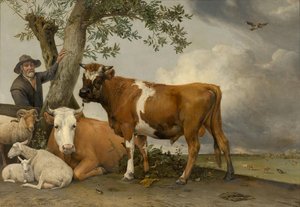
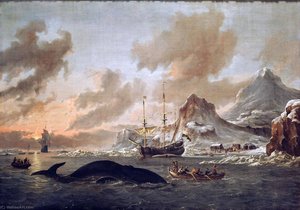
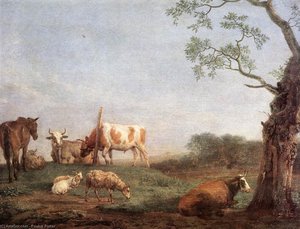
Biografía del artista
Vida Temprana y Antecedentes Familiares
- Nacimiento y Bautismo: Paulus Potter nació en Enkhuizen, Países Bajos, el 20 de noviembre de 1625, y fue bautizado el mismo día.
- Familia de Artistas: Provenía de una familia con inclinaciones artísticas. Su padre, Pieter Symonsz Potter, era pintor especializado en tapices dorados y escenas de género. Su madre, Aaltje Paulusdr Bartsius, estaba relacionada con el pintor Willem Bartsius.
- Mudanza a Ámsterdam: La familia se trasladó a Leiden en 1628 y luego a Ámsterdam en 1631, donde Paulus comenzó su formación artística bajo la guía de su padre.
- Primeros Estudios: Aunque principalmente fue enseñado por su padre, algunas fuentes sugieren posibles estudios con Claes Moeyaert en Ámsterdam.
Desarrollo Artístico y Carrera
- Membresía del Gremio: Potter se convirtió en miembro del Gremio de San Lucas en Delft.
- Mudanza a La Haya: Para 1649, se había mudado a La Haya, estableciéndose cerca del pintor paisajista Jan van Goyen.
- Matrimonio y Conexiones Sociales: En julio de 1650, Potter contrajo matrimonio con Adriana van Balckeneynde. Su suegro, un destacado contratista de edificios, lo presentó a miembros influyentes de la sociedad holandesa, incluyendo a Amalia de Solms-Braunfels.
- Regreso a Ámsterdam: En mayo de 1652, regresó a Ámsterdam por invitación de Nicolaes Tulp, un médico y entusiasta del arte que le encargó un retrato de su hijo, Dirck Tulp.
- Muerte Prematura: Lamentablemente, Paulus Potter falleció en Ámsterdam el 17 de enero de 1654, a la joven edad de 28 años, víctima de la tuberculosis.
Estilo y Obras Principales
- Pinturas de Animales en Paisajes: Potter se especializó en representar animales – particularmente ganado – integrados en extensos paisajes. Sus composiciones a menudo presentaban un punto de vista bajo, enfatizando la escala de la naturaleza.
- El Toro Joven (c. 1647): Considerada su obra más famosa, *El Toro Joven*, ahora ubicada en el Mauritshuis en La Haya, es celebrada por su representación realista de un animal dentro de un vasto paisaje. Inicialmente fue recibida con algunas críticas pero luego ganó reconocimiento como un ejemplo temprano del Romanticismo.
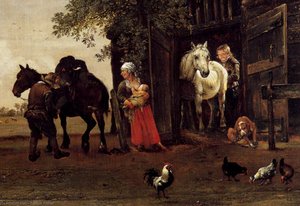
- Otras Obras Notables: Sus otras obras significativas incluyen *Figuras con Caballos junto a un Estable* (1647), *Castigo de un Cazador* (c. 1647), *Dos Cerdos en un Corral* (1649) y *Sabueso* (c. 1650–1652).
- Grabados: Potter también produjo numerosos grabados, a menudo representando ganado y otros animales.
Influencias e Importancia Histórica
- Influencia de Jan van Goyen: Su tiempo pasado cerca de Jan van Goyen en La Haya probablemente influyó en su estilo paisajístico, particularmente el énfasis en los efectos atmosféricos y la representación realista de la naturaleza.
- Pionero del Romanticismo: Potter es reconocido como un precursor del movimiento Romántico debido a su conexión emocional con la naturaleza y su enfoque en retratar su grandeza. *El Toro Joven* se convirtió en un ejemplo icónico de esta sensibilidad romántica temprana.
- Legado y Reconocimiento: A pesar de su corta vida, Potter dejó atrás aproximadamente 100 pinturas. Su obra fue admirada durante el siglo XIX por su naturalismo y profundidad emocional.
- Monumentos Conmemorativos: Se erigió una estatua conmemorativa a Potter en Enkhuizen en 1991, que lo representa esbozando una cabra.
Características Artísticas
- Líneas de Horizonte Bajas: Potter empleaba frecuentemente líneas de horizonte bajas para crear una sensación de inmensidad y enfatizar la escala del paisaje.
- Representación Realista de Animales: Era conocido por su meticulosa atención al detalle en la representación de animales, capturando su anatomía y comportamiento con notable precisión.
- Efectos Atmosféricos: Sus paisajes a menudo presentan sutiles efectos atmosféricos, como la luz y la sombra, que contribuyen al estado de ánimo general y al realismo de la escena.
- Paleta de Colores Sutiles: Potter típicamente utilizaba una paleta de colores apagados dominada por tonos tierra, reflejando los colores naturales del campo holandés.
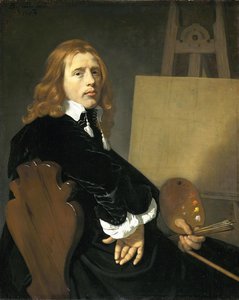
Paulus Potter
1625 - 1654 , Países Bajos
Datos clave
- Artistas Influenciados: ['Albert Jansz Klomp']
- Artistas Que Influyeron:
- Pieter Potter
- Jan van Goyen
- Fecha De Fallecimiento: 17 de enero de 1654
- Fecha De Nacimiento: 20 de noviembre de 1625
- Lugar De Nacimiento: Enkhuizen, Países Bajos
- Movimiento Artístico: Romanticismo
- Nacionalidad: Holandés
- Nombre Completo: Paulus Potter
- Obras Notables:
- El toro joven
- Figuras con caballos
- Castigo de un cazador
Artículos relacionados

Reflejos de una Época Dorada: La Pintura Barroca Holandesa y la Innovación Cultural
Descubra la riqueza y el detalle de la pintura barroca holandesa del Siglo de Oro. Explore las obras maestras de Rembrandt, Vermeer y otros artistas clave. Análisis experto e historia cultural.
Illuminating Realism: Exploring the Dutch Golden Age of Painting (1600-1700)
Explore the Dutch Golden Age of painting (1600-1700) with ArtsDot. Discover Rembrandt, Vermeer & other masters. Learn about techniques, history & find museum-quality reproductions.

La Luz y la República: Innovación Artística en el Siglo de Oro Neerlandés
Descubra la innovación artística del Siglo de Oro Neerlandés. Explore las obras maestras de Rembrandt y Vermeer, técnicas revolucionarias y el legado perdurable de este florecimiento cultural. ¡Sumérjase en la luz y la belleza!

Los 10 Maestros del Siglo de Oro Holandés: Arte, Historia y Decoración Exclusiva
Descubre los 10 imprescindibles del Siglo de Oro Holandés: Rembrandt, Vermeer y más. Explora la historia, técnica y belleza de estos lienzos clásicos. Encuentra reproducciones de arte exclusivas para decorar tu hogar en .
Illuminating a Century of Change: Artistic Expression & Societal Shifts in 17th-Century Europe
Explore the artistic brilliance of the 17th-century Dutch Golden Age & Baroque period. Discover Rembrandt, genre painting, and chiaroscuro techniques. Expert insights for art lovers & collectors.