

 Ver en contexto
 Enviar
 Compartir
 Detalles

 Descargar
 Similares
 Radiografía
 Presentación de diapositivas
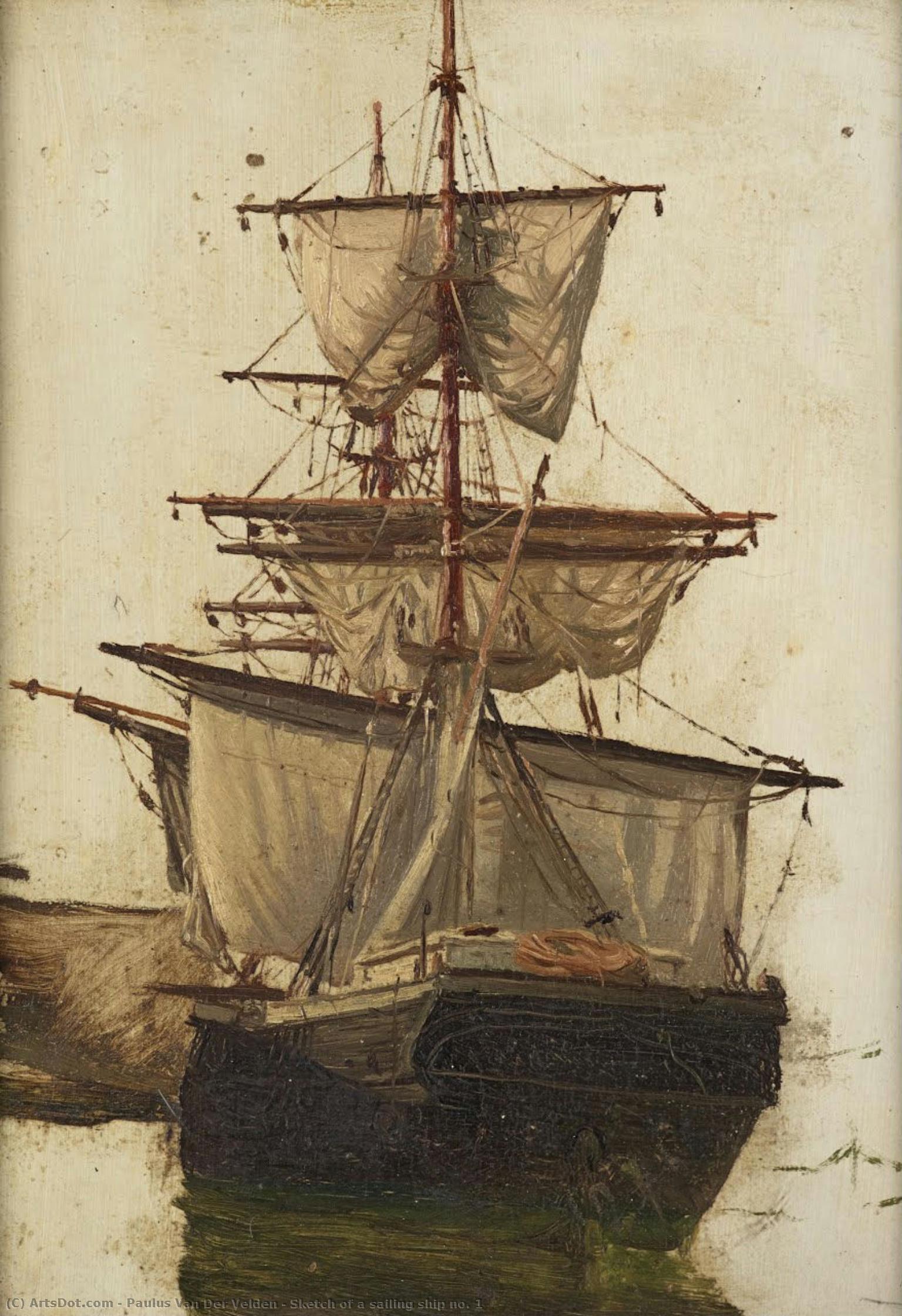
Sketch of a sailing ship no. 1


 Ver más
Reproducción al óleo hecha a mano
Óleo sobre lienzo pintado a mano en el tamaño y marco de su elección, realizado por encargo por nuestros artistas. ( Comprar impresión Comprar imagen)




































Elija entre nuestros tamaños predefinidos que respetan las proporciones originales de la obra.

Puede ingresar sus propias dimensiones para adaptarse a un marco o espacio específico. Si el tamaño seleccionado no coincide con las proporciones de la imagen original, recortaremos la obra o extenderemos la pintura con elementos adicionales pintados a mano. Se le enviará una maqueta digital para su aprobación antes de comenzar la producción.
Tenga en cuenta que la vista previa en pantalla no refleja el recorte o la extensión reales. Solo la maqueta mostrará con precisión la composición final.
Si bien existen tamaños personalizados, recomendamos seleccionar una dimensión de la lista predefinida para preservar las proporciones originales.
Tras realizar el pedido, el equipo de ArtsDot.com enviará un correo electrónico al cliente para solicitar instrucciones y proporcionarle una vista previa del boceto.
Envío a todo el mundo () en 3-4 semanas en lugar de las 5 semanas estándar. (26 agosto). Sin comprometer la calidad.

Envío exprés gratuito a todo el mundo

Lienzo de lino de alta calidad

Seguro de envío total

Garantía de reembolso de impuestos aduaneros

Garantía de fidelidad cromática exacta

Política de devolución de 60 días (solo por defectos)

Garantía de devolución del 100% del dinero

Descuento por cantidad
 La opción de vidrio solo está disponible en tamaños inferiores a 110 cm.

Sketch of a sailing ship no. 1
Técnica de reproducción
Dimensiones de la reproducción
-


Precio total final
$ 263
Descripción de la obra
Obras relacionadas









Biografía del artista
Early Life and Training
Paulus van der Velden (1837 – 1913), a Dutch artist of Dutch descent, was born in Rotterdam; his parents were Jacoba van Essel and Joannes van der Velden, a warehouse manager. Petrus began drawing lessons at around the age of 13 and subsequently apprenticed as a lithographer. In 1858, he founded a lithographic printing firm in Rotterdam with business partner J. G. Zijderman. He studied at the academies in Rotterdam and Berlin. He registered at the Academy of Art, Rotterdam in 1868. After a stay on the island of Marken (1871–73) he lived in or near The Hague until 1888 and was part of the Hague School in artistic and stylistic origins. During this period he painted mainly genre scenes such as “The Dutch Funeral” (1872; Christchurch, NZ, McDougall A.G.) and “The Old Cellist” (1887; The Hague, Gemeentemus.); he also produced some landscapes, for example “Snow on the Sand Dunes” (1889–90; Wellington, Mus. NZ, Te Papa Tongarewa). His work of this period displays a tension between Naturalism and Romantic Realism in the style of Jozef Israëls.Artistic Career in the Netherlands and New Zealand
Van der Velden’s early work focused on marine studies, a quintessential Dutch genre. As seen in “Snow on the Sand Dunes,” one of his few finished paintings from this period, his style was already showing signs of evolution towards more expressive works. In 1890, van der Velden emigrated to New Zealand with his family, where he continued to paint, often focusing on landscapes and harbor scenes. His work “Sketch of a Sailing Ship No. 1” (now part of the Te Papa Collection in Wellington) demonstrates his skill in capturing the beauty of maritime life. He brought to Christchurch the attitudes and concerns of one of Europe’s most highly regarded artistic centres, and introduced the role of the professional artist. By the end of the 1890s he discovered Otira Gorge on the West Coast, which provided him with his most successful and enduring subject, one that contributed to the revolution of New Zealand painting. The first trip took place in 1891 and the product was “Waterfall in the Otira (aka Mountain Stream)” (1891; Dunedin, NZ, Pub. A.G.). Local legend has it that when van der Velden visited Otira he patiently waited for the weather’s most dramatic moments. Only when thunder, rain and wind were in full chaotic swing would he race up to the Gorge with paints in hand; when sun and calm prevailed he would sleep on the grass in front of the Otira hotel. His teaching method placed emphasis on acquiring an intimate acquaintance with the subject by doing a great many drawings and studies.Notable Works and Legacy
- **“Snow on the Sand Dunes” (Te Papa, Wellington, New Zealand)**: A small, yet powerful study of sand dunes, showcasing van der Velden’s expressive use of paint. - **“Sketch of a Sailing Ship No. 1” (Te Papa, Wellington, New Zealand)**: Demonstrates his ability to capture the beauty of maritime scenes.Museums and Collections Featuring Van Der Velden’s Work
- The Museum Mauritshuis (Netherlands): While not specifically featuring van der Velden's work, it is a significant Dutch art museum that showcases the country's rich artistic heritage. - Rijksdienst beeldende kunst (The Hague, Netherlands): Another notable Dutch museum, its collection reflects the breadth of Dutch art, including works from the golden age.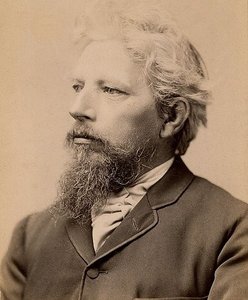
Paulus van der Velden
1837 - 1913 , Países Bajos
Datos clave
- Artistic Movement Or Style: Pintura marina
- Artists Or Movements Influenced By This Artist: ['Dutch Golden Age']
- Artists Who Influenced This Artist: ['Romanticismo']
- Date Of Birth: 5 mayo 1837
- Date Of Death: 11 noviembre 1913
- Full Name: Petrus van der Velden
- Nationality: Holandés
- Notable Artworks:
- Nieve sobre las dunas
- Dibujo de un barco nº 1
- Place Of Birth: Rotterdam, Países Bajos

