 Ver en contexto
 Enviar
 Compartir
 Detalles

 Descargar
 Similares
 Radiografía
 Presentación de diapositivas
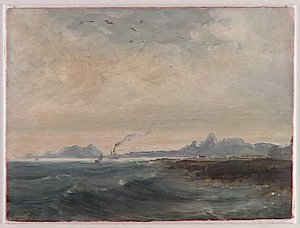
VUE DE CHRISTIANIA (AUJOURD'HUI OSLO)


 Ver más
Reproducción al óleo hecha a mano
Óleo sobre lienzo pintado a mano en el tamaño y marco de su elección, realizado por encargo por nuestros artistas. ( Comprar impresión Comprar imagen)




P118B $10

P118H $10

P118W $10

P438Z $10

P508JH $12

P508YH $12

P805H $10

P805Z $10

P919BZ $10

P919G $10

P919XJ $10

P959ZH $10

P968JZ $12

W106C $8

W218G $10

W218JH $8

W218Y $10

W307PJ $10

W316G $10

W316PJ $8

W316Y $10

W398PJ $8

W4111J $10

W500HY $15

W500JH $15

W692G $12

W849H $8

W940BG $15

W953PJ $8




Elija entre nuestros tamaños predefinidos que respetan las proporciones originales de la obra.

Puede ingresar sus propias dimensiones para adaptarse a un marco o espacio específico. Si el tamaño seleccionado no coincide con las proporciones de la imagen original, recortaremos la obra o extenderemos la pintura con elementos adicionales pintados a mano. Se le enviará una maqueta digital para su aprobación antes de comenzar la producción.
Tenga en cuenta que la vista previa en pantalla no refleja el recorte o la extensión reales. Solo la maqueta mostrará con precisión la composición final.
Si bien existen tamaños personalizados, recomendamos seleccionar una dimensión de la lista predefinida para preservar las proporciones originales.
Tras realizar el pedido, el equipo de ArtsDot.com enviará un correo electrónico al cliente para solicitar instrucciones y proporcionarle una vista previa del boceto.
Envío a todo el mundo () en 3-4 semanas en lugar de las 5 semanas estándar. (25 agosto). Sin comprometer la calidad.

Envío exprés gratuito a todo el mundo

Lienzo de lino de alta calidad

Seguro de envío total

Garantía de reembolso de impuestos aduaneros

Garantía de fidelidad cromática exacta

Política de devolución de 60 días (solo por defectos)

Garantía de devolución del 100% del dinero

Descuento por cantidad
 La opción de vidrio solo está disponible en tamaños inferiores a 110 cm.

VUE DE CHRISTIANIA (AUJOURD'HUI OSLO)
Técnica de reproducción
Dimensiones de la reproducción
-


Precio total final
$ 263
Descripción de la obra
A Vision of Tranquility: Exploring Peder Balke's View of Christiania
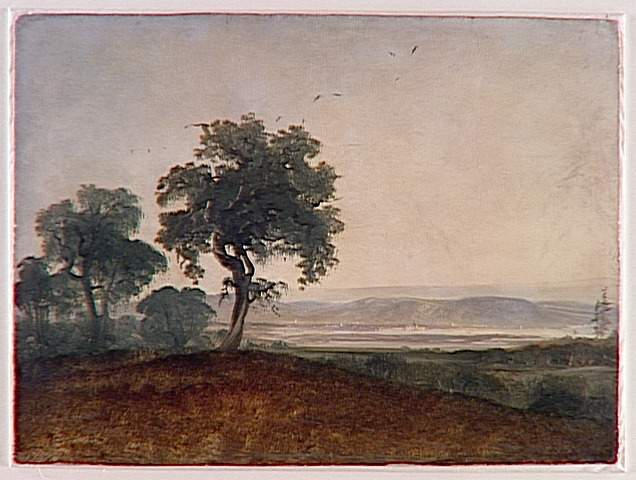
To gaze upon Peder Balke’s Vue de Christiania (Aujourd'hui Oslo) is to step across the threshold of time and into a moment suspended in ethereal light. This painting is far more than a mere depiction of a Norwegian vista; it is an immersion into the Romantic sensibility that elevated nature to the highest plane of human experience. Balke, a master chronicler of the Scandinavian landscape, captures not just the geography of Christiania—the precursor to modern Oslo—but the very spirit of its relationship with the wild, embracing elements like water and forest. The overall impression is one of profound serenity, inviting the viewer into a quiet contemplation far removed from the clamor of urban life.
The Language of Light and Atmosphere
Technically, Balke employs an exquisite mastery of atmospheric perspective. Notice how the foreground, anchored by that magnificent, slightly off-center tree, possesses richer detail and deeper saturation in its greens and browns. As the eye travels across the gently sloping hill toward the distant cityscape nestled among rolling hills, the colors soften, becoming paler and more diffused against the expansive sky. This subtle gradation is achieved through delicate layering of thin washes of paint, giving the entire scene a hazy, almost breathable quality. The lighting itself suggests an overcast day—a diffused glow that eliminates harsh shadows and bathes everything in an even, contemplative luminescence. It is this handling of light, reminiscent of Luminism's focus on atmosphere, combined with the emotional depth characteristic of Romanticism, that makes the piece so captivating.
Compositional Harmony: Nature’s Embrace
The composition guides the viewer through a carefully orchestrated journey. The foreground elements—the clustered trees and the immediate rise of earth—provide an intimate anchor, drawing us in with their organic, fluid shapes. These natural forms contrast beautifully with the suggestion of human settlement beyond. Balke masterfully balances the vertical thrust of the tree trunks against the sweeping horizontal lines defining the distant horizon and water's edge. There is a deliberate lack of sharp geometry; everything flows, suggesting that even the burgeoning city remains cradled within nature’s enduring embrace. This balance speaks to a deep-seated belief in the sublime power of the natural world.
Symbolism and Emotional Resonance
For the art lover or collector seeking an emotional anchor for their space, this work resonates deeply with themes of solitude and resilience. The lone, prominent tree often serves as a potent symbol—a steadfast sentinel against the backdrop of change. In the context of Christiania’s growth, it speaks to nature's enduring spirit amidst human development. The muted palette of grays, earthy browns, and pale blues evokes a sense of nostalgia, perhaps even a gentle melancholy, yet this sadness is always tempered by an underlying peace. It invites us to pause, breathe deeply, and reconnect with the quiet moments that define our most cherished memories.
Bringing the Vista Home
For those considering a hand-painted reproduction for your home or studio, understanding Balke's technique is key. The soft blending and layered washes are what give this piece its signature breathability. Owning a reproduction allows one to bring this specific feeling—this quiet Norwegian contemplation—into your daily life. It functions not merely as decoration, but as a visual meditation, transforming any room into a sanctuary echoing the peaceful grandeur of Balke’s vision.
Obras relacionadas

Biografía del artista
Peder Balke: Un Visionario Romántico Noruego
- Nacido: Hegøy, Noruega (1804)
- Fallecido: 1887
Primeros Años y Formación Artística
- Peder Andersen Balke nació en la isla de Helgøya, en el condado de Hedmark, Noruega. Creció en Ringsaker.
- Su familia eran agricultores, pero recibió apoyo de la comunidad local para perseguir sus ambiciones artísticas. Los agricultores de Toten pagaron su educación.
- Comenzó su formación como aprendiz de Heinrich August Grosch en 1827 y también estudió bajo Jacob Munch.
- De 1829 a 1833, fue alumno de Carl Johan Fahlcrantz en la Real Academia Sueca de Bellas Artes en Estocolmo.
- Posteriormente estudió con Johan Christian Dahl de 1843 a 1844.
Estilo Artístico y Obras Clave
- Pintura de Paisaje Romántico: Balke es conocido principalmente por sus representaciones dramáticas del paisaje noruego, caracterizadas por una sensibilidad romántica. Sus obras a menudo presentan una iluminación intensa, efectos atmosféricos y un sentido de grandeza sublime.
- Trabajo con el Pincel Único: Desarrolló un estilo distintivo con pinceladas texturizadas y un uso inusual del color, creando una calidad onírica en sus pinturas.
- Obras Notables: Algunas de sus obras más celebradas incluyen:
- Vue de Christiania (aujourd'hui Oslo) (1872) - Un paisaje urbano dramático que captura la esencia de Oslo.
- El Puerto de Skjervøy (1846) – Muestra una cautivadora escena portuaria con detalles realistas.
- Árboles Viejos (1840) – Representa un paisaje invernal noruego sombrío con una iluminación poderosa.
- Paisaje Marino (1845) - Un paisaje marino dramático que destaca la belleza agreste de la costa noruega.
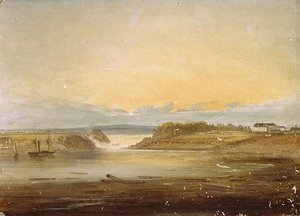
- Fredrikshald (1852) – Presenta un castillo costero y barcos, mostrando su dominio del realismo.
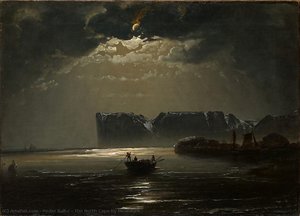
- El Cabo Norte a la Luz de la Luna (1848) - Captura la belleza asombrosa del Cabo Norte bajo la luz de la luna.
Activismo Social y Vida Posterior
- Defensor de la Justicia Social: Balke no solo fue un artista, sino también un reformador social comprometido. Se involucró activamente en temas de justicia social.
- Proyecto Balkeby: Lideró la construcción de Balkeby, un nuevo suburbio de Oslo diseñado para proporcionar mejores condiciones de vida a los trabajadores. Proporcionó préstamos y estableció reglas estrictas de construcción.
- Defensa de los Artistas: Balke abogó por becas para artistas y pensiones tanto para hombres como para mujeres.
- Legado Familiar: Fue el bisabuelo de la actriz Turid Balke y el tatarabuelo del pianista de jazz Jon Balke.
Significado Histórico y Reconocimiento
- Redescubrimiento y Apreciación: Si bien inicialmente fue pasado por alto, el trabajo de Balke ha experimentado un resurgimiento significativo en el reconocimiento en las últimas décadas.
- Exposiciones Internacionales: Se han celebrado importantes exposiciones de su obra en instituciones prestigiosas como la Galería Nacional de Londres (2014-2015) y el Museo Metropolitano de Arte (2017).
- Influencia en el Arte Nórdico: El estilo y la visión únicos de Balke contribuyeron significativamente al desarrollo del arte romántico en Noruega y en la región nórdica más amplia. Sus pinturas ahora se consideran ejemplos importantes del arte noruego del siglo XIX, celebradas por sus paisajes dramáticos y profundidad emocional.
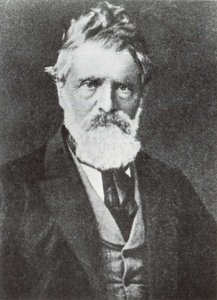
Peder Balke
1804 - 1887 , Noruega
Datos clave
- Artistas Que Influyeron:
- Heinrich August Grosch
- Carl Johan Fahlcrantz
- Johan Christian Dahl
- Fecha De Fallecimiento: 5 de febrero de 1887
- Fecha De Nacimiento: 4 de noviembre de 1804
- Lugar De Nacimiento: Hegøy, Noruega
- Movimiento Artístico: Romanticismo
- Nacionalidad: Noruego
- Nombre Completo: Peder Balke
- Obras Notables:
- Vue de Christiania (Oslo)
- El puerto de Skjervøy
- Árboles viejos
- Paisaje marino
- Fredrikshald
- El Cabo Norte a la luz de luna
Artículos relacionados

Goya: Las 25 Obras Maestras del Genio Español | Reproducciones de Arte en ArtsDot
Descubre las 25 obras maestras de Goya, el genio español. Explora retratos icónicos, 'Los Caprichos' y 'Las Pinturas Negras'. Reproducciones de arte en lienzo de alta calidad para decorar tu hogar con estilo. ¡Encuentra tu obra favorita en ArtsDot.com!

Paisajes Románticos: 10 Obras Maestras que Definieron un Movimiento Artístico
Descubre los 10 paisajes románticos más influyentes de artistas como Caspar David Friedrich y Turner. Explora la belleza, el simbolismo y las técnicas del movimiento romántico. Reproducciones de arte exclusivas en ArtsDot.com.

Acerca de nosotros
Descubre nuestra historia! Llevamos el arte de clase mundial a tu vida gracias a una selección experta, creaciones personalizadas y vistas previas gratuitas. Aprobado por particulares y empresas desde el año 2000.

Evocations of Place: A Historical Journey Through Landscape Art
Explore the rich history of landscape art with ArtsDot. Discover renowned artists, movements like Impressionism & Romanticism, and expert guidance for collecting timeless pieces. Find your perfect serene escape today!

John Constable: Las 25 Obras Maestras del Paisaje Inglés | ArtsDot
Descubre las 25 obras maestras de John Constable, el pintor romántico inglés que capturó la belleza del paisaje. Explora su técnica, historia y significado en ArtsDot.com. Reproducciones de arte de alta calidad para tu hogar.