 Ver en contexto
 Enviar
 Compartir
 Detalles

 Descargar
 Similares
 Radiografía
 Presentación de diapositivas
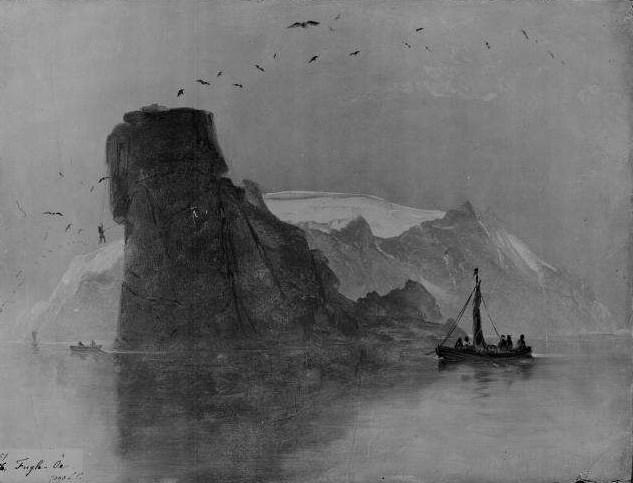
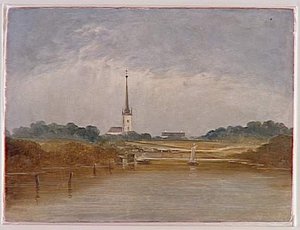
VUE DE FUGLO OE (AUJOURD'HUI FUGLOY)


 Ver más
Giclée / Impresión de arte
Impresiones giclée o en lienzo de calidad de museo con producción rápida y opciones de acabado flexibles. ( Comprar pintura hecha a mano Comprar imagen)




P118B $10

P118H $10

P118W $10

P438Z $10

P508JH $12

P508YH $12

P805H $10

P805Z $10

P919BZ $10

P919G $10

P919XJ $10

P959ZH $10

P968JZ $12

W106C $8

W218G $10

W218JH $8

W218Y $10

W307PJ $10

W316G $10

W316PJ $8

W316Y $10

W398PJ $8

W4111J $10

W500HY $15

W500JH $15

W692G $12

W849H $8

W940BG $15

W953PJ $8




Elija entre nuestros tamaños predefinidos que respetan las proporciones originales de la obra.

Puede introducir sus propias dimensiones para adaptarse a un marco o espacio específico. Si el tamaño seleccionado no coincide con las proporciones de la imagen original, recortaremos la obra de arte o extenderemos la imagen con un borde con efecto espejo o de color sólido. Se enviará una maqueta digital para su aprobación antes de que comience la producción.
Tenga en cuenta que la vista previa en pantalla no refleja el recorte o la extensión real. Solo la maqueta mostrará con precisión la composición final.
Aunque existen tamaños personalizados, recomendamos seleccionar una dimensión de la lista predefinida para preservar las proporciones originales.
Envío a todo el mundo () en 2 semanas en lugar de las 4/5 semanas estándar. (2 septiembre)

Envío exprés gratuito a todo el mundo

Lienzo de lino de alta calidad

Seguro de envío total

Garantía de reembolso de impuestos aduaneros

Garantía de fidelidad cromática exacta

Política de devolución de 60 días (solo por defectos)

Garantía de devolución del 100% del dinero

Descuento por cantidad
 La opción de vidrio solo está disponible en tamaños inferiores a 110 cm.

VUE DE FUGLO OE (AUJOURD'HUI FUGLOY)
Giclée / Impresión de arte
Dimensiones de la reproducción
-


Precio total final
$ 62
A Realm of Twilight: Peder Balke’s “Vue de Fuglo Oe (Aujourdh'hui Fugloy)”
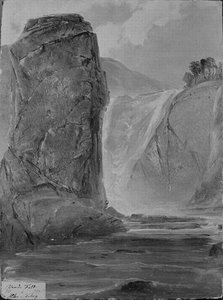
Peder Balke’s “Vue de Fuglo Oe (Aujourdh'ui Fugloy),” a captivating monochrome landscape, isn’t merely a depiction of a Norwegian fjord; it’s an immersion into the heart of Romanticism and a profound meditation on nature’s power. Painted in 1872, this work transcends simple representation, offering instead a deeply atmospheric experience that speaks to the solitude, grandeur, and melancholic beauty inherent in the Scandinavian wilderness. The painting immediately draws the eye to the imposing dark rock formation dominating the left foreground – a sentinel guarding the entrance to a world of shifting light and shadow. This dramatic element isn’t simply geological; it embodies a sense of timelessness, a silent witness to centuries of weather and the relentless march of time.
Composition and Technique: A Dance of Light and Shadow
Balke masterfully employs atmospheric perspective, a technique borrowed from earlier landscape painters like Caspar David Friedrich, to create an illusion of immense depth. Distant mountains are rendered in softer, paler tones, gradually dissolving into the hazy distance – a visual echo of the way our eyes perceive the world at a great remove. The artist’s meticulous attention to detail is evident in the carefully constructed hatching and cross-hatching that define the textures of the rocks, the subtle gradations of gray suggesting the rough surfaces of stone and the reflective sheen of water. This deliberate layering of lines isn't haphazard; it’s a calculated orchestration designed to evoke a tactile sense of the landscape – inviting the viewer to almost feel the cold spray of the fjord on their face.
- Hatching & Cross-hatching: Used extensively to build volume and texture, particularly in the foreground rocks.
- Monochromatic Palette: The absence of color amplifies the tonal contrasts and creates a heightened sense of drama.
- Atmospheric Perspective: Creates an illusion of vastness and distance, drawing the eye into the scene.
Symbolism and Emotional Resonance: Echoes of the Sublime
“Vue de Fuglo Oe” is more than just a landscape; it’s imbued with Romantic symbolism. The dark rock formation can be interpreted as representing both strength and isolation, while the small boat navigating the fjord symbolizes human presence within this overwhelming natural world. There's an undeniable sense of solitude in the painting – a feeling of being utterly alone amidst the immensity of nature. This isn’t necessarily a negative emotion; rather, it speaks to the humbling realization of our own insignificance in the face of something far greater than ourselves. The overcast sky and muted light contribute to this mood of quiet contemplation, evoking a sense of melancholy and perhaps even a touch of longing.
Balke’s work aligns with the Romantic movement's fascination with the sublime – that feeling of awe and terror inspired by encounters with nature’s power. He sought not simply to depict beauty but to capture the emotional response evoked by it, translating the grandeur of the Norwegian landscape into a deeply personal and evocative experience.
Historical Context: A Visionary of His Time
Peder Balke (1804-1887) was a pivotal figure in Norwegian art. Born on a remote island, he developed an intimate connection to the natural world that profoundly shaped his artistic vision. His work reflects the burgeoning interest in landscape painting during the 19th century, but it also distinguishes itself through its unique emotional intensity and masterful use of light and shadow. Balke’s commitment to portraying the rugged beauty of Norway's coastline and mountains helped establish a distinctly Norwegian style within the broader European art scene. His later involvement in social reform, particularly his work on Balkeby – a planned community designed to improve living conditions for workers – further cemented his legacy as a compassionate and engaged artist.
This painting, “Vue de Fuglo Oe (Aujourdh'ui Fugloy),” stands as a testament to Balke’s artistic genius and his profound understanding of the human condition. It is an invitation to lose oneself in the beauty and solitude of the Norwegian landscape, and to contemplate our place within its vastness.
Obras relacionadas
Biografía del artista
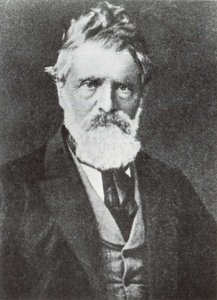
Peder Balke: Un Visionario Romántico Noruego
- Nacido: Hegøy, Noruega (1804)
- Fallecido: 1887
Primeros Años y Formación Artística
- Peder Andersen Balke nació en la isla de Helgøya, en el condado de Hedmark, Noruega. Creció en Ringsaker.
- Su familia eran agricultores, pero recibió apoyo de la comunidad local para perseguir sus ambiciones artísticas. Los agricultores de Toten pagaron su educación.
- Comenzó su formación como aprendiz de Heinrich August Grosch en 1827 y también estudió bajo Jacob Munch.
- De 1829 a 1833, fue alumno de Carl Johan Fahlcrantz en la Real Academia Sueca de Bellas Artes en Estocolmo.
- Posteriormente estudió con Johan Christian Dahl de 1843 a 1844.
Estilo Artístico y Obras Clave
- Pintura de Paisaje Romántico: Balke es conocido principalmente por sus representaciones dramáticas del paisaje noruego, caracterizadas por una sensibilidad romántica. Sus obras a menudo presentan una iluminación intensa, efectos atmosféricos y un sentido de grandeza sublime.
- Trabajo con el Pincel Único: Desarrolló un estilo distintivo con pinceladas texturizadas y un uso inusual del color, creando una calidad onírica en sus pinturas.
- Obras Notables: Algunas de sus obras más celebradas incluyen:
- Vue de Christiania (aujourd'hui Oslo) (1872) - Un paisaje urbano dramático que captura la esencia de Oslo.
- El Puerto de Skjervøy (1846) – Muestra una cautivadora escena portuaria con detalles realistas.
- Árboles Viejos (1840) – Representa un paisaje invernal noruego sombrío con una iluminación poderosa.
- Paisaje Marino (1845) - Un paisaje marino dramático que destaca la belleza agreste de la costa noruega.
- Fredrikshald (1852) – Presenta un castillo costero y barcos, mostrando su dominio del realismo.
- El Cabo Norte a la Luz de la Luna (1848) - Captura la belleza asombrosa del Cabo Norte bajo la luz de la luna.
Activismo Social y Vida Posterior
- Defensor de la Justicia Social: Balke no solo fue un artista, sino también un reformador social comprometido. Se involucró activamente en temas de justicia social.
- Proyecto Balkeby: Lideró la construcción de Balkeby, un nuevo suburbio de Oslo diseñado para proporcionar mejores condiciones de vida a los trabajadores. Proporcionó préstamos y estableció reglas estrictas de construcción.
- Defensa de los Artistas: Balke abogó por becas para artistas y pensiones tanto para hombres como para mujeres.
- Legado Familiar: Fue el bisabuelo de la actriz Turid Balke y el tatarabuelo del pianista de jazz Jon Balke.
Significado Histórico y Reconocimiento
- Redescubrimiento y Apreciación: Si bien inicialmente fue pasado por alto, el trabajo de Balke ha experimentado un resurgimiento significativo en el reconocimiento en las últimas décadas.
- Exposiciones Internacionales: Se han celebrado importantes exposiciones de su obra en instituciones prestigiosas como la Galería Nacional de Londres (2014-2015) y el Museo Metropolitano de Arte (2017).
- Influencia en el Arte Nórdico: El estilo y la visión únicos de Balke contribuyeron significativamente al desarrollo del arte romántico en Noruega y en la región nórdica más amplia. Sus pinturas ahora se consideran ejemplos importantes del arte noruego del siglo XIX, celebradas por sus paisajes dramáticos y profundidad emocional.
Peder Balke
1804 - 1887 , Noruega
Datos clave
- Artistas Que Influyeron:
- Heinrich August Grosch
- Carl Johan Fahlcrantz
- Johan Christian Dahl
- Fecha De Fallecimiento: 5 de febrero de 1887
- Fecha De Nacimiento: 4 de noviembre de 1804
- Lugar De Nacimiento: Hegøy, Noruega
- Movimiento Artístico: Romanticismo
- Nacionalidad: Noruego
- Nombre Completo: Peder Balke
- Obras Notables:
- Vue de Christiania (Oslo)
- El puerto de Skjervøy
- Árboles viejos
- Paisaje marino
- Fredrikshald
- El Cabo Norte a la luz de luna
Artículos relacionados
Johan Christian Dahl: Pioneering Norwegian Romantic Landscape Painting
Explore the life & art of Johan Christian Dahl, Norway's first great Romantic painter. Discover his iconic landscapes, cultural impact, and lasting legacy with ArtsDot.

Evocations of Place: A Historical Journey Through Landscape Art
Explore the rich history of landscape art with ArtsDot. Discover renowned artists, movements like Impressionism & Romanticism, and expert guidance for collecting timeless pieces. Find your perfect serene escape today!

Paisajes Románticos: 10 Obras Maestras que Definieron un Movimiento Artístico
Descubre los 10 paisajes románticos más influyentes de artistas como Caspar David Friedrich y Turner. Explora la belleza, el simbolismo y las técnicas del movimiento romántico. Reproducciones de arte exclusivas en ArtsDot.com.

John Constable: Las 25 Obras Maestras del Paisaje Inglés | ArtsDot
Descubre las 25 obras maestras de John Constable, el pintor romántico inglés que capturó la belleza del paisaje. Explora su técnica, historia y significado en ArtsDot.com. Reproducciones de arte de alta calidad para tu hogar.
Evoking Nature's Sublime: A Comprehensive Exploration of 19th-Century Landscape Painting
Explore the captivating world of 19th-century landscape painting! Discover renowned artists like Friedrich & Monet, key movements, and find the perfect artwork to bring nature's serenity into your home. Expert insights at ArtsDot.