

 Ver en contexto
 Enviar
 Compartir
 Detalles

 Descargar
 Similares
 Radiografía
 Presentación de diapositivas
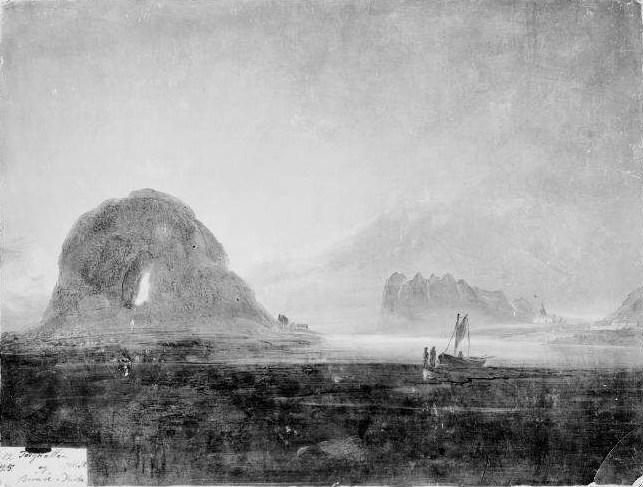
VUE DE TORGHATTEN ET DE L'EGLISE DE BRONOE (AUJOURD'HUI BRONNOY)


 Ver más
Adquiera una imagen digital de alta resolución y optimizada, muy superior a la vista previa en línea.
Cada archivo es preparado meticulosamente por nuestros especialistas internos mediante el uso de herramientas avanzadas y un experto retoque manual. Nos aseguramos de que cada imagen posea una claridad excepcional, una precisión cromática impecable y un detalle minucioso.
El archivo final se entrega por correo electrónico en un plazo de 72 horas, optimizado para su uso inmediato en entornos profesionales, editoriales y de impresión. Esta es la misma calidad en la que confían los estudios de diseño, las editoriales y las galerías de primer nivel.
Imagen Digital
Descarga un archivo de alta resolución para exhibición personal, impresión y proyectos creativos. ( Comprar impresión Comprar pintura hecha a mano)
Incluido en cada pedido de imágenes digitales
Entrega digital experta, garantizada.
Al elegir ArtsDot.com, no solo está adquiriendo una imagen; está recibiendo una obra de arte digital mejorada profesionalmente, elaborada con precisión y respaldada por una garantía de satisfacción. Esto es todo lo que incluye su pedido, automáticamente:

Entrega rápida por email
Recibirá su archivo de imagen digital en alta resolución por correo electrónico en un plazo de 72 horas tras realizar su pedido, listo para su uso inmediato.

Archivo digital optimizado por IA
Su obra de arte se optimiza profesionalmente mediante herramientas avanzadas de IA y edición manual, garantizando el máximo detalle, claridad y precisión cromática.

Reenvío gratuito de por vida
¿Has borrado o perdido tu archivo por error? No te preocupes: te lo volveremos a enviar en cualquier momento, sin coste adicional.

Sin gastos de importación, siempre
Disfrute de su obra de arte al instante sin aduanas, aranceles ni gastos de envío; las descargas digitales siempre están libres de impuestos.

Garantía de fidelidad de color
Garantizamos que su imagen digital refleje los colores originales con la mayor fidelidad posible, mediante el uso de herramientas profesionales y gestión del color.

Garantía de satisfacción de 60 días
Si no está satisfecho con su imagen digital, la revisaremos o le reembolsaremos el 100% en un plazo de 60 días, sin preguntas.

100% Garantía de devolución de dinero
¿No está satisfecho? Obtenga un reembolso completo dentro de los 60 días posteriores a la recepción de su archivo digital, sin necesidad de explicaciones.

Descuentos por pedidos grandes
Compra 3 imágenes, ahorra 10% - Compra 5, ahorra 15% - Compra 10+, ahorra 20%. Ideal para proyectos creativos, galerías y agencias.
Descripción del coleccionable
A Frozen Symphony: Peder Balke’s “Vue de Torghatten et de l'église de Brönöy”
Peder Balke’s “Vue de Torghatten et de l'église de Brönöy (aujourd'hui Brönnøy),” a captivating watercolor and pencil drawing executed around 1872, isn’t merely a landscape; it’s a distilled essence of the Norwegian soul. This evocative piece transports the viewer to a remote coastal scene, imbued with a profound sense of solitude, dramatic beauty, and the humbling power of nature. More than just a depiction of a specific location – a small fishing village nestled against the towering Torghatten mountain and the modest Brönöy church – it’s a meditation on the sublime, a cornerstone of Romanticism rendered with Balke's uniquely expressive hand.
The scene unfolds with an almost unnerving stillness. A vast expanse of slate-grey water dominates the lower portion of the composition, reflecting the muted tones above like a captured mirror. The imposing Torghatten mountain, a jagged monolith rising abruptly from the landscape, commands attention on the left, its dark silhouette partially obscured by swirling mists. The church, a modest structure with a simple spire, sits perched precariously on the edge of the village, seemingly dwarfed by the overwhelming grandeur of the natural world. This deliberate juxtaposition speaks volumes about humanity’s place within the larger scheme of things – a poignant reminder of our vulnerability and insignificance against the backdrop of untamed wilderness.
The Language of Light and Shadow: Technique and Style
Balke's mastery lies in his ability to capture atmosphere with remarkable precision. He eschews bright, vibrant colors, instead relying on a carefully orchestrated grayscale palette – from near-white highlights that shimmer on the water’s surface to deep charcoal shadows that engulf the mountain’s base. This monochromatic approach isn’t limiting; rather, it intensifies the emotional impact of the scene, creating an almost dreamlike quality. The artist employs loose, expressive brushstrokes, particularly evident in the rendering of the clouds and the texture of the rock formations. These aren't precise representations but rather impressions, conveying a sense of movement and dynamism.
The technique is deeply rooted in Romanticism, a movement that prioritized emotion and subjective experience over strict realism. Balke’s use of atmospheric perspective – the subtle lightening of distant objects – effectively creates an illusion of depth, drawing the viewer into the scene and immersing them in its vastness. Notice how the details gradually soften and fade as they recede into the distance, mirroring the way our eyes perceive the world. The artist's deliberate blurring of edges contributes to this hazy, ethereal atmosphere, evoking a feeling of mystery and timelessness.
A Window into a Romantic Soul: Historical Context and Symbolism
Created in the mid-19th century, “Vue de Torghatten et de l'église de Brönöy” reflects the prevailing artistic sensibilities of its time. The Romantic movement sought to capture the awe-inspiring beauty of nature, often associating it with spiritual or emotional experiences. Balke’s work aligns perfectly with this ethos, portraying a landscape that is both breathtakingly beautiful and profoundly unsettling.
The inclusion of the small church adds another layer of symbolism. It represents not just a place of worship but also humanity's attempt to impose order and meaning upon the chaotic forces of nature. Its modest size in comparison to the towering mountain underscores our limited control over the natural world, while its presence suggests a connection between faith and the landscape.
Capturing the Essence: Emotional Impact and Legacy
“Vue de Torghatten et de l'église de Brönöy” is more than just a pretty picture; it’s an invitation to contemplate our relationship with nature, our place in the universe, and the enduring power of memory. The painting evokes feelings of solitude, tranquility, and perhaps even melancholy – a poignant reminder of the beauty and fragility of the natural world. Balke's work continues to resonate today, offering viewers a glimpse into a bygone era while simultaneously reminding us of the timeless appeal of Romantic art.
Reproductions of this iconic piece offer an accessible way to bring its evocative atmosphere into your home or office. Consider framing it in a simple, natural wood frame to complement the painting's understated elegance and allow its powerful imagery to take center stage.
Obras relacionadas
Biografía del artista
Peder Balke: Un Visionario Romántico Noruego
- Nacido: Hegøy, Noruega (1804)
- Fallecido: 1887
Primeros Años y Formación Artística
- Peder Andersen Balke nació en la isla de Helgøya, en el condado de Hedmark, Noruega. Creció en Ringsaker.
- Su familia eran agricultores, pero recibió apoyo de la comunidad local para perseguir sus ambiciones artísticas. Los agricultores de Toten pagaron su educación.
- Comenzó su formación como aprendiz de Heinrich August Grosch en 1827 y también estudió bajo Jacob Munch.
- De 1829 a 1833, fue alumno de Carl Johan Fahlcrantz en la Real Academia Sueca de Bellas Artes en Estocolmo.
- Posteriormente estudió con Johan Christian Dahl de 1843 a 1844.
Estilo Artístico y Obras Clave
- Pintura de Paisaje Romántico: Balke es conocido principalmente por sus representaciones dramáticas del paisaje noruego, caracterizadas por una sensibilidad romántica. Sus obras a menudo presentan una iluminación intensa, efectos atmosféricos y un sentido de grandeza sublime.
- Trabajo con el Pincel Único: Desarrolló un estilo distintivo con pinceladas texturizadas y un uso inusual del color, creando una calidad onírica en sus pinturas.
- Obras Notables: Algunas de sus obras más celebradas incluyen:
- Vue de Christiania (aujourd'hui Oslo) (1872) - Un paisaje urbano dramático que captura la esencia de Oslo.
- El Puerto de Skjervøy (1846) – Muestra una cautivadora escena portuaria con detalles realistas.
- Árboles Viejos (1840) – Representa un paisaje invernal noruego sombrío con una iluminación poderosa.
- Paisaje Marino (1845) - Un paisaje marino dramático que destaca la belleza agreste de la costa noruega.
- Fredrikshald (1852) – Presenta un castillo costero y barcos, mostrando su dominio del realismo.
- El Cabo Norte a la Luz de la Luna (1848) - Captura la belleza asombrosa del Cabo Norte bajo la luz de la luna.
Activismo Social y Vida Posterior
- Defensor de la Justicia Social: Balke no solo fue un artista, sino también un reformador social comprometido. Se involucró activamente en temas de justicia social.
- Proyecto Balkeby: Lideró la construcción de Balkeby, un nuevo suburbio de Oslo diseñado para proporcionar mejores condiciones de vida a los trabajadores. Proporcionó préstamos y estableció reglas estrictas de construcción.
- Defensa de los Artistas: Balke abogó por becas para artistas y pensiones tanto para hombres como para mujeres.
- Legado Familiar: Fue el bisabuelo de la actriz Turid Balke y el tatarabuelo del pianista de jazz Jon Balke.
Significado Histórico y Reconocimiento
- Redescubrimiento y Apreciación: Si bien inicialmente fue pasado por alto, el trabajo de Balke ha experimentado un resurgimiento significativo en el reconocimiento en las últimas décadas.
- Exposiciones Internacionales: Se han celebrado importantes exposiciones de su obra en instituciones prestigiosas como la Galería Nacional de Londres (2014-2015) y el Museo Metropolitano de Arte (2017).
- Influencia en el Arte Nórdico: El estilo y la visión únicos de Balke contribuyeron significativamente al desarrollo del arte romántico en Noruega y en la región nórdica más amplia. Sus pinturas ahora se consideran ejemplos importantes del arte noruego del siglo XIX, celebradas por sus paisajes dramáticos y profundidad emocional.
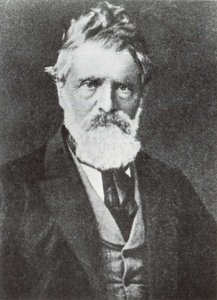
Peder Balke
1804 - 1887 , Noruega
Breves datos
- Artistas Que Influyeron:
- Heinrich August Grosch
- Carl Johan Fahlcrantz
- Johan Christian Dahl
- Fecha De Fallecimiento: 5 de febrero de 1887
- Fecha De Nacimiento: 4 de noviembre de 1804
- Lugar De Nacimiento: Hegøy, Noruega
- Movimiento Artístico: Romanticismo
- Nacionalidad: Noruego
- Nombre Completo: Peder Balke
- Obras Notables:
- Vue de Christiania (Oslo)
- El puerto de Skjervøy
- Árboles viejos
- Paisaje marino
- Fredrikshald
- El Cabo Norte a la luz de luna

