

 Ver en contexto
 Enviar
 Compartir
 Detalles

 Descargar
 Similares
 Radiografía
 Presentación de diapositivas
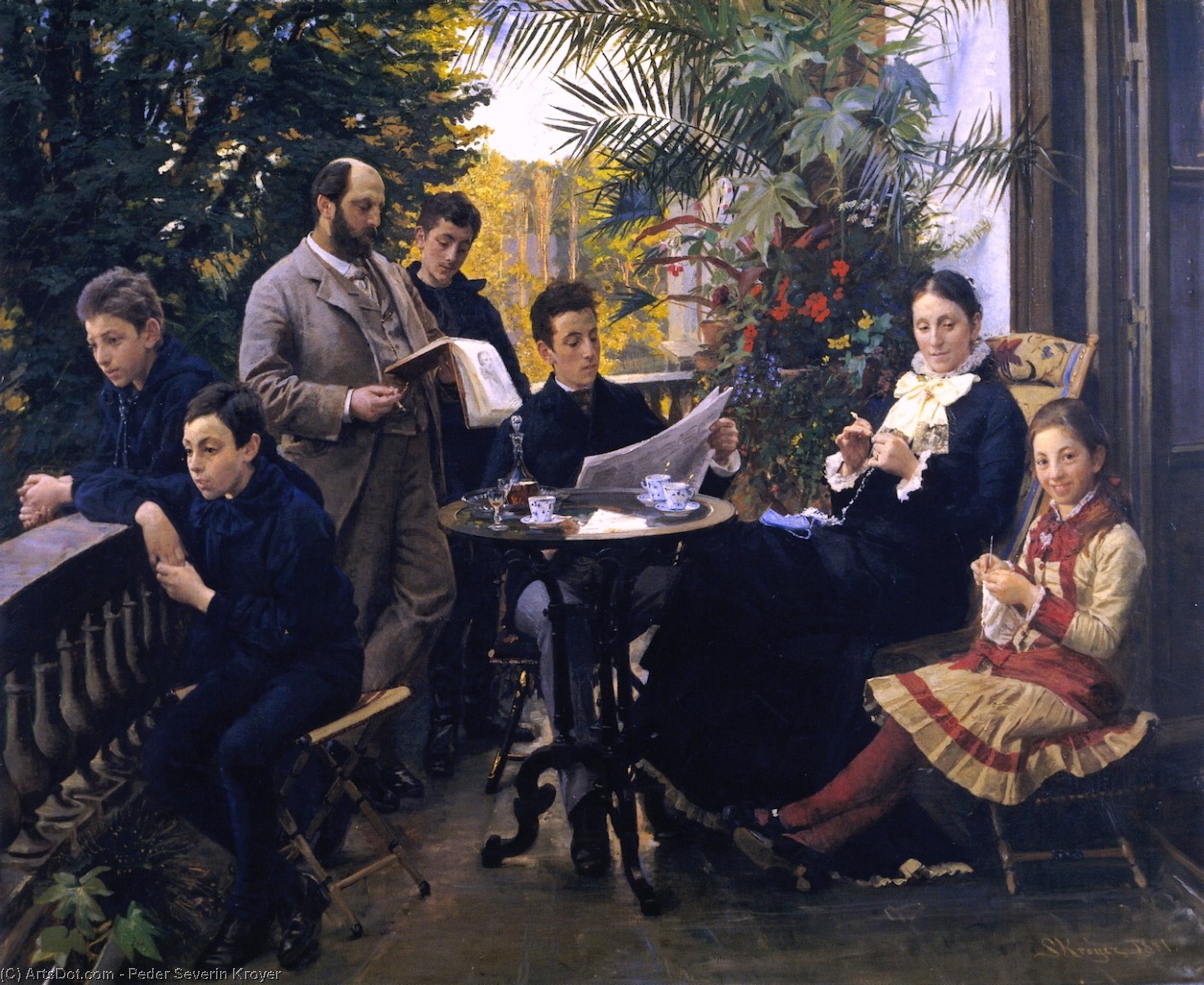
Portrait of the Hirschsprung Family
 Oil On Canvas
- WallArt
- Realist Danish Painting
 1881
1881 108.0 x 128.0 cm
 Colección Hirschsprung
 Ver más
Adquiera una imagen digital de alta resolución y optimizada, muy superior a la vista previa en línea.
Cada archivo es preparado meticulosamente por nuestros especialistas internos mediante el uso de herramientas avanzadas y un experto retoque manual. Nos aseguramos de que cada imagen posea una claridad excepcional, una precisión cromática impecable y un detalle minucioso.
El archivo final se entrega por correo electrónico en un plazo de 72 horas, optimizado para su uso inmediato en entornos profesionales, editoriales y de impresión. Esta es la misma calidad en la que confían los estudios de diseño, las editoriales y las galerías de primer nivel.
Imagen Digital
Descarga un archivo de alta resolución para exhibición personal, impresión y proyectos creativos. ( Comprar impresión Comprar pintura hecha a mano)
Incluido en cada pedido de imágenes digitales
Entrega digital experta, garantizada.
Al elegir ArtsDot.com, no solo está adquiriendo una imagen; está recibiendo una obra de arte digital mejorada profesionalmente, elaborada con precisión y respaldada por una garantía de satisfacción. Esto es todo lo que incluye su pedido, automáticamente:

Entrega rápida por email
Recibirá su archivo de imagen digital en alta resolución por correo electrónico en un plazo de 72 horas tras realizar su pedido, listo para su uso inmediato.

Archivo digital optimizado por IA
Su obra de arte se optimiza profesionalmente mediante herramientas avanzadas de IA y edición manual, garantizando el máximo detalle, claridad y precisión cromática.

Reenvío gratuito de por vida
¿Has borrado o perdido tu archivo por error? No te preocupes: te lo volveremos a enviar en cualquier momento, sin coste adicional.

Sin gastos de importación, siempre
Disfrute de su obra de arte al instante sin aduanas, aranceles ni gastos de envío; las descargas digitales siempre están libres de impuestos.

Garantía de fidelidad de color
Garantizamos que su imagen digital refleje los colores originales con la mayor fidelidad posible, mediante el uso de herramientas profesionales y gestión del color.

Garantía de satisfacción de 60 días
Si no está satisfecho con su imagen digital, la revisaremos o le reembolsaremos el 100% en un plazo de 60 días, sin preguntas.

100% Garantía de devolución de dinero
¿No está satisfecho? Obtenga un reembolso completo dentro de los 60 días posteriores a la recepción de su archivo digital, sin necesidad de explicaciones.

Descuentos por pedidos grandes
Compra 3 imágenes, ahorra 10% - Compra 5, ahorra 15% - Compra 10+, ahorra 20%. Ideal para proyectos creativos, galerías y agencias.
Portrait of the Hirschsprung Family: A Window into Danish Domesticity
Peder Severin Krøyer’s “Portrait of the Hirschsprung Family,” painted in 1881, isn't merely a depiction of a family gathering; it’s a meticulously crafted tableau vivant—a snapshot of bourgeois life imbued with quiet intimacy and subtle social commentary. Housed within the esteemed Hirschsprung Collection in Copenhagen, this oil on canvas offers a rare glimpse into the domestic sphere of Heinrich Hirschsprung, a successful cigar manufacturer, and his extended family. Measuring 108 x 128 cm, the painting immediately draws the viewer in with its warm palette and the palpable sense of comfortable familiarity.
Krøyer’s artistic style is firmly rooted in the realist tradition prevalent in Denmark during the late 19th century, yet he transcends simple representation. He masterfully employs a technique that balances meticulous detail with an atmospheric softness—a hallmark of his approach to capturing fleeting moments and emotional nuances. Notice how he renders the textures of the fabrics, the sheen on the porcelain cups, and the subtle play of light across the faces, all contributing to a remarkably lifelike quality. The composition itself is carefully orchestrated; the arrangement of figures around the dining table creates a sense of unity while simultaneously highlighting individual personalities. The inclusion of books suggests intellectual pursuits, subtly hinting at the family’s cultural aspirations.
A Family Portrait Steeped in Context
Understanding the historical context surrounding “Portrait of the Hirschsprung Family” is crucial to appreciating its significance. The painting emerged during a period of burgeoning industrialization and social change in Denmark, yet it firmly anchors itself within the values of traditional family life. Heinrich Hirschsprung’s success as a cigar manufacturer reflected the economic prosperity of the era, and his desire to document his family's status through art was not uncommon among wealthy industrialists of the time. The Hirschsprung Collection, established by Heinrich himself, served as both a personal legacy and a testament to Denmark’s growing artistic heritage.
Furthermore, Krøyer’s close relationship with the Hirschsprung family—he was a frequent guest at their home and even received financial support for his travels—deepened his understanding of their dynamics. This intimate connection is evident in the painting's subtle gestures and expressions, which convey a genuine sense of warmth and affection. The inclusion of the children, Ivar and Aage, adds to this feeling of domestic tranquility, while Robert, engrossed in his newspaper, represents the more reserved members of the family.
Symbolism and Emotional Resonance
Beyond its straightforward depiction of a family gathering, “Portrait of the Hirschsprung Family” is rich in symbolic meaning. The arrangement around the table—a central element of domestic life—represents connection, nourishment, and shared experience. The presence of books suggests intellectual curiosity and cultural engagement, while the quiet moments of observation hint at deeper emotional connections. Krøyer’s masterful use of light and shadow further enhances the painting's emotional impact, creating a sense of intimacy and warmth that draws the viewer into the scene.
The painting’s enduring appeal lies in its ability to evoke a powerful sense of nostalgia for a bygone era—a time when family life was centered around hearth and home. It is a poignant reminder of the importance of human connection, familial bonds, and the simple pleasures of everyday existence. Reproductions of this captivating work offer a beautiful way to bring a touch of Danish domesticity into any space, inviting contemplation and fostering a sense of warmth and belonging.
Additional Research & Details
- Artist Information: Peder Severin Krøyer (1851-1909) – A Norwegian-born Danish painter known for his evocative landscapes and portraits, particularly those depicting the Skagen artistic community.
- Date: 1881
- Size: 108 x 128 cm
- Location: Hirschsprung Collection, Copenhagen, Denmark
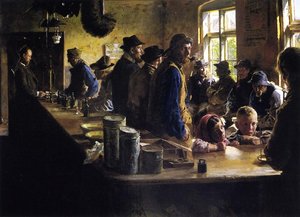
- Related Works by Krøyer: “Italian Village Hatters,” “Interior with the Artist’s Wife,” and “In the Store During a Pause from Fishing” – all part of the Hirschsprung Collection.
For more information, explore these resources:
Obras relacionadas
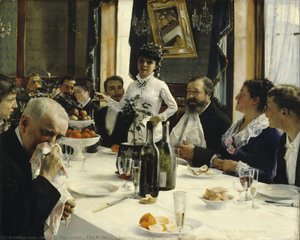
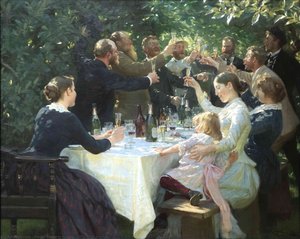
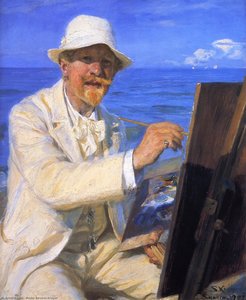
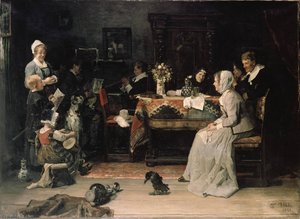

Biografía del artista
A Life Painted in Light: The World of Peder Severin Krøyer
Peder Severin Krøyer, a name perhaps less instantly recognizable than some of his Impressionist contemporaries, nevertheless occupies a pivotal position within Scandinavian art. Born in 1851 in Stavanger, Norway, Krøyer’s early life was marked by an unusual upbringing; raised not by his biological mother but by her sister and brother-in-law, the Danish zoologist Henrik Nikolai Krøyer, he found himself transplanted to Copenhagen and immersed in a world of scientific inquiry alongside artistic cultivation. This unique foundation – a blend of observation, precision, and aesthetic sensibility – would profoundly shape his approach to painting. While details of his earliest years remain somewhat elusive, it’s clear that an aptitude for art was nurtured from a young age, leading to enrollment at the Royal Danish Academy of Art at just fourteen. He quickly distinguished himself, demonstrating a natural talent that promised a successful career.From Realism to the Shifting Sands of Impressionism
Krøyer’s artistic journey began firmly rooted in realism, particularly portraiture – a genre highly esteemed and financially viable during his formative years. He excelled at capturing likenesses, securing commissions that established him as a sought-after artist within Danish society. However, the winds of change were blowing across Europe, carrying with them the revolutionary ideas of Impressionism. Krøyer was not immune to their allure. Several trips to Paris exposed him to the groundbreaking work of Monet, Renoir, Degas, and others, artists who dared to abandon traditional techniques in favor of capturing fleeting moments of light and atmosphere. He absorbed these influences, gradually incorporating them into his own style. This wasn’t a wholesale adoption, however; Krøyer didn’t simply replicate Impressionism. Instead, he synthesized it with his existing realist training, creating a distinctive aesthetic that balanced meticulous observation with an evocative sense of mood and transience.Skagen: A Colony of Light and Inspiration
The turning point in Krøyer’s career – and arguably the period for which he is most celebrated – came with his discovery of Skagen, a remote fishing village on the northern tip of Denmark. He first arrived there in 1882, drawn by the dramatic coastal landscapes and the unique quality of light that bathed the region. Skagen quickly became more than just a location; it was an artistic haven, attracting a vibrant colony of painters, writers, and intellectuals. Krøyer became central to this community, forging close friendships with artists like Michael and Anna Ancher, and writer Holger Drachmann. He married Marie Triepcke in 1889, who herself was a talented painter and frequent subject in his work. It was at Skagen that Krøyer truly found his voice, producing some of his most iconic paintings – scenes of beach life, fishermen at work, and intimate portraits of his fellow artists. Summer Evening on Skagen Sønderstrand, perhaps his most famous work, exemplifies this period; it's a masterful depiction of light, atmosphere, and the camaraderie of the artistic circle. The painting is not merely a representation of a scene but an evocation of a feeling – a sense of peace, belonging, and the ephemeral beauty of summer.Later Years and Enduring Legacy
The final years of Krøyer’s life were marked by personal tragedy and declining health. His marriage to Marie deteriorated, culminating in divorce in 1905. Simultaneously, he began to suffer from failing eyesight, a devastating blow for any artist but particularly poignant for one so dedicated to capturing the nuances of light. Despite these challenges, Krøyer continued to paint, demonstrating remarkable resilience and determination. He adapted his technique to accommodate his diminishing vision, even joking that losing an eye had somehow improved the sight in his remaining one. He died in 1909 at Skagen, leaving behind a rich artistic legacy. While he may not have achieved the same international renown as some of his Impressionist peers, Peder Severin Krøyer remains a towering figure in Scandinavian art. His paintings offer a unique window into a specific time and place – the vibrant artistic community of Skagen and the serene beauty of the Danish coastline. He masterfully blended realism with impressionistic techniques, creating works that are both visually stunning and emotionally resonant. His contribution lies not only in his technical skill but also in his ability to capture the essence of a particular way of life, preserving it for generations to come. ## Museums and Collections- The Hirschsprung Collection (Copenhagen): Holds a significant number of Krøyer’s works, reflecting the long-standing patronage of Heinrich Hirschsprung.
- Skagens Museum: Boasts the world's largest collection of paintings by Peder Severin Krøyer, offering an unparalleled insight into his artistic development and connection to Skagen.
- National Gallery of Denmark (Copenhagen): Features selected works representing Krøyer’s contribution to Danish art history.
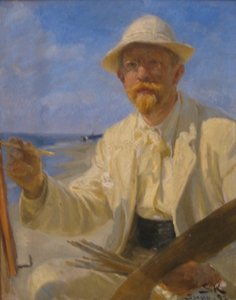
peder severin kroyer
1851 - 1909 , Noruega
Breves datos
- Artistic Movement Or Style: Realism, Impressionism
- Artists Or Movements Influenced By This Artist: ['Skagens Museum']
- Artists Who Influenced This Artist: ['Claude Monet']
- Date Of Birth: 1851
- Date Of Death: 1909
- Full Name: Peder Severin Krøyer
- Nationality: Danish
- Notable Artworks:
- Hip, Hip, Hurrah!
- Summer Day at Skagen
- Tarde de verano en Skagen
- Place Of Birth: Stavanger, Norway


