 Ver en contexto
 Enviar
 Compartir
 Detalles

 Descargar
 Similares
 Radiografía
 Presentación de diapositivas
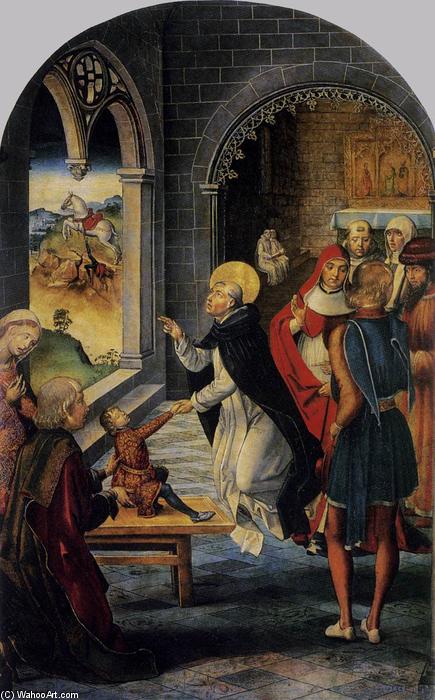
St Dominic Resurrects a Boy
 Oil On Panel
- Renaissance Humanism
 1495
1495- Renaissance
 122.0 x 83.0 cm
 Museo del Prado
 Ver más
Reproducción al óleo hecha a mano
Óleo sobre lienzo pintado a mano en el tamaño y marco de su elección, realizado por encargo por nuestros artistas. ( Comprar impresión Comprar imagen)




P118B $10

P118H $10

P118W $10

P438Z $10

P508JH $12

P508YH $12

P805H $10

P805Z $10

P919BZ $10

P919G $10

P919XJ $10

P959ZH $10

P968JZ $12

W106C $8

W218G $10

W218JH $8

W218Y $10

W307PJ $10

W316G $10

W316PJ $8

W316Y $10

W398PJ $8

W4111J $10

W500HY $15

W500JH $15

W692G $12

W849H $8

W940BG $15

W953PJ $8




Elija entre nuestros tamaños predefinidos que respetan las proporciones originales de la obra.

Puede ingresar sus propias dimensiones para adaptarse a un marco o espacio específico. Si el tamaño seleccionado no coincide con las proporciones de la imagen original, recortaremos la obra o extenderemos la pintura con elementos adicionales pintados a mano. Se le enviará una maqueta digital para su aprobación antes de comenzar la producción.
Tenga en cuenta que la vista previa en pantalla no refleja el recorte o la extensión reales. Solo la maqueta mostrará con precisión la composición final.
Si bien existen tamaños personalizados, recomendamos seleccionar una dimensión de la lista predefinida para preservar las proporciones originales.
Tras realizar el pedido, el equipo de ArtsDot.com enviará un correo electrónico al cliente para solicitar instrucciones y proporcionarle una vista previa del boceto.
Envío a todo el mundo () en 3-4 semanas en lugar de las 5 semanas estándar. (28 agosto). Sin comprometer la calidad.

Envío exprés gratuito a todo el mundo

Lienzo de lino de alta calidad

Seguro de envío total

Garantía de reembolso de impuestos aduaneros

Garantía de fidelidad cromática exacta

Política de devolución de 60 días (solo por defectos)

Garantía de devolución del 100% del dinero

Descuento por cantidad
 La opción de vidrio solo está disponible en tamaños inferiores a 110 cm.

St Dominic Resurrects a Boy
Técnica de reproducción
Dimensiones de la reproducción
-


Precio total final
$ 263
A Miracle Captured in Tempera: St Dominic Resurrects a Boy
To stand before this depiction of St Dominic Resurrects a Boy is to step directly into the charged atmosphere of the late fifteenth century. Pedro Berruguete’s masterful hand has preserved not merely an event, but a profound moment of divine intervention. The scene unfolds with breathtaking drama within what appears to be a richly appointed Gothic sanctuary. One can almost hear the hushed gasps and whispered prayers echoing off the vaulted stone arches visible in the background. This painting is far more than a religious narrative; it is a vibrant testament to human faith confronting the mystery of life itself, rendered with an astonishing degree of technical brilliance.
The Confluence of Styles: Gothic Grandeur Meets Renaissance Realism
Berruguete himself stands at a fascinating crossroads in art history. His style beautifully embodies the transition from the ornate spirituality of the Gothic period toward the burgeoning naturalism of the Renaissance. Observe the architecture; the pointed arches and intricate detailing speak to the enduring majesty of the Gothic tradition, lending the setting an air of sacred permanence. Yet, look closer at the figures—the drapery falls with a weight and logic that suggests a new understanding of human anatomy and emotion. This careful blending allows the piece to feel both timelessly devotional and startlingly immediate, drawing the viewer into its palpable reality.
Symbolism and Emotional Resonance
At the heart of the composition lies the miracle: St Dominic’s act of resurrection. The contrast between the lifeless boy and the vibrant energy emanating from the saint is deeply symbolic. It speaks to themes of redemption, divine grace overcoming earthly despair, and the enduring power of spiritual conviction. The surrounding figures—the monks and onlookers—are painted with such nuanced emotional depth; their expressions range from profound awe to quiet contemplation. Berruguete guides our eye through these faces, inviting us not just to witness the miracle, but to feel its weight upon our own souls.
Mastery in Technique and Detail
The technical execution is nothing short of breathtaking. Executed in tempera on panel, the medium lends a luminous quality to the colors that seems almost ethereal. The interplay of light and shadow is orchestrated with expert precision; an unseen source illuminates the central action from the left, casting soft yet dramatic shadows across the richly textured robes and stone surfaces. This masterful use of chiaroscuro gives the entire scene a profound sense of three-dimensionality, making the flat panel seem to breathe with life. For those who appreciate fine craftsmanship, the meticulous rendering of every fold of cloth and every fresco detail confirms Berruguete’s status as a painter of extraordinary skill.
Bringing Sacred Art Home
Owning a reproduction of this work is acquiring a piece of art history that continues to speak across centuries. It offers an unparalleled opportunity to connect with the devotional intensity of the late Quattrocento Spanish school. Whether adorning a formal study, a chapel space, or a grand hall, St Dominic Resurrects a Boy serves as a powerful focal point—a visual meditation on hope, faith, and the enduring mystery that art has always sought to capture.
Obras relacionadas
Biografía del artista
Pedro Berruguete: Bridging Gothic Legacy and Renaissance Dawn
Pedro Berruguete (c. 1450 – 1504) stands as a pivotal figure in Spanish art history, marking the crucial transition between the solemn grandeur of Gothic painting and the burgeoning optimism of the Italian Renaissance. Born in Paredes de Nava, Castile, his exact birth year remains elusive, shrouded in the vagueness characteristic of artists whose lives were documented sparsely during their time. His lineage traced back to noble families, providing him with a foundation for artistic pursuits that would ultimately reshape the visual landscape of Spain. Despite the lack of definitive biographical details—a frustrating impediment for art historians—Berruguete’s oeuvre speaks volumes about his profound understanding and masterful execution of stylistic innovations. He emerged from the shadow of Gothic tradition, absorbing its expressive fervor and meticulous detail, yet simultaneously embracing the humanist ideals and geometric precision championed by Florentine masters like Brunelleschi and Donatello. This duality is palpable in his paintings, where stylized figures coexist with carefully rendered drapery and architectural elements—a hallmark of the emerging Renaissance aesthetic. Consider “David,” a monumental sculpture embodying both Gothic reverence for biblical narratives and Renaissance anatomical accuracy; it exemplifies Berruguete’s ability to synthesize disparate artistic influences into a cohesive visual language. His artistic journey gained momentum during a period marked by religious upheaval; Berruguete’s most celebrated works depict scenes from the early Inquisition, capturing the anxieties and moral dilemmas of the era with unflinching realism. The dramatic compositions—often featuring figures caught in moments of intense emotion—reflect the psychological depth characteristic of Renaissance art while retaining elements of Gothic expressive intensity. His retablo panels for Castilian churches are particularly noteworthy, demonstrating his technical prowess and ability to convey profound spiritual narratives. These commissions solidified his reputation as a leading artist of his time and cemented his place within the artistic canon. The speculation surrounding Berruguete’s travels to Italy in 1480 is intriguing. Evidence suggests he spent time at Federico III da Montefeltro's court in Urbino, immersing himself in the vibrant artistic environment fostered by Lorenzo de Medici’s patronage. While attribution remains debated—with Justus van Gent also active in Urbino during that period—the influence of Italian Renaissance artists undoubtedly permeated Berruguete’s thinking and technique. He returned to Spain in 1482, establishing studios in Toledo and Ávila, where he continued to refine his style and produce monumental artworks. This return marked a decisive moment in his artistic development, allowing him to integrate Renaissance principles into his distinctive Gothic framework. Perhaps most importantly, Berruguete is recognized as the father of Alonso Berruguete (c. 1475–1561), arguably Spain’s greatest sculptor during the Renaissance. This familial connection further elevates Berruguete's significance—his son’s sculptural achievements served as a testament to his artistic legacy and established a powerful tradition within Spanish art. The distinction between “Pedro” and “Alonso” reflects the broader cultural shift occurring in Spain, where older masters nurtured younger talents, propelling artistic innovation forward. His sculptures – notably "The Ecstasy of Saint Teresa" – continue to inspire awe and admiration for their expressive power and masterful craftsmanship. Berruguete’s contribution to Spanish art is undeniable—he stands as a beacon of artistic transition, embodying the spirit of a nation embracing new horizons while honoring its venerable past.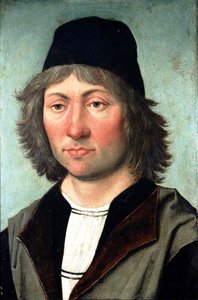
Pedro Berruguete
1450 - 1504 , España
Datos clave
- Artistic Movement Or Style: Transición entre Gótico y Renacimiento
- Artists Or Movements Influenced By This Artist: ['Lorenzo de Medici']
- Artists Who Influenced This Artist: ['Justus van Gent']
- Date Of Birth: c. 1450
- Date Of Death: 1504
- Full Name: Pedro Berruguete
- Nationality: Español
- Notable Artworks:
- David
- Ezekiel
- Salomon
- Place Of Birth: Paredes de Nava, España
Artículos relacionados
El Greco: Las 25 Obras Maestras que Definen un Genio del Arte y la Fe
Descubre las 25 obras maestras de El Greco, el genio del Renacimiento español. Explora su arte religioso, manierismo y la historia detrás de cuadros icónicos como 'El Entierro del Conde de Orgaz'. Encuentra reproducciones de alta calidad en ArtsDot.com.
The Golden Age Reforged: Dramatic Realism & Religious Zeal in Spanish Baroque Art
Explore the dramatic world of Spanish Baroque art! Discover masters like Zurbarán & the powerful influence of religious zeal on painting techniques – a guide for collectors and enthusiasts.
El Crepúsculo Radiante de la Visión Medieval: Fe, Forma y Emotividad en el Arte Gótico Tardío (c. 1300-1500)
Explore el esplendor del arte gótico tardío (c. 1300-1500). Descubra la síntesis de fe, forma y emoción en la pintura internacional, los retablos medievales y la influencia de Giotto. Análisis experto.
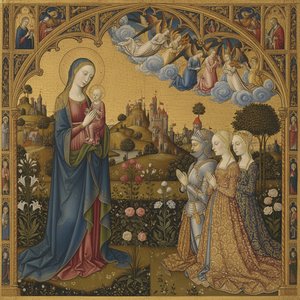
Más Allá de las Fronteras: Innovaciones Espirituales y Estilísticas del Arte Gótico Internacional
Descubra las innovaciones espirituales y estilísticas del Arte Gótico Internacional. Análisis profundo de sus orígenes, características clave, influencia en España y legado artístico. Expertos en historia del arte.
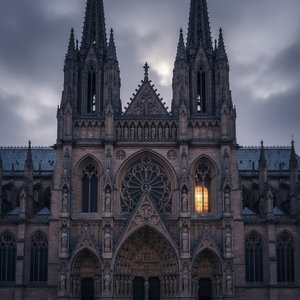
La Sombra de la Fe: Explorando la Intensidad Espiritual y la Innovación Arquitectónica del Arte Gótico
Descubre la profunda espiritualidad y la innovadora arquitectura del arte gótico. Explora la Basílica de Saint-Denis, su simbolismo cristiano y el legado duradero de este fascinante estilo. Análisis experto en ArtsDot.