

 Ver en contexto
 Enviar
 Compartir
 Detalles

 Descargar
 Similares
 Radiografía
 Presentación de diapositivas
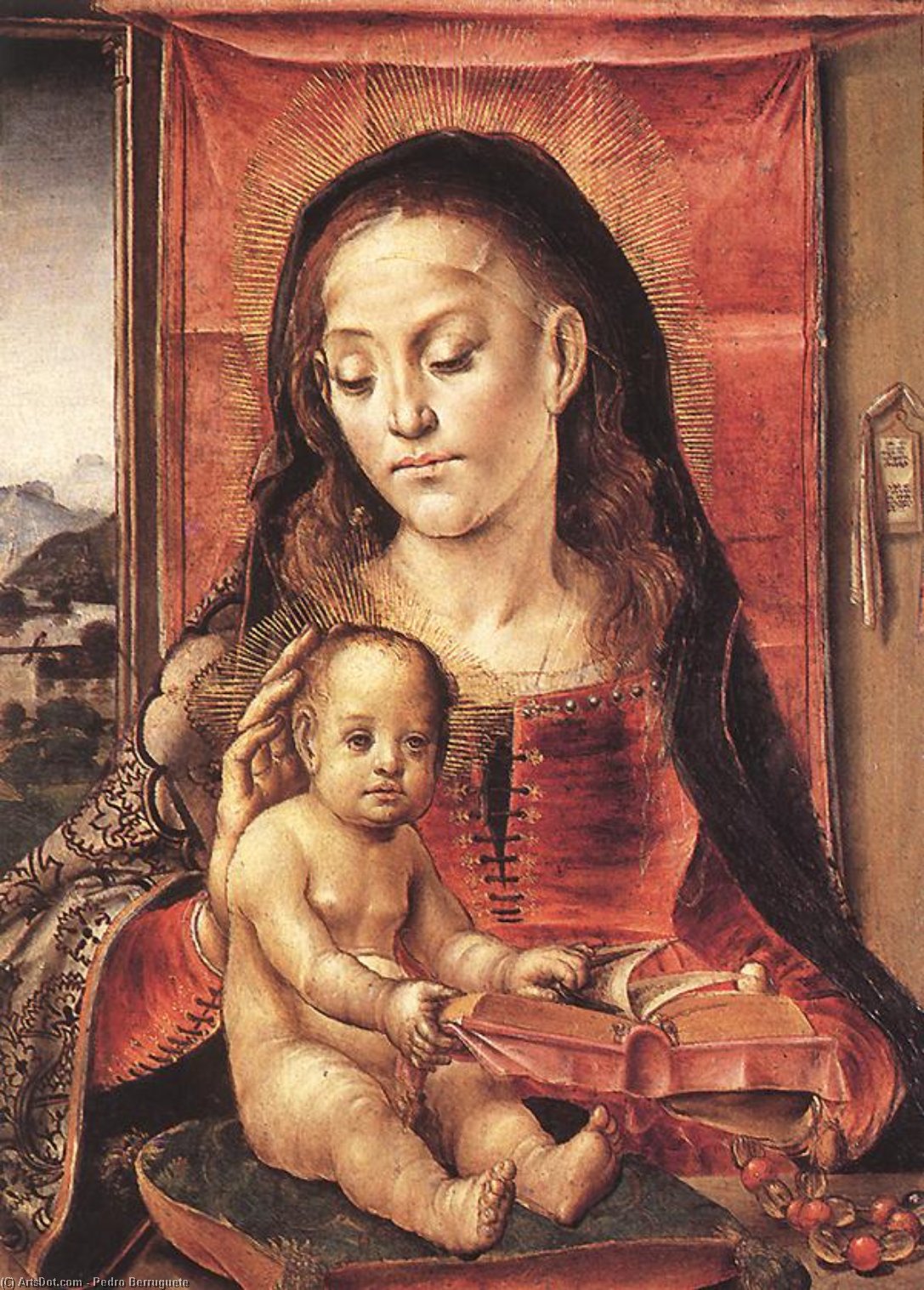
Virgin and Child
 Oil On Panel
- WallArt
- Renaissance
 Renaissance
 58.0 x 43.0 cm
 Museo del Prado
 Ver más
Reproducción al óleo hecha a mano
Óleo sobre lienzo pintado a mano en el tamaño y marco de su elección, realizado por encargo por nuestros artistas. ( Comprar impresión Comprar imagen)




P118B $10

P118H $10

P118W $10

P438Z $10

P508JH $12

P508YH $12

P805H $10

P805Z $10

P919BZ $10

P919G $10

P919XJ $10

P959ZH $10

P968JZ $12

W106C $8

W218G $10

W218JH $8

W218Y $10

W307PJ $10

W316G $10

W316PJ $8

W316Y $10

W398PJ $8

W4111J $10

W500HY $15

W500JH $15

W692G $12

W849H $8

W940BG $15

W953PJ $8




Elija entre nuestros tamaños predefinidos que respetan las proporciones originales de la obra.

Puede ingresar sus propias dimensiones para adaptarse a un marco o espacio específico. Si el tamaño seleccionado no coincide con las proporciones de la imagen original, recortaremos la obra o extenderemos la pintura con elementos adicionales pintados a mano. Se le enviará una maqueta digital para su aprobación antes de comenzar la producción.
Tenga en cuenta que la vista previa en pantalla no refleja el recorte o la extensión reales. Solo la maqueta mostrará con precisión la composición final.
Si bien existen tamaños personalizados, recomendamos seleccionar una dimensión de la lista predefinida para preservar las proporciones originales.
Tras realizar el pedido, el equipo de ArtsDot.com enviará un correo electrónico al cliente para solicitar instrucciones y proporcionarle una vista previa del boceto.
Envío a todo el mundo () en 3-4 semanas en lugar de las 5 semanas estándar. (28 agosto). Sin comprometer la calidad.

Envío exprés gratuito a todo el mundo

Lienzo de lino de alta calidad

Seguro de envío total

Garantía de reembolso de impuestos aduaneros

Garantía de fidelidad cromática exacta

Política de devolución de 60 días (solo por defectos)

Garantía de devolución del 100% del dinero

Descuento por cantidad
 La opción de vidrio solo está disponible en tamaños inferiores a 110 cm.

Virgin and Child
Técnica de reproducción
Dimensiones de la reproducción
-


Precio total final
$ 263
A Synthesis of Gothic Reverence and Renaissance Humanism: Examining Pedro Berruguete’s ‘Virgin and Child’
Pedro Berruguete's “Virgin and Child,” created around 1500, stands as a testament to the transformative period in Spanish art history—the delicate balance between the solemn traditions of Gothic painting and the burgeoning optimism championed by the Italian Renaissance. Born in Paredes de Nava, Castile, his biographical details remain elusive, mirroring the challenges faced by artists whose lives were documented sparsely during the fifteenth century. Yet, this lack of definitive information does not diminish the profound artistic legacy he bequeathed to subsequent generations. Instead, it compels us to appreciate the sheer brilliance of his oeuvre—a masterful fusion of stylistic influences that solidified Berruguete’s position as a pivotal figure in shaping Spain's visual culture. The painting exemplifies Gothic sensibilities initially, notably evident in its architectural setting: a recessed niche adorned with opulent gemstones and reliefs depicting biblical narratives – specifically, Adam – reflecting the enduring influence of medieval artistic conventions. However, Berruguete swiftly embraced Renaissance ideals, prioritizing geometric precision and humanist contemplation alongside meticulous observation of naturalism. This duality is powerfully conveyed through the masterful use of light and shadow, characteristic of the Florentine masters who preceded him. The window positioned on the left side casts a dramatic illumination upon Mary and Jesus, creating depth and dimensionality that transcends mere representation; it aims to evoke an emotional response in the viewer—a palpable sense of serenity and spiritual contemplation. Technically, Berruguete employed oil paint on panel, a technique favored during this era for its ability to achieve luminous colors and nuanced tonal gradations. The artist’s meticulous attention to detail is breathtaking: observe the intricate folds of Mary's robe, rendered with painstaking accuracy; scrutinize the delicate expressions etched upon their faces—expressions conveying tenderness and devotion. These details underscore Berruguete’s commitment to realism, mirroring the Renaissance fascination with accurately portraying human anatomy and emotion. The artist skillfully captures the essence of Christian piety, presenting a scene imbued with profound symbolic significance. Mary's posture embodies regal dignity and maternal compassion, while Jesus’s serene gaze symbolizes divine innocence and grace—themes central to the spiritual discourse of the time. Furthermore, Berruguete’s palette is dominated by rich hues – reds symbolizing royalty and faith; golds representing divinity and illumination; and whites signifying purity and holiness – colors deliberately chosen to heighten the painting's solemn grandeur. The composition itself adheres to established Renaissance principles, prioritizing balance and harmony while simultaneously conveying a narrative of profound spiritual importance. As evidenced by scholarly research—particularly detailed analyses conducted at institutions like The Walters Art Museum and Museo del Prado—Berruguete’s “Virgin and Child” continues to inspire admiration for its artistic merit and enduring emotional resonance. Its presence in prominent collections underscores its significance as a cornerstone of Spanish Renaissance art, ensuring that Berruguete's masterpiece remains accessible to connoisseurs and enthusiasts alike.- Artist: Pedro Gonzales Berruguete
- Date: Unknown
- Medium: Oil on Panel
- Dimensions: 58 x 43 cm
Obras relacionadas
Biografía del artista
Pedro Berruguete: Bridging Gothic Legacy and Renaissance Dawn
Pedro Berruguete (c. 1450 – 1504) stands as a pivotal figure in Spanish art history, marking the crucial transition between the solemn grandeur of Gothic painting and the burgeoning optimism of the Italian Renaissance. Born in Paredes de Nava, Castile, his exact birth year remains elusive, shrouded in the vagueness characteristic of artists whose lives were documented sparsely during their time. His lineage traced back to noble families, providing him with a foundation for artistic pursuits that would ultimately reshape the visual landscape of Spain. Despite the lack of definitive biographical details—a frustrating impediment for art historians—Berruguete’s oeuvre speaks volumes about his profound understanding and masterful execution of stylistic innovations. He emerged from the shadow of Gothic tradition, absorbing its expressive fervor and meticulous detail, yet simultaneously embracing the humanist ideals and geometric precision championed by Florentine masters like Brunelleschi and Donatello. This duality is palpable in his paintings, where stylized figures coexist with carefully rendered drapery and architectural elements—a hallmark of the emerging Renaissance aesthetic. Consider “David,” a monumental sculpture embodying both Gothic reverence for biblical narratives and Renaissance anatomical accuracy; it exemplifies Berruguete’s ability to synthesize disparate artistic influences into a cohesive visual language. His artistic journey gained momentum during a period marked by religious upheaval; Berruguete’s most celebrated works depict scenes from the early Inquisition, capturing the anxieties and moral dilemmas of the era with unflinching realism. The dramatic compositions—often featuring figures caught in moments of intense emotion—reflect the psychological depth characteristic of Renaissance art while retaining elements of Gothic expressive intensity. His retablo panels for Castilian churches are particularly noteworthy, demonstrating his technical prowess and ability to convey profound spiritual narratives. These commissions solidified his reputation as a leading artist of his time and cemented his place within the artistic canon. The speculation surrounding Berruguete’s travels to Italy in 1480 is intriguing. Evidence suggests he spent time at Federico III da Montefeltro's court in Urbino, immersing himself in the vibrant artistic environment fostered by Lorenzo de Medici’s patronage. While attribution remains debated—with Justus van Gent also active in Urbino during that period—the influence of Italian Renaissance artists undoubtedly permeated Berruguete’s thinking and technique. He returned to Spain in 1482, establishing studios in Toledo and Ávila, where he continued to refine his style and produce monumental artworks. This return marked a decisive moment in his artistic development, allowing him to integrate Renaissance principles into his distinctive Gothic framework. Perhaps most importantly, Berruguete is recognized as the father of Alonso Berruguete (c. 1475–1561), arguably Spain’s greatest sculptor during the Renaissance. This familial connection further elevates Berruguete's significance—his son’s sculptural achievements served as a testament to his artistic legacy and established a powerful tradition within Spanish art. The distinction between “Pedro” and “Alonso” reflects the broader cultural shift occurring in Spain, where older masters nurtured younger talents, propelling artistic innovation forward. His sculptures – notably "The Ecstasy of Saint Teresa" – continue to inspire awe and admiration for their expressive power and masterful craftsmanship. Berruguete’s contribution to Spanish art is undeniable—he stands as a beacon of artistic transition, embodying the spirit of a nation embracing new horizons while honoring its venerable past.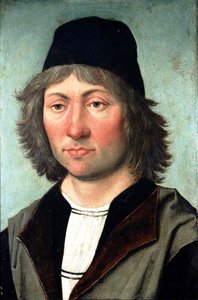
Pedro Berruguete
1450 - 1504 , España
Datos clave
- Artistic Movement Or Style: Transición entre Gótico y Renacimiento
- Artists Or Movements Influenced By This Artist: ['Lorenzo de Medici']
- Artists Who Influenced This Artist: ['Justus van Gent']
- Date Of Birth: c. 1450
- Date Of Death: 1504
- Full Name: Pedro Berruguete
- Nationality: Español
- Notable Artworks:
- David
- Ezekiel
- Salomon
- Place Of Birth: Paredes de Nava, España
Artículos relacionados
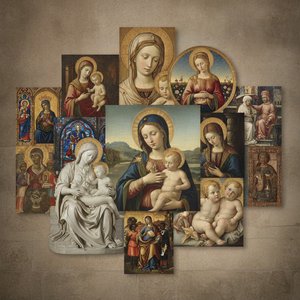
10 Iconic Masterpieces That Redefine the Virgin Mary
Journey through history with 10 iconic Madonna paintings. From Renaissance masters to sacred oil masterpieces, explore the stories behind these timeless religious artworks. Find museum-quality reproductions and decor inspiration. Discover all masterpieces on ArtsDot.com.
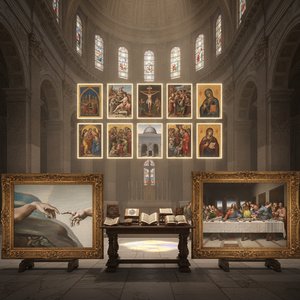
Divine Visions: Top 10 Masterpieces Exploring Religious Themes
Journey through history with 10 iconic religious masterpieces. From Renaissance classics to Baroque drama, explore the stories behind these sacred works. Find museum-quality art reproductions and curated decor inspiration. Discover all masterpieces on ArtsDot.com.
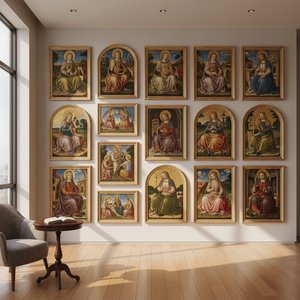
Fra Angelico: Las 25 Obras Maestras del Renacimiento para Decorar con Arte y Fe
Descubre las 25 obras maestras de Fra Angelico, el pintor renacentista que llenó el arte sacro de luz y fe. Explora su técnica, simbolismo y belleza en frescos e iconos. Encuentra reproducciones de alta calidad para decorar tu hogar con ArtsDot.com.
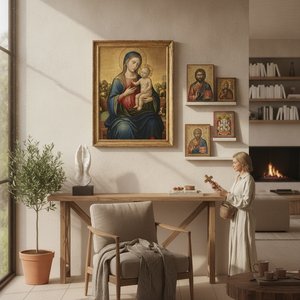
Divine Beauty: A Connoisseur's Guide to Selecting Captivating Religious Art for Your Home
Discover how to select breathtaking religious art for your home. Our expert guide explores sacred themes, from Renaissance grace to Baroque drama, helping you find hand-painted masterpieces that inspire devotion and elevate your interior design with timeless beauty.
Giotto di Bondone: Las 25 Obras Maestras que Definieron el Renacimiento | ArtsDot
Descubre las 25 obras maestras de Giotto di Bondone, el pionero del Renacimiento. Explora la historia, técnica y simbolismo de sus frescos italianos más icónicos. Encuentra reproducciones de arte exclusivas para decorar tu hogar en ArtsDot.com.

