

 Ver en contexto
 Enviar
 Compartir
 Detalles

 Descargar
 Similares
 Radiografía
 Presentación de diapositivas
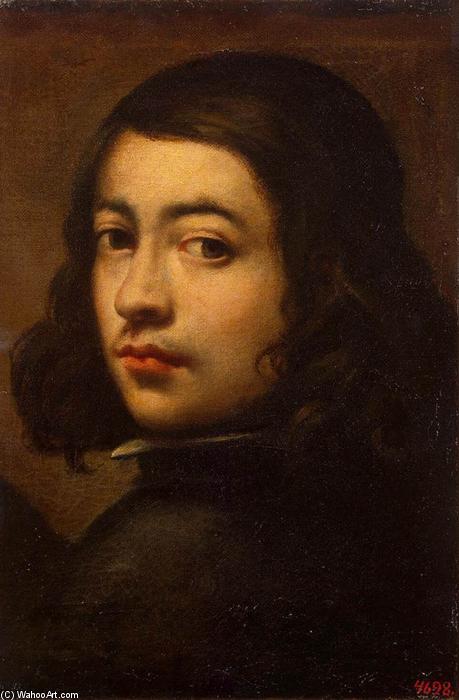
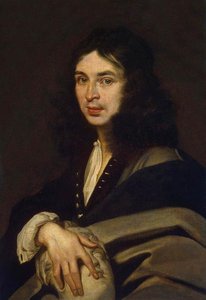
Portrait of a Man
 1655
1655 43.0 x 29.0 cm
 Museo del Hermitage
 Ver más
Adquiera una imagen digital de alta resolución y optimizada, muy superior a la vista previa en línea.
Cada archivo es preparado meticulosamente por nuestros especialistas internos mediante el uso de herramientas avanzadas y un experto retoque manual. Nos aseguramos de que cada imagen posea una claridad excepcional, una precisión cromática impecable y un detalle minucioso.
El archivo final se entrega por correo electrónico en un plazo de 72 horas, optimizado para su uso inmediato en entornos profesionales, editoriales y de impresión. Esta es la misma calidad en la que confían los estudios de diseño, las editoriales y las galerías de primer nivel.
Imagen Digital
Descarga un archivo de alta resolución para exhibición personal, impresión y proyectos creativos. ( Comprar impresión Comprar pintura hecha a mano)
Incluido en cada pedido de imágenes digitales
Entrega digital experta, garantizada.
Al elegir ArtsDot.com, no solo está adquiriendo una imagen; está recibiendo una obra de arte digital mejorada profesionalmente, elaborada con precisión y respaldada por una garantía de satisfacción. Esto es todo lo que incluye su pedido, automáticamente:

Entrega rápida por email
Recibirá su archivo de imagen digital en alta resolución por correo electrónico en un plazo de 72 horas tras realizar su pedido, listo para su uso inmediato.

Archivo digital optimizado por IA
Su obra de arte se optimiza profesionalmente mediante herramientas avanzadas de IA y edición manual, garantizando el máximo detalle, claridad y precisión cromática.

Reenvío gratuito de por vida
¿Has borrado o perdido tu archivo por error? No te preocupes: te lo volveremos a enviar en cualquier momento, sin coste adicional.

Sin gastos de importación, siempre
Disfrute de su obra de arte al instante sin aduanas, aranceles ni gastos de envío; las descargas digitales siempre están libres de impuestos.

Garantía de fidelidad de color
Garantizamos que su imagen digital refleje los colores originales con la mayor fidelidad posible, mediante el uso de herramientas profesionales y gestión del color.

Garantía de satisfacción de 60 días
Si no está satisfecho con su imagen digital, la revisaremos o le reembolsaremos el 100% en un plazo de 60 días, sin preguntas.

100% Garantía de devolución de dinero
¿No está satisfecho? Obtenga un reembolso completo dentro de los 60 días posteriores a la recepción de su archivo digital, sin necesidad de explicaciones.

Descuentos por pedidos grandes
Compra 3 imágenes, ahorra 10% - Compra 5, ahorra 15% - Compra 10+, ahorra 20%. Ideal para proyectos creativos, galerías y agencias.
Descripción del coleccionable
Artistic Technique and Style
The use of light and shadow in the painting is remarkable, highlighting the contours of the face and hair, and adding depth and dimension to the portrait. The dark background serves to draw attention to the subject's face, emphasizing their features and expression. The artist's skillful handling of color and composition creates a sense of balance and harmony, making the painting a true masterpiece of Baroque art.- The painting's style is reminiscent of other notable works from the same period, such as those by Domenico Robusti and Barthel Bruyn The Elder.
- For more information on similar paintings, visit Pedro De Moya's Portrait of a Man and Barthel Bruyn The Elder's Portrait of a Man with Three Sons.
The Portrait of a Man by Pedro De Moya is a testament to the artist's skill and craftsmanship, and its beauty and elegance continue to inspire art lovers to this day. Whether you are an art historian, collector, or simply someone who appreciates the beauty of art, this painting is sure to captivate and intrigue.
Obras relacionadas






Biografía del artista
The Soul of the Spanish Baroque: The Life and Legacy of Pedro de Moyá
In the golden age of the Spanish Baroque, few artists captured the profound intersection of spiritual ecstasy and human drama as poignantly as Pedro de Moyá. Born in the historic city of Granada in 1610, Moyá emerged from a landscape steeped in religious fervor and artistic innovation. While the biographical shadows surrounding his early years remain somewhat elusive, his presence in the annals of art history is unmistakable. His journey was not merely that of a studio painter, but one shaped by the vast, turbulent currents of 17th-century Europe. Trained under the esteemed Juan del Castillo in Seville, Moyá inherited the foundational principles of the Sevillian school—a tradition defined by its meticulous attention to detail and an expressive, emotive use of color that would become the heartbeat of his later masterpieces.
Moyá’s life was marked by a unique duality, blending the discipline of a soldier with the sensitivity of a master painter. His service in the Spanish armies stationed in Flanders provided him with more than just a reprieve from the easel; it offered a window into the broader European artistic dialogue. Traveling through the Low Countries and eventually reaching the bustling streets of London, Moyá was exposed to the burgeoning influences of Northern realism and English portraiture. This cosmopolitan exposure breathed a new dimension into his work, allowing him to infuse the rigid structures of Spanish religious iconography with a more nuanced, international sensibility. When he finally returned to the sun-drenched landscapes of Seville and Granada following his discharge in 1641, he did so not just as a returning veteran, but as an artist enriched by the diverse visual languages of a continent in flux.
A Mastery of Light and Devotion
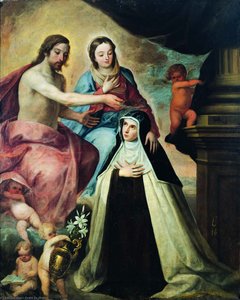
The true brilliance of Moyá lies in his command over chiaroscuro, the dramatic interplay of light and shadow that serves as the emotional engine of Baroque art. He possessed an uncanny ability to use darkness not merely as a void, but as a weight—a heavy, atmospheric presence from which divine light could emerge with startling clarity. In his religious compositions, such as the evocative Vision of St. Maria Magdalena di Piti, this technique transcends mere decoration; it becomes a theological tool, guiding the viewer’s eye toward moments of spiritual revelation and profound sanctity.
His oeuvre is characterized by several defining artistic pillars:
- Emotional Intensity: Moyá moved beyond static iconography to depict the palpable human emotions—fear, rapture, and contemplation—inherent in biblical narratives.
- Dynamic Composition: Utilizing the tension between light and dark, he created scenes that feel as though they are caught in a moment of perpetual motion.
- Portraiture and Presence: Beyond his sacred works, his secular portraits, such as the 1655 Portrait of a Man now held in the Hermitage Museum, demonstrate an exquisite ability to capture the dignity and psychological depth of his subjects through subtle facial contours and sophisticated light.
Historical Significance and Enduring Influence
Though Pedro de Moyá passed away in 1660, leaving behind a legacy that continues to resonate within the halls of great museums, his impact on the trajectory of Spanish art remains profound. He served as a vital link between the traditional Sevillian masters and the next generation of innovators. It is noted that even later artists, such as the talented Pedro Atanasio Bocanegra, looked toward Moyá’s mastery of color and light as a standard of excellence to be emulated. His ability to synthesize the grit of military life with the ethereal beauty of religious mysticism allowed him to create a body of work that feels both grounded in human reality and elevated by divine aspiration.
Today, when we gaze upon his canvases, we do not merely see relics of the 17th century; we witness the enduring power of the Baroque spirit. Moyá’s work remains a testament to an era where art was the primary vessel for exploring the mysteries of faith and the complexities of the human soul, ensuring his place as a true master of the Spanish Golden Age.
pedro de moya
1610 - 1660 , Spain
Breves datos
- Artistic Movement Or Style: Baroque Art
- Artists Or Movements Influenced By This Artist: ['Seville Painting']
- Artists Who Influenced This Artist: ['Juan del Castillo']
- Date Of Birth: 1610 Granada Spain
- Date Of Death: 1674?
- Full Name: Pedro de Moyá
- Nationality: Spanish
- Notable Artworks:
- Portrait of a Man
- Holy Family
- Vision of St Maria Magdalena di Pazzi
- Place Of Birth: Granada Spain

