 Ver en contexto
 Enviar
 Compartir
 Detalles

 Descargar
 Similares
 Radiografía
 Presentación de diapositivas
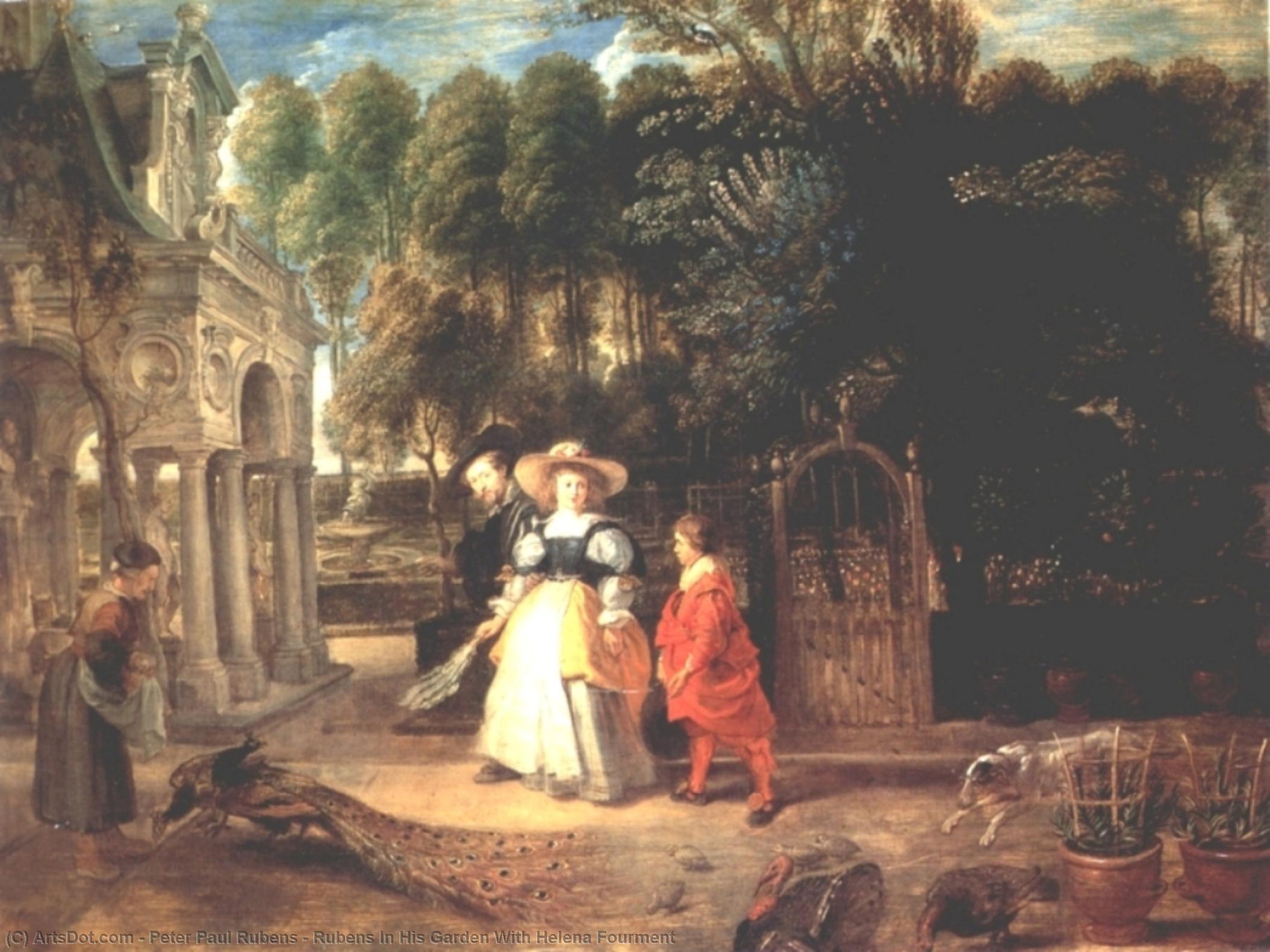
Rubens En Su Jardín Con Helena Fourment
 Óleo sobre lienzo
- Arte de pared
- Baroque Splendor
 1631
1631- Renacimiento
 97.0 x 131.0 cm
 Ver más
Giclée / Impresión de arte
Impresiones giclée o en lienzo de calidad de museo con producción rápida y opciones de acabado flexibles. ( Comprar pintura hecha a mano Comprar imagen)




P118B $10

P118H $10

P118W $10

P438Z $10

P508JH $12

P508YH $12

P805H $10

P805Z $10

P919BZ $10

P919G $10

P919XJ $10

P959ZH $10

P968JZ $12

W106C $8

W218G $10

W218JH $8

W218Y $10

W307PJ $10

W316G $10

W316PJ $8

W316Y $10

W398PJ $8

W4111J $10

W500HY $15

W500JH $15

W692G $12

W849H $8

W940BG $15

W953PJ $8




Elija entre nuestros tamaños predefinidos que respetan las proporciones originales de la obra.

Puede introducir sus propias dimensiones para adaptarse a un marco o espacio específico. Si el tamaño seleccionado no coincide con las proporciones de la imagen original, recortaremos la obra de arte o extenderemos la imagen con un borde con efecto espejo o de color sólido. Se enviará una maqueta digital para su aprobación antes de que comience la producción.
Tenga en cuenta que la vista previa en pantalla no refleja el recorte o la extensión real. Solo la maqueta mostrará con precisión la composición final.
Aunque existen tamaños personalizados, recomendamos seleccionar una dimensión de la lista predefinida para preservar las proporciones originales.
Envío a todo el mundo () en 2 semanas en lugar de las 4/5 semanas estándar. (23 agosto)

Envío exprés gratuito a todo el mundo

Lienzo de lino de alta calidad

Seguro de envío total

Garantía de reembolso de impuestos aduaneros

Garantía de fidelidad cromática exacta

Política de devolución de 60 días (solo por defectos)

Garantía de devolución del 100% del dinero

Descuento por cantidad
 La opción de vidrio solo está disponible en tamaños inferiores a 110 cm.

Rubens En Su Jardín Con Helena Fourment
Giclée / Impresión de arte
Dimensiones de la reproducción
-


Precio total final
$ 62
Descripción de la pieza
Peter Paul Rubens: Un Reflejo de la Belleza Barroca en el Jardín
Peter Paul Rubens, una figura colosal del arte flamenco barroco, es celebrado por sus composiciones cargadas de emoción que hacen referencia a aspectos eruditos de la historia clásica y cristiana. Una de sus obras más notables, Rubens In His Garden With Helena Fourment, ofrece una fascinante mirada a la vida de este influyente artista. Esta pintura captura el espíritu de una época marcada por la grandeza artística y la profunda reflexión filosófica.
Estilo Artístico e Influencia
El estilo único barroco de Rubens enfatizó movimiento, color y sensualidad, siguiendo el estilo inmediato y dramático promovido en la Contrarreforma católica. Sus pinturas frecuentemente abordaban temas religiosos como el Éxtasis de Santa Teresa de Ávila o escenas bíblicas como La Última Cena, pero también exploraban paisajes impresionantes y retratos que buscaban capturar la esencia del carácter humano.
La Pintura: “Rubens In His Garden With Helena Fourment”
Esta obra maestra, fechada en 1631, mide 97 x 131 cm y está ejecutada sobre óleo sobre tabla. Representa a Peter Paul Rubens junto a una mujer que parece ser su esposa, Helena Fourment, en un entorno exterior exuberante. La escena es dinámica y llena de actividad, capturando la esencia de la vida durante ese período histórico. Dos perros están presentes en el cuadro, uno cerca del centro y otro hacia el lado derecho, mientras que un pájaro vuela sobre él, añadiendo una sensación de vitalidad al paisaje.
Contexto Histórico y Significado
Rubens nació y creció en el Imperio Romano Habsburgo (actual Alemania) bajo el reinado de Felipe II de España, donde la religión católica dominaba la sociedad. Tras la muerte de su padre en 1587, Rubens recibió una educación humanista excepcional y comenzó su formación artística alrededor de 1590 con el maestro local Adam van Noort, quien le inculcó técnicas avanzadas y un profundo conocimiento de los principios clásicos.
Elementos Simbólicos y Técnicas Artísticas
La composición barroca de Rubens es caracterizada por una iluminación teatral que crea efectos dramáticos y enfatiza las formas escultóricas. Los colores vibrantes y ricos, obtenidos mediante el uso de pigmentos naturales mezclados con aceite, permiten transmitir emociones intensas y capturar la belleza del mundo natural. Además, Rubens empleaba técnicas innovadoras como el *sfumato*, que suavizaban los límites entre luces y sombras para lograr una atmósfera envolvente.
Más allá de la Pintura: Rubens como Diplomático y Diseño
Pero Rubens fue mucho más que un pintor; también fue un diplomático activo que sirvió a España y luego Inglaterra, desempeñando un papel clave en las relaciones internacionales de su tiempo. Su inteligencia y habilidad política fueron reconocidas por sus contemporáneos, quienes lo admiraban como un hombre de letras y una figura destacada en la vida intelectual europea.
Para apreciar obras maestras como “Rubens In His Garden With Helena Fourment” y otros artistas influyentes del barroco español, visita https://ArtsDot.com para descubrir una colección excepcional de reproducciones hechas a mano de pinturas famosas.
Obras relacionadas


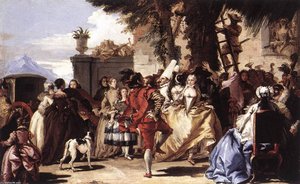
Biografía del artista
A Life Forged in Baroque Splendor
Sir Peter Paul Rubens, a name synonymous with the very essence of Baroque dynamism, was far more than simply a painter; he was a diplomat, a scholar, and a cultural architect who fundamentally reshaped the artistic landscape of 17th-century Europe. Born in Siegen, Germany, in 1577, his early life was marked by displacement—a formative experience that subtly permeated his later work with an undercurrent of drama and emotional depth. His father, Jan Rubens, a lawyer fleeing religious persecution for his Calvinist beliefs, uprooted the family from their native Antwerp, then under Spanish rule. This initial exile instilled in young Peter Paul a sense of resilience and adaptability—qualities that would serve him well throughout his multifaceted career. Following his father’s death in 1587, the family returned to Antwerp, where he received a humanist education before embarking on his artistic training around 1590, apprenticing under Tobias Verhaecht and Adam van Noort, honing foundational skills in drawing and painting techniques. However, it was his time with Otto van Veen that proved pivotal, exposing him to the rich legacy of Italian Renaissance art—a world he would soon embrace wholeheartedly.The Italian Awakening and Artistic Synthesis
In 1600, Rubens embarked on a transformative journey to Italy, a pilgrimage that irrevocably shaped his artistic vision. For eight years, he immersed himself in the masterpieces of Michelangelo, Raphael, and Titian, absorbing their mastery of form, color, and composition. The influence of these Renaissance giants is readily apparent in his early Italian works, characterized by classical themes and idealized figures—a testament to his meticulous study of antiquity. Yet, Rubens didn’t merely imitate; he synthesized these influences with his own innate talent, developing a distinctive style marked by vibrant hues, dynamic compositions, and a sensuous depiction of the human form. He studied anatomy meticulously, resulting in figures that possessed both physical realism and emotional power—robust bodies imbued with life and movement. This period wasn’t solely about artistic development; it was a profound intellectual awakening, fostering a deep appreciation for classical mythology and literature which would become recurring motifs throughout his oeuvre. The intensity of the Italian light, the dramatic use of color, and the sheer scale of the works he encountered profoundly impacted his approach to painting. Upon returning to Antwerp in 1608, Rubens swiftly established himself as the leading artist of his time, receiving a flood of commissions that testified to his burgeoning reputation and solidifying his position at the forefront of Flemish art.A Master of Many Forms: Painting Beyond Boundaries
Rubens’s artistic output was astonishingly diverse and prolific. He didn't confine himself to a single genre; instead, he excelled in history paintings, mythological scenes, portraits, landscapes, and religious works—a testament to his versatility and boundless creativity. His large-scale canvases, often intended for churches, palaces, and public spaces, were breathtaking displays of technical virtuosity and dramatic storytelling. The Descent from the Cross (c. 1616-1617) exemplifies his masterful use of light and shadow to create a scene of profound emotional intensity—a moment of grief and sacrifice rendered with unparalleled drama. The Raising of the Cross (1610-1611), with its swirling figures and dynamic composition, showcases his ability to convey movement and energy—a hallmark of his Baroque style. Even in seemingly static subjects like The Judgement of Paris (c. 1636), Rubens infused a sense of life and vitality through his vibrant color palette and sensual depiction of the human form. His technique was equally remarkable – a masterful command of oil painting, employing impasto to create texture and depth, alongside delicate glazing techniques to achieve luminous effects. He frequently employed allegorical figures and symbolic imagery, layering narratives with complex meanings that invited contemplation and interpretation. Rubens’s workshop produced an astonishing volume of work, often involving numerous assistants who helped him realize his ambitious visions.The Diplomatic Years and Legacy
Beyond his artistic achievements, Rubens played a significant role in the political affairs of Europe. His diplomatic skills were highly sought after by the Southern Netherlands (modern-day Belgium), and he undertook numerous missions to England, France, and Spain, negotiating treaties and fostering political alliances—a unique dual role that afforded him a nuanced perspective on European affairs and further enhanced his reputation as a man of intellect and influence. In 1622, Rubens was commissioned by Maria de Medici, widow of King Henry IV of France, to decorate two entire galleries in her palace at Versailles. This ambitious project proved fraught with difficulties due to the Queen’s unpredictable nature and the interference of Cardinal Richelieu, ultimately leading to its incomplete abandonment. Despite this setback, Rubens continued his diplomatic endeavors, traveling extensively throughout Europe and solidifying his connections with powerful figures. In 1625, a devastating plague swept through Antwerp, claiming the lives of many residents, including Rubens’s beloved wife, Isabella Brant. This profound loss deeply affected him, yet he persevered in his work, continuing to paint and serve as a diplomat until his death in 1640. His legacy extends far beyond his artistic creations; he is remembered as a pioneering figure who bridged the gap between art and politics, leaving an indelible mark on the cultural landscape of Europe.Key Characteristics of Rubens’s Style
- Dynamic Composition: Rubens' paintings are known for their energetic and dramatic arrangements of figures—a hallmark of Baroque art.
- Vibrant Color Palette: He employed a rich, warm color scheme that brought his canvases to life—often utilizing contrasting hues to heighten drama.
- Sensuous Figures: His depictions of the human form were characterized by fullness, vitality, and often, overt sensuality—reflecting the Renaissance ideal of beauty.
- Masterful Use of Light and Shadow: Rubens skillfully manipulated light and shadow to create depth, drama, and emotional impact—a technique known as chiaroscuro.
- Allegorical Symbolism: His works frequently incorporated allegorical figures and symbolic imagery, adding layers of meaning and complexity.
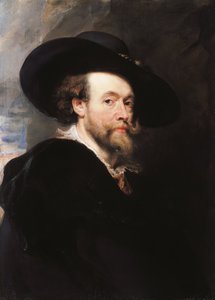
Pedro Pablo Rubens
1577 - 1640 , Alemania
Datos clave
- Artistic Movement Or Style: Barroco
- Artists Or Movements Influenced By This Artist:
- Van Dyck
- Jordaens
- Artists Who Influenced This Artist:
- Miguel Ángel
- Rafael
- Tiziano
- Date Of Birth: 1577
- Date Of Death: 1640
- Full Name: Sir Peter Paul Rubens
- Nationality: Flamenco
- Notable Artworks:
- Descenso de la Cruz
- Rayo de luz
- Place Of Birth: Siegen, Alemania
Artículos relacionados
Baroque Classicism: Reconciling Drama & Order in 17th-Century Art
Explore the captivating world of Baroque Classicism! Discover its history, key artists like Caravaggio & Rubens, and defining characteristics. Expert insights & high-quality reproductions at ArtsDot.
Cultivating Paradise: A Historical & Artistic Exploration of Gardens in Painting
Explore the rich history of gardens in painting! Discover masterpieces from Renaissance to Impressionism & beyond. Learn about symbolism, artists like Monet & Klimt, and find your perfect artwork at ArtsDot.

Barroco Sublime: 10 Obras Maestras que Definieron una Época |
Descubre las 10 obras maestras del Barroco que marcaron una época. Caravaggio, Bernini y Velázquez cobran vida en . Reproducciones de arte de calidad museo para decorar tu hogar con elegancia. ¡Explora la colección online!
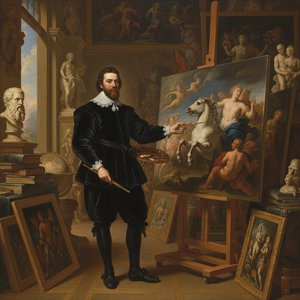
Peter Paul Rubens: A Baroque Master's Life, Legacy & Enduring Influence
Discover the life & art of Peter Paul Rubens, the most influential artist of the Flemish Baroque tradition. Explore his masterpieces, legacy, and impact on art history with ArtsDot.

The Dramatic Flourish: Exploring the Baroque Movement's Enduring Legacy in Art History
Explore the dramatic world of Baroque art! Discover iconic artists like Caravaggio & Rubens, defining techniques, and its lasting impact on art history. Expert insights for collectors & enthusiasts at ArtsDot.